Are you wondering if your cat’s favorite toys can be cleaned safely? You’re not alone.
Keeping cat toys washable is important to protect your furry friend’s health and keep their playtime fun. But how do you know which toys can be washed without falling apart? And what’s the best way to clean them? You’ll discover simple tips to make sure your cat’s toys stay fresh, safe, and ready for hours of fun.
Keep reading to learn everything you need to know about washable cat toys!
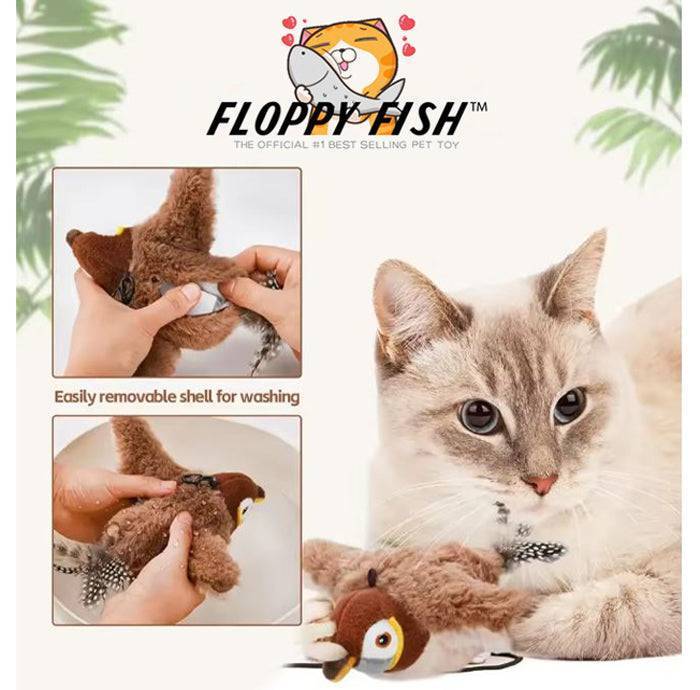
Credit: officialfloppyfish.com
Types Of Cat Toys
Cat toys come in many shapes and materials, each designed to keep your feline friend entertained and active. Understanding the types of toys available helps you choose the best options that are safe and easy to clean. Here’s a closer look at the most common categories of cat toys you might have at home or want to buy.
Soft Plush Toys
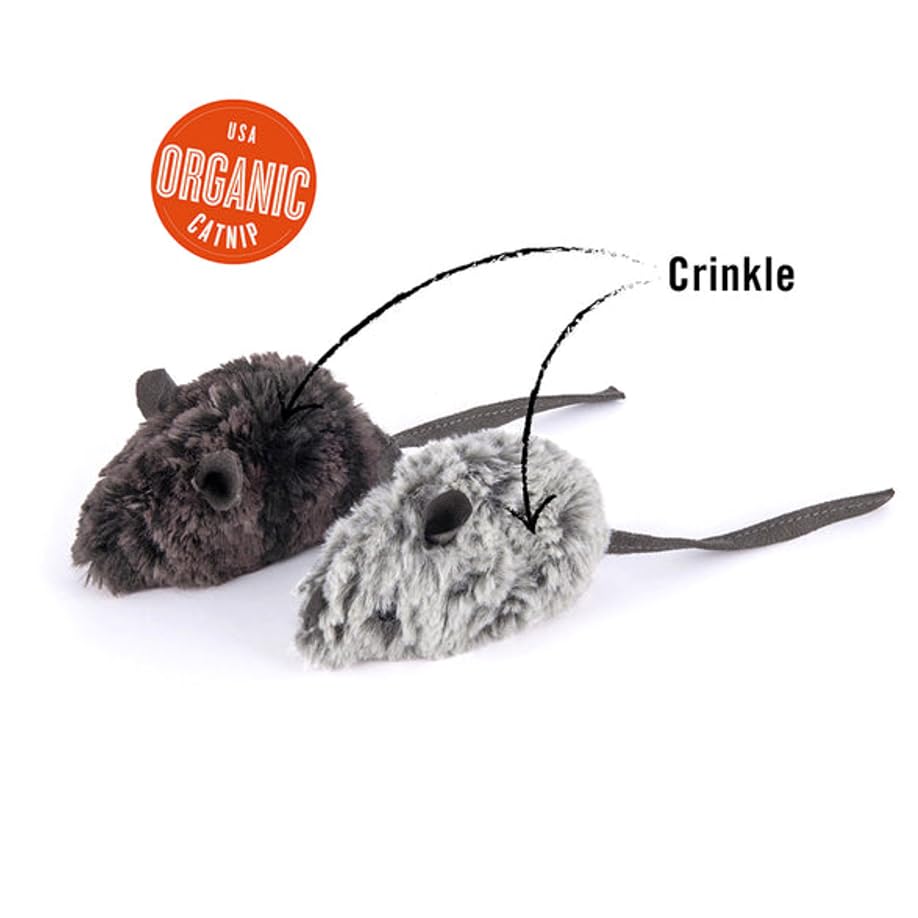
Soft plush toys are often filled with catnip or crinkly materials that cats love to bite and cuddle. They usually have fabric covers that can collect dirt and odors quickly, especially if your cat drools or carries the toy around. You might wonder if these are washable—many plush toys can be cleaned in a gentle cycle or hand washed to keep them fresh and safe for your cat.
I once left my cat’s favorite plush mouse in a pile of laundry and it came out cleaner but a little misshapen. It still kept her interest, proving that even simple washing can extend a toy’s life. Do you check if your plush toys are machine washable before buying?
Rubber And Plastic Toys
Rubber and plastic toys are durable and easy to wipe down. These materials resist stains and don’t absorb moisture, which makes them great for rough play and outdoor use. You can clean them with warm soapy water or even toss them in the dishwasher if the label says it’s safe.
Think about the last time you cleaned your cat’s rubber ball or plastic teaser—did it look like new afterward? Keeping these toys sanitized is important since they often come into contact with your cat’s mouth and paws.
Interactive And Electronic Toys
Interactive and electronic toys often feature moving parts or sounds to engage your cat’s hunting instincts. Because of their complex mechanisms, they usually require spot cleaning rather than full washing. Wiping down with a damp cloth and mild detergent helps avoid damage to the electronics inside.
Have you noticed how your cat reacts differently to electronic toys compared to simple ones? Their excitement might mean you need to keep these toys extra clean, but also be cautious with water to prevent malfunctions.
Materials And Washability
Understanding the materials used in cat toys is key to knowing how to clean them effectively. Different materials react differently to washing, and some require special care to avoid damage. Knowing these details helps you keep your cat’s toys fresh and safe without shortening their lifespan.
Fabric And Stuffing Considerations
Fabric toys are common and often stuffed with cotton, polyester, or other soft materials. These toys can usually be washed, but it depends on the fabric type and stuffing.
Toys made from durable cotton or polyester blends often withstand machine washing on a gentle cycle. However, delicate fabrics like felt or those with glued-on parts may need hand washing to avoid damage.
Stuffing can affect washability too. Toys filled with loose stuffing might lose shape or clump together after washing. If your cat loves a particular plush toy, consider spot-cleaning to maintain its form.
Plastic And Rubber Durability
Hard plastic and rubber toys are popular because they are tough and usually easy to clean. You can often wipe these toys with warm soapy water or even put them in the dishwasher’s top rack.
However, avoid harsh chemicals or abrasive scrubbing, which can wear down the material and create rough edges that could hurt your cat. Regular inspection after cleaning helps catch any damage early.
Do you check your cat’s chew toys regularly? Even the sturdiest rubber can crack or break, so keeping an eye on their condition is part of safe play.
Battery-operated Toy Care
Battery-operated toys add excitement but require extra caution during cleaning. Most are not fully waterproof, so submerging them in water can damage the electronics.
Instead, use a damp cloth to wipe the surface and avoid getting moisture near battery compartments. Removing batteries before cleaning prevents corrosion and extends the toy’s life.
Have you noticed your cat’s electronic toys last longer when you clean them gently? Proper care not only protects your investment but also keeps playtime safe and fun.
Cleaning Techniques
Keeping cat toys clean is crucial for your pet’s health. Dust and germs can build up on toys. Proper cleaning techniques can make a big difference. Regular cleaning helps extend the life of toys. Let’s explore some effective cleaning methods.
Hand Washing Tips
Hand washing is gentle for delicate toys. Use warm water and mild soap. Avoid harsh chemicals which can harm your cat. Rinse thoroughly to remove soap residue. Squeeze excess water from fabric toys. Air dry them completely before use.
Machine Washing Guidelines
Check if toys are machine washable. Use a gentle cycle with cold water. Place toys in a mesh laundry bag. This prevents damage during washing. Use mild detergent without bleach. Dry them using low heat or air dry.
Disinfecting Without Damage
Disinfecting kills germs without harming the toy. Use a mixture of water and vinegar. Spray lightly on the toy surface. Avoid soaking to prevent damage. Wipe with a clean cloth. Let them dry before giving back to your pet.
Drying And Maintenance
Keeping cat toys clean and dry is essential for your pet’s health and toy longevity. Proper drying and regular maintenance stop germs and bad smells. It also keeps the toys safe and fun for your cat to use. Understanding how to dry and care for cat toys can help you avoid damage and extend their life.
Air Drying Best Practices
Air drying is the safest way to dry most cat toys. Lay toys flat on a clean towel in a well-ventilated area. Avoid crowded spaces to help air circulate around the toy. Flip soft toys occasionally to speed up drying. Make sure toys are completely dry before giving them back to your cat. Damp toys can grow mold and bacteria.
Avoiding Heat Damage
Heat can harm many cat toys. Avoid using dryers or placing toys near heaters. High temperatures can melt plastic parts or shrink fabric toys. Heat can also ruin stuffing or make toys lose their shape. Stick to low or no heat drying methods. This keeps toys safe and in good condition.
Regular Toy Inspection
Check your cat’s toys often for wear and tear. Look for loose threads, broken parts, or holes. Remove any small pieces that could be a choking hazard. Toss out toys that are too damaged to fix. Clean toys before each inspection to see the condition clearly. Regular checks help keep your cat safe and happy.
Safety Tips For Clean Toys
Keeping cat toys clean is important for your pet’s health. Dirty toys can carry germs and cause infections. Safe cleaning habits help protect your cat from illness. Follow these safety tips to maintain clean and safe toys for your cat.
Avoiding Harmful Chemicals
Use mild soap or pet-safe cleaners only. Avoid bleach or strong detergents that irritate your cat’s skin. Rinse toys well to remove all soap. Never use products with toxic ingredients. Your cat may chew or lick the toy.
Checking For Wear And Tear
Regularly inspect toys for loose parts or damage. Torn fabric, broken strings, or sharp edges can hurt your cat. Remove any damaged toys immediately. Worn toys may also trap dirt and germs more easily.
Replacing Old Toys
Old toys lose their shape and become unsafe. Replace toys that are faded, torn, or smelly. Fresh toys keep your cat interested and safe. Set a schedule to check and replace toys often.

Credit: www.amazon.com

Credit: www.amazon.com
Frequently Asked Questions
Are All Cat Toys Washable?
Not all cat toys are washable. Fabric and plush toys often are, but electronic or battery-operated toys usually are not. Always check the manufacturer’s label for washing instructions to ensure safety and maintain toy quality.
How Do I Wash Fabric Cat Toys Safely?
Hand wash fabric cat toys using mild detergent and warm water. Avoid harsh chemicals or bleach to protect your cat’s health. Rinse thoroughly and air dry completely before giving the toy back to your cat.
Can Washing Cat Toys Remove Germs And Dirt?
Yes, washing cat toys effectively removes dirt, germs, and bacteria. Regular cleaning helps prevent infections and keeps your cat’s playtime safe and hygienic. Clean toys at least once a month or more if heavily used.
Are Machine-washable Cat Toys Safe For Cats?
Machine-washable cat toys are generally safe if washed on a gentle cycle with mild detergent. Avoid high heat drying to prevent damage. Always inspect toys for loose parts after washing to avoid choking hazards.
Conclusion
Keeping cat toys clean helps protect your pet’s health. Most soft and fabric toys can be washed safely. Always check the label for washing instructions first. Washing removes dirt, dust, and germs that build up. Regular cleaning keeps toys fresh and lasts longer.
Avoid harsh detergents to prevent skin irritation. Washing also keeps your cat interested in play. Clean toys support a happy and healthy pet life. Simple care makes a big difference for your cat.

Leave a Reply