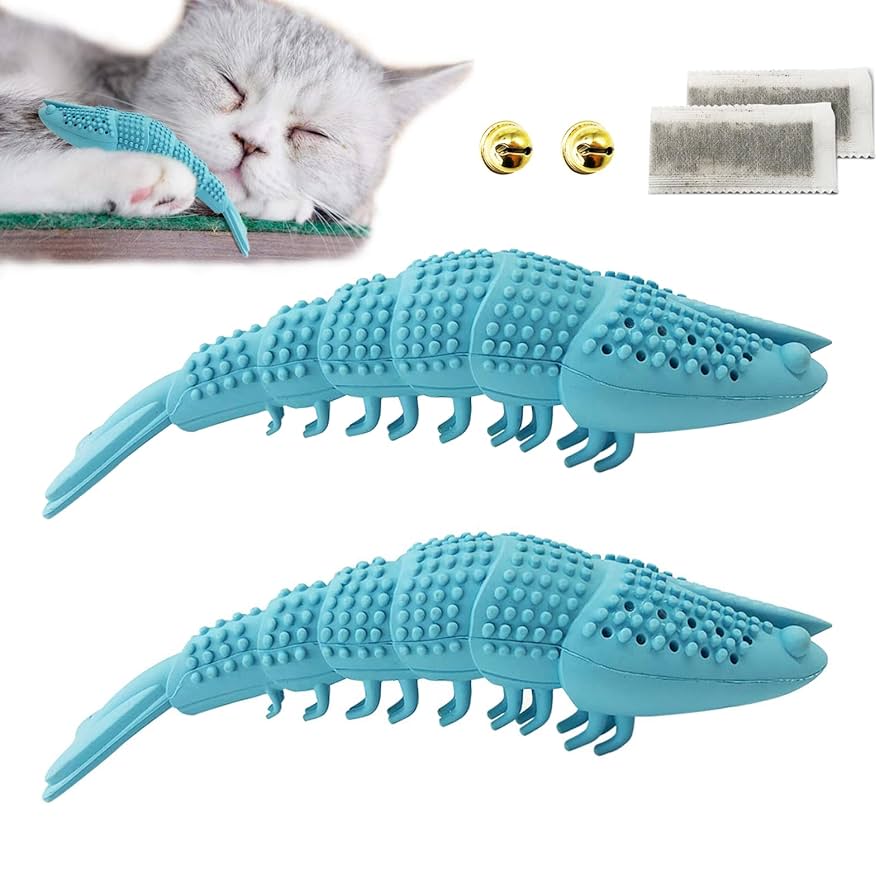
If you’re like most cat owners, you want the best for your furry friend’s health and happiness. You might have come across dental chew toys and wondered, “Are dental chew toys safe for cats?” It’s natural to worry about what you give your cat to chew on.
After all, their safety and well-being are your top priorities. You’ll discover the facts behind these popular toys, how they affect your cat’s teeth, and what you should watch out for. Keep reading to make sure you’re making the right choice for your beloved pet’s dental care.

Credit: www.amazon.com
Benefits Of Dental Chew Toys
Dental chew toys offer several benefits for cats’ oral health and overall well-being. These toys are designed to support teeth cleaning and provide mental stimulation. Cats enjoy chewing, and these toys help satisfy this natural urge while promoting healthier mouths.
Promoting Oral Health
Chewing on dental toys stimulates saliva production. Saliva helps wash away food particles and bacteria. This reduces the risk of gum disease and bad breath. Regular use keeps gums strong and teeth cleaner.
Reducing Plaque And Tartar
The texture of dental chew toys scrapes away plaque from teeth surfaces. This prevents plaque from hardening into tartar. Less tartar means fewer dental problems like cavities. It also helps maintain a fresh mouth.
Encouraging Natural Chewing Behavior
Cats have a strong instinct to chew. Dental chew toys provide a safe outlet for this behavior. They help prevent destructive chewing on furniture or other items. Chewing also relieves stress and keeps cats entertained.

Credit: www.amazon.com
Potential Risks To Consider
Before giving your cat dental chew toys, it’s important to weigh the potential risks. While these toys promise cleaner teeth and fresher breath, some hidden dangers could affect your cat’s health. Understanding these risks helps you make smarter choices for your furry friend.
Choking Hazards
Dental chew toys can break into small pieces that your cat might swallow accidentally. These fragments pose a serious choking risk, especially for cats that chew aggressively or gulp their food. Always watch your cat during playtime and remove toys that start to break apart.
Have you noticed your cat chewing unusually fast or swallowing large chunks? That could be a warning sign. Choosing toys designed specifically for cats and regularly inspecting them can reduce the chance of choking.
Toxic Materials
Not all dental chew toys are made from safe ingredients. Some contain harmful chemicals or dyes that can irritate your cat’s digestive system or cause allergic reactions. Look for toys labeled non-toxic and free from harmful additives.
Think about the last time you checked the label on your cat’s chew toy. Could it contain substances that might harm your pet? Opt for natural materials like rubber or untreated wood to keep your cat safe.
Impact On Teeth And Gums
Hard or abrasive chew toys can damage your cat’s teeth or gums. Over time, this may lead to tooth fractures or gum soreness, making eating painful for your pet. Avoid toys that are too tough or rough for your cat’s delicate mouth.
Have you ever felt your cat’s teeth or gums after chewing? If they seem sensitive or inflamed, the toy could be the cause. Choose softer options designed for dental health that clean without causing harm.
Choosing Safe Chew Toys
Choosing safe chew toys for cats is essential for their health and happiness. Chew toys help maintain dental hygiene and reduce boredom. Picking the right toy prevents choking hazards and injuries. Consider several factors to ensure your cat’s safety and enjoyment.
Material Safety
Choose chew toys made from non-toxic materials. Avoid toys with harmful chemicals or small parts. Natural rubber, food-grade silicone, and untreated wood are good options. These materials resist breaking and do not harm your cat’s mouth. Always check labels for safety information.
Size And Shape
Select toys that fit your cat’s mouth comfortably. Toys too small can cause choking. Large toys may be hard to chew and discourage use. Rounded edges prevent cuts or injuries. Shapes that mimic natural prey encourage play and chewing.
Durability And Longevity
Pick toys that last through vigorous chewing. Durable toys reduce the risk of pieces breaking off. Long-lasting toys save money and keep cats engaged. Inspect toys regularly for damage and replace them when needed.
Alternatives To Dental Chew Toys
Cats need healthy teeth for a happy life. Dental chew toys can help, but they’re not the only solution. There are other effective ways to keep a cat’s teeth clean and healthy. Let’s explore some alternatives.
Dental Treats
Dental treats are tasty and functional. They help reduce plaque and tartar. Many cats enjoy them, making dental care feel like a reward. Look for treats approved by vets for best results.
Regular Brushing
Brushing a cat’s teeth is very effective. Use a cat-friendly toothbrush and toothpaste. Start slowly, so your cat gets used to it. Regular brushing prevents dental disease and keeps breath fresh.
Professional Cleanings
Sometimes, a professional cleaning is necessary. Vets clean teeth thoroughly, removing plaque and tartar. This ensures a cat’s mouth stays healthy. Regular vet visits are crucial for dental health.
Signs Your Cat Enjoys And Benefits
Recognizing the signs that your cat enjoys dental chew toys can help you understand their impact on your pet’s health and happiness. These toys aren’t just fun distractions—they offer real benefits that can improve your cat’s daily life. Watch closely for changes in behavior and health that show these chew toys are a positive addition.
Improved Breath
One clear sign your cat benefits from dental chew toys is fresher breath. Cats with dental issues often have bad breath due to plaque buildup. If you notice your cat’s breath smelling cleaner after regular use of chew toys, it means the toys are helping reduce plaque and bacteria in their mouth.
This improvement also suggests your cat’s oral health is better, which can prevent more serious dental problems. Are you paying attention to your cat’s breath? It’s a simple way to check if the chew toy is doing its job.
Reduced Chewing On Furniture
Dental chew toys give your cat a safe outlet for their natural chewing instincts. If your cat used to nibble on your furniture or cords but now prefers their chew toy, it shows they enjoy the toy and find it satisfying. This switch means less damage to your home and a happier cat.
Try observing if your cat chooses their chew toy over household items. This preference change is a practical benefit that improves both your environment and your cat’s wellbeing.
Positive Behavioral Changes
Using dental chew toys can lead to noticeable improvements in your cat’s mood and behavior. Cats often feel less anxious and more relaxed when they have an appropriate outlet for chewing. You might see your cat playing more, resting better, or showing less frustration.
Have you noticed your cat becoming calmer or more playful after introducing chew toys? These positive changes prove the toys add value beyond dental health, supporting your cat’s overall happiness.
When To Consult A Veterinarian
Knowing when to seek veterinary advice is key to keeping your cat’s teeth healthy. Dental chew toys can help, but they are not a substitute for professional care. Some signs show your cat might have dental problems or discomfort. Acting fast protects your cat from pain and serious health issues.
Dental Pain Indicators
Watch for signs like:
- Drooling more than usual
- Avoiding food or eating less
- Swelling around the mouth
- Bad breath that doesn’t go away
- Pawing at the face or mouth
These signs suggest dental pain. A vet should check your cat promptly.
Unusual Behavior With Toys
If your cat suddenly stops using dental chew toys, it may hurt. Watch for:
- Reluctance to chew or play with toys
- Dropping toys frequently
- Showing signs of discomfort while chewing
- Using only one side of the mouth
Such behaviors often indicate oral pain or injury. A vet visit is wise.
Regular Oral Check-ups
Schedule routine dental exams for your cat. Vets can spot issues early. Regular checks help prevent serious problems later. A clean mouth means a happier, healthier cat.

Credit: www.walmart.com
Frequently Asked Questions
Are Dental Chew Toys Safe For Cats To Use?
Yes, dental chew toys designed for cats are generally safe. They help clean teeth and reduce plaque when used properly. Always choose toys made from non-toxic materials and supervise your cat during play to prevent choking or ingestion of large pieces.
Can Dental Chews Improve My Cat’s Oral Health?
Dental chews can improve oral health by reducing plaque and tartar buildup. They stimulate gums and freshen breath. However, they should complement regular dental care like brushing and vet check-ups, not replace them.
What Materials Are Best For Cat Dental Chew Toys?
Safe dental chew toys are made from non-toxic, durable materials like rubber or nylon. Avoid toys with small parts or toxic chemicals. Always check product labels for safety certifications and suitability for cats.
How Often Should Cats Use Dental Chew Toys?
Cats can use dental chew toys daily or a few times a week, depending on the toy’s durability and vet recommendations. Regular use helps maintain oral hygiene but avoid overuse to prevent tooth wear or digestive issues.
Conclusion
Dental chew toys can help keep cats’ teeth clean and healthy. Choose toys made from safe materials to avoid harm. Always watch your cat while they play with chew toys. Replace toys if they show signs of wear or damage.
Talk to your vet about the best options for your cat. Safe chew toys support good dental care and keep cats happy. A little care goes a long way in protecting your cat’s smile.

Leave a Reply