Do you ever wonder if certain breeds of cats have unique traits that make them stand out? Maybe you’re curious about which cats are the most playful, the friendliest, or the best for your home.
Understanding the differences between cat breeds can help you find the perfect furry friend who fits your lifestyle. Keep reading, and you’ll discover surprising facts that could change the way you see cats forever. Your ideal companion might be closer than you think.
Credit: blog.feliway.com
Popular Cat Breeds As Pets
Cats are among the most popular pets worldwide. Their beauty, charm, and unique behaviors attract many people. Different cat breeds offer diverse traits that fit various lifestyles and preferences. Some breeds are known for their striking looks, while others impress with their gentle nature. Understanding popular cat breeds helps in choosing the right companion for your home.
Traits Of Siamese Cats
Siamese cats are famous for their sleek bodies and striking blue eyes. They have short, fine coats with color points on their ears, paws, and tail. These cats are very vocal and love to “talk” with their owners. Siamese cats are active and playful, needing lots of attention and interaction. They bond strongly with family members and enjoy being in the spotlight.
Personality Of Maine Coons
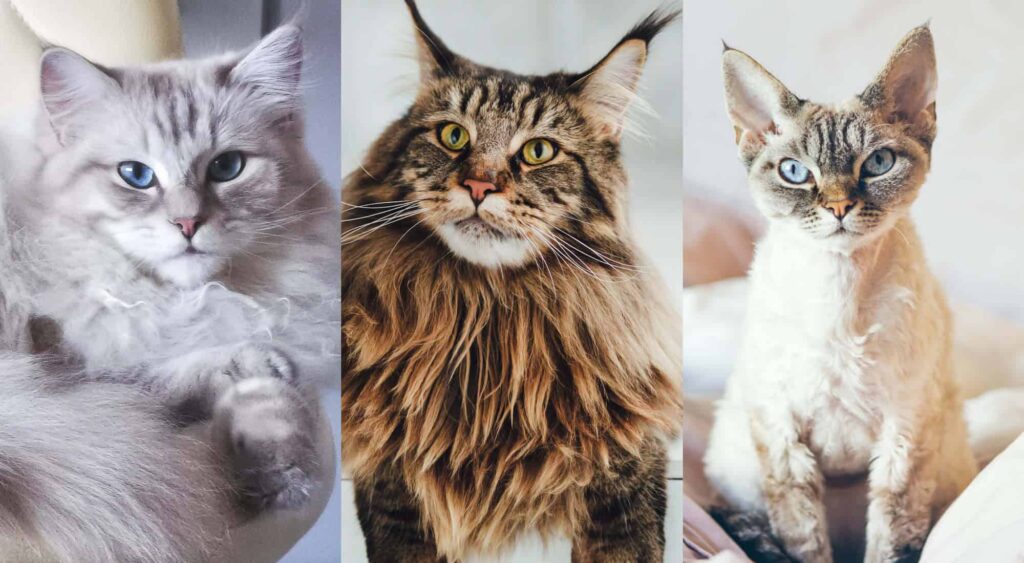
Maine Coons are large cats with thick, shaggy fur. They are gentle giants, known for their friendly and calm nature. These cats are patient with children and other pets, making them great family cats. Maine Coons enjoy playing but also love to cuddle. Their intelligence and curiosity make them easy to train and fun companions.
Behavior Of Ragdolls
Ragdolls are named for their relaxed and floppy nature when held. They are very affectionate and enjoy following their owners around. These cats are calm and rarely show aggression. Ragdolls love to be touched and often go limp when picked up. Their sweet and trusting behavior makes them perfect lap cats.
Unique Features Of Sphynx Cats
Sphynx cats stand out because they have no fur. Their skin feels warm and soft to touch. These cats have large ears and big eyes, giving them a curious look. Sphynx cats are very social and enjoy being the center of attention. They need regular skin care to stay healthy due to their lack of fur.
Credit: www.latimes.com
Factors Affecting Pet Compatibility
Choosing the right cat breed for your home goes beyond looks or popularity. Understanding factors that affect pet compatibility can save you from future challenges and deepen your bond with your new feline friend. These factors include how active the cat is, its grooming needs, temperament, and health. Let’s break down each one to help you find a cat that fits your lifestyle perfectly.
Activity Levels And Exercise Needs
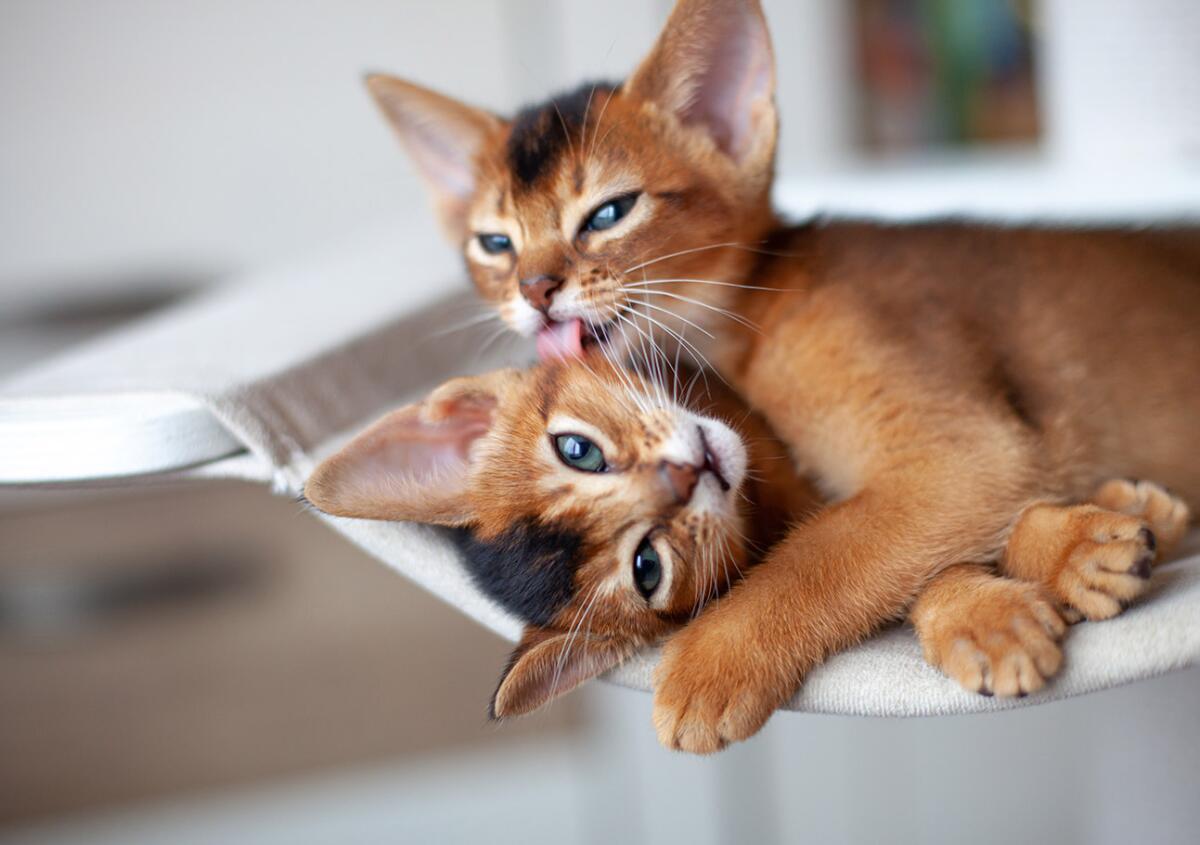
Different cat breeds have varying energy levels. Some breeds, like Bengals or Abyssinians, are highly active and need plenty of playtime and stimulation. If you lead a busy lifestyle or prefer a quieter pet, a more laid-back breed such as the British Shorthair may suit you better.
Think about your daily routine. Can you dedicate time to interactive play? Cats that don’t get enough exercise can develop behavioral issues or become overweight. Matching activity levels helps both you and your cat stay happy and healthy.
Grooming Requirements
Grooming needs can vary dramatically between breeds. Long-haired cats like Persians require daily brushing to prevent mats and tangles, while short-haired breeds usually need minimal grooming. Consider how much time you are willing to spend on grooming tasks.
Allergies might also influence your choice. Some breeds produce fewer allergens, which can make a difference if you or family members are sensitive. Regular grooming not only keeps your cat looking good but also reduces shedding and hairballs.
Temperament And Social Behavior
Temperament shapes how your cat interacts with you and others. Some cats are very social, craving constant attention and interaction, like the Siamese. Others prefer solitude or are independent, such as the Russian Blue.
Ask yourself: Do you want a lap cat or one that enjoys its own space? Consider your household dynamics too—children, other pets, or frequent visitors can impact which temperament fits best. Matching personalities can lead to a smoother relationship and fewer surprises.
Health Considerations
Different breeds come with distinct health risks. For example, Maine Coons may face heart disease risks, while Scottish Folds are prone to joint issues. Researching breed-specific health problems can prepare you for future care and expenses.
Adopting a cat means committing to their long-term well-being. Are you ready to handle potential medical needs? Regular vet visits and a healthy diet can mitigate some risks, but awareness is key to responsible pet ownership.
Breed Versus Individual Personality
Understanding cat behavior can be tricky. Some people think all cats of a breed act the same. But that’s not true. A cat’s personality depends on more than just its breed. Each cat is unique.
Variability Within Breeds
Not all cats of a breed are the same. Even two Siamese cats might act differently. Some might be playful; others might be calm. Genetics play a part, but they’re not everything. Cats, like people, have individual traits.
Impact Of Early Socialization
How a kitten is raised matters a lot. Socialization shapes behavior. A kitten exposed to people and other animals early becomes friendlier. Early experiences can make a shy cat more outgoing. Or a bold cat more cautious.
Role Of Environment
The cat’s surroundings affect its behavior too. A calm home leads to a calm cat. A noisy place might make a cat anxious. Regular playtime keeps a cat happy and healthy. Cats need a safe, loving environment to thrive.
Myths About Cat Breeds
Many people hold strong beliefs about specific cat breeds, often shaped by stories, media, or hearsay. These myths can influence how you choose a cat or how you understand their behavior. It’s important to separate fact from fiction to appreciate each cat’s unique personality beyond just their breed.
Common Misconceptions Debunked
One widespread myth is that certain breeds, like Siamese cats, are always loud and demanding. While some Siamese cats can be vocal, many are quite calm and affectionate. Your cat’s behavior depends more on its upbringing and environment than just its breed.
Another misconception is that Maine Coons are naturally aggressive because of their large size. In reality, Maine Coons are known for being gentle giants and often get along well with children and other pets.
Have you ever heard that Persian cats don’t need much exercise? This isn’t true. Persians, like all cats, need playtime and mental stimulation to stay healthy and happy.
Breed Stereotypes That Mislead
People often assume that all black cats are unlucky or mysterious. This stereotype can lead to unfair treatment and fewer adoptions. Your black cat might be the most loving companion you ever meet.
Another stereotype is that Bengal cats are wild and untameable because of their spotted coats. Bengals are actually bred to be friendly and social. How often do you judge a book by its cover? Why treat cats differently?
Don’t let breed labels limit your expectations. Instead, spend time with cats to understand their true nature. What qualities do you look for when choosing a cat, beyond just the breed?
Choosing The Right Cat For You
Choosing the right cat means finding a friend who fits your life well. Cats have many different needs and personalities. Picking one that matches your daily routine and home environment leads to a happy and healthy relationship. Think about how a cat will fit into your lifestyle before making a decision.
Assessing Your Lifestyle
Think about your daily schedule. Do you spend long hours outside or mostly stay home? Some cats like lots of attention and playtime. Others enjoy quiet and alone time. Consider your living space size. Apartments may suit smaller, calmer breeds better. Larger homes might allow more active cats room to roam.
Matching Energy Levels
Every cat has a different energy level. Some breeds are very playful and need exercise. Others prefer relaxing and sleeping most of the day. Match a cat’s energy with your activity level. Active people may enjoy energetic cats that love to play. Quiet people may prefer cats who enjoy calm and rest.
Considering Allergies And Sensitivities
Some people are allergic to cats. Certain breeds cause fewer allergic reactions. These breeds produce less dander or shed less fur. Spend time around cats before adoption to check for allergies. Clean your home often to reduce allergens. Choose a breed that fits your health needs.
Credit: rawznaturalpetfood.com
Adopting Mixed Breed Cats
Adopting mixed breed cats offers a unique chance to welcome a loving pet into your home. These cats often have diverse traits, making each one special. Mixed breed cats can bring joy and companionship without the typical costs of purebreds. Many shelters and rescues have plenty of mixed breed cats waiting for a new family.
Benefits Of Mixed Breeds
- Often healthier due to diverse genetics.
- Lower adoption fees than purebreds.
- Unique looks and personalities.
- Less prone to breed-specific diseases.
- Support animal shelters and reduce overpopulation.
How To Assess Temperament
Spend time watching how the cat behaves around people. Notice if the cat is calm or playful. Observe reactions to new sounds and movements. Gentle cats are good for families with children. Playful cats fit active homes. Ask shelter staff about the cat’s history and habits.
Finding A Good Match
Think about your lifestyle and home environment. Choose a cat that suits your daily routine. Consider age, energy level, and social needs. Visit shelters multiple times to meet different cats. Take notes on each cat’s behavior. Trust your feelings and the cat’s comfort around you.
Frequently Asked Questions
Do Any Cat Breeds Shed Less Than Others?
Yes, some breeds like the Sphynx and Russian Blue shed less. They are ideal for allergy sufferers. Regular grooming also helps reduce shedding.
Are There Cat Breeds With Hypoallergenic Qualities?
Certain breeds like the Siberian and Balinese produce fewer allergens. However, no cat breed is completely hypoallergenic. Individual reactions may vary.
Which Cat Breeds Are Known For Their Friendly Nature?
Breeds such as the Ragdoll, Maine Coon, and Scottish Fold are very friendly. They often enjoy human interaction and make great pets.
Do Any Cat Breeds Require Less Grooming?
Breeds like the British Shorthair and American Shorthair have low grooming needs. Their short coats are easy to maintain with occasional brushing.
Conclusion
Cats come in many breeds, each with unique traits and charms. Some breeds need more care, while others fit well in busy homes. Choosing the right cat depends on your lifestyle and preferences. Every cat deserves love and attention to thrive.
Understanding breeds helps you find a happy companion. Remember, a cat’s personality matters more than its breed. Enjoy the journey of discovering your perfect feline friend.


Leave a Reply