Have you ever watched cats carefully grooming each other and wondered what it really means? Is this simple act just about staying clean, or does it say something deeper about their friendship?
If you’re curious about whether cats who groom each other are truly friends, you’re not alone. Understanding this behavior can change the way you see your furry companions and their bonds. Keep reading, and you’ll discover surprising facts that will make you look at your cats’ interactions in a whole new light.

Credit: www.youtube.com
Cat Grooming Behavior
Cats spend a lot of time grooming themselves and each other. Grooming is not just about cleanliness. It is a way cats communicate and bond. Watching cats groom can reveal much about their social ties and feelings.
Types Of Grooming
- Self-Grooming:Cats lick their fur to remove dirt and loose hair.
- Allogrooming:Cats groom each other, usually around the head and neck.
- Social Grooming:Grooming acts as a social activity to strengthen friendships.
- Stress Grooming:Sometimes cats groom to calm themselves when stressed.
Why Cats Groom Themselves
Cats groom to keep clean and healthy. Their tongues remove dirt and parasites.
Grooming helps control body temperature. It spreads natural oils to protect their skin.
Self-grooming also soothes cats. It reduces stress and helps them relax.
Through grooming, cats feel comfortable and safe in their space.
Credit: www.companionanimalpsychology.com
Social Grooming Among Cats
Social grooming is a common behavior among cats that goes beyond simple cleanliness. It plays a crucial role in their relationships and social structure. Watching two cats gently lick each other can reveal a lot about their friendship and trust.
Mutual Grooming Explained
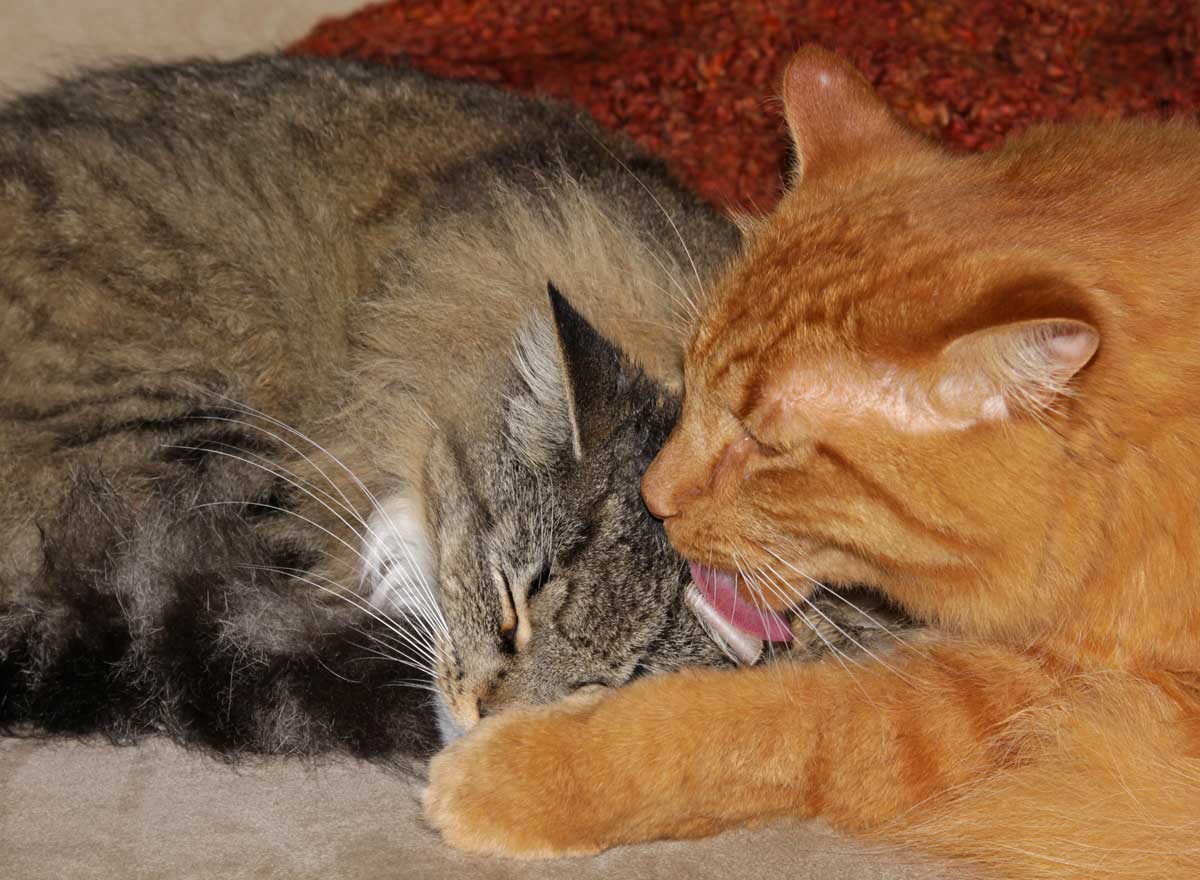
Mutual grooming, or allogrooming, happens when cats lick and clean each other’s fur. This behavior is more than just hygiene—it’s a way cats communicate and maintain social bonds.
When your cats groom each other, they often focus on hard-to-reach places like the head and neck. This shows they care about each other’s comfort and well-being.
Bonding Through Grooming
Grooming creates a calming effect and releases feel-good hormones like oxytocin in cats. This hormone helps strengthen their bond and reduce stress.
If you’ve seen your cats grooming each other after a play session, it’s their way of saying, “I trust you.” This shared activity builds trust and signals a strong friendship.
Ask yourself: do your cats groom each other regularly? If yes, you’re likely witnessing a genuine connection that goes beyond just cohabitation.
Signs Of Friendship In Cats
Understanding the signs of friendship in cats can help you better interpret their behavior and strengthen your bond with them. Cats don’t express friendship like humans do, but they have clear ways to show trust and affection. Watching these signs closely will give you a deeper insight into your cats’ social world.
Body Language Cues
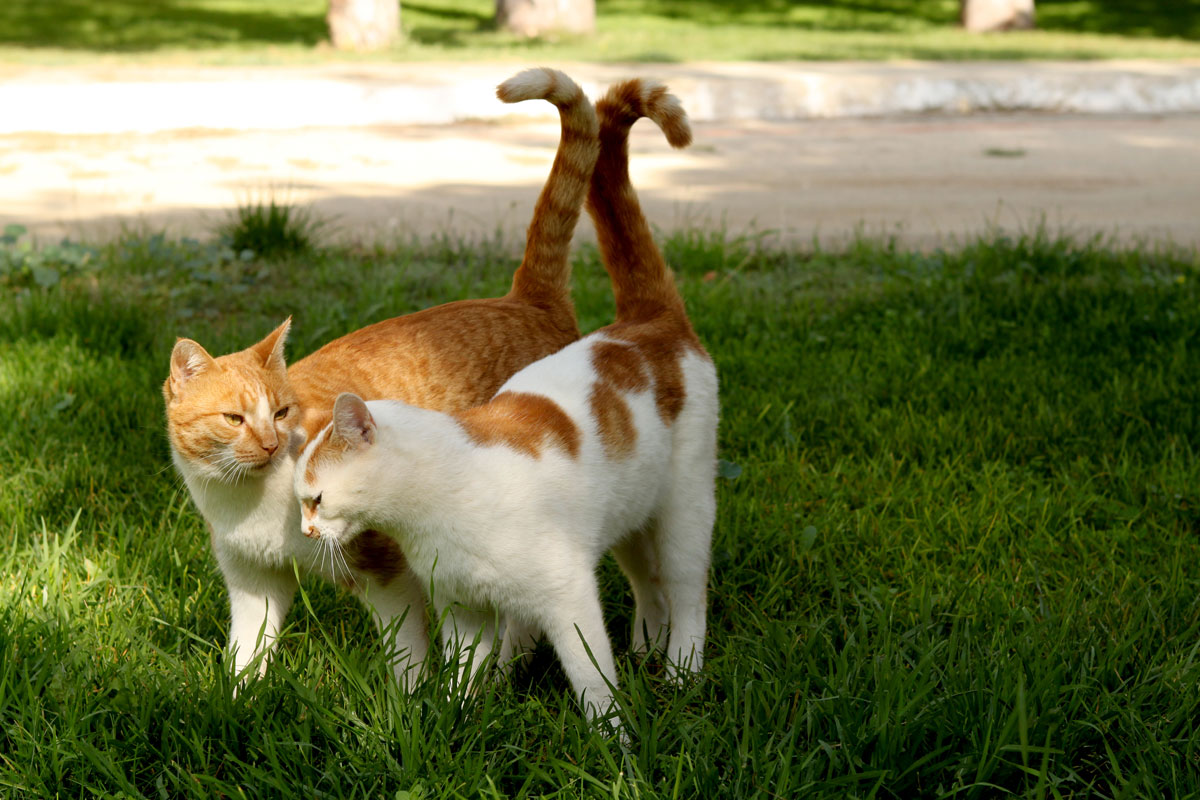
Body language is a powerful indicator of friendship among cats. When cats groom each other, it’s not just about cleanliness—it’s a sign of trust and comfort. You might notice relaxed postures, slow blinking, or gentle touching of noses, all of which mean your cats feel safe with one another.
Look for cats sitting close together or even sleeping side by side. This proximity shows they enjoy each other’s company and feel secure. Tail positions also matter—a tail held upright or gently curled around another cat signals friendliness and a positive connection.
Play And Interaction Patterns
Play is another clear sign of friendship between cats. Friendly cats engage in gentle wrestling, chasing, or batting toys back and forth without causing harm. If you see your cats taking turns initiating play or sharing toys, it means they have a healthy social bond.
Notice how they communicate during play—soft meows, purring, or playful swats rather than aggressive hissing or growling. These interactions show they trust each other enough to have fun together. Have you observed your cats playing in a way that looks like they’re cooperating rather than competing?

Credit: www.companionanimalpsychology.com
When Grooming Doesn’t Mean Friendship
Grooming among cats might look like a sign of friendship, but sometimes it hides a more complex story. Not all grooming is about affection or bonding. Understanding the subtle reasons behind this behavior can help you read your cats’ relationship more clearly.
Dominance And Control
Sometimes grooming is a way for one cat to assert dominance over another. The cat doing the grooming might be showing who’s in charge by controlling the other cat’s movements. This isn’t always aggressive, but it’s a power play disguised as care.
Have you noticed one cat consistently grooming the same spots on another? This often marks control rather than friendship. The groomed cat may tolerate it out of submission, not because they enjoy the interaction.
Stress And Comfort Grooming
Grooming can also be a tool for managing stress. Cats sometimes groom each other to calm nerves, especially in a new or tense environment. This behavior isn’t always a sign of closeness but rather a way to soothe anxiety.
Think about how your cats behave after a visit to the vet or a loud noise. If you see grooming then, it could be about comfort, not friendship. Understanding this helps you respond better to your cats’ emotional needs.
Building Cat Friendships
Cats grooming each other often shows trust and friendship. This behavior helps build bonds and reduces stress between them. Grooming is a way cats say they care and feel close.
Building friendships among cats can be a fascinating journey. Observing your cats groom each other can be an indication of a strong bond. But how can you encourage more of these positive interactions and manage occasional conflicts? Let’s dive into the dynamics of building cat friendships.Encouraging Positive Interactions
Creating a harmonious environment for your cats is essential. Place their resources like food bowls and litter boxes in separate areas to prevent territorial disputes. Offer toys that promote cooperative play, like interactive wands or puzzle feeders. Spend time with each cat individually to understand their unique personalities. Once you know their preferences, you can facilitate activities that both enjoy. This shared joy can strengthen their bond. Reward positive interactions with treats or affection. When your cats groom each other, offer verbal praise to reinforce this behavior. Positive reinforcement can go a long way in nurturing their friendship.Managing Conflicts
Conflicts are a natural part of any relationship, including those between cats. Watch for signs of tension like hissing or swatting, and intervene calmly if necessary. Providing a safe space for each cat can help them feel secure. Consider using pheromone diffusers to reduce stress levels. These can create a calming environment, making it easier for your cats to get along. If conflicts persist, consult with a veterinarian or a cat behaviorist. They can provide tailored advice to help your cats coexist peacefully. Remember, patience and understanding are key in managing feline disputes. Building cat friendships requires time and effort, but the rewards are worth it. How do you encourage your cats to bond? Share your experiences in the comments!Expert Insights On Cat Relationships
Understanding whether cats are truly friends when they groom each other requires expert insight. Grooming between cats is more than just a cleaning ritual—it carries deep social meaning. Experts reveal how this behavior reflects trust, hierarchy, and emotional bonds among feline companions.
Veterinarian Perspectives
Veterinarians observe that mutual grooming, or allogrooming, is often a sign of a healthy relationship between cats. It helps reduce stress and spreads their unique scent, reinforcing group identity.
However, vets also warn that grooming can sometimes mask tension. If one cat forces grooming or if the sessions seem one-sided, it may indicate dominance rather than friendship.
Think about your cats’ body language during grooming. Are their tails relaxed? Do their ears stay forward? These signs can help you understand if they are truly comfortable with each other.
Behaviorist Tips
Behaviorists emphasize observing the context of grooming to gauge the bond between cats. They suggest watching for mutual participation, as genuine friends take turns grooming each other.
Sometimes, grooming is a way cats calm each other during stressful moments. If you notice grooming after a loud noise or new visitor, it’s a good sign your cats find comfort in one another.
One behaviorist shared how her two rescue cats began grooming only after weeks of cautious interaction. This slow building of trust shows that grooming is a milestone, not just a routine.
- Encourage positive interactions by providing shared resources like scratching posts and cozy resting spots.
- Watch for grooming interruptions—if one cat walks away frequently, they might need space.
- Use grooming time to bond with your cats by gently petting them and offering treats afterward.
Does your cat groom another? Pay close attention—it might be their way of saying, “I trust you.”
Frequently Asked Questions
Why Do Cats Groom Each Other?
Cats groom each other to strengthen social bonds and show affection. This behavior, called allogrooming, helps build trust and friendship among cats.
Does Grooming Mean Cats Are Friends?
Yes, mutual grooming usually indicates a friendly relationship. It signals comfort and acceptance between cats, showing they consider each other part of their social group.
Can Cats Groom Without Being Friends?
Cats may groom to reduce stress or assert dominance. However, mutual grooming typically reflects positive social bonds rather than conflict or fear.
How Often Do Cats Groom Each Other?
Cats groom each other regularly, especially if they live together. This frequent grooming maintains social harmony and reinforces their connection as friends.
Conclusion
Cats grooming each other shows trust and friendship. This behavior helps them bond and feel safe. Grooming also keeps their fur clean and healthy. Friends share care, and cats do too. Watching cats groom can teach us about their feelings.
They build strong ties through this gentle act. So yes, cats that groom each other are likely friends. Their soft grooming says, “I trust you. ” It’s a small but clear sign of friendship.


Leave a Reply