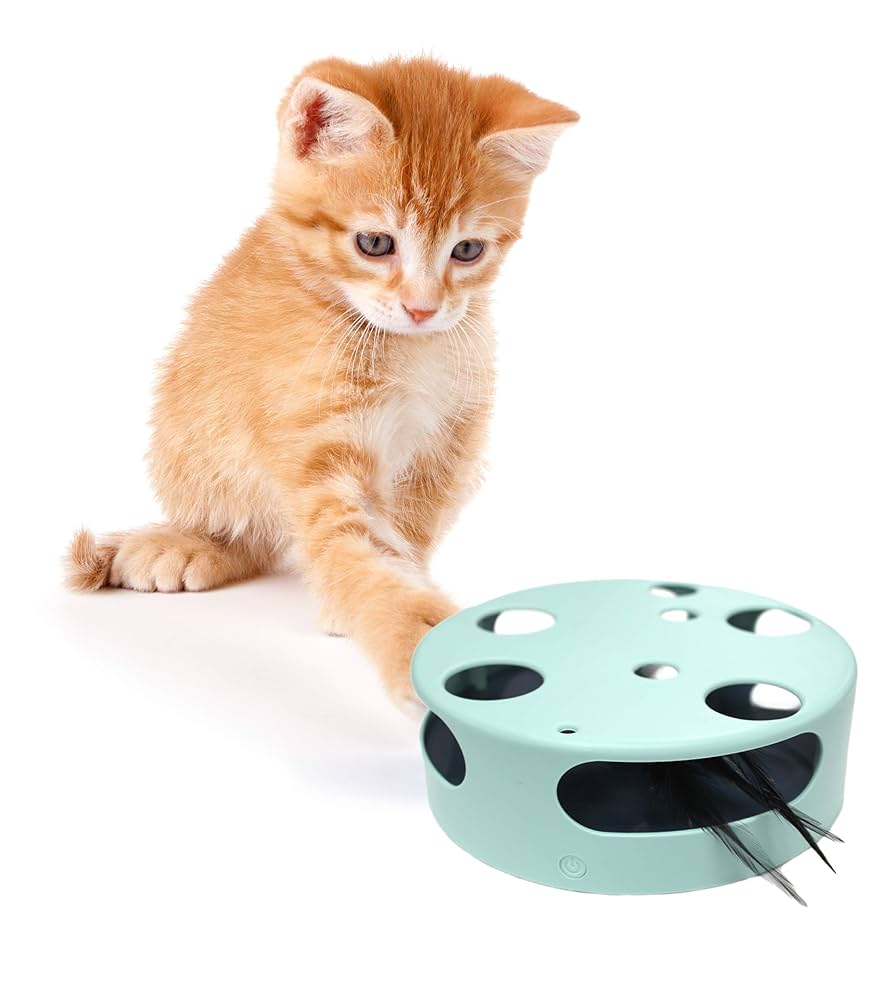
Have you ever noticed your cat losing interest in their toys? It happens more often than you think.
Just like you get bored with the same routine, your cat craves new excitement to stay happy and active. But how often should you switch things up to keep your furry friend engaged? If you want to boost your cat’s playtime, prevent boredom, and even improve their health, knowing the right toy rotation schedule is key.
Keep reading to discover simple tips that will make your cat’s playtime more fun and rewarding every day.
Benefits Of Toy Rotation
Rotating your cat’s toys brings many benefits to their daily life. It keeps their interest fresh and makes playtime exciting. Cats get bored easily with the same toys. Changing toys often helps maintain their curiosity and joy.
Enhancing Cat Engagement
Rotating toys makes each play session new and fun. Cats notice different shapes, colors, and textures. This variety grabs their attention quickly. They become more eager to play and explore again.
Reducing Boredom And Destructive Behavior
When cats have no new toys, boredom grows. They may scratch furniture or chew things they shouldn’t. Toy rotation reduces these bad habits by providing fresh outlets. Cats stay busy and less likely to cause trouble.
Stimulating Mental And Physical Activity
New toys challenge cats to think and move. Different toys encourage chasing, pouncing, and batting. This keeps their body active and mind sharp. Regular rotation helps maintain their health and happiness.

Credit: www.amazon.com
Signs Your Cat Needs New Toys
Knowing when your cat needs new toys is key to keeping playtime fun. Cats show clear signs when their toys no longer excite them. Watching these signs helps you keep your cat happy and active. Here are some common signals your cat might be ready for fresh toys.
Loss Of Interest In Current Toys
Your cat may ignore toys that once sparked joy. They might walk past toys without a glance. This lack of attention means toys feel boring or familiar now. Cats crave novelty, so old toys lose their charm quickly.
Increased Restlessness
Restlessness can mean your cat needs new stimulation. Pacing, meowing, or scratching more than usual shows boredom. Without new toys, cats may act out or seek trouble. Fresh toys can help calm this restless energy effectively.
Changes In Play Behavior
Notice shifts in how your cat plays with toys. They might play less or use toys differently. Sometimes cats get rough or lose focus during play. These behavior changes suggest toys no longer meet their needs.
Ideal Rotation Frequency
Finding the right toy rotation frequency keeps your cat interested and happy. Toys lose their charm if your cat sees them all the time. Rotating toys brings new excitement and encourages play. The ideal schedule depends on several factors including your cat’s habits and environment.
Daily Vs Weekly Rotation
Daily rotation means changing toys every day. This keeps playtime fresh and your cat curious. It works well for very active cats. Weekly rotation involves swapping toys once a week. This suits cats who play less often or get bored easily. Both methods help prevent toy fatigue.
Factors Affecting Rotation Schedule
Consider these when choosing how often to rotate:
- Number of toys available
- Cat’s play style and energy level
- Time you spend playing with your cat
- How quickly your cat loses interest
More toys allow longer rotation cycles. A busy cat may need daily changes to stay engaged.
Adjusting Based On Cat’s Age And Personality
Kittens need more frequent changes to fuel their curiosity. Older cats may prefer familiar toys and slower rotation. Shy or cautious cats might take longer to warm up to new toys. Confident cats enjoy fast-paced, regular toy swaps. Watch your cat’s reactions to find the best rhythm.
Toy Selection Tips
Choosing the right toys for your cat is key to keeping them happy and active. Rotating toys becomes more fun and effective with good selection tips. Focus on different aspects like texture, safety, and play style.
Variety In Texture And Type
Cats enjoy toys with different textures and shapes. Soft plush toys, crinkly balls, and rubber mice all offer unique feels. This variety keeps your cat curious and engaged. Changing types prevents boredom and encourages play.
Safe Materials To Choose
Select toys made from non-toxic materials. Avoid small parts that cats can swallow. Look for durable fabrics and sturdy construction. Safety ensures your cat can play without risk of injury or illness.
Incorporating Interactive Toys
Interactive toys stimulate your cat’s mind and body. Toys that move or make sounds grab attention quickly. Puzzle feeders and wand toys promote exercise and bonding. These toys add excitement and challenge during playtime.
Practical Rotation Strategies
Rotating cat toys every few days keeps your pet curious and active. Regularly changing toys prevents boredom and encourages playful behavior. Small, frequent rotations work best for lasting interest.
Rotating your cat’s toys keeps them engaged and curious. It prevents boredom and gives each toy a fresh appeal. Implementing practical rotation strategies enhances playtime and ensures your cat’s happiness.Organizing Toy Storage
Store toys in an organized manner. Use clear bins or containers. Label each bin for easy identification. Categorize toys by type or activity level. This method simplifies toy selection. It also prevents clutter in your home.Introducing Toys Gradually
Introduce toys one at a time. Let your cat explore each toy fully. Rotate toys weekly to maintain interest. This approach mimics hunting variety. It stimulates your cat’s natural instincts.Monitoring Cat’s Response
Observe your cat’s reactions to toys. Note which toys they favor. Adjust rotation based on their preferences. Remove any toy that lacks interest. This ensures playtime is always engaging. It also fosters a deeper bond with your cat.
Credit: www.amazon.com
Common Mistakes To Avoid
Rotating your cat’s toys is a great way to keep playtime fresh and exciting. However, there are common mistakes that many cat owners make when managing their feline’s toy collection. Avoiding these pitfalls can help you maintain your cat’s interest and ensure their toys stay safe and enjoyable.
Overloading With Too Many Toys
Giving your cat too many toys at once can actually overwhelm them. Instead of enjoying playtime, your cat might lose interest because they don’t know where to focus. Try to keep a small, manageable selection available and rotate them regularly to maintain excitement.
Think about how you feel when faced with too many options—does it inspire you or confuse you? Your cat experiences the same. Limiting the number of toys helps your cat appreciate each one more fully.
Ignoring Cat’s Preferences
Every cat has unique tastes when it comes to toys. Some prefer chasing feathers, others like soft mice or interactive puzzles. Ignoring what your cat truly enjoys can lead to wasted toys and missed play opportunities.
Pay attention to how your cat reacts to different toys. Does your cat chase a laser pointer but ignore stuffed balls? Tailor your rotation to include their favorites and occasionally introduce new options that match their play style.
Infrequent Cleaning And Maintenance
Toys can quickly become dirty or damaged, which might discourage your cat from playing. Regularly check for wear and tear and clean toys to keep them safe and appealing.
How often do you clean your cat’s toys? A quick wipe down or washing once a week can make a big difference. Neglecting this step may result in toys that harbor bacteria or lose their texture, causing your cat to lose interest.

Credit: www.amazon.com
Frequently Asked Questions
How Often Should I Rotate Cat Toys?
Rotate cat toys every 1 to 2 weeks to maintain interest. This prevents boredom and keeps your cat engaged and active.
Why Is Toy Rotation Important For Cats?
Toy rotation stimulates your cat’s curiosity and hunting instincts. It provides mental enrichment and helps reduce destructive behavior.
How Many Toys Should I Have For Rotation?
Having 4 to 6 toys works well for rotation. This variety keeps playtime exciting without overwhelming your cat.
Can Toy Rotation Improve My Cat’s Behavior?
Yes, rotating toys reduces boredom and anxiety. It encourages healthy play and decreases unwanted behaviors like scratching furniture.
Conclusion
Rotating your cat’s toys keeps them curious and active. Changing toys every week or two works well. It stops your cat from getting bored. New toys bring fresh excitement and playtime fun. Watch how your cat reacts to decide timing.
A happy cat is a healthy cat. Keep playtime interesting with simple toy swaps. This small habit makes a big difference daily. Your cat will thank you with more energy and joy.


Leave a Reply