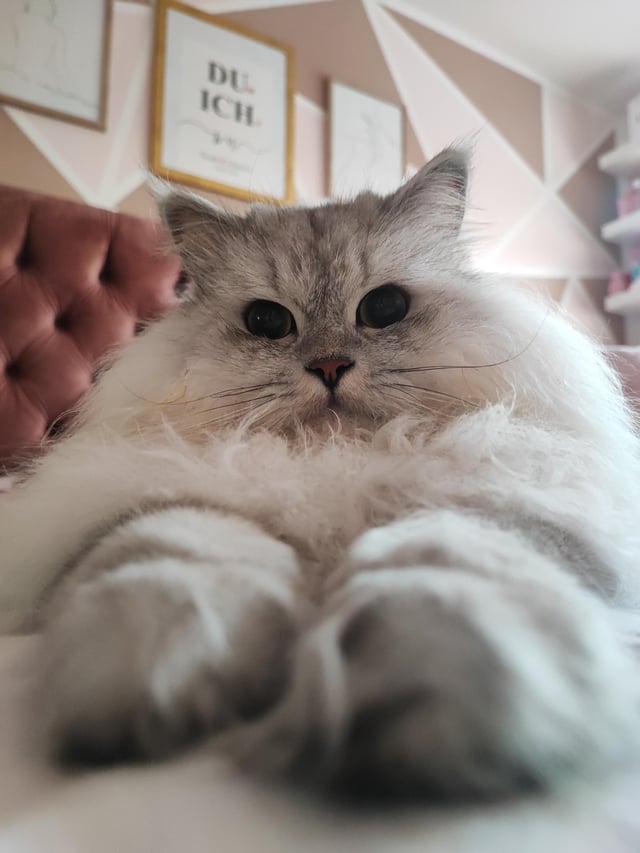
Have you ever noticed that your cat seems to have a favorite toy and ignores all the others? It’s a question many cat owners wonder about: Why does my cat only play with one toy?
Understanding this behavior can help you keep your furry friend happy and entertained. You’ll discover the surprising reasons behind your cat’s toy preference and learn simple tips to make playtime more exciting for both of you. Keep reading—you might be closer to unlocking your cat’s playful secrets than you think!

Credit: www.goodhousekeeping.com
Cat Toy Preferences
Cats have unique tastes when it comes to toys. Some cats prefer one toy over all others. This choice depends on many factors. Understanding these helps explain your cat’s behavior. Toy preferences show how cats express their personality and senses.
Individual Personality Traits
Each cat has a different personality. Some cats are shy and cautious. They prefer simple toys that feel safe. Other cats are bold and curious. They enjoy toys that challenge their skills. A cat’s past experiences also shape their likes. Personality affects which toy they pick to play with.
Scent And Texture Appeal
Cats rely heavily on their sense of smell. Toys with familiar scents attract their attention. Fabrics like felt or soft fur mimic real prey. Cats often choose toys that feel nice to their paws and mouths. Rough or smooth textures can make a big difference. The right scent and texture make toys irresistible.
Movement And Sound Factors
Movement mimics prey, triggering hunting instincts. Toys that wiggle or bounce catch a cat’s eye. Sounds like bells or crinkles add excitement. Some cats love noisy toys, others prefer quiet ones. The way a toy moves or sounds can keep a cat interested longer. This helps explain why one toy stands out.

Credit: www.kittyhelpdesk.com
Comfort And Familiarity
Your cat’s preference for a single toy often comes down to comfort and familiarity. Cats, like many animals, find security in what they know well. This attachment helps them feel safe and confident during playtime, turning one toy into a trusted companion rather than just an object.
Attachment To Specific Toys
Many cats develop a strong attachment to one toy because it has a certain texture, smell, or shape that they prefer. This toy might mimic the feeling of prey or offer a satisfying resistance when bitten or batted around. You might notice your cat carrying it from room to room or even “grooming” it, showing a deeper emotional connection.
Think about your own experiences with comfort objects—how certain blankets or items bring a sense of calm. Your cat’s attachment to a specific toy serves a similar purpose. It reduces anxiety and provides reassurance in their environment.
Routine And Habit Influence
Cats thrive on routines, and playing with the same toy becomes part of their daily habit. This routine offers predictability, which helps reduce stress and keeps your cat engaged without overwhelming them with new stimuli.
Have you noticed your cat ignoring new toys even when you introduce fresh options? This habit shows how powerful routine is in their play behavior. To encourage variety, try gently rotating toys or incorporating new scents to slowly expand their interest without disrupting their comfort zone.
Environmental Impact
Cats often choose one favorite toy to reduce waste and limit environmental impact. Playing with fewer toys means less material consumption and less trash. This simple habit helps protect nature by lowering the demand for new plastic and fabric products.
Cats are fascinating creatures with unique personalities and preferences. If your cat seems to favor one toy over others, the environment they live in might be influencing their choice. Understanding the environmental impact can help you make their playtime more enjoyable and enriching.Presence Of Other Pets
If you have multiple pets, their interactions can greatly affect your cat’s play habits. Cats are territorial, and the presence of another animal might make your feline friend more attached to a specific toy. This toy can become a comfort object, especially if it provides a sense of security amidst the hustle and bustle. Think about how your cat behaves around other pets. Do they hide their favorite toy or play with it when the coast is clear? This behavior can be a clue into how other animals are impacting their toy preference.Placement Of Toys Around Home
Where you place toys can significantly influence your cat’s engagement with them. Cats are curious and enjoy exploring, so toys scattered in different areas can encourage activity. However, if a toy is constantly in the same location, it might become the go-to option due to familiarity. Experiment with placing toys in various spots around your home. Notice if your cat gravitates towards the toy in a new location. This might suggest that it’s not just the toy but also its environment that keeps them interested. By considering these factors, you can create a more stimulating environment for your cat. Are there changes you can make to see if your cat’s interest shifts? Observing your cat’s behavior can offer insights into their environmental preferences and enhance their play experience.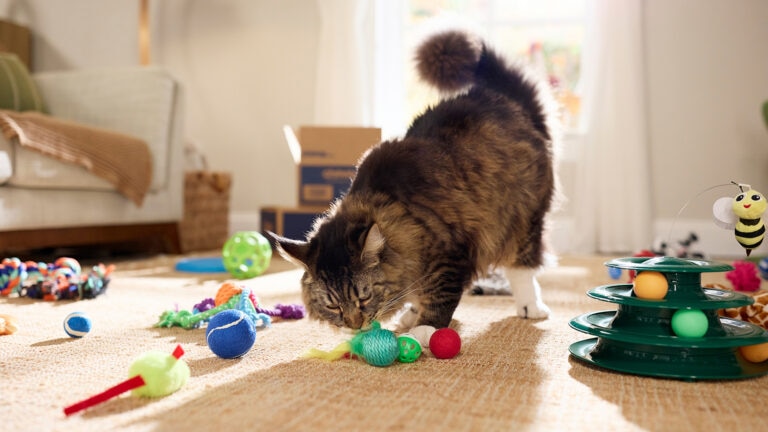
Credit: www.chewy.com
Health And Age Considerations
Understanding why your cat prefers to play with only one toy often comes down to health and age factors. Cats’ bodies and minds change over time, influencing their play habits. Paying attention to these changes helps you support your cat’s happiness and well-being.
Energy Levels And Play Style
Older cats tend to have lower energy levels. This means they might not want to chase multiple toys like they did when they were kittens. Instead, they often choose one favorite toy that matches their current play style and energy.
You might notice your cat prefers a toy that moves slowly or one they can bat gently rather than chase wildly. Have you observed your cat’s energy dips during the day? Offering toys that require less intense movement can keep them interested without tiring them out.
Dental And Physical Condition
Your cat’s dental health can also affect their choice of toy. Cats with sensitive teeth or mouth pain might avoid toys they need to bite or chew hard. Soft toys or those that don’t require biting can become their go-to playthings.
Physical conditions such as arthritis or joint pain influence how your cat plays. If your cat favors one toy, it could be because it’s easier to interact with despite their discomfort. Have you checked if your cat shows signs of stiffness or reluctance to jump? Selecting toys that accommodate these issues helps maintain their playfulness safely.
Encouraging Variety
Encouraging variety in your cat’s playtime helps keep them curious and active. Cats love new experiences but can be cautious with unfamiliar toys. Introducing different toys slowly allows your cat to explore without stress. Variety also prevents boredom and supports their natural hunting instincts.
Introducing New Toys Gradually
Start by adding one new toy at a time. Let your cat sniff and touch it gently. Observe how your cat reacts before offering more toys. Use familiar scents by rubbing the new toy with an old favorite. This makes the toy more interesting and less scary. Give your cat time to adjust to the new item.
Rotating Toys Regularly
Keep a collection of toys and swap them often. Put some toys away for a few days, then bring them back out. This makes old toys feel new again. Rotate toys based on your cat’s mood and play style. Regular changes help maintain your cat’s interest and energy. A simple rotation schedule can renew playtime excitement.
When To Consult A Vet
Knowing when to consult a vet about your cat’s play habits can make a big difference in their health and happiness. Sometimes, a cat’s preference for just one toy is normal. But other times, it could signal a deeper issue.
Behavioral Changes
Have you noticed your cat acting differently besides just sticking to one toy? Sudden changes in behavior, like hiding more often or becoming unusually aggressive, may indicate stress or illness. These shifts are important clues that something might be wrong.
If your cat’s mood or activity level changes drastically, it’s worth a vet visit. The vet can help identify if medical problems or anxiety are behind these changes. Catching issues early often leads to better outcomes.
Lack Of Interest In Play
Is your cat not just favoring one toy but also showing less overall interest in playtime? A drop in playfulness can be a sign of pain, lethargy, or other health concerns. This is different from simply having a favorite toy.
Think about how often your cat used to engage with toys and if that has decreased. If your cat rarely chases anything or seems tired, it’s a good idea to get a professional opinion. Sometimes, what looks like boredom is actually a symptom that needs attention.
Frequently Asked Questions
Why Does My Cat Prefer Only One Toy?
Cats often bond with a favorite toy due to texture, scent, or play style. This toy feels familiar and comforting, making it more appealing than others.
Can A Cat’s Age Affect Its Toy Preference?
Yes, younger cats may prefer active, moving toys, while older cats like softer or simpler toys. Age influences a cat’s energy and play style.
How Can I Encourage My Cat To Play With More Toys?
Rotate toys regularly and introduce new textures. Use interactive play sessions to spark curiosity and keep your cat engaged with various toys.
Does Toy Preference Indicate A Cat’s Personality?
Yes, toy choice can reflect personality traits. Playful cats prefer active toys, while calm cats might choose soft, cuddly ones for comfort.
Conclusion
Cats often prefer one toy because it feels familiar and safe. They enjoy the texture, shape, or sound of that toy. Playing with the same toy gives them comfort and joy. You can try adding new toys slowly to see their reaction.
Watching your cat’s play helps you understand their likes. Remember, every cat is different and has unique tastes. Respect their choice and keep playtime fun and simple. This way, your cat stays happy and engaged.



Leave a Reply