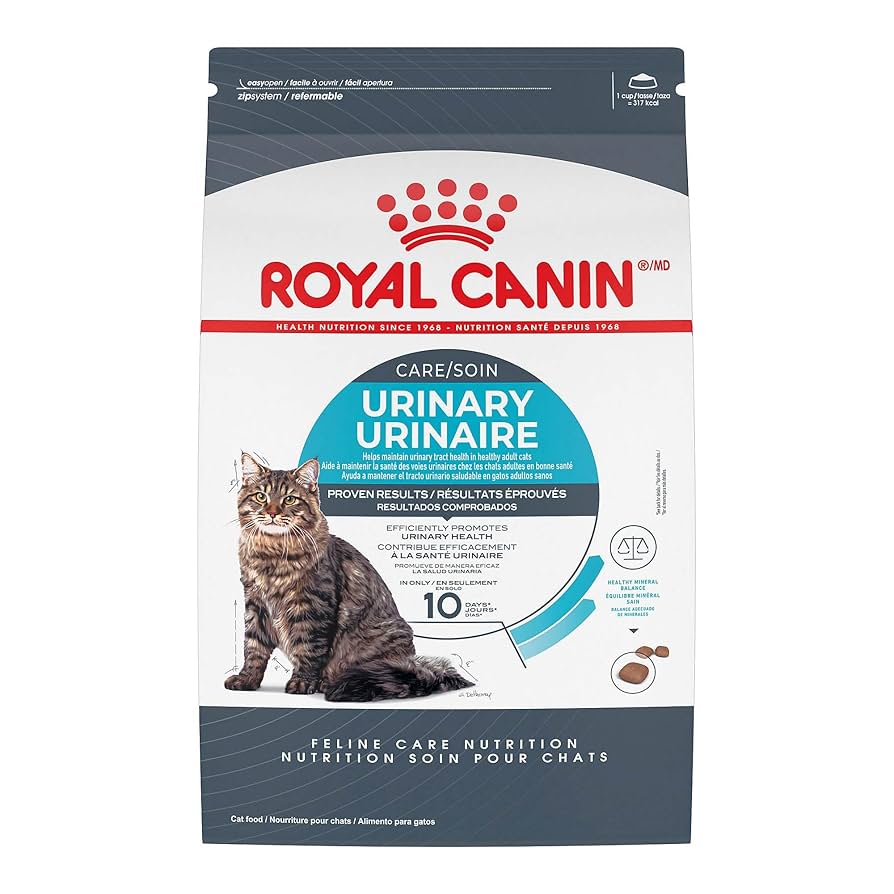
If you care about your cat’s health, you know that what they eat plays a big role in keeping them happy and active. But did you know that certain foods can specifically protect your cat’s urinary health?
Choosing the right diet can help prevent painful urinary problems and keep your furry friend comfortable. You’ll discover which foods are best for your cat’s urinary system and how you can make smart choices to support their wellbeing every day.
Keep reading to learn how to give your cat the nutrition they need to stay healthy from the inside out.
Role Of Diet In Urinary Health
The food you give your cat plays a huge role in keeping their urinary system healthy. Cats are prone to urinary problems, and diet can either help prevent these issues or make them worse. Understanding what nutrients and ingredients support urinary health can help you make better choices for your pet’s wellbeing.
Understanding Urinary Health Needs
Your cat’s urinary tract needs a balanced environment to stay healthy. Certain minerals like magnesium, calcium, and phosphorus can build up and form crystals or stones if your cat eats the wrong food. Adjusting the diet to reduce these minerals can lower the risk of urinary blockages and infections.
Importance Of Moisture In Cat Food
Many cats don’t drink enough water, which can make their urine more concentrated and increase the risk of urinary problems. Wet cat food naturally adds moisture, helping to flush the urinary tract and prevent crystal formation. If your cat prefers dry food, you might want to add water or broth to their meals.
Choosing The Right Protein Sources
High-quality animal proteins support your cat’s overall health without overloading their system with unnecessary minerals. Look for foods that list meat, poultry, or fish as the first ingredient. Avoid diets high in plant-based proteins, which can sometimes contribute to urinary issues.
The Role Of Ph Balance In Urinary Health
Your cat’s urine pH affects crystal formation—too alkaline or too acidic can cause problems. Diets designed to maintain a slightly acidic urine pH (around 6.0 to 6.5) help prevent struvite crystals. You might want to check with your vet to find a food that supports this pH balance.
Specialized Diets For Cats With Urinary Issues
If your cat already has urinary problems, your vet may recommend prescription diets. These foods are formulated to dissolve crystals and reduce the chance of recurrence. Have you ever noticed your cat straining or licking their genital area more than usual? That’s a sign to talk to your vet about dietary changes.

Credit: www.amazon.com
Key Nutrients For Urinary Health
Proper nutrition plays a vital role in maintaining urinary cat health. Certain nutrients help prevent urinary problems and support overall bladder function. Feeding your cat a diet rich in these key nutrients can reduce the risk of urinary tract issues and keep your feline friend comfortable.
Water Content And Hydration
Water helps flush toxins from the urinary tract. Wet cat food contains high moisture, which aids hydration. Cats often drink less water naturally. Feeding wet food or adding water to dry food increases fluid intake. Proper hydration helps prevent crystal and stone formation.
Controlled Magnesium Levels
Magnesium affects urinary crystal formation. High magnesium levels can lead to struvite crystals. Balanced magnesium in cat food reduces this risk. Low-magnesium diets are often recommended for cats with urinary problems. Always check the label for magnesium content.
Balanced Protein Sources
Protein quality impacts urinary health. High-quality animal proteins support muscle and organ health. Overfeeding protein may stress the kidneys and urinary system. Balanced protein levels prevent excess strain. Look for foods with digestible protein from real meat.
Essential Vitamins And Minerals
Vitamins and minerals support the immune system and tissue repair. Vitamin E, zinc, and antioxidants promote bladder health. Taurine is an essential amino acid for cats. Deficiency can affect urinary function. Choose foods fortified with these important nutrients.
Best Wet Foods For Urinary Cats
Wet foods with high moisture help keep urinary cats hydrated and support bladder health. Foods low in magnesium and phosphorus reduce the risk of urinary issues. Choosing balanced, vet-recommended wet diets promotes overall urinary tract wellbeing.
Choosing the right food for your cat can be a game-changer, especially when it comes to maintaining urinary health. Wet foods are often recommended because they naturally have a higher moisture content, which is crucial for supporting your cat’s urinary system. If your feline friend is struggling with urinary issues, the right wet food might just be the solution you’re looking for.Key Ingredients To Look For
When selecting wet food for your cat, check the labels for ingredients like cranberries and omega-3 fatty acids. These can help maintain a healthy urinary tract. Foods low in magnesium and phosphorus are also beneficial, reducing the risk of urinary crystals.Vet-recommended Options
Consulting your vet is always a smart move, as they can recommend specific brands tailored to your cat’s needs. Brands like Hill’s Prescription Diet and Royal Canin offer special formulations designed for urinary health. These options might be pricier, but investing in your cat’s health can save you from costly vet bills later.Importance Of Hydration
Did you know that cats have a low thirst drive? This means they might not drink enough water on their own. Wet food helps increase their water intake, keeping their urinary tract flushed and healthy.Personal Experience With Wet Foods
I once had a cat with persistent urinary issues, and switching to a vet-recommended wet food made a huge difference. Not only did it improve her urinary health, but she also seemed more energetic and happy. Have you noticed a change in your cat’s behavior after a diet change?Transitioning To Wet Food
Switching your cat to wet food should be a gradual process. Mix a small amount of the new food with their current diet, slowly increasing the new food over a week. This helps avoid digestive issues and ensures your cat accepts the new diet. Remember, you are the best advocate for your cat’s health. By choosing the right food and consulting with a vet, you can significantly improve your cat’s quality of life.Top Dry Food Choices
Choosing the right dry food for your cat’s urinary health can make a big difference. Not all dry foods are created equal, and some are specifically designed to support urinary tract function. Let’s look at some top choices that can help keep your feline friend comfortable and healthy.
Foods That Control Urine Ph Levels
Urine pH balance is crucial in preventing urinary crystals and stones. Dry foods formulated to maintain an ideal pH—usually slightly acidic—help reduce risks. Brands like Hill’s Prescription Diet c/d Multicare are popular because they carefully control mineral content to keep pH in check.
Low Magnesium Dry Foods
Magnesium is often linked to urinary problems in cats. Choosing dry food with low magnesium can reduce crystal formation. Look for options like Royal Canin Urinary SO or Purina Pro Plan Veterinary Diets UR, which limit magnesium to safe levels.
High Moisture Content In Kibble
Dry food with added moisture is a smart choice for urinary health. Some brands now produce kibble that absorbs water or has a softer texture to encourage hydration. This can help reduce concentration of minerals in the urine without switching fully to wet food.
Natural Ingredients And No Artificial Additives
Natural ingredients support overall health, which is vital for your cat’s urinary tract. Avoid dry foods with artificial colors, flavors, or preservatives that might irritate the bladder. Products like Blue Buffalo Natural Veterinary Diet offer formulas free from these additives.
Fiber-rich Dry Foods For Digestive Support
Fiber helps regulate digestion and can indirectly benefit urinary health by promoting regular bowel movements. Dry foods with added fiber, like those containing beet pulp or pumpkin, help maintain a healthy gut. This balance can reduce pressure on the urinary system.
Homemade Food Options
Making homemade food for your cat can be a great way to support urinary health. You control every ingredient and avoid harmful additives found in some commercial foods. Plus, it’s a chance to cater to your cat’s unique tastes and health needs.
Safe Ingredients To Use
Choosing the right ingredients is key to keeping your cat’s urinary tract healthy. Protein sources like chicken, turkey, and fish are excellent choices because they provide essential nutrients without excess minerals that might cause issues.
Vegetables such as pumpkin and carrots add fiber, which helps maintain healthy digestion. Cranberries and blueberries contain antioxidants and compounds that may prevent urinary infections. Avoid ingredients high in magnesium and phosphorus, as they can contribute to urinary problems.
- Lean meats (chicken, turkey, fish)
- Cooked pumpkin and carrots
- Cranberries and blueberries (in small amounts)
- Rice or sweet potatoes as a carbohydrate source
- Water or low-sodium broth to keep hydration up
Recipes For Urinary Health
Try this simple recipe to support your cat’s urinary tract:
| Ingredient | Amount | Why It’s Good |
|---|---|---|
| Cooked chicken breast (shredded) | 1 cup | High-quality protein, low in minerals |
| Cooked pumpkin | 2 tablespoons | Supports digestion and urinary health |
| Cooked sweet potato | 2 tablespoons | Provides fiber and energy |
| Fresh cranberries (mashed) | 1 teaspoon | May help prevent urinary infections |
| Water or low-sodium broth | ¼ cup | Increases hydration |
Mix all ingredients well and serve at room temperature. Does your cat enjoy wet food? Adding water or broth can encourage better hydration, which is crucial for urinary health.
Have you noticed your cat’s preferences or reactions to homemade meals? Adjusting recipes based on their feedback can make a big difference in maintaining their health and happiness.
Foods To Avoid
Choosing the right food is crucial for your cat’s urinary health. Some ingredients can cause irritation or lead to urinary problems. Knowing which foods to avoid helps you keep your feline friend comfortable and healthy.
High Magnesium ContentMagnesium can contribute to the formation of urinary crystals in cats. Foods high in magnesium increase the risk of urinary tract issues. Avoid dry foods and treats known for elevated magnesium levels to protect your cat’s bladder.
Excessive Carbohydrates and FillersMany commercial cat foods contain too many carbs and fillers like corn, wheat, or soy. These ingredients don’t support urinary health and may cause inflammation. Opt for diets with low carbohydrate content to reduce stress on your cat’s urinary system.
Artificial Additives and PreservativesArtificial colors, flavors, and preservatives can irritate your cat’s urinary tract. These additives might trigger inflammation or allergic reactions. Stick to natural or minimally processed foods to avoid unwanted side effects.
Excessive CalciumToo much calcium in your cat’s diet can lead to the formation of bladder stones. Foods rich in calcium should be given carefully, especially if your cat has a history of urinary problems. Monitoring calcium intake helps maintain a balanced urinary environment.
High Salt LevelsSalt encourages water loss and can lead to dehydration, which concentrates urine and irritates the urinary tract. Avoid feeding your cat salty snacks or human food leftovers. Keeping your cat well-hydrated is key to preventing urinary issues.
Supplements And Additives
Supplements and additives can support urinary cat health by providing essential nutrients. These help maintain bladder strength and reduce infection risks. Proper supplements balance urine pH and promote overall urinary tract wellness.
Urinary Health Supplements
Some supplements target urinary health specifically. They often contain ingredients like cranberry extract, glucosamine, and omega-3 fatty acids. Cranberry helps prevent bacteria from sticking to the bladder walls. Glucosamine supports bladder lining repair. Omega-3 fatty acids reduce inflammation in the urinary tract.
Other common additives include vitamin C to acidify urine and promote a healthy environment. Always choose supplements made for cats and follow dosage instructions carefully. Quality matters for effective results and cat safety.
Probiotics And Their Benefits
Probiotics support good bacteria in the gut and urinary system. They help keep harmful bacteria under control. This reduces the chance of urinary tract infections.
Probiotics improve digestion and boost the immune system. A strong immune system helps fight off infections naturally. Adding probiotics to your cat’s diet can promote a balanced urinary environment and better health overall.
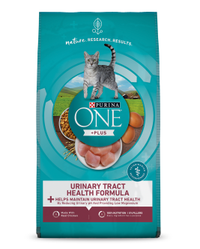
Credit: www.purina.com
Feeding Tips For Urinary Cats
Feeding cats with urinary health concerns requires careful planning and attention. Proper feeding habits support their urinary tract and help avoid common issues like crystals or infections. Small, frequent meals and adequate hydration play key roles in maintaining a healthy urinary system.
Meal Frequency And Portions
Feed your cat several small meals daily instead of one or two large ones. This helps reduce the concentration of urine and lowers the risk of crystal formation. Small portions keep your cat satisfied and prevent overeating, which can stress the urinary system.
- Divide daily food into 3 to 4 meals.
- Use portion sizes recommended by your vet or pet nutritionist.
- Maintain a consistent feeding schedule to support digestion.
Encouraging Water Intake
Water dilutes urine and flushes toxins from the urinary tract. Cats with urinary issues need more water to stay healthy. Increase water intake by offering fresh water often and using different bowls or fountains.
- Place multiple water bowls around the house.
- Use cat water fountains to attract your cat to drink more.
- Add wet food to the diet to boost moisture intake.
- Mix a little water with dry food if your cat accepts it.
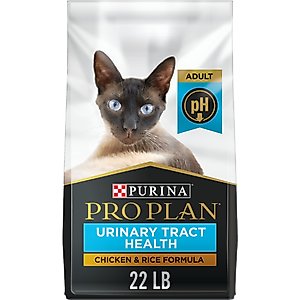
Credit: www.chewy.com
Frequently Asked Questions
What Foods Promote Healthy Urinary Tract In Cats?
Wet foods with high moisture content help maintain urinary health. Foods low in magnesium and phosphorus reduce stone formation risks. Including taurine-rich ingredients supports overall urinary function in cats.
Can Dry Cat Food Affect Urinary Health Negatively?
Yes, dry food with low moisture can increase urinary tract issues. It may concentrate urine, promoting crystal and stone formation. Choosing specially formulated dry food can reduce these risks.
How Does Hydration Impact A Cat’s Urinary Health?
Adequate hydration dilutes urine, reducing crystal and stone risks. Wet food and fresh water encourage better hydration in cats. Proper hydration supports bladder health and prevents infections.
Are There Specific Nutrients To Avoid For Urinary Health?
Avoid high levels of magnesium, phosphorus, and calcium to prevent stones. Excess minerals can lead to urinary crystals and blockages. Balanced nutrient levels in cat food support urinary tract health.
Conclusion
Good food supports your cat’s urinary health well. Wet food helps keep your cat hydrated. Foods low in magnesium and phosphorus reduce risks. Balanced nutrition strengthens the urinary system over time. Avoiding certain ingredients can prevent urinary problems. Always offer fresh water alongside their meals.
Consult your vet for the best diet advice. Healthy eating habits help your cat feel better. Simple food choices can make a big difference. Keep your cat’s health a top priority every day.



Leave a Reply