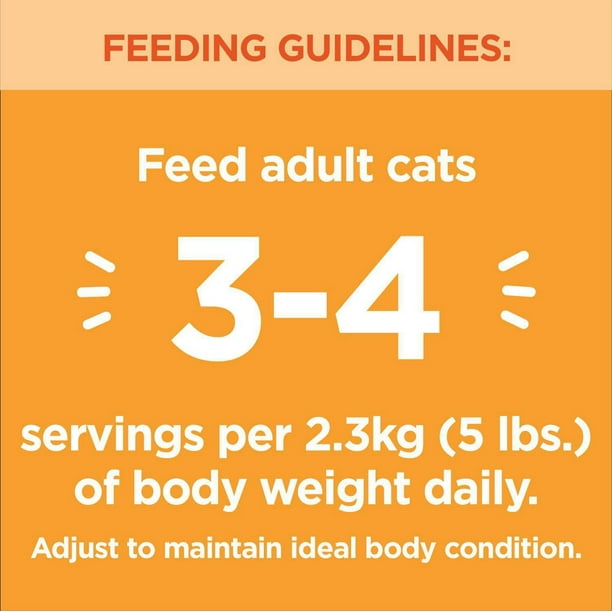
Wondering how much wet food you should feed your adult cat? Getting the right amount is key to keeping your furry friend healthy and happy.
Too little, and your cat might not get enough nutrients. Too much, and you risk overfeeding or wasting food. You’ll discover simple tips to find the perfect portion size for your cat’s wet food. Keep reading to learn how to make mealtime just right for your beloved pet.
Daily Wet Food Needs
Feeding your adult cat the right amount of wet food each day supports their health and happiness. Cats need balanced meals that meet their energy needs without overfeeding. Understanding daily wet food needs helps maintain a healthy weight and prevents health problems.
Factors Influencing Portion Size
Several factors affect how much wet food your cat requires daily. Age plays a role; younger cats may need more calories than older ones. Activity level matters too. Active cats burn more energy and need larger portions.
Health conditions can change food needs. Cats with certain illnesses may need special diets or adjusted amounts. Weight also influences portions. Overweight cats need fewer calories to lose weight safely.
- Age of the cat
- Activity level
- Health status
- Current weight
- Type of wet food
Different wet foods have varying calorie counts. Check the label to understand how much to feed.
Calorie Requirements For Adult Cats
Adult cats typically need about 20 calories per pound of body weight daily. For example, a 10-pound cat needs roughly 200 calories each day. This number can vary based on activity and health.
Wet food calories vary by brand and recipe. Most wet foods contain 70 to 100 calories per 3-ounce can. Use this to calculate daily portions.
| Cat Weight (lbs) | Calories Needed | Wet Food Amount (3 oz cans) |
|---|---|---|
| 8 | 160 | 2 |
| 10 | 200 | 2 to 3 |
| 12 | 240 | 3 |
Adjust feeding amounts based on your cat’s condition and activity. Regularly monitor their weight and health for changes.
Reading Wet Food Labels
Reading wet food labels helps you feed your adult cat the right amount. Labels show important details about calories and ingredients. Understanding these helps maintain your cat’s health and weight. Wet food cans and pouches vary in size and nutrition. Knowing what’s inside each package lets you adjust portions properly.
Calories Per Can Or Pouch
Calories tell how much energy your cat gets from one can or pouch. Each brand and flavor may have different calorie amounts. Find the calorie number on the label. It usually says “kcal” or “calories.”
Compare calories per serving to your cat’s daily needs. Adult cats often need about 200 to 300 calories daily. Feeding too many calories can cause weight gain. Too few calories can make your cat lose weight.
Use this formula to estimate portions:
- Daily calorie need ÷ calories per can = cans per day
This helps you feed the right amount without guessing.
Ingredients And Nutritional Value
Ingredients show what is in the wet food. Look for real meat as the first ingredient. Cats need protein for energy and muscle health.
Check for added fillers like corn or wheat. These offer little nutrition for cats. Some cats may have allergies to certain ingredients.
Wet food labels also list nutrients like:
- Protein percentage
- Fat content
- Moisture level
- Vitamins and minerals
High protein and moderate fat support your cat’s energy. Moisture helps keep your cat hydrated. Essential vitamins and minerals keep your cat healthy.
Choose wet food that balances these nutrients well. It supports your cat’s overall health and wellbeing.
Adjusting Portions By Activity
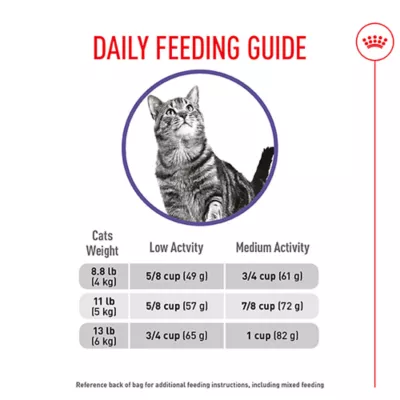
Activity level affects how much wet food your adult cat needs daily. More active cats require larger portions, while less active cats need smaller amounts to maintain a healthy weight. Adjust feeding based on your cat’s energy and body condition.
Adjusting Portions by Activity Determining the right amount of wet food for your adult cat can be a bit tricky, especially when you consider their activity level. Cats, just like humans, have varying energy needs. Feeding your cat based on their activity can help maintain their ideal weight and health. Let’s explore how you can adjust portions to suit your cat’s lifestyle.Sedentary Vs Active Cats
Cats with a more sedentary lifestyle, like indoor cats, typically need fewer calories. If your cat spends most of the day lounging around, consider feeding them smaller portions. Active cats, on the other hand, burn more energy. If your feline friend enjoys climbing trees or chasing toys, they may require more food to keep up with their energy expenditure.Seasonal Changes In Appetite
Did you know your cat’s appetite can change with the seasons? During the colder months, cats might eat more to build up body fat for warmth. Conversely, in the warmer months, their appetite might decrease. Keep an eye on your cat’s eating habits and adjust their portions accordingly to avoid overfeeding or underfeeding. By understanding your cat’s activity level and seasonal appetite changes, you can ensure they’re getting just the right amount of nourishment. Have you noticed any shifts in your cat’s appetite with the seasons or changes in their activity levels? Share your observations in the comments!Mixing Wet And Dry Food
Mixing wet and dry food can be a smart way to give your adult cat a balanced diet while keeping mealtime interesting. Many cats enjoy the variety in texture and taste, and combining both types can help maintain hydration and dental health. But how do you get the mix just right without overfeeding or missing out on key nutrients?
Balanced Feeding Ratios
Finding the right balance between wet and dry food depends on your cat’s calorie needs and preferences. Typically, a mix where wet food makes up about 50-75% of the daily intake works well for hydration and taste satisfaction. Dry food can fill in the rest, providing crunch and helping with dental care.
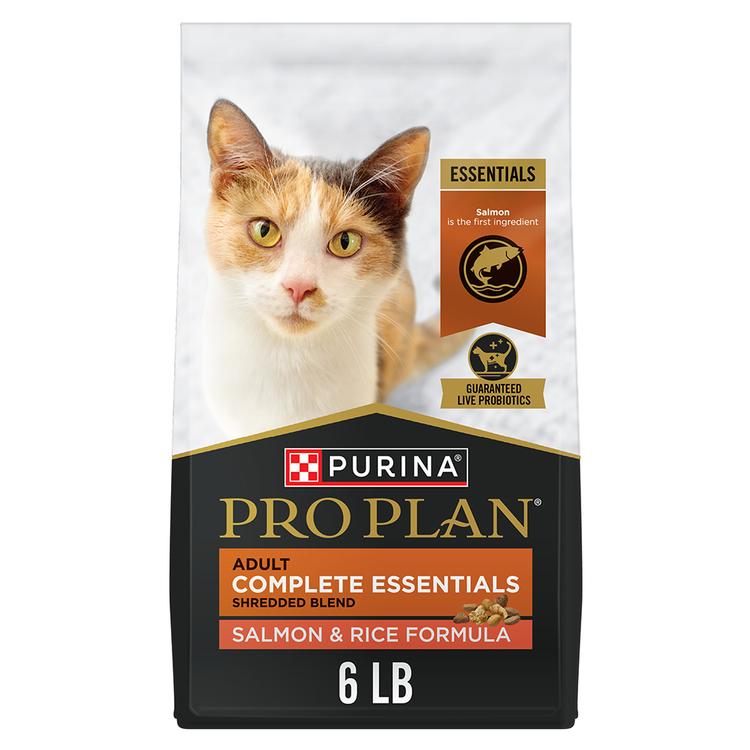
Look at the feeding guidelines on each product’s packaging to calculate calories. For example, if your cat needs 250 calories a day, and the wet food provides 100 calories per can, you might feed one can plus a portion of dry food that adds up to the remaining calories. Tracking this helps avoid overfeeding, which can lead to weight gain.
Transitioning Between Food Types
Switching your cat from one food type to a mix should be gradual to avoid stomach upset. Start by adding small amounts of the new food to the current diet over 7-10 days. Increase the new food portion slowly while decreasing the old food.
Watch your cat’s reaction carefully. If you notice any digestive issues or refusal to eat, slow down the transition or try different food brands or flavors. Patience during this phase helps your cat adjust comfortably and enjoy their meals.
Monitoring Your Cat’s Weight
Keeping track of your adult cat’s weight is essential for their health. Weight changes can signal if you need to adjust the amount of wet food you feed. Cats can gain or lose weight for many reasons. Regularly monitoring their weight helps catch problems early. A healthy weight means a happy cat. Use a scale or visit the vet to check your cat’s weight often. Watch for clear signs that show if your cat eats too much or too little.
Signs Of Overfeeding
- Your cat’s belly looks round or bulging.
- Fat pads appear over the hips and ribs.
- Difficulty jumping or moving easily.
- Less active or more tired than usual.
- Fast weight gain over a few weeks.
Signs Of Underfeeding
- Visible ribs, spine, or hip bones.
- Sunken or hollow areas around the waist.
- Weakness or lack of energy.
- Constant searching for food or begging.
- Weight loss over a short period.
Credit: www.purina.com
Special Considerations
Feeding an adult cat wet food requires special attention to certain factors. Some cats have unique needs that affect how much food they should eat. Taking these considerations into account helps keep your cat healthy and happy.
Feeding Cats With Health Issues
Cats with health problems may need adjusted food amounts. Kidney disease, diabetes, and obesity are common conditions affecting diet. Wet food can help with hydration and nutrient absorption. Consult a vet for specific feeding guidelines. Avoid overfeeding to prevent worsening health issues. Monitor your cat’s weight and appetite closely.
Age And Breed Variations
Different breeds and ages require different feeding amounts. Larger breeds often need more food than smaller ones. Senior cats may eat less but need nutrient-rich meals. Younger adults have higher energy and may need more calories. Adjust food portions based on activity and metabolism. Watch your cat’s body condition to guide feeding.
Practical Feeding Tips
Feeding your adult cat wet food can be straightforward with a few practical tips. Knowing how to schedule meals and properly store and serve the food makes a big difference. These small actions help keep your cat healthy and happy, and save you time and effort.
Meal Scheduling
Consistency matters. Try feeding your cat wet food at the same times every day. Cats often prefer routine and will come to expect their meals, reducing begging or food anxiety.
Think about splitting the daily wet food allowance into two or three small meals. This mimics their natural hunting pattern and keeps their energy steady throughout the day.
Ask yourself: Does your cat respond better to morning or evening meals? Adjust the schedule based on their activity and appetite to find what works best.
Storing And Serving Wet Food
Once opened, wet food needs proper storage to stay fresh. Use airtight containers or tightly cover cans with plastic wrap before refrigerating. This prevents spoilage and keeps smells contained.
Serve wet food at room temperature. Cold food straight from the fridge can be less appealing to your cat. You can warm it gently by placing the container in warm water for a few minutes.
Remember to clean your cat’s food and water bowls daily. This keeps bacteria away and encourages your cat to eat with enthusiasm.
Credit: www.petsmart.com
Credit: www.purina.com
Frequently Asked Questions
How Much Wet Food Should I Feed My Adult Cat Daily?
Feed your adult cat about 3 to 4 ounces of wet food per 5 pounds of body weight daily. Adjust portions based on activity level, age, and health. Always check the food label for specific feeding guidelines.
Can I Feed Only Wet Food To My Adult Cat?
Yes, you can feed only wet food if it meets all nutritional needs. Wet food provides hydration and is easier to digest. Consult your vet to ensure a balanced diet and proper portion sizes.
How Often Should I Feed Wet Food To My Cat?
Feed your adult cat wet food twice a day, dividing the daily portion into two meals. This routine supports digestion and prevents overeating. Adjust feeding frequency based on your cat’s preferences and health.
Does Wet Food Help With My Cat’s Hydration?
Yes, wet food contains high moisture, helping keep your cat hydrated. Cats often don’t drink enough water, so wet food supports urinary tract health. Always provide fresh water alongside wet food.
Conclusion
Feeding your adult cat the right amount of wet food keeps them healthy. Check the cat’s weight and activity level to decide portions. Follow the feeding guidelines on the food package. Watch your cat’s body condition and adjust food if needed.
Fresh water should always be available alongside wet food. Regular vet visits help ensure your cat stays in good shape. Feeding wet food properly supports your cat’s wellbeing every day. Small changes make a big difference in your cat’s health.
Keep it simple and consistent for best results.



Leave a Reply