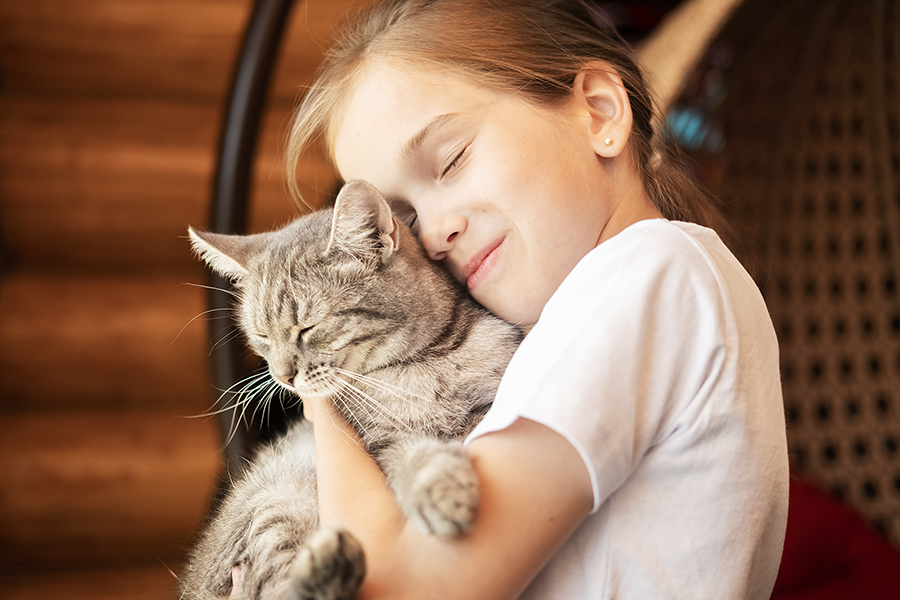
Have you ever wondered if petting your cat does more than just make her purr? You might think it’s simply a way to show affection, but what if it actually helps keep her healthy?
Understanding how your touch affects your furry friend can change the way you bond every day. Keep reading to discover surprising benefits that petting your cat can bring to her health—and why your gentle strokes might be one of the best things you do for her well-being.
Physical Benefits For Cats
Petting your cat does more than just strengthen your bond—it offers real physical benefits that contribute to her overall well-being. Gentle strokes can soothe her body, helping to keep her healthy and comfortable. Let’s look at some specific ways your touch supports her physical health.
Stress Reduction And Relaxation
When you pet your cat, her body releases calming hormones like oxytocin. This helps lower her stress levels and promotes a sense of peace.
You might notice her purring or kneading during petting—these are signs she’s relaxed. Reduced stress can boost her immune system and help prevent illness.
Improved Circulation
Petting stimulates blood flow beneath your cat’s skin. This increased circulation delivers oxygen and nutrients to her muscles and organs.
Improved circulation can support healthier fur and skin, reducing dryness or irritation. Have you ever seen your cat stretch contentedly during a petting session? That’s her body responding to better blood flow.
Pain Relief And Healing
Gentle petting can ease minor aches and pains by triggering the release of natural painkillers like endorphins. This is especially helpful for older cats or those recovering from injury.
Touch also encourages faster healing by boosting circulation and reducing tension in sore muscles. Next time your cat looks uncomfortable, try petting her gently—it might help more than you expect.

Credit: www.petscare.com
Emotional Benefits For Cats
Petting your cat offers more than just physical comfort. It brings important emotional benefits that help your cat feel happy and secure. These moments of touch create a positive environment where your cat can thrive emotionally.
Strengthening The Bond
Petting helps build trust between you and your cat. Gentle strokes show your cat you care. This trust deepens your connection and makes your cat feel safe. A strong bond leads to a happier and more relaxed pet.
Boosting Confidence
Regular petting can make shy cats braver. It teaches them that humans are friendly. This support builds their self-esteem. Confident cats explore more and enjoy new experiences. Petting helps them feel secure in their space.
Reducing Anxiety
Touch has a calming effect on cats. Petting lowers their stress levels and soothes nerves. It can stop nervous behaviors like scratching or hiding. A calm cat enjoys life more and feels less worried. Your gentle touch acts like a safe hug.
Behavioral Improvements
Petting your cat can lead to noticeable behavioral improvements. It builds trust and strengthens your bond. Cats feel calmer and more secure with gentle touch. These benefits affect their actions and mood daily.
Encouraging Playfulness
Petting helps cats feel relaxed and happy. A calm cat is more likely to play and explore. Play keeps cats active and sharp. Gentle petting can invite your cat to engage in fun activities. It creates a positive connection between you and your pet.
Reducing Aggression
Regular petting lowers stress and anxiety in cats. Stress often causes aggressive behavior. A relaxed cat is less likely to hiss or bite. Petting teaches cats that humans are safe and kind. This reduces fear-based reactions and aggressive acts.
Promoting Socialization
Petting makes cats more comfortable around people. Social cats enjoy being near humans and other pets. Touch helps shy cats come out of their shell. It encourages friendly behavior and trust. Socialization improves a cat’s overall happiness and well-being.
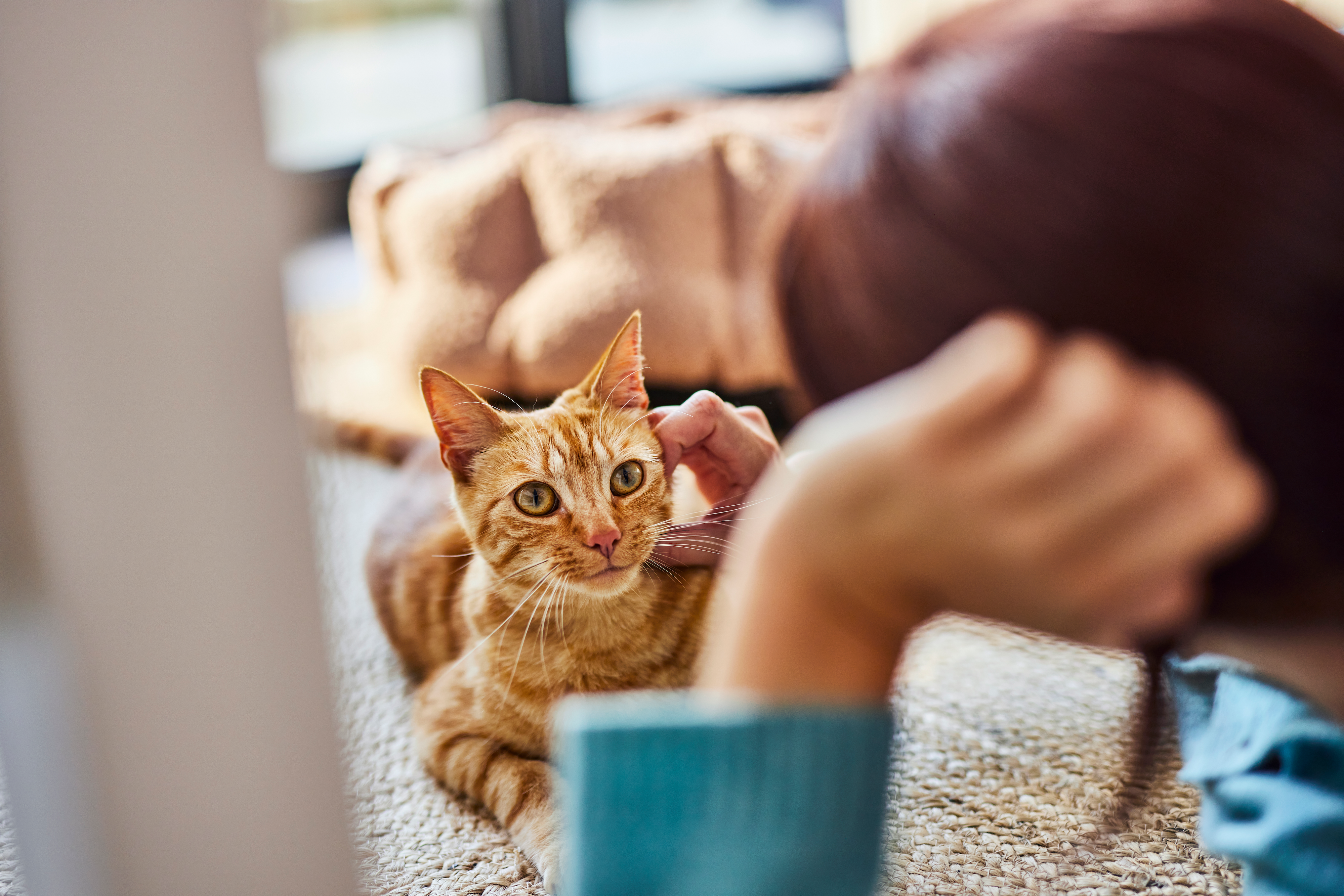
Credit: applaws.com
How To Pet Your Cat Correctly
Caring for a cat involves more than food and shelter. Petting your cat correctly can contribute to her well-being. It strengthens your bond and boosts her happiness. Petting must be done thoughtfully to ensure her comfort and pleasure.
Recognizing Preferred Areas
Cats enjoy being petted in specific spots. The head, chin, and neck are often favorites. Start with gentle strokes around these areas. Use your fingertips for a soft touch. Avoid petting her belly unless she trusts you completely. Many cats dislike belly rubs and may react negatively. Observe her response to your touch.
Reading Cat’s Body Language
Understanding your cat’s body language is crucial. A relaxed tail and purring indicate contentment. If her ears flatten or she swats, stop immediately. Watch for dilated pupils or twitching tails. These signs mean she might be overstimulated. Adjust your approach based on her reactions. Every cat is unique in communication.
Timing And Duration Tips
Keep petting sessions brief and enjoyable. Short, frequent sessions work best. Notice her attention span and mood. Choose quiet times when she’s calm. Avoid petting during play or meal times. Respect her boundaries and let her guide you. Over-petting can lead to stress or irritation. A few minutes of quality petting is often enough.
When Petting Might Not Help
Petting your cat often feels like a simple way to show love and help her relax. But sometimes, what seems like a kind gesture might not be beneficial and could even cause stress or discomfort. Understanding when petting might not help is crucial for your cat’s well-being and your relationship with her.
Signs Of Overstimulation
Have you ever noticed your cat suddenly swatting at your hand or flicking her tail sharply while you pet her? These are common signs of overstimulation. Cats can enjoy petting, but too much or in the wrong spots can make them uncomfortable.
- Rapid tail flicks or twitching
- Sudden biting or swatting
- Flattened ears or dilated pupils
Pay attention to these signals. They show your cat needs a break or that she prefers a different kind of touch.
Health Conditions To Watch
Sometimes your cat might not want to be petted because she is in pain or feeling unwell. Conditions like arthritis, skin infections, or wounds can make petting uncomfortable or even painful.
If your cat suddenly avoids touch or reacts negatively, consider if she might be hurting. Cats are good at hiding pain, so changes in behavior during petting could be an early warning.
Consulting A Veterinarian
If you notice your cat’s dislike for petting is new or accompanied by other unusual behaviors, it’s time to consult a veterinarian. A vet can check for underlying health issues that may cause discomfort during petting.
Don’t wait until the problem worsens. Your cat’s well-being depends on your awareness and timely action. How often do you check in with your cat’s comfort during petting sessions?
Scientific Studies On Cat Petting
Scientific studies on cat petting reveal interesting effects on feline health. Researchers explore how touch influences stress, behavior, and overall well-being in cats. These studies help us understand why petting matters for our furry friends.
Research On Stress Hormones
Petting can lower stress hormones like cortisol in cats. Scientists measured cortisol levels before and after petting sessions. Results showed a clear drop in stress markers. Gentle stroking calms cats and reduces anxiety. Lower stress improves immune function and health over time.
Impact On Cat Behavior
Petting affects how cats act around humans and other animals. Cats that receive regular petting tend to be more social and relaxed. They show less aggression and fear in stressful situations. Positive touch builds trust and strengthens bonds between cats and owners.
Comparisons With Other Pets
Studies compare petting effects on cats with dogs and other animals. Cats respond differently but still enjoy affectionate touch. Unlike dogs, cats prefer shorter, gentler strokes. Each species has unique needs for physical contact to stay healthy.

Credit: www.justfur-babies.com
Frequently Asked Questions
Does Petting Reduce My Cat’s Stress Levels?
Petting helps lower a cat’s stress by releasing calming hormones. It creates a sense of safety and trust. Regular gentle petting can improve your cat’s overall mood and reduce anxiety.
Can Petting Improve My Cat’s Immune System?
Yes, petting promotes relaxation and reduces stress hormones. Lower stress supports a stronger immune system. This helps your cat fight off illnesses more effectively.
How Often Should I Pet My Cat For Health Benefits?
Pet your cat daily with gentle strokes for at least 10 minutes. Consistent petting strengthens your bond and supports emotional well-being. Avoid over-petting to prevent irritation.
Does Petting Help With My Cat’s Social Behavior?
Petting encourages positive social interaction and trust between you and your cat. It helps shy or anxious cats feel more comfortable and secure. This improves their social skills over time.
Conclusion
Petting your cat helps her feel calm and loved. It can lower her stress and keep her heart healthy. Gentle touch builds trust and makes your bond stronger. Cats enjoy quiet moments with soft strokes. Regular petting also helps you notice any health changes early.
Simple acts like petting bring comfort and happiness to your cat. So, spend time stroking her fur every day. It’s good for her body and mind. Small efforts lead to a happier, healthier cat.



Leave a Reply