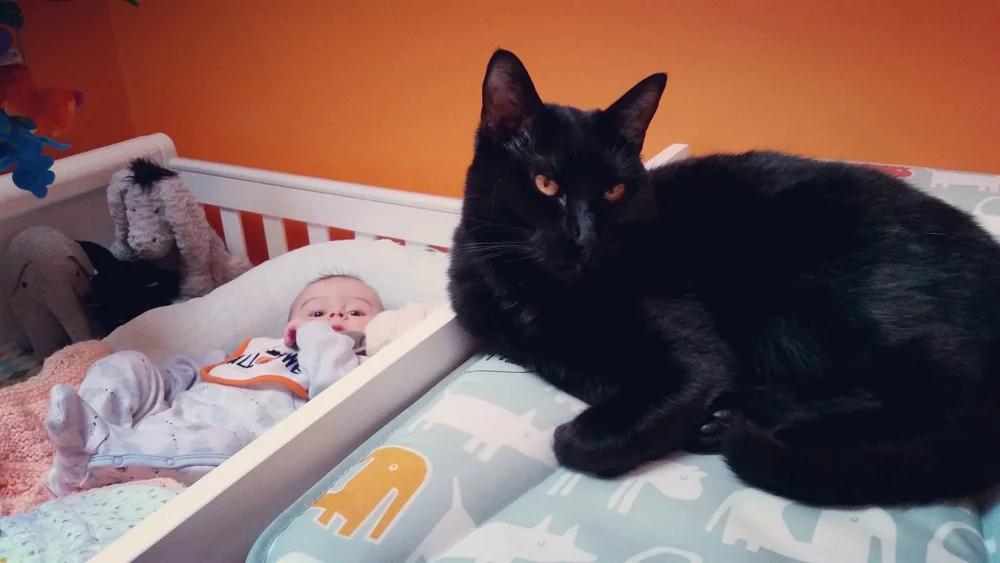
Are you worried that having a cat around your baby might harm their health? You’re not alone.
Many parents ask, “Are cats bad for babies? ” It’s a common concern because you want to keep your little one safe and healthy. But the truth might surprise you. Understanding how cats and babies interact can help you make the best choice for your family.
Keep reading to discover what you need to know to protect your baby while enjoying the love of a furry friend.
Cats And Baby Health Risks
Introducing a cat into a home with a baby raises questions about safety and health. Parents worry about risks to their newborns. Understanding these risks helps in making smart decisions. Cats are common pets, but they can carry health concerns for babies. Knowing what to watch for is key to protecting your child.
Common Concerns Parents Have
- Scratches or bites causing infections
- Cat hair causing breathing problems
- Cat behavior around a fragile baby
- Hygiene issues with litter boxes
Many parents fear their baby might get hurt by a cat’s claws or teeth. Some worry about germs from cat fur. Cats can be curious, sometimes too much around infants. Litter boxes can hold harmful bacteria or parasites. These worries are valid and need addressing.
Potential Allergies Linked To Cats
Cat allergies are common and can affect babies. Symptoms include sneezing, coughing, and skin rashes. Allergic reactions might make babies uncomfortable or sick. Early exposure to cats may increase allergy risk in sensitive children. Watch for signs like red eyes or runny nose.
Zoonotic Diseases To Watch For
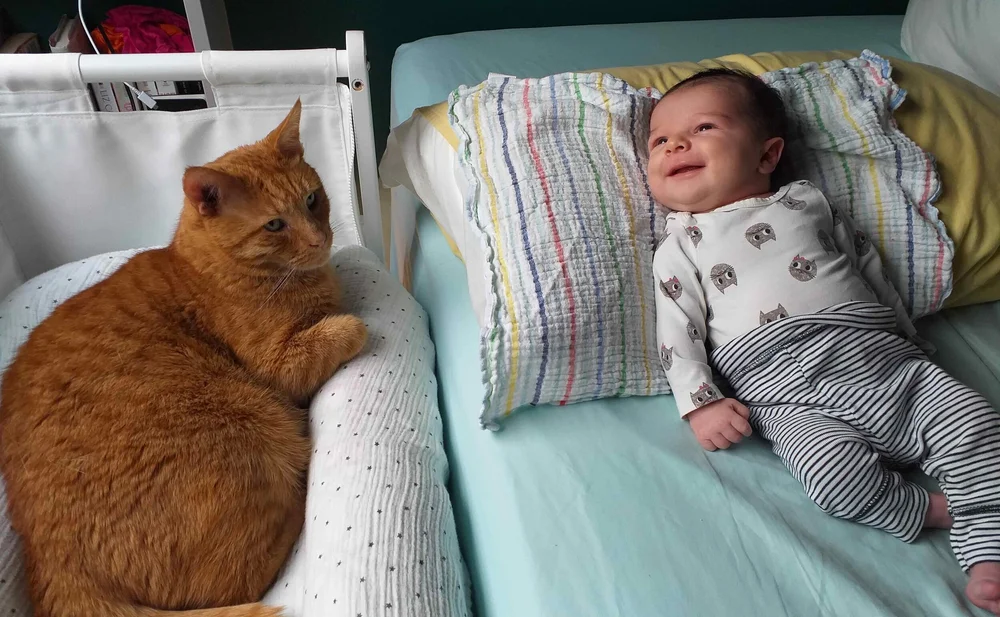
Some diseases can pass from cats to babies. Toxoplasmosis is one such illness, spread through cat feces. It can harm unborn babies or newborns with weak immune systems. Ringworm is a skin infection that spreads from cats to humans. Cat scratch disease comes from bites or scratches. Keeping cats clean and monitoring baby contact reduces these risks.
Credit: www.catcuddles.org.uk
Toxoplasmosis And Its Impact
Toxoplasmosis is a parasitic infection that often raises concerns among parents of newborns. Many wonder if having a cat around could pose health risks to their babies. Understanding how this infection spreads and its impact on infants can help you make informed decisions about your home environment.
How Toxoplasmosis Spreads
The parasite responsible for toxoplasmosis, Toxoplasma gondii, can be found in cat feces. When cats use litter boxes, they may shed the parasite in their waste. If you accidentally come into contact with contaminated soil, litter, or surfaces and then touch your baby or their items, the infection can spread.
Raw or undercooked meat and unwashed fruits and vegetables are other common sources. Even garden soil can harbor the parasite, so washing hands after outdoor activities is essential.
Symptoms In Babies
Babies infected with toxoplasmosis may not show symptoms right away. When symptoms appear, they can include fever, swollen lymph nodes, and a rash. In severe cases, the infection might cause vision problems, seizures, or developmental delays.
Because these signs can be subtle or mistaken for other illnesses, it’s important to consult a pediatrician if you suspect exposure. Early diagnosis can prevent long-term complications.
Preventing Infection
- Always wash your hands thoroughly after handling cat litter or soil.
- Keep your baby away from areas where cats may defecate.
- Change the cat litter daily, as the parasite becomes infectious only after one to five days.
- Cook meat thoroughly and wash all fruits and vegetables before consumption.
- Consider having someone else clean the litter box during pregnancy and early infancy stages.
By taking these steps, you can protect your baby without having to part with your beloved pet. Have you found ways to keep your home safe while living with cats? Your experiences might help others in the same situation.
Allergy Development In Infants
Allergy development in infants is a common concern for parents with cats at home. Babies’ immune systems are still growing and can react differently to allergens. Cat dander, saliva, and fur can trigger allergic reactions in some infants. Understanding how allergies develop helps parents keep babies safe and comfortable.
Early Exposure Effects
Early exposure to cats may influence a baby’s allergy risk. Some studies suggest mild exposure might reduce allergy chances. Others show it can increase sensitivity, especially in families with a history of allergies. Every baby reacts uniquely. The timing and amount of exposure matter. Regular cleaning can reduce allergens in the home.
Signs Of Cat Allergies
Recognizing cat allergy signs in infants is important. Common symptoms include:
- Frequent sneezing
- Runny or stuffy nose
- Red, itchy, or watery eyes
- Coughing or wheezing
- Skin rashes or hives
These symptoms may appear shortly after contact with cats. Persistent signs require medical advice. Early detection helps manage allergies effectively.
Managing Allergies At Home
Managing cat allergies involves simple steps to reduce exposure. Try these tips:
- Keep cats out of the baby’s bedroom
- Use air purifiers to clean indoor air
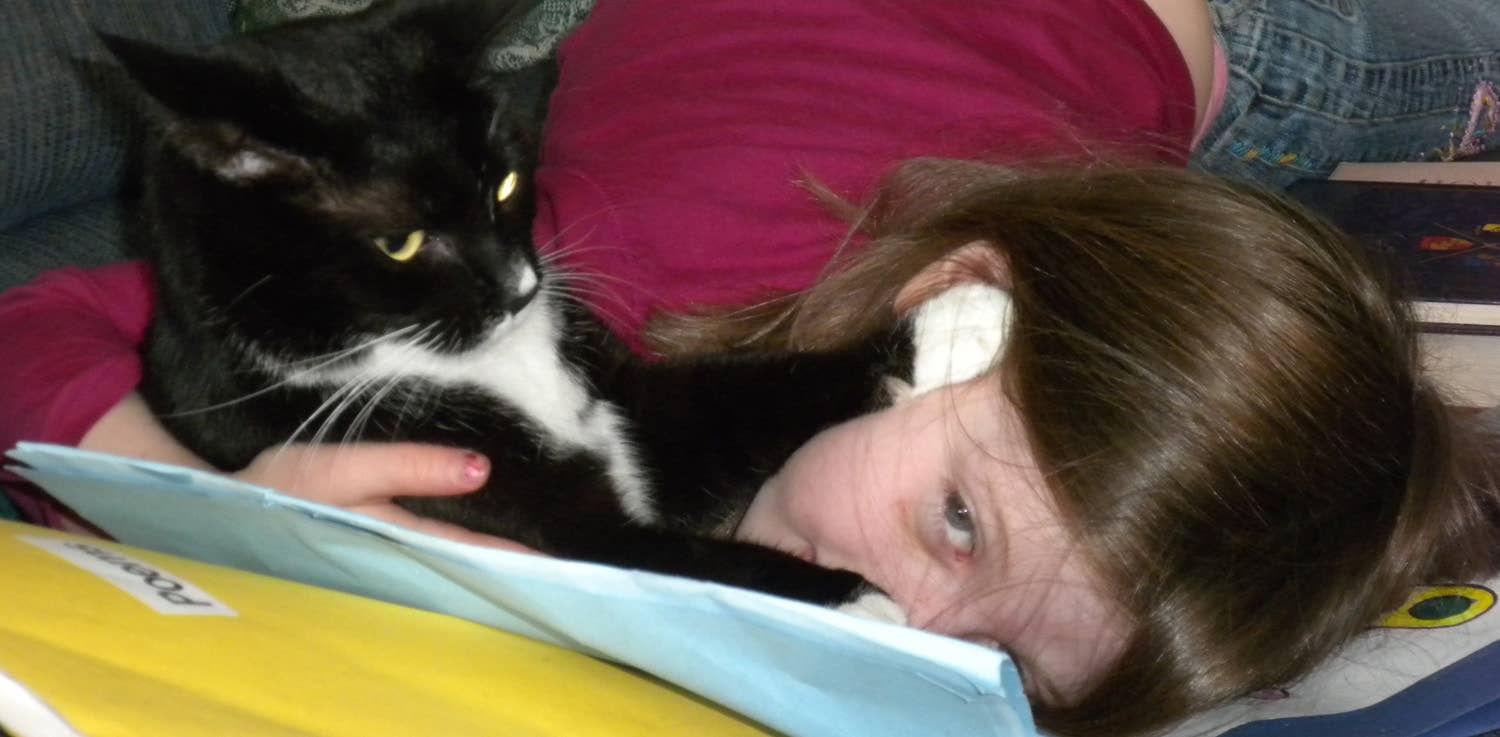
- Wash hands and clothes after petting cats
- Regularly vacuum and dust the home
- Bathe cats to lower dander levels
Consult a doctor for allergy testing and treatment options. These actions create a safer environment for infants.
Credit: pethelpful.com
Safe Interaction Tips
Safe interaction between babies and cats helps keep both healthy and happy. Following simple tips makes their time together pleasant. These steps protect your baby from germs and prevent accidents. Creating a calm environment builds trust and comfort for the cat as well.
Hygiene Practices For Families
Wash your hands after touching the cat or its items. Keep the cat’s litter box clean and away from baby areas. Regularly groom and check the cat for fleas or ticks. Use pet-safe cleaning products to avoid harmful chemicals. Teach family members to avoid face-to-face contact between baby and cat.
Supervising Baby And Cat Play
Always watch your baby and cat during playtime. Stop any rough or sudden movements from either side. Use soft toys to engage the cat, not the baby’s hands. Let the cat leave the area if it seems stressed. Never leave the baby alone with the cat, even for a moment.
Creating A Safe Environment
Set up separate spaces for your cat and baby. Use baby gates or playpens to limit access. Provide cozy spots for the cat to retreat and relax. Remove small objects that both baby and cat could swallow. Keep cat food and water bowls out of the baby’s reach.
Benefits Of Having Cats Around
Cats bring more than just companionship into a home with babies. They offer unique benefits that support a child’s growth and well-being. Their presence can nurture emotional health, boost immunity, and teach kindness toward animals early in life.
Emotional Support And Bonding
Cats provide gentle comfort and calm to babies and toddlers. Their soft purring and slow movements soothe children. This creates a peaceful environment where babies feel safe and loved. The bond formed helps children develop trust and empathy. Watching and interacting with a cat builds social skills even at a young age.
Immune System Advantages
Exposure to cats can strengthen a baby’s immune system. Early contact with pets lowers the risk of allergies and asthma. Cats introduce harmless germs that help the body learn to fight real threats. This natural immune boost reduces chances of infections later in childhood. Growing up around cats supports healthier immune responses.
Building Early Animal Affection
Having a cat teaches babies to care for others gently. They learn kindness by watching adults treat pets with love. This early affection lays the foundation for respect toward all animals. It encourages responsibility and compassion as children grow. Loving a cat helps babies become nurturing and thoughtful individuals.
When To Seek Medical Advice
Seek medical advice if your baby shows signs of allergies or respiratory problems after contact with a cat. Persistent symptoms like coughing, sneezing, or skin rashes need prompt attention from a healthcare professional. Early care helps protect your baby’s health around pets.
When babies and cats share a home, health concerns may arise. Some symptoms in babies could suggest a problem. Parents should know the signs and when to seek medical advice. This guide will help identify warning signs and when to consult a pediatrician.Warning Signs In Babies
Watch for frequent sneezing or coughing in your baby. Check for rashes or red, itchy eyes. If your baby has trouble breathing, act quickly. These signs may suggest an allergy or other issue.Consulting Pediatricians
Pediatricians can offer guidance on babies and cats coexisting. They can assess if symptoms are linked to the cat. They may recommend lifestyle changes to protect your baby’s health.Allergy Testing Options
Testing can confirm if your baby is allergic to cats. Blood or skin tests are common. These tests provide clear results. Knowing the cause helps in managing your baby’s health.
Credit: www.ultima-affinity.com
Frequently Asked Questions
Are Cats Harmful To Babies’ Health?
Cats are generally safe around babies with proper hygiene. Regular cleaning and avoiding cat litter near babies reduce health risks. Monitor interactions to prevent scratches or allergies.
Can Cats Cause Allergies In Infants?
Yes, cats can trigger allergies in some infants. Symptoms include sneezing, coughing, or skin rashes. Consult a pediatrician if your baby shows allergic reactions.
How To Keep Babies Safe Around Cats?
Always supervise baby-cat interactions. Keep cat litter and feeding areas away from babies. Wash hands after touching cats to minimize infection risks.
Do Cats Transmit Diseases To Babies?
Cats can carry parasites or bacteria, but risks are low with good hygiene. Regular vet checkups and vaccinations reduce disease transmission chances.
Conclusion
Cats can live safely with babies when cared for well. Regular cleaning and vet visits keep cats healthy and reduce risks. Teaching gentle behavior helps protect both baby and cat. Many families enjoy pets without health problems. Trust your instincts and talk to your doctor if unsure.
A happy home includes safety for all members, furry or tiny. Balance love, care, and caution for best results. A calm, clean space helps babies grow strong and safe.



Leave a Reply