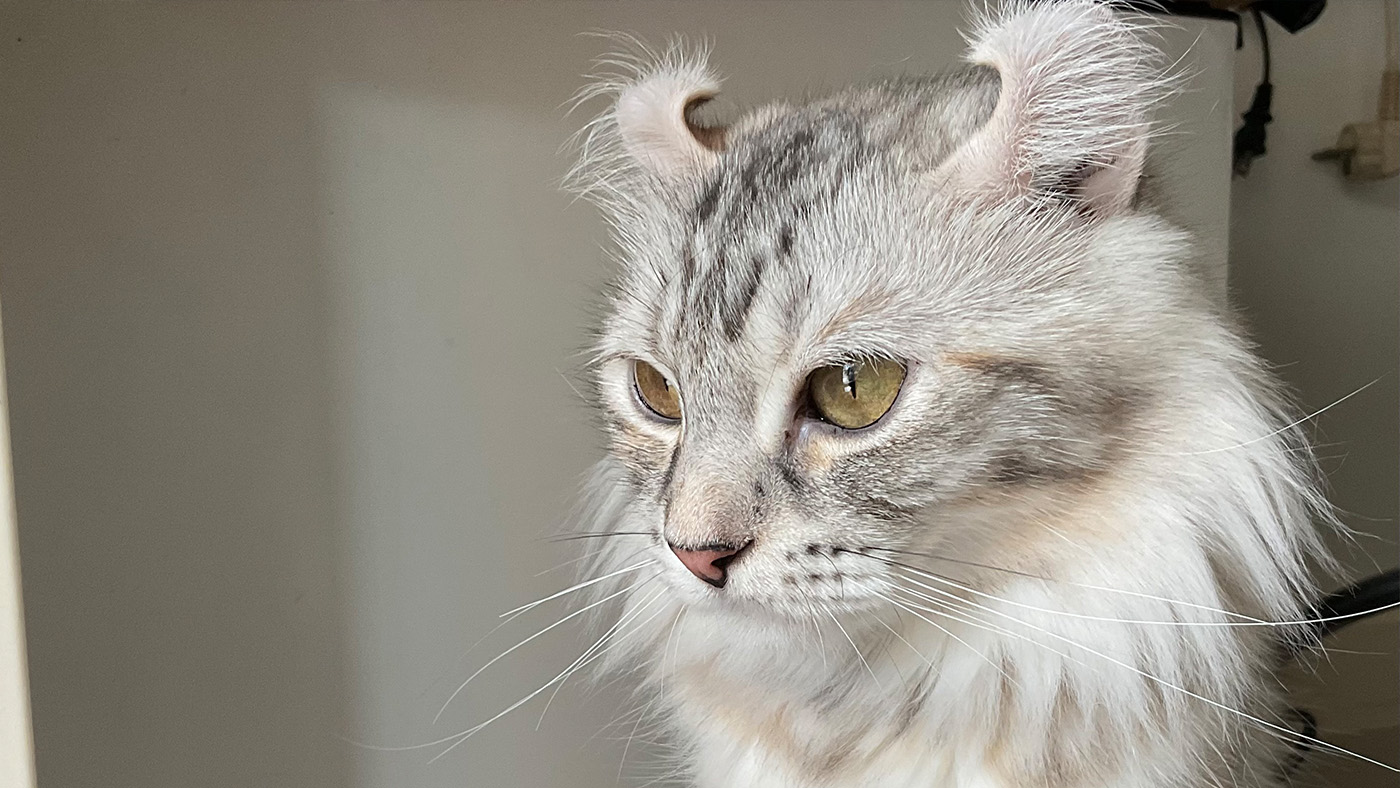
Have you ever noticed a cat with those striking tufts of hair growing from the tips of their ears and wondered which breeds have this unique feature? Long ear hair isn’t just adorable—it can tell you a lot about a cat’s personality and origins.
If you’re curious about these fascinating feline traits and want to discover which cats wear these elegant ear tufts proudly, you’re in the right place. Keep reading to find out which cat breeds have long ear hair and why this little detail makes them so special.
Cat Ear Hair Basics
Cat ear hair plays a key role in a cat’s daily life and health. These hairs vary greatly among breeds. Understanding their purpose helps us appreciate why some cats have long ear hair. This section explores the basics of cat ear hair.
Purpose Of Ear Hair
Ear hair protects cats from dirt and debris. It acts as a natural filter, keeping the ear canal clean. The hair also helps shield ears from cold and moisture. In some cases, it enhances a cat’s hearing by reducing wind noise. These hairs add an extra layer of defense for delicate ear tissues.
Variation Among Breeds
Different cat breeds show distinct ear hair lengths and thickness. Some breeds have very long tufts that extend beyond the ear tips. Others have short or almost no visible ear hair. This variation depends on genetics and the cat’s natural habitat. Cats from colder regions tend to have denser ear hair to protect against harsh weather.
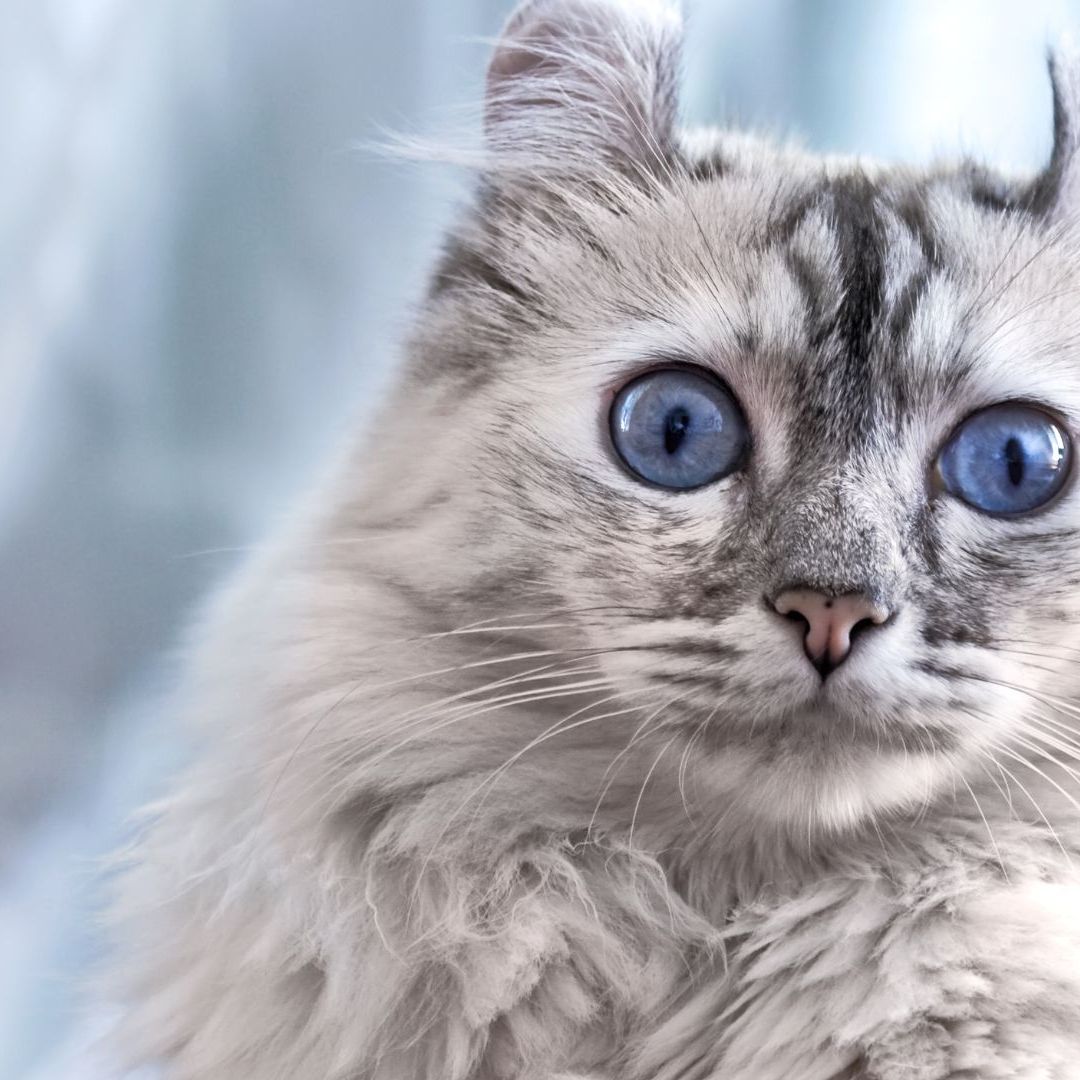
Credit: www.petsradar.com
Long Ear Hair Traits
Long ear hair is a fascinating trait found in some cat breeds. This feature not only adds to their unique appearance but also serves practical functions. Understanding what makes long ear hair special can help you appreciate these cats even more.
Characteristics To Look For
When spotting cats with long ear hair, focus on the length and texture. The hair often extends beyond the ear tips, sometimes in wispy tufts or thick strands. These hairs are usually soft but can be quite dense, giving the ears a fluffy or feathered look.
Another key trait is how the ear hair blends with the cat’s overall fur. In some breeds, it matches the coat’s color and length, while in others, it stands out as a distinct feature. You might notice that long ear hair moves gently when the cat twitches its ears, adding to their expressive nature.
Benefits Of Long Ear Hair
Long ear hair isn’t just for show—it serves several useful purposes. It helps protect the sensitive ear canal from dust, debris, and insects. This natural barrier can reduce ear infections and keep your cat more comfortable in various environments.
Additionally, the ear hair can improve a cat’s hearing by funneling sounds toward the ear canal. Some cat owners notice that their pets with long ear hair seem more alert to quiet noises. Have you ever observed how your cat’s ear hair reacts when they focus on a sound?
Finally, long ear hair can be a signal in social interactions with other cats. It may communicate mood or intentions, especially when the hairs are raised or flattened. Paying attention to these subtle cues can deepen your connection with your feline friend.
Top Breeds With Fluffy Ear Hair
Many cat breeds boast unique features, but fluffy ear hair stands out. This charming trait adds character and appeal. Discover the top breeds known for their luxurious ear tufts. These cats capture hearts with their endearing features.
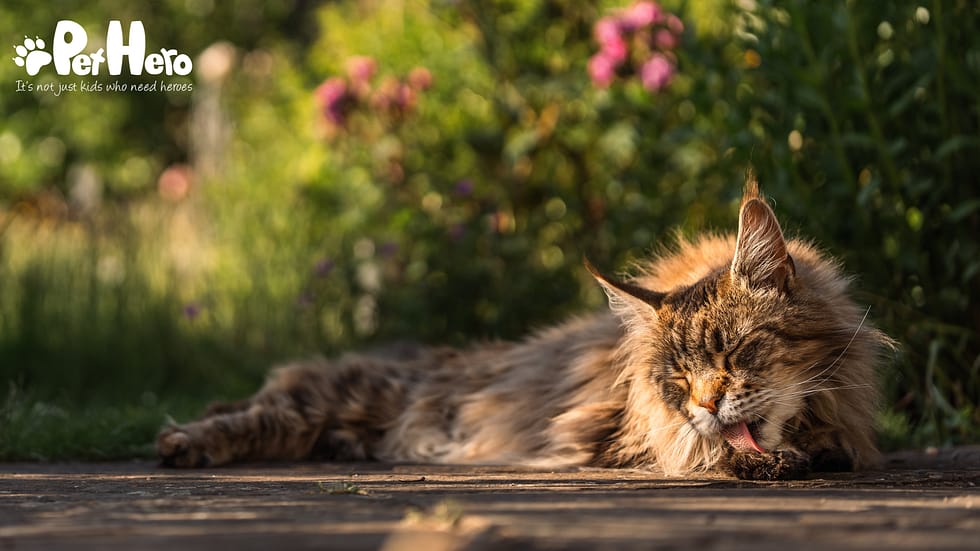
Maine Coon
The Maine Coon is famous for its bushy tail and large size. They have distinct ear tufts that add to their majestic appearance. These tufts help keep their ears warm in colder climates. Maine Coons are friendly and sociable, making them popular pets.
Norwegian Forest Cat
The Norwegian Forest Cat is adapted to cold weather. Their ear hair is thick and long, aiding in warmth and protection. Known as “Wegies,” they have a playful yet gentle nature. Their robust build and fluffy ears make them stand out.
Siberian Cat
Siberian Cats are renowned for their fluffy coats and ear tufts. These ear tufts are not just for show; they serve a practical purpose. They protect against the harsh Siberian climate. Siberians are affectionate, loyal, and great companions.
Turkish Van
The Turkish Van is a unique breed with striking features. They have long ear hair that complements their semi-long coats. This breed is known for its love of water. Turkish Vans are energetic and enjoy playtime with their families.
Scottish Fold
Scottish Folds are adored for their distinctive folded ears. While their ear hair is less pronounced, it adds charm. Their sweet disposition and round face endear them to many. Scottish Folds are calm and adapt well to various environments.
Credit: pethero.co.za
Care Tips For Long Ear Hair Cats
Long ear hair in cats adds a unique charm, but it also requires special care. If your feline friend has this distinctive feature, understanding how to groom and maintain their ear health is essential. You’ll find that a little attention goes a long way in keeping their ears comfortable and clean.
Grooming Techniques
Grooming long ear hair needs patience and gentle handling. Use a soft brush or a fine-toothed comb to carefully detangle any knots. Regular grooming sessions, ideally twice a week, prevent hair mats that can irritate your cat’s ears.
Trimming excess hair around the ear canal can also help improve airflow and reduce the chance of infections. If you’re unsure about trimming, ask your vet or a professional groomer for a demonstration. Always reward your cat after grooming to make the experience positive.
Ear Health Maintenance
Long ear hair can sometimes trap dirt and moisture, creating an environment for infections. Check your cat’s ears weekly for redness, unusual odor, or discharge. These signs could indicate an ear infection that needs prompt attention.
Cleaning the ears with a vet-approved solution keeps them fresh and prevents buildup. Use a cotton ball or soft cloth—never insert anything deep into the ear canal. How often you clean depends on your cat’s specific needs, but once every two weeks is a good starting point.
Have you noticed your cat scratching their ears more than usual? This might be a signal to inspect their ear hair closely and act quickly. Proper care ensures your cat’s long ear hair stays a beautiful trait, not a source of discomfort.
Choosing The Right Fluffy Ear Cat
Choosing a cat with long ear hair means more than just admiring their fluffy appearance. You want a companion whose personality fits your lifestyle and whose needs match your home environment. Picking the right fluffy ear cat ensures a happy, lasting relationship for both of you.
Personality And Temperament
Long ear hair often comes with specific breeds known for unique temperaments. Some fluffy-eared cats are playful and outgoing, while others prefer quiet and cozy moments. Think about how much interaction you want—do you enjoy a lively, energetic pet or a calm, independent friend?
For example, the Maine Coon with its long ear tufts is friendly and social, loving attention and playtime. On the other hand, the Norwegian Forest Cat can be more reserved but still affectionate. Matching personality to your daily routine helps avoid frustration for both you and your cat.
Living Environment Considerations
Your home size and setup impact which fluffy ear cat fits best. Larger breeds with long ear hair often need more space to roam and play. If you live in an apartment, consider a breed that adapts well to smaller spaces and less activity.
Long ear hair means extra grooming, too. Do you have time to brush and check their ears regularly? Cats like the Turkish Van may require more maintenance to prevent tangles and ear issues. Think about your schedule and willingness to care for their unique needs.
- Do you have other pets that might affect your cat’s behavior?
- Is your home quiet or noisy, calm or bustling?
- How much time can you dedicate daily to grooming and play?
Answering these questions helps you find a fluffy ear cat that fits your lifestyle perfectly. What kind of daily routine do you want your new feline friend to fit into?
Credit: www.rd.com
Frequently Asked Questions
Which Cat Breeds Have Long Ear Hair?
Breeds like the Turkish Van, Maine Coon, and Norwegian Forest Cat commonly have long ear hair. This feature helps protect their ears in cold climates. Long ear hair adds to their unique appearance and requires regular grooming to prevent tangles and debris buildup.
Why Do Some Cats Have Long Hair On Ears?
Long ear hair in cats provides extra warmth and protection. It helps shield the ear canal from dirt, insects, and cold weather. This trait is often seen in breeds originating from colder regions, aiding their survival and comfort.
How To Care For Cats With Long Ear Hair?
Regular grooming is essential for cats with long ear hair. Use a soft brush to gently remove tangles and debris. Check ears frequently for dirt or infections, and consult a vet if you notice redness or odor. Proper care keeps ear hair healthy and clean.
Do Long Ear Hairs Affect A Cat’s Hearing?
Long ear hairs do not negatively affect a cat’s hearing. They serve as protection without blocking sound waves. Cats rely mainly on their ear shape and mobility to capture sounds, so long ear hair is mostly cosmetic and protective.
Conclusion
Cats with long ear hair bring charm and uniqueness to any home. Breeds like the Maine Coon and Persian show off this special trait beautifully. Their long ear hair helps protect their ears and adds to their fluffy look. Knowing which breeds have this feature can help you choose the right cat for you.
Each cat is special in its own way, with ear hair just one of many interesting details. Enjoy learning about these wonderful cats and their lovely long ear hair.


Leave a Reply