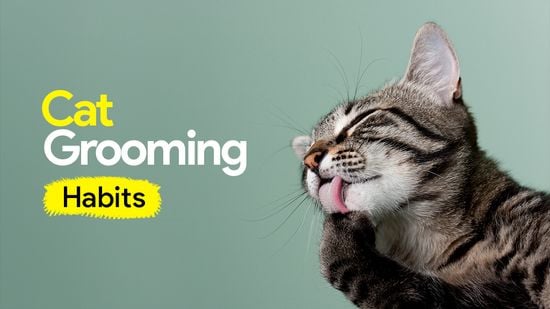
Are you wondering what vaccinations your cat really needs? Or maybe you’re unsure if grooming is part of keeping your furry friend healthy.
Taking care of your cat isn’t just about feeding and playing—it’s about making sure they stay safe and happy every day. You’ll discover exactly which vaccines are essential and why grooming matters more than you might think. Keep reading to give your cat the best care possible!
Credit: www.catcarehospital.com
Core Vaccines For Cats
Core vaccines protect your cat from serious and often deadly diseases. These vaccines are essential regardless of your cat’s lifestyle or age. Understanding what each vaccine guards against helps you make informed decisions about your cat’s health.
Feline Panleukopenia
Feline Panleukopenia, also called feline distemper, is a highly contagious viral disease. It attacks your cat’s immune system and can cause severe dehydration, vomiting, and even death. Vaccinating your cat against this virus is crucial, especially since it spreads easily in environments with multiple cats.
Feline Herpesvirus
This virus causes feline viral rhinotracheitis, a common respiratory infection in cats. Symptoms include sneezing, eye discharge, and nasal congestion. The vaccine helps reduce the severity of these symptoms and lowers the chance your cat will spread the virus to others.
Feline Calicivirus
Feline Calicivirus is another cause of respiratory illness in cats. It often leads to mouth ulcers, which can be very painful for your cat. Vaccination helps keep your cat comfortable and prevents outbreaks in places where many cats gather.
Rabies Vaccine
Rabies is a fatal virus that can affect both cats and humans. Even indoor cats need this vaccine because rabies spreads through bites from infected animals. Many areas legally require rabies vaccination, so protecting your cat also means protecting your family and community.

Credit: services.petsmart.com
Non-core Vaccines To Consider
Non-core vaccines protect cats from diseases based on their lifestyle and risks. These vaccines are not needed for every cat. Your vet will help decide which ones suit your cat best. Consider factors like outdoor access and contact with other cats.
Feline Leukemia Virus
Feline Leukemia Virus (FeLV) spreads through close contact, grooming, and shared food bowls. This virus weakens a cat’s immune system. It can cause cancer and other serious illnesses. Cats that go outdoors or live with other cats should get this vaccine.
Chlamydia
Chlamydia is a bacterial infection affecting the eyes and respiratory system. It can cause redness, discharge, and sneezing. Cats in shelters or crowded places face higher risk. Vaccination helps reduce outbreaks in these environments.
Bordetella
Bordetella bronchiseptica causes respiratory problems in cats. It spreads quickly in places where many cats live together. Symptoms include coughing and nasal discharge. Cats visiting boarding facilities or shows may need this vaccine.
Vaccination Schedule
Vaccination is key to keeping your cat healthy. A clear schedule helps protect against many serious diseases. Vaccines build your cat’s defense and reduce illness risks. Following the right timeline ensures the best protection.
Kitten Vaccination Timeline
Kittens need a series of vaccines starting at six weeks old. Shots happen every three to four weeks until they reach 16 weeks. Core vaccines include:
- Feline viral rhinotracheitis
- Calicivirus
- Panleukopenia
- Rabies
This schedule gives kittens strong immunity as they grow. Missing doses can leave them vulnerable.
Adult Cat Boosters
Adult cats need booster shots to keep protection strong. Boosters renew immunity as it fades over time. Your vet will recommend which vaccines to update based on health and lifestyle. Common boosters cover:
- Rabies
- Feline leukemia virus
- Other core vaccines
Frequency Of Vaccinations
Vaccination frequency depends on vaccine type and cat’s health. Core vaccines usually need boosters every one to three years. Non-core vaccines may have a different schedule. Regular vet visits help track vaccination timing. Staying on schedule means better long-term health for your cat.
Vaccination And Grooming Connection
Vaccinations and grooming are closely linked in caring for your cat’s health. Vaccines protect cats from serious diseases that affect their skin, coat, and overall well-being. Grooming sessions offer a chance to check for health problems early. This connection helps keep your cat safe and comfortable.
Why Vaccines Matter For Grooming
Vaccines protect cats from infections that can harm their skin and fur. Some diseases cause hair loss, sores, or itching. Vaccinated cats are less likely to catch these diseases. Healthy skin and coat make grooming easier and more pleasant for cats. Groomers can work more safely with cats that have up-to-date vaccinations.
Health Checks During Grooming
Grooming is more than brushing fur or trimming nails. It is a chance to spot health issues early. Groomers often notice lumps, skin problems, or parasites. These signs may indicate infections or other illnesses. Regular vaccinations reduce the risk of diseases found during grooming. Early detection helps your vet provide quicker treatment.
Preventing Disease Spread
Grooming salons can be places where germs spread easily. Cats share spaces, tools, and contact with groomers. Vaccinations lower the chance of disease outbreaks in these settings. A vaccinated cat protects itself and other animals. This keeps grooming safer for all cats involved.
Preparing Your Cat For Vaccination
Cats need specific vaccinations to stay healthy, such as rabies and feline distemper. Grooming before vaccinations helps keep your cat calm and clean for the visit. Brushing your cat also makes handling easier during the shot.
Preparing your cat for vaccination can be a smooth process. This ensures they remain healthy and protected against diseases. Cats often feel stressed about vet visits. With a few steps, you can make the experience pleasant.Calming Techniques
Create a relaxed environment at home first. Use a soothing voice and gentle petting. Consider pheromone diffusers. They help in reducing anxiety. Offer treats as positive reinforcement. This makes your cat associate the vet visit with rewards.What To Expect During The Visit
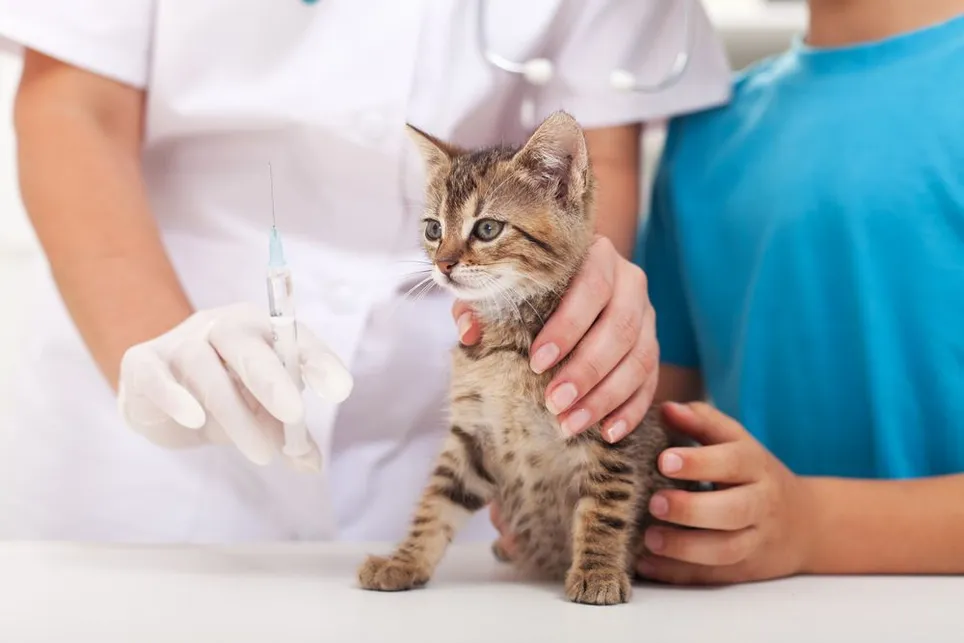
The vet will examine your cat first. They check for any health issues. Then, your cat receives the vaccination. It’s a quick process. Your vet may give advice on what vaccines your cat needs next.Post-vaccination Care
After vaccination, monitor your cat closely. Some cats may feel tired or have a mild fever. This is normal. Ensure they have a quiet place to rest. Keep food and water nearby. If any severe reactions occur, contact your vet immediately.
Credit: www.summitdogandcat.com
Common Vaccine Side Effects
Vaccines protect your cat from many serious diseases. Some cats may show mild side effects after vaccination. These reactions are usually short and go away quickly. Knowing what to expect helps you care for your cat better.
Mild Reactions
- Soreness or swelling at the injection site
- Low fever
- Reduced appetite
- Lethargy or tiredness
- Sneezing or mild coughing (if nasal vaccine given)
These symptoms often last a day or two. They show your cat’s immune system is working. Most cats recover without any treatment.
When To Contact A Vet
- Swelling grows bigger or becomes hard
- Difficulty breathing or wheezing
- Vomiting or diarrhea lasting more than 24 hours
- Severe lethargy or weakness
- Hives, itching, or facial swelling
- Continuous sneezing or coughing
These signs may mean a serious reaction. Call your vet immediately if you see any of these. Quick action can keep your cat safe.
Choosing The Right Vet For Vaccinations
Choosing the right vet for your cat’s vaccinations is very important. Vaccinations keep your cat safe from many diseases. The vet you pick should have the right skills and a good clinic. You want a place where your cat feels safe and cared for. Also, the cost of vaccinations matters. It should fit your budget without lowering the quality of care.
Vet Qualifications
A qualified vet has a veterinary degree from a recognized school. They have experience with cats and their vaccinations. Ask about their training and years of practice. A skilled vet knows the best vaccines for your cat’s age and health. They can answer your questions clearly and kindly.
Clinic Environment
The clinic should be clean and calm. A quiet place helps reduce your cat’s stress. Look for a clinic with separate areas for cats and dogs. Friendly staff who handle pets gently make visits easier. Good clinics use safe and sterile equipment for vaccinations.
Cost Considerations
Vaccination costs vary by clinic and location. Ask for a price list before the appointment. Some clinics offer vaccination packages or discounts. Choose a vet with fair prices and no hidden fees. Remember, cheaper is not always better for your cat’s health.
Frequently Asked Questions
What Vaccinations Are Essential For A Cat’s Grooming Visit?
Core vaccines like rabies, FVRCP, and feline leukemia are vital before grooming. They protect cats from common diseases and keep grooming environments safe.
Why Vaccinate Cats Before Professional Grooming?
Vaccinations prevent disease spread in close-contact grooming settings. Healthy cats reduce risks to other pets and groomers, ensuring a safe experience for all.
How Often Should Cats Get Vaccinated For Grooming?
Cats typically need booster shots annually or triennially, depending on the vaccine. Regular vaccination keeps their immunity strong for safe grooming sessions.
Can Unvaccinated Cats Be Groomed Safely?
Unvaccinated cats risk catching and spreading infections during grooming. Most groomers require up-to-date vaccinations to protect all animals and staff involved.
Conclusion
Cats need vaccines to stay healthy and avoid serious diseases. Grooming helps keep their fur clean and skin healthy. Regular vet visits can track vaccine schedules and grooming needs. Protect your cat with proper care and attention. Happy, healthy cats live longer and feel better.
Simple steps make a big difference for your pet. Keep your cat safe with vaccines and grooming. Small efforts show great love and care.

Leave a Reply