Have you noticed your cat struggling to groom itself lately? It can be worrying when your furry friend isn’t keeping clean like they used to.
Grooming is more than just about looking good—it’s a key part of your cat’s health and happiness. If your cat isn’t grooming, it could mean something is wrong. You’ll discover the common reasons behind this behavior and what you can do to help your cat feel better.
Keep reading to understand why your cat can’t groom and how you can support their wellbeing.
Credit: www.purina.com
Common Grooming Issues
Cats are usually great groomers. They keep their fur clean and neat. Sometimes, they stop grooming or have trouble doing it. This can worry pet owners. Understanding common grooming issues helps identify the cause. It also guides proper care for your cat.
Physical Limitations
Some cats have trouble grooming due to body changes. Older cats often have stiff joints or arthritis. This makes reaching certain spots hard. Overweight cats may struggle to bend and clean well. Injuries or surgery can limit movement too. These physical limits reduce grooming ability.
Health Problems
Health issues can affect a cat’s grooming habits. Skin infections or parasites cause itching and pain. Cats may avoid grooming sore areas. Dental problems make licking uncomfortable. Illnesses like diabetes or kidney disease reduce energy. Low energy means less grooming and a messy coat.
Behavioral Causes
Sometimes, grooming changes come from behavior. Stress or anxiety can stop cats from cleaning. Changes at home or new pets cause stress. Cats may stop grooming to show discomfort. Depression and boredom also affect grooming habits. Understanding behavior helps improve your cat’s care.
Credit: www.pumpkin.care
Signs Your Cat Needs Help
Recognizing the signs that your cat needs grooming help is crucial for their health and comfort. Cats are usually excellent self-groomers, but when you notice changes in their coat or behavior, it’s time to pay attention. Ignoring these signals can lead to discomfort and even health problems.
Mattes And Tangles
Mattes and tangles are clear signs your cat is struggling to groom properly. These knots can trap dirt and moisture, causing skin irritation or infections. If you feel thick clumps in your cat’s fur that they avoid or seem painful when touched, they likely need your assistance.
Have you ever tried brushing a cat who resists? Sometimes, pain or stiffness stops them from grooming themselves fully. Helping with gentle brushing can make a big difference to their comfort.
Unpleasant Odors
Foul smells coming from your cat’s coat or skin can indicate poor grooming or underlying health issues. Cats usually keep themselves clean, so a persistent odor suggests they can’t reach certain areas or are experiencing medical problems. Pay close attention if the smell doesn’t go away after a bath or brushing.
Could this odor be a warning sign you shouldn’t ignore? Sometimes infections or dental problems cause bad smells that need a vet’s attention.
Excessive Shedding
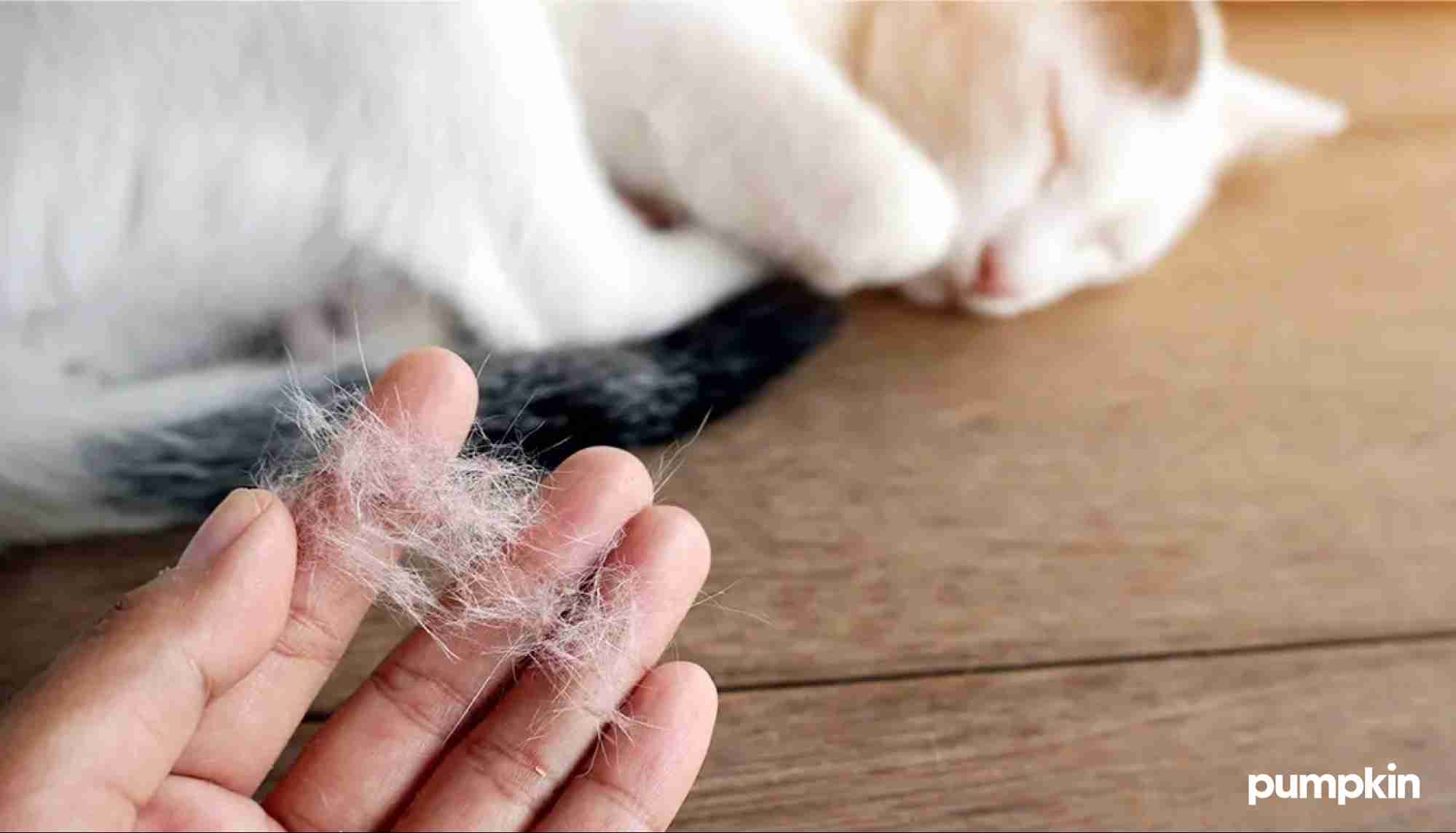
While shedding is normal, excessive fur loss can point to grooming difficulties or health concerns. If you notice large clumps of fur around your home or on your cat, it’s worth investigating. Stress, skin conditions, or arthritis can prevent your cat from grooming themselves effectively.
Have you tried regular grooming sessions to reduce shedding? Not only does it help your cat, but it also keeps your home cleaner and shows your cat you care.
Health Conditions Affecting Grooming
Cats may stop grooming due to health problems like arthritis or skin infections. Pain or discomfort can make cleaning themselves hard and less frequent. Regular vet checks help spot these issues early for better care.
Cats are known for their meticulous grooming habits, keeping their coats clean and pristine. However, if your feline friend suddenly stops grooming, it could be due to underlying health conditions. Understanding these conditions can help you identify the root cause and ensure your cat gets the care they need.Arthritis And Joint Pain
As cats age, they may develop arthritis or other joint issues that make grooming painful or difficult. You might notice your cat avoiding certain grooming spots, especially around the back or hind legs. If your cat seems stiff or has trouble jumping, consult a vet for advice on managing their pain.Dental Issues
Oral health problems can be a hidden reason why your cat stops grooming. Dental pain or gum disease might make it uncomfortable for them to use their mouth for grooming. Regular dental check-ups and cleanings can prevent these issues and keep your cat’s grooming on track.Skin Disorders
Skin conditions like allergies or infections can make grooming uncomfortable or painful for your cat. Look for signs like excessive scratching, redness, or bald patches. If you notice these symptoms, it’s essential to address them promptly to prevent further discomfort. Have you ever noticed your cat refusing to groom after a playful tumble? Sometimes, an injury can be the culprit. Keeping an eye on your cat’s behavior can reveal a lot about their health. Remember, a change in grooming habits is more than just a quirk—it’s a call for attention.
Credit: www.purina.com
Behavioral Reasons Behind Grooming Problems
Behavioral issues often cause a cat to stop grooming itself properly. Cats use grooming to stay clean and calm. Changes in their mood or environment can affect this natural habit. Understanding these behaviors helps in spotting problems early. It also guides how to support your cat better.
Stress And Anxiety
Stress can make cats avoid grooming. Loud noises, new people, or moving homes create anxiety. A stressed cat might lick too much or not at all. This behavior leads to matted fur and skin problems. Watch for changes in activity or appetite as signs.
Depression In Cats
Depression lowers a cat’s interest in grooming. Loss of a companion or sudden changes at home can trigger sadness. A depressed cat may appear listless or hide often. This condition reduces self-care and affects health. Provide a calm space and gentle attention to help.
Lack Of Socialization
Cats without proper social experience may struggle with grooming. Kittens learn grooming by watching their mother and siblings. Poor socialization can cause fear or confusion about self-care. These cats might neglect cleaning or over-groom. Early social interaction is vital to healthy habits.
Quick Solutions For Grooming Challenges
Facing grooming challenges with your cat can be frustrating, but there are simple steps you can take to help your furry friend stay clean and comfortable. Understanding quick solutions can make a big difference in managing your cat’s hygiene, especially if your cat struggles to groom itself properly. Let’s look at practical ways you can support your cat’s grooming needs effectively.
Regular Brushing Techniques
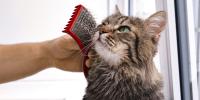
Brushing your cat regularly helps remove loose fur and prevents mats from forming. Use a brush that matches your cat’s coat type—soft bristles for short hair and a slicker brush for long hair work well.
Make brushing a calm, positive experience. Start with short sessions and offer treats to keep your cat relaxed. Did you know that regular brushing can also reduce hairballs and skin irritations?
Bathing Tips For Cats
Bathing cats might seem tough, but it’s sometimes necessary if your cat can’t groom itself. Use a gentle, cat-specific shampoo and lukewarm water to avoid stressing your pet.
Try to keep baths short and calm. Talk softly and use a handheld sprayer or cup to rinse carefully. Have you prepared everything beforehand to make the bath smoother for both you and your cat?
Using Grooming Tools Effectively
Grooming tools like de-shedding combs, nail clippers, and grooming gloves can make a big difference. Choose tools that suit your cat’s size and coat, and introduce them gradually.
Use grooming gloves to pet your cat while removing loose fur—many cats enjoy this more than brushing. How often do you check your cat’s nails and coat for signs that grooming tools could help?
When To Visit The Vet
Noticing that your cat isn’t grooming itself can be worrying. It’s important to know when this behavior signals a problem that needs a vet’s attention. Understanding the right time to visit the vet can help you protect your cat’s health before issues worsen.
Recognizing Serious Symptoms
Watch closely for signs like persistent dirt or mats in your cat’s fur, bald patches, or unusual odors. If your cat is scratching excessively or seems lethargic, these could indicate pain or infection. Loss of appetite or changes in behavior often accompany grooming problems and should not be ignored.
Ask yourself: Is your cat avoiding grooming for a day or two, or has it stopped completely? Temporary neglect might be okay, but ongoing issues often mean something is wrong.
Preparing For The Appointment
Before you go, make notes about your cat’s behavior, diet, and any other changes you’ve noticed. Take photos of the affected areas if possible; this helps the vet understand the problem better. Also, gather any medications or supplements your cat is currently taking.
Think about questions you want to ask the vet. Clear communication ensures you don’t miss important advice during the visit.
Possible Treatments
Treatment depends on the underlying cause. The vet might recommend medicated shampoos, antibiotics, or pain relief if infections or injuries are involved. Sometimes, dietary changes or supplements can improve skin and coat health.
In cases of stress or behavioral issues, the vet may suggest changes to your cat’s environment or prescribe calming aids. Remember, early treatment often means quicker recovery for your furry friend.
Preventing Future Grooming Issues
Preventing future grooming issues in your cat is essential to keep them healthy and comfortable. Grooming is not just about appearance; it impacts their skin health, coat quality, and overall wellbeing. Taking proactive steps can help you avoid painful or stressful situations for both you and your furry friend.
Balanced Diet And Hydration
Your cat’s diet directly affects their coat and skin condition. Make sure your cat eats high-quality food rich in essential fatty acids, vitamins, and minerals to support healthy fur growth.
Also, keep fresh water available at all times. Dehydration can cause dry, flaky skin, making grooming difficult and uncomfortable for your cat.
Have you noticed if your cat’s coat looks dull or patchy? That might signal a need to check their diet and water intake.
Creating A Stress-free Environment
Stress can cause cats to stop grooming themselves. Loud noises, sudden changes, or lack of safe spaces can trigger anxiety that interferes with their grooming habits.
Try to create calm, predictable surroundings where your cat feels secure. A quiet corner with their favorite bed or toys can work wonders.
Do you see your cat hiding or acting restless? These signs might mean they’re too stressed to focus on grooming.
Routine Health Checkups
Regular vet visits help catch health problems before they affect grooming. Skin infections, dental issues, or arthritis can make self-grooming painful or impossible.
Schedule checkups at least once a year, or more often if your cat has ongoing health concerns. Early detection leads to easier treatment and fewer grooming problems.
Have you ever noticed your cat avoiding grooming after a vet visit? Tracking these patterns can give you clues about their health.
Frequently Asked Questions
Why Is My Cat Not Grooming Itself Properly?
Cats may stop grooming due to illness, pain, or stress. Conditions like arthritis or dental problems can hinder grooming. Behavioral changes or anxiety also affect their grooming habits. Identifying the cause early helps in providing proper care and treatment.
Can Health Issues Prevent Cats From Grooming?
Yes, health problems like skin infections, obesity, or arthritis can limit a cat’s grooming ability. These conditions cause discomfort or restrict movement, making grooming difficult. Regular vet check-ups help detect and treat such issues promptly.
How Does Aging Affect A Cat’s Grooming Habits?
Older cats may groom less due to reduced flexibility and joint pain. Cognitive decline can also impact their grooming routine. Providing assistance and regular grooming helps maintain their hygiene and comfort.
What Role Does Stress Play In A Cat’s Grooming Behavior?
Stress and anxiety can cause cats to groom excessively or not at all. Changes in environment or routine trigger this behavior. Reducing stressors and creating a calm space encourages healthy grooming habits.
Conclusion
Cats stop grooming for many reasons. Health problems, pain, or stress can cause this. Watch your cat’s behavior closely. Offer gentle help with cleaning when needed. Visit a vet if grooming issues last long. Keeping your cat clean helps its health and happiness.
Small changes can make a big difference. Take care and be patient with your furry friend. Your cat will feel better with your support.

Leave a Reply