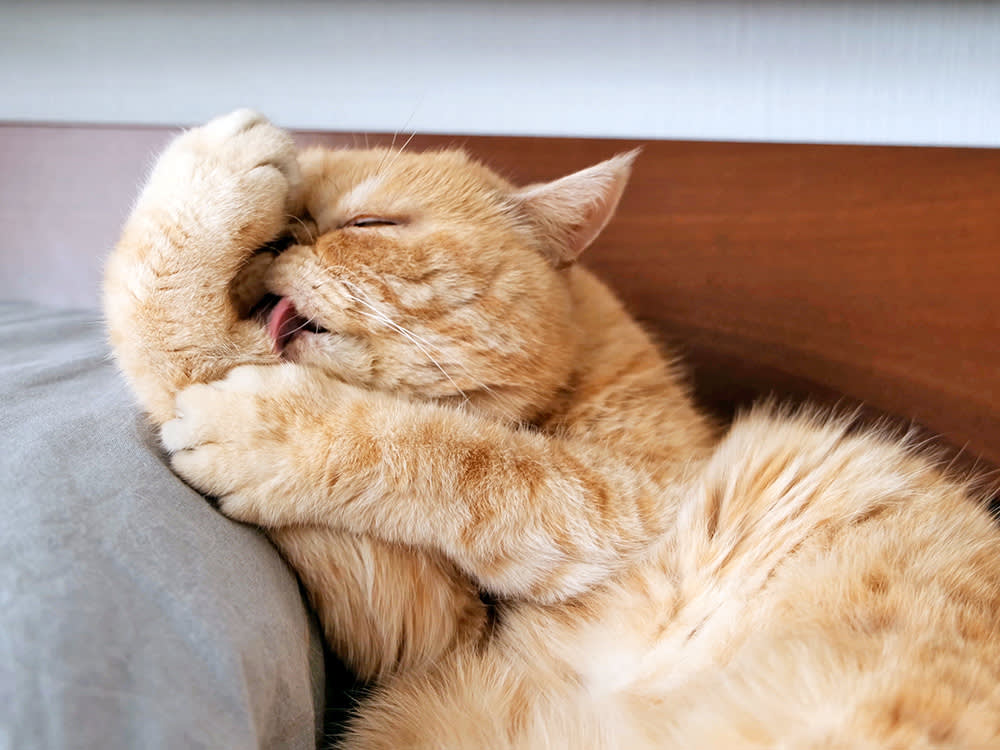
Have you ever watched your cat finish a lively play session and then start licking their fur like there’s no tomorrow? It might seem like a simple habit, but there’s more to this behavior than meets the eye.
Understanding why your cat grooms themselves after playing can give you surprising insights into their health, comfort, and even emotions. Keep reading, and you’ll discover the fascinating reasons behind this instinctive act—and how it helps your furry friend stay happy and healthy.
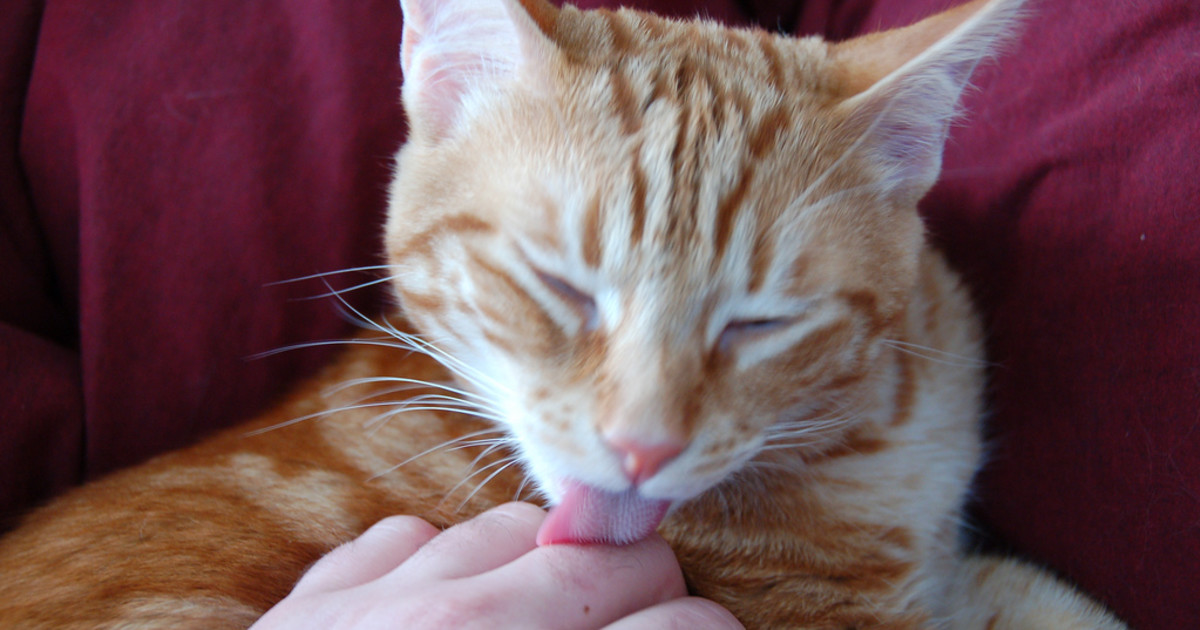
Credit: pethelpful.com
Grooming As A Cooling Mechanism
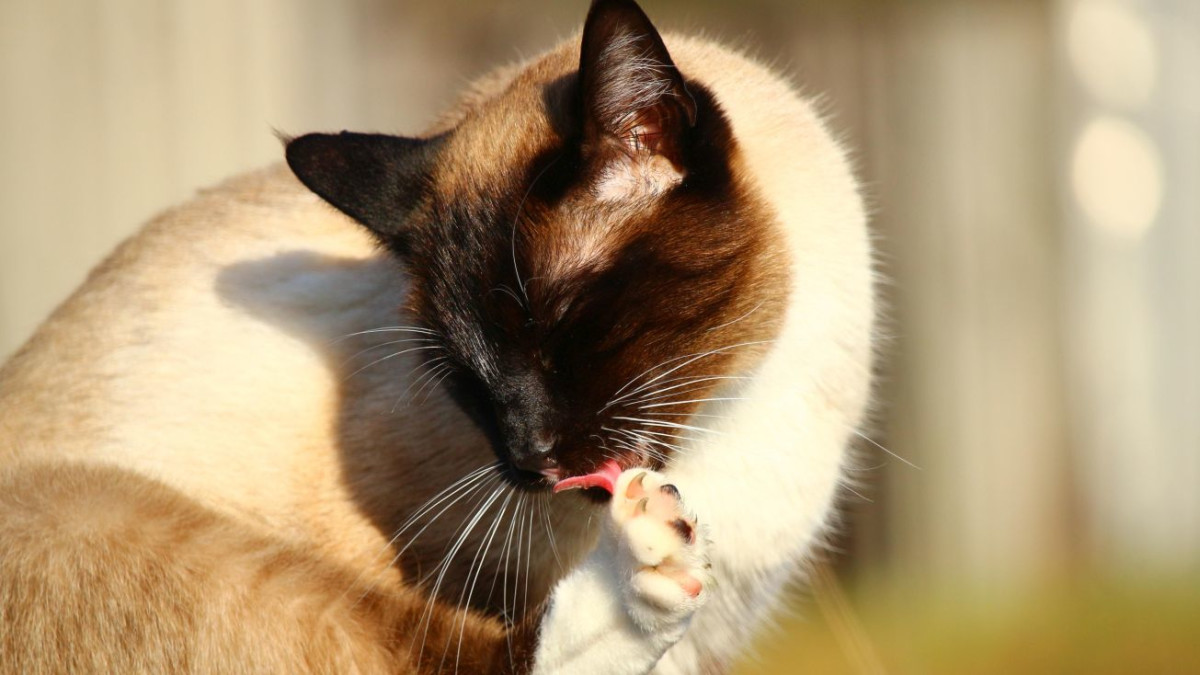
Have you noticed your cat immediately starts grooming after a playful session? This behavior isn’t just about cleanliness—it’s also a clever way for your cat to cool down. Grooming helps regulate their body temperature, especially after they’ve been active and their body heats up.
How Grooming Helps Lower Body Temperature
When cats lick their fur, saliva spreads across their coat. As this saliva evaporates, it cools their skin, much like sweat does for humans. This natural cooling system helps your cat avoid overheating after bursts of intense play.
Think about how you might wipe sweat off your face to feel cooler. Your cat’s grooming serves a similar purpose but is more efficient for their unique fur and skin.
The Role Of Fur In Temperature Regulation
Your cat’s fur acts like insulation, trapping heat close to the body. During play, this insulation can cause their temperature to rise quickly. Grooming breaks up the fur, allowing airflow and promoting evaporation of saliva, which lowers their skin temperature.
Without grooming, your cat might feel too hot and uncomfortable. So next time you see your cat licking themselves after play, remember they’re managing their body heat smartly.
Signs Your Cat Needs To Cool Down
- Heavy panting or open-mouth breathing
- Restlessness or seeking cool surfaces
- Increased grooming behavior after activity
If you notice these signs, encourage your cat to rest in a cool spot and provide fresh water. Their grooming is a good signal that they are trying to cool off, but they might still need your help to stay comfortable.
Removing Dirt And Debris
After playing, cats often groom themselves to remove dirt and debris. Their outdoor or indoor adventures can leave traces on their fur. Dust, small twigs, or loose fur can stick to their coat. Grooming helps keep their fur clean and neat.
This self-cleaning habit protects cats from irritation. Dirt and debris can cause itching or skin problems. Cats lick and nibble to clear these unwanted particles. Their rough tongues act like tiny brushes.
How Grooming Removes Dirt And Debris
Cats use their tongues to catch and pull out dirt. Their tongues have tiny, hook-like structures called papillae. These help scrape away dirt stuck in the fur. Grooming spreads natural oils, too. These oils keep the fur smooth and healthy.
Why Removing Dirt Is Important
Dirt can hide germs and bugs. Cleaning stops infections and keeps skin safe. It also prevents fur from matting. Mats can cause pain and make movement hard. Grooming removes all this and keeps cats comfortable.
Signs Dirt And Debris Affect Cats
- Scratching more than usual
- Fur looks dull or messy
- Small bumps or redness on skin
- Hiding or less active behavior
Watching these signs helps you notice if your cat needs extra care.
Scent Marking And Territory
Cats groom themselves after playing to spread their scent and mark territory. This behavior keeps their fur clean and signals ownership to other animals. Grooming also calms them down and helps them feel safe in their space.
Cats are intriguing creatures, and one of their most fascinating behaviors is their grooming ritual after play. This is not merely about cleanliness; it plays a crucial role in scent marking and territory management. Grooming allows cats to maintain their unique scent, which is essential for communication and establishing territory.Scent Marking Through Grooming
Cats possess scent glands around their face, paws, and tail. When they groom, they spread their scent over their body. This helps them reinforce their territorial boundaries with a distinct personal aroma. Imagine your cat rubbing its face against your leg. This is a way of marking you as part of its territory. Similarly, grooming helps maintain their scent after the distractions of play.Reclaiming Ownership After Play
Playtime often involves interaction with toys or other pets, which can introduce foreign scents. By grooming, cats effectively reclaim their body, ensuring their scent remains dominant. Consider how you might feel if someone rearranged your workspace. Grooming is a cat’s way of putting everything back in order, keeping their world just how they like it.Communicating With Other Cats
Cats use scent to communicate with each other. A well-groomed cat carries a strong scent, signaling to other cats that a particular area is claimed. This can help prevent territorial disputes. If you have multiple cats, you might notice them grooming more after a play session together. It’s their way of reinforcing boundaries and maintaining harmony in a multi-cat household.Maintaining Balance And Calm
Grooming also serves a calming purpose. After the excitement of play, it helps cats unwind and return to a state of balance. This is crucial in maintaining a stress-free environment. Have you ever noticed how relaxed your cat looks after grooming? This is because the process not only marks territory but also soothes them, much like a mini meditation session. Understanding these behaviors can deepen your connection with your cat. Next time you see your feline friend grooming, know it’s more than just cleaning—it’s a complex act of self-expression and territory management.Calming And Stress Relief
After a lively play session, your cat often turns to grooming. This behavior goes beyond just cleaning fur—it serves an important role in calming and stress relief. Grooming helps your cat transition from high energy to a more relaxed state, stabilizing both body and mind.
How Grooming Lowers Stress Levels
When cats groom themselves, their bodies release endorphins, natural chemicals that reduce pain and create a feeling of well-being. This process helps your cat feel calmer after the excitement of play.
Think about how you might take deep breaths to calm down after a stressful moment. Grooming acts similarly for cats, providing a soothing routine that eases their nervous system.
Grooming As A Comfort Ritual
Grooming provides a sense of control. After chasing toys or wrestling with a friend, your cat might feel overstimulated.
By licking their fur, they create a familiar, comforting action. This ritual helps your cat refocus and regain emotional balance.
Signs Your Cat Is Using Grooming To Relax
- Slow, methodical licking rather than frantic or hurried grooming
- Relaxed posture, such as lying down or gently kneading paws
- Soft blinking or half-closed eyes indicating contentment
Noticing these signs can help you understand your cat’s emotional state better. Next time your cat settles into grooming, watch closely—are they calming down or still alert?
Social Communication Through Grooming
Cats use grooming as more than just a way to stay clean. It serves as a powerful tool for social communication. After playing, grooming helps them send important messages to other cats and even to you.
How Grooming Signals Calmness And Trust
After a lively play session, your cat will often groom itself to show it feels safe and relaxed. This calming gesture tells other cats, “I’m not a threat right now.”
When you notice your cat cleaning itself after play, it’s a sign your pet trusts the environment and everyone around. Have you ever seen your cat pause, lick its fur, and then approach you gently? That’s a message of peace and comfort.
Grooming As A Way To Bond With Other Cats
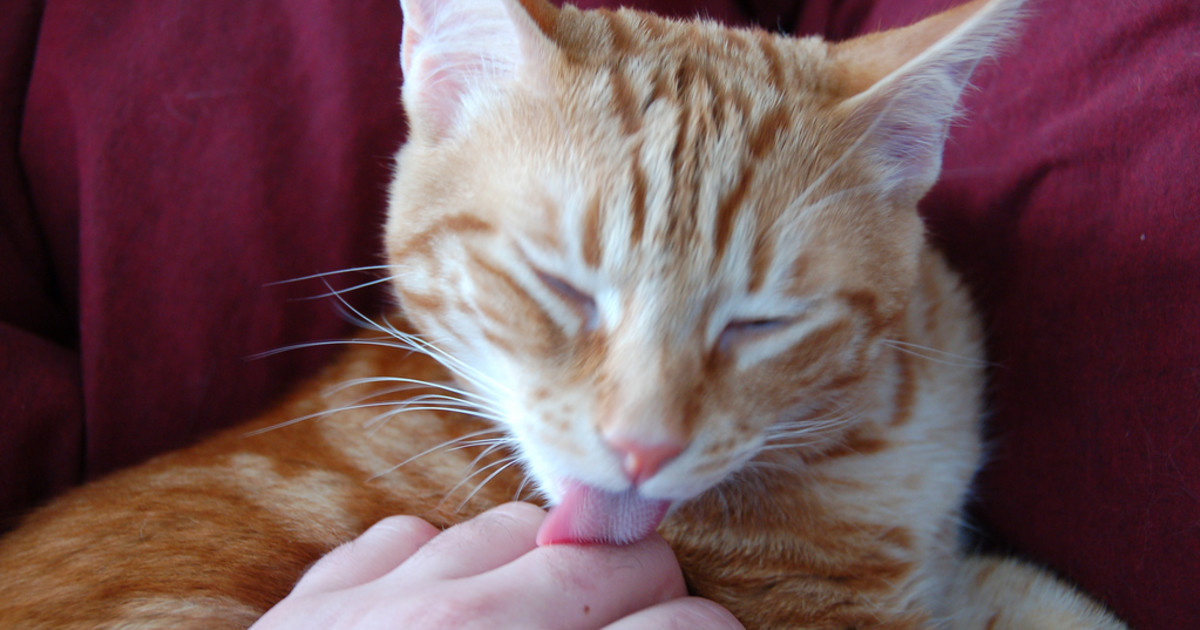
Cats often groom each other to strengthen social bonds, called allogrooming. This cooperative grooming builds friendships and reduces tension within a group.
Even if your cat plays alone, grooming afterward can mimic this social behavior. It prepares them mentally for positive interactions with other cats or humans they may meet later.
Marking Territory Through Scent During Grooming
When cats groom, they spread their unique scent across their fur. This scent-marking helps communicate ownership and personal identity.
After play, your cat might groom to refresh this scent, signaling to others, “This is my space.” Next time you see your cat cleaning up post-play, think about the subtle message it’s sending to its surroundings.
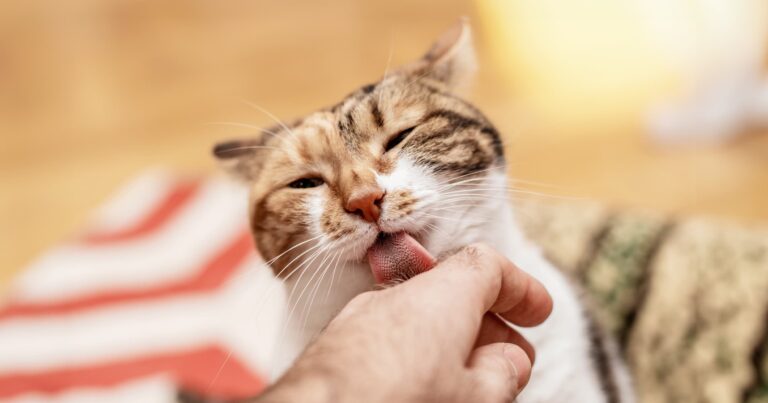
Credit: www.petscare.com
Health Benefits Of Grooming
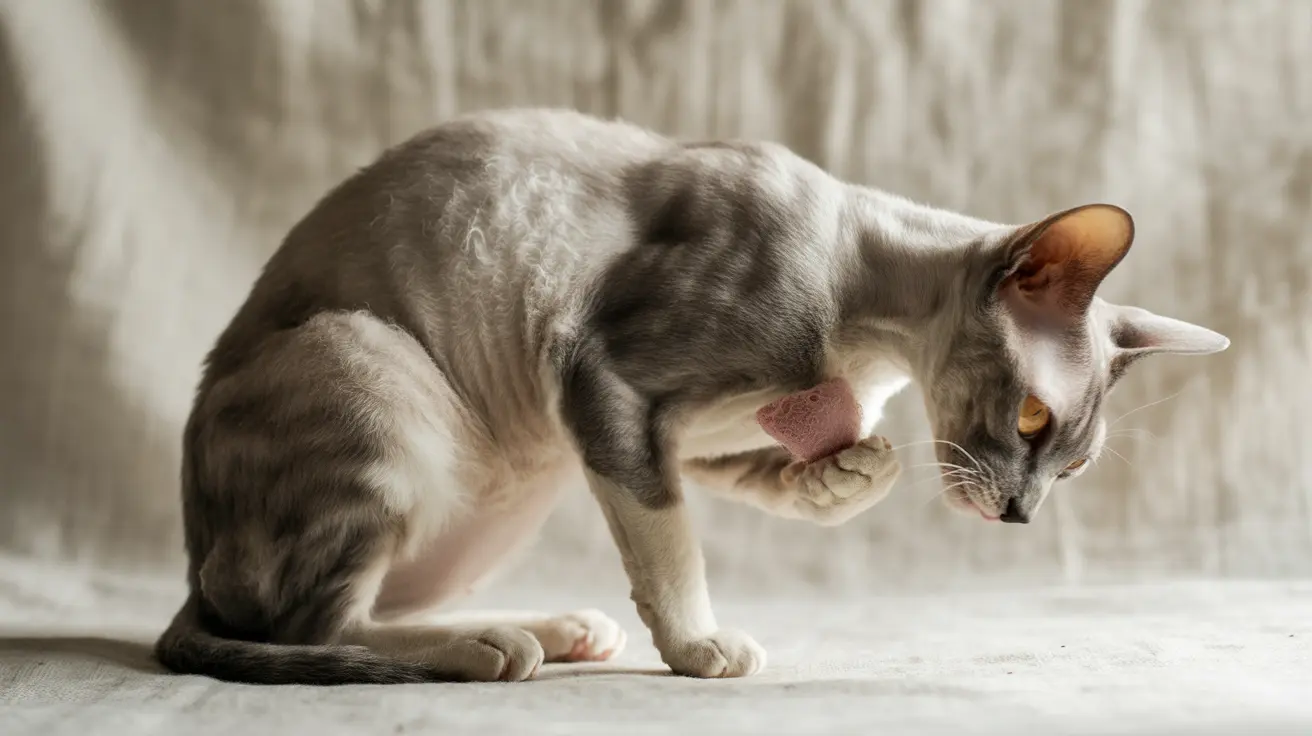
Grooming is more than just a routine activity for cats—it plays a vital role in maintaining their health. After a playful session, you might notice your cat licking and cleaning itself thoroughly. This behavior is not just about looking neat; it offers several important health benefits that help your cat stay in top shape.
Cleaning Away Dirt And Bacteria
Playtime often means getting a little dirty. Cats use grooming to remove dirt, debris, and bacteria from their fur. This reduces the risk of infections and keeps their skin healthy.
Have you ever seen your cat obsessively licking a patch of fur after being outside? That’s their way of protecting themselves from germs that could cause illness.
Regulating Body Temperature
Grooming helps cats cool down after energetic play. As they lick their fur, saliva evaporates, which lowers their body temperature. This natural cooling method keeps them comfortable and prevents overheating.
Next time your cat grooms vigorously after running around, notice how this helps them calm down and regain energy.
Stimulating Blood Flow And Skin Health
Licking stimulates blood circulation beneath the skin. Better blood flow delivers nutrients to hair follicles and skin cells, promoting healthy fur growth. It also helps heal minor wounds or irritations caused during play.
Think about your own skin after a gentle massage—it feels refreshed. Grooming provides a similar benefit to your cat’s skin.
Reducing Stress And Anxiety
Grooming has a calming effect on cats. After an active play session, this behavior helps them relax and reduce stress. It’s their way of finding comfort and regaining a sense of control.
If you watch closely, you’ll see how grooming slows your cat’s breathing and heart rate, helping them settle down peacefully.
Instincts And Evolutionary Roots
Cats grooming themselves after play is not just a cute habit—it’s deeply rooted in their instincts and evolution. This behavior has helped cats survive and thrive for thousands of years. Understanding these roots can change how you see your furry friend’s post-play ritual.
Self-cleaning As A Survival Tactic
Wild cats had to stay clean to avoid attracting predators. Dirt, debris, or strong scents from play could give away their location. Grooming after activity removes these traces, making cats less noticeable.
Think about how your cat licks off dirt or grass after chasing a toy. This instinct remains strong even in a safe home environment. Your cat is still wired to stay stealthy.
Regulating Scent To Stay Safe
Cats rely on scent for communication but don’t want to broadcast their exact location to enemies. Grooming helps control their natural smell after vigorous play. It’s a way to balance social signals with safety.
Have you noticed how your cat’s fur looks and smells fresher after cleaning? This is their way of resetting their scent profile. It’s an evolutionary trick to protect themselves from threats.
Maintaining Fur Health And Functionality
Fur acts as both armor and insulation for cats. Grooming removes loose hair, dirt, and parasites that could weaken this natural shield. After playing, when the fur might get ruffled, cleaning is crucial.
Your cat’s licking smooths out the fur, helping it stay effective against weather and insects. This habit ensures their coat remains in top condition for survival and comfort.
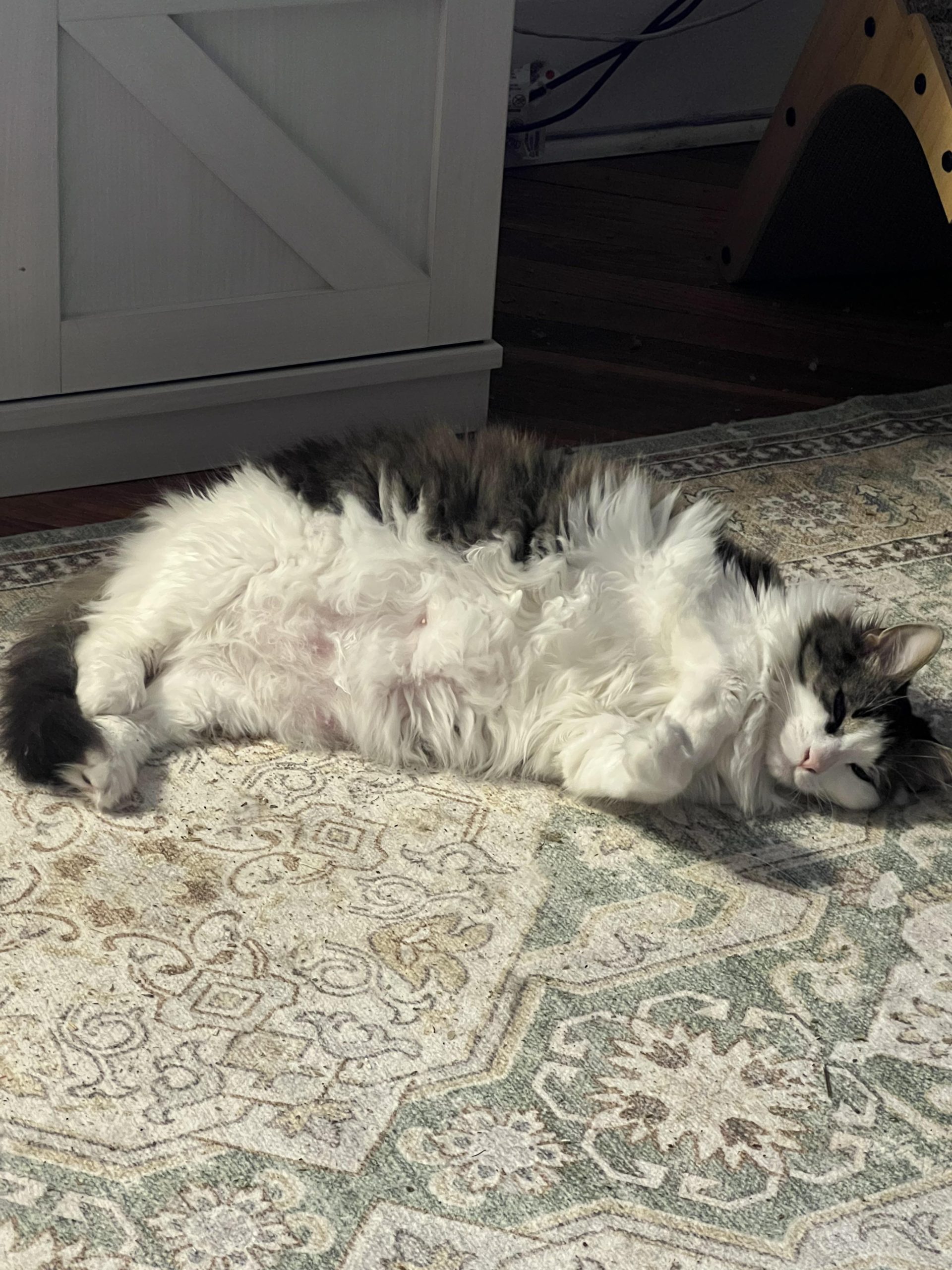
Credit: pethelpful.com
Frequently Asked Questions
Why Do Cats Groom Themselves After Playing?
Cats groom after playing to clean dirt and sweat from their fur. Grooming also helps them cool down and relax. It maintains their scent and prevents skin infections, keeping them healthy and comfortable.
How Does Grooming Help Cats After Exercise?
Grooming removes sweat and dirt, reducing the risk of infections. It also calms cats by releasing endorphins. This behavior helps regulate body temperature and restores their natural scent after activity.
Is Grooming A Sign Of Stress Or Relaxation In Cats?
Grooming after playing is usually a sign of relaxation. It helps cats calm down and feel safe. Excessive grooming might indicate stress or health issues, but normal grooming is part of their self-care routine.
Can Grooming Prevent Skin Problems In Cats?
Yes, grooming removes dirt and loose fur, preventing skin irritation. It also spreads natural oils that keep the skin healthy. Regular grooming after play reduces the chance of infections and promotes fur health.
Conclusion
Cats clean themselves after play to stay fresh and comfortable. Grooming helps remove dirt and loose fur from their coat. It also cools them down and calms their mind. This behavior keeps their skin healthy and strong. Watching a cat groom shows how much they care for themselves.
Next time your cat cleans up after play, remember it’s natural and good for them. This simple act helps cats feel happy and relaxed every day.

Leave a Reply