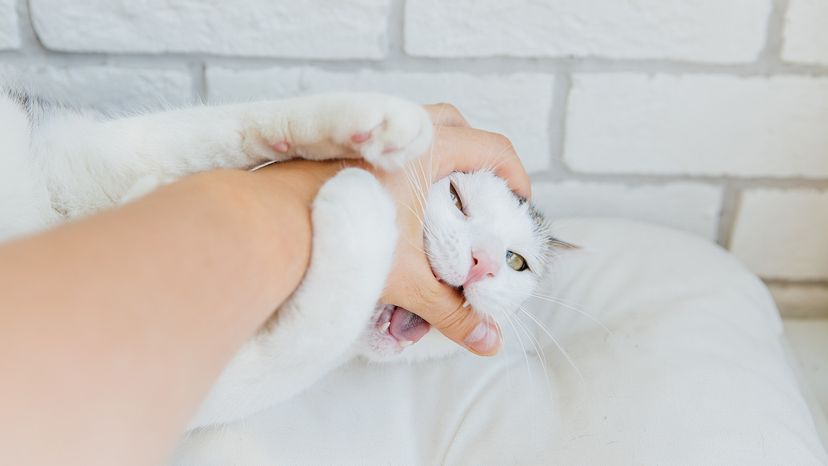
Have you ever wondered why your cat suddenly bites during grooming time? It can be confusing and even painful when your furry friend turns from sweet to snappy.
Understanding why cat bite tsil grooming happens is key to keeping your bond strong and your pet happy. You’ll discover the surprising reasons behind those unexpected bites and how you can prevent them. Ready to make grooming a calm, enjoyable experience for both you and your cat?
Keep reading to find out how.
Credit: tryfurgo.com
Cat Bites And Grooming Risks
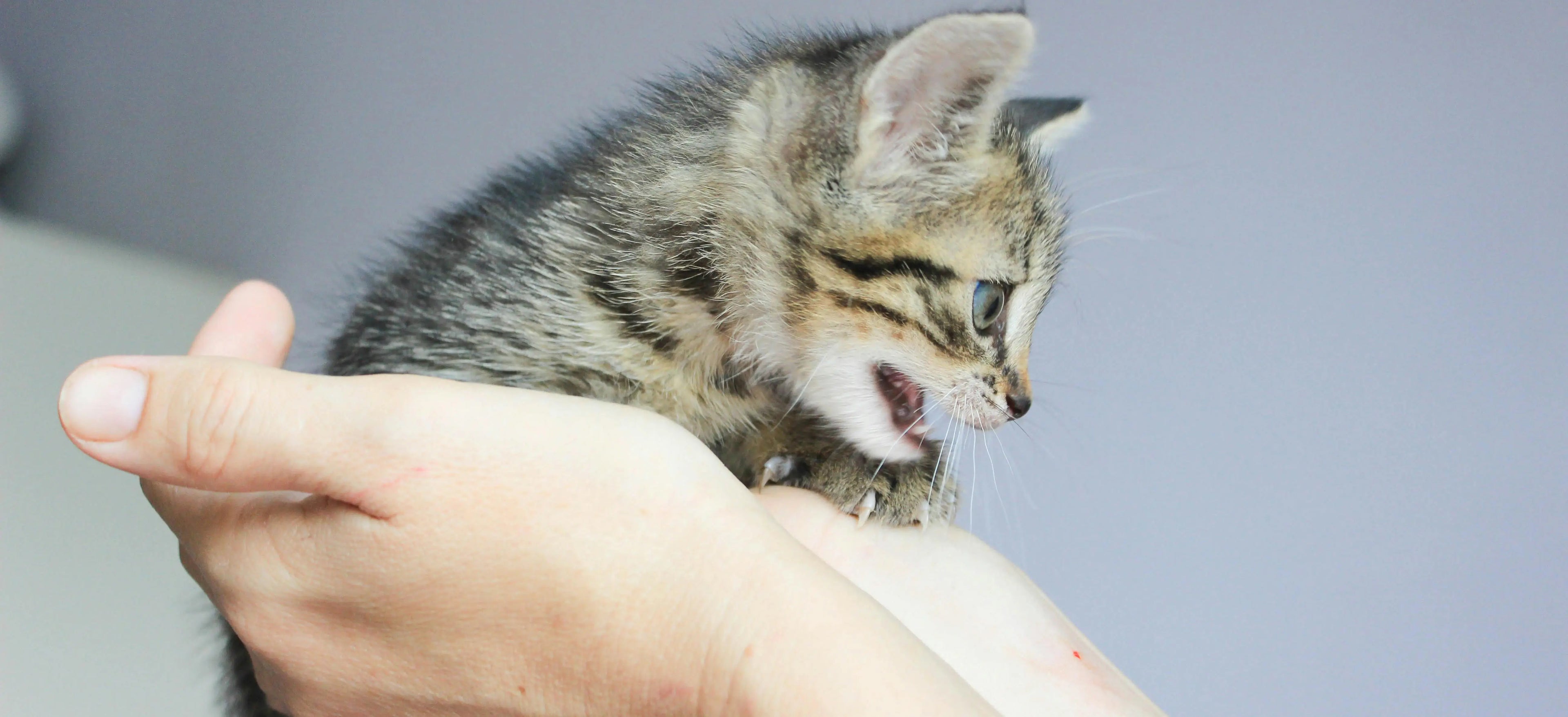
Cat bites during grooming are more common than you might think, and they pose real risks to both you and your feline friend. Understanding why cats bite in these situations can help you prevent injuries and maintain a positive grooming experience. Let’s look deeper into what triggers these bites and the types of injuries they cause.
Common Causes Of Cat Bites
Cats often bite during grooming because they feel stressed or threatened. You might notice your cat biting if you touch a sensitive spot, like behind the ears or near the tail. Sometimes, the bite is a quick warning to stop what you’re doing.
Another cause is overstimulation. Even the calmest cats can suddenly snap if grooming goes on too long. Have you ever felt your cat’s tail flicking or ears flattening? These signs often mean it’s time to pause before a bite happens.
Injuries From Bites During Grooming
Cat bites can be painful and sometimes dangerous. Their sharp teeth easily puncture the skin, creating small but deep wounds. These punctures can trap bacteria, leading to infections that might require medical attention.
It’s important to clean any bite immediately and watch for signs of infection like swelling or redness. If you notice these symptoms, don’t hesitate to see a doctor. Preventing bites by reading your cat’s body language is key to safe and stress-free grooming for both of you.
Signs A Cat May Bite
Recognizing signs that a cat may bite helps prevent painful encounters. Cats use their bodies to communicate feelings. Understanding these cues keeps you safe. It also builds trust with your pet. Watch closely to spot warning signals early. This awareness guides how you approach and groom your cat.
Body Language To Watch
- Tail twitching or flicking rapidly
- Ears flattened backward or sideways
- Dilated pupils indicating stress or excitement
- Hissing or growling sounds
- Stiff body posture and raised fur
- Sudden freezing or sudden quick movements
- Swatting with paws without claws
These signs show discomfort or irritation. Respect your cat’s space when you see them. Avoid forcing grooming or petting during these moments.
Behavioral Triggers
- Touching sensitive areas like belly or tail
- Sudden loud noises or quick movements nearby
- Being overstimulated by too much petting
- Interrupting a cat while eating or sleeping
- Feeling cornered or trapped without escape
- Past negative experiences with grooming tools
Knowing these triggers helps you create a calm grooming routine. Approach your cat gently and slowly. Use soft voices and slow movements. This reduces the chance of biting during grooming.
Preparing For Safe Grooming
Cat bites during grooming can cause pain and infection. Understanding why cats bite helps keep grooming safe and calm. Preparing properly reduces risks and protects both you and your cat.
Preparing for safe grooming is essential for both you and your cat. A calm and secure environment ensures a stress-free experience. Proper tools also prevent injuries during grooming. Here’s how to prepare effectively for cat tail grooming.Creating A Calm Environment
Cats need a tranquil space for grooming. Noise can stress them out. Find a quiet room with soft lighting. Close windows to block outside noise. Play soft music to soothe your cat. This helps keep them calm and relaxed. Ensure the room is free from distractions. Remove toys or other pets. A peaceful setting makes grooming easier.Choosing The Right Tools
Selecting proper tools is crucial for safe grooming. Use a brush suitable for your cat’s fur type. Soft-bristle brushes work well for most cats. They gently remove loose hair without hurting the skin. Consider using grooming gloves for sensitive cats. They mimic the feel of petting, reducing stress. Always have a pair of grooming scissors handy. They are ideal for trimming knots and tangles. Ensure tools are clean before use. Dirty tools can cause skin infections. Regularly clean them with soap and water.Handling Techniques To Prevent Bites
Handling a cat during grooming can be tricky. Cats may bite if they feel scared or stressed. Using the right techniques helps keep both the cat and groomer safe. Calm and careful handling lowers the chance of bites. This section covers key ways to prevent biting during grooming sessions.
Proper Restraint Methods
Safe restraint keeps the cat still without causing pain. It reduces sudden movements that trigger biting. Use soft towels or blankets to gently wrap the cat. This prevents scratching and biting. Hold the cat’s body firmly but softly. Avoid tight grips that make the cat anxious.
Support the cat’s head and neck carefully. Use calm, steady hands. Let the cat feel secure and less threatened. Short sessions with breaks reduce stress. A quiet environment helps the cat stay calm. Avoid loud noises or quick actions that scare the cat.
Gentle Touch Approaches
Gentle touch builds trust and eases fear. Use slow, light strokes when handling the cat’s fur. Avoid rough movements that cause discomfort. Speak softly to soothe the cat during grooming. Watch the cat’s body language for signs of stress.
Start grooming in calm areas like the back or sides. Avoid sensitive spots at first. Slowly introduce brushing or trimming to help the cat adjust. Reward the cat with treats or praise after calm behavior. Patience and kindness lower biting risks significantly.
Dealing With A Bite If It Happens
Getting bitten by a cat can be surprising and painful, but knowing how to handle the situation calmly makes all the difference. Cat bites may seem minor at first, but they can quickly lead to infections or other complications if not treated properly. Being prepared with the right steps helps you protect your health and prevents unnecessary worry.
First Aid Steps
Start by washing the bite area gently with warm water and soap. This simple action removes bacteria and reduces the chance of infection. Avoid scrubbing too hard, as this can cause more damage to your skin.
Next, apply an antiseptic cream or ointment to the wound. This adds a layer of protection against germs. Cover the bite with a clean bandage to keep it safe from dirt and bacteria.
Keep an eye on the bite for swelling, redness, or pus. These signs may mean the wound is getting infected. Changing the bandage daily and keeping the area dry also helps it heal faster.
When To Seek Medical Help
If the bite is deep, bleeding heavily, or you notice increasing pain, it’s time to see a doctor. Cat bites can introduce bacteria deep into your skin, sometimes causing serious infections that need antibiotics.
Also, if you develop a fever, chills, or the area around the bite becomes red and warm, don’t wait. These symptoms suggest the infection is spreading, and you need professional care immediately.
Have you ever ignored a minor wound only to regret it later? Don’t let a cat bite become a bigger problem. Trust your instincts—if something feels off, get checked out. Your health is worth it.
Credit: pethelpful.com
Training Cats For Grooming
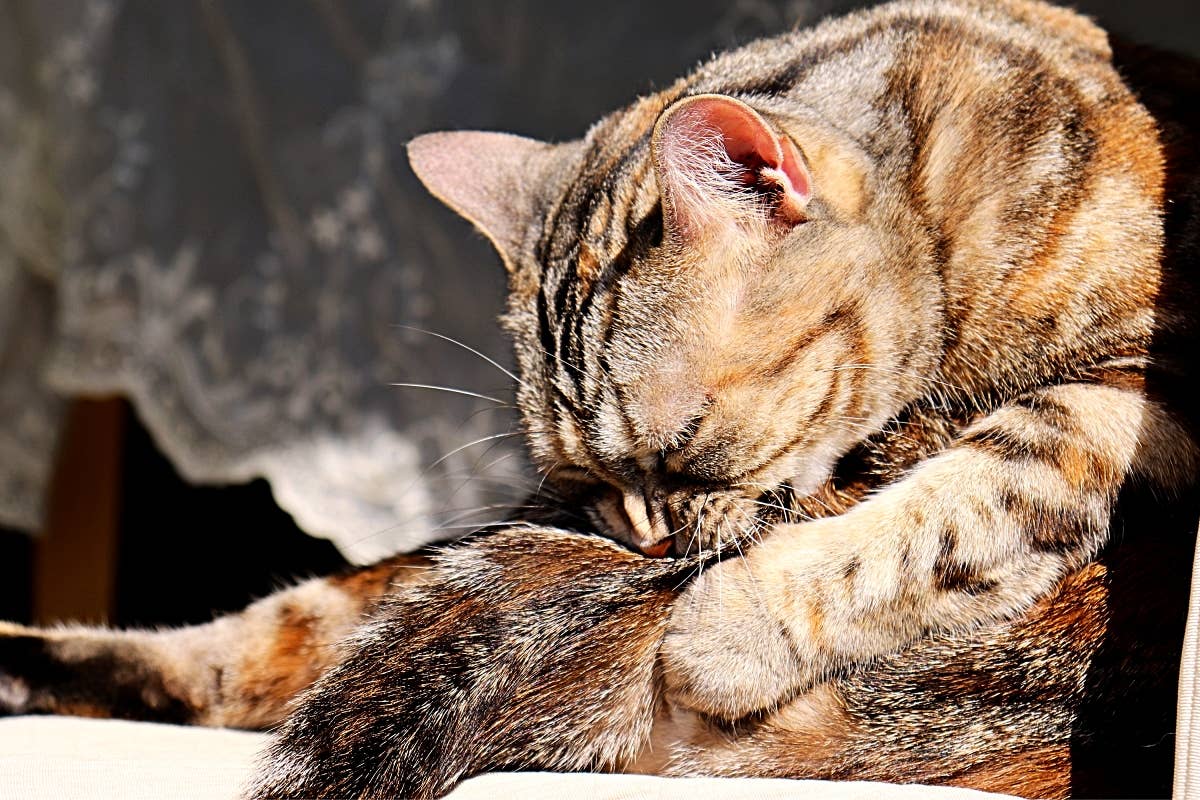
Training cats for grooming can feel like a challenge, but it’s a key step to prevent painful bites and stress for both you and your furry friend. Building trust and making grooming a positive experience helps your cat stay calm and cooperative. You don’t have to be a professional to teach your cat to enjoy or at least tolerate grooming sessions.
Positive Reinforcement Tips
Positive reinforcement is your best ally when training cats for grooming. Reward your cat immediately after a calm grooming moment with treats, gentle petting, or their favorite toy. This shows your cat that good things happen when they stay relaxed during grooming.
Try to keep sessions short and sweet at first—just a few strokes or brushing—and then offer a reward. Over time, your cat will start associating grooming with positive experiences rather than fear or discomfort. Have you noticed your cat responding well to treats during training? Use that to your advantage!
Gradual Desensitization
Gradual desensitization means slowly getting your cat used to grooming tools and touch without overwhelming them. Start by letting your cat sniff and explore the brush or comb. Don’t rush to use it right away; patience here makes a big difference.
Next, gently touch your cat in areas they like, such as behind the ears or under the chin, before moving to more sensitive spots like their back or tail. Over several days or weeks, increase the time spent grooming bit by bit. This slow approach reduces anxiety and helps your cat feel safe.
Have you tried letting your cat play with grooming tools as toys? This can turn a scary object into a fun one, making the grooming process much easier. What small steps can you add to your routine to make grooming less stressful?
Alternatives To Home Grooming
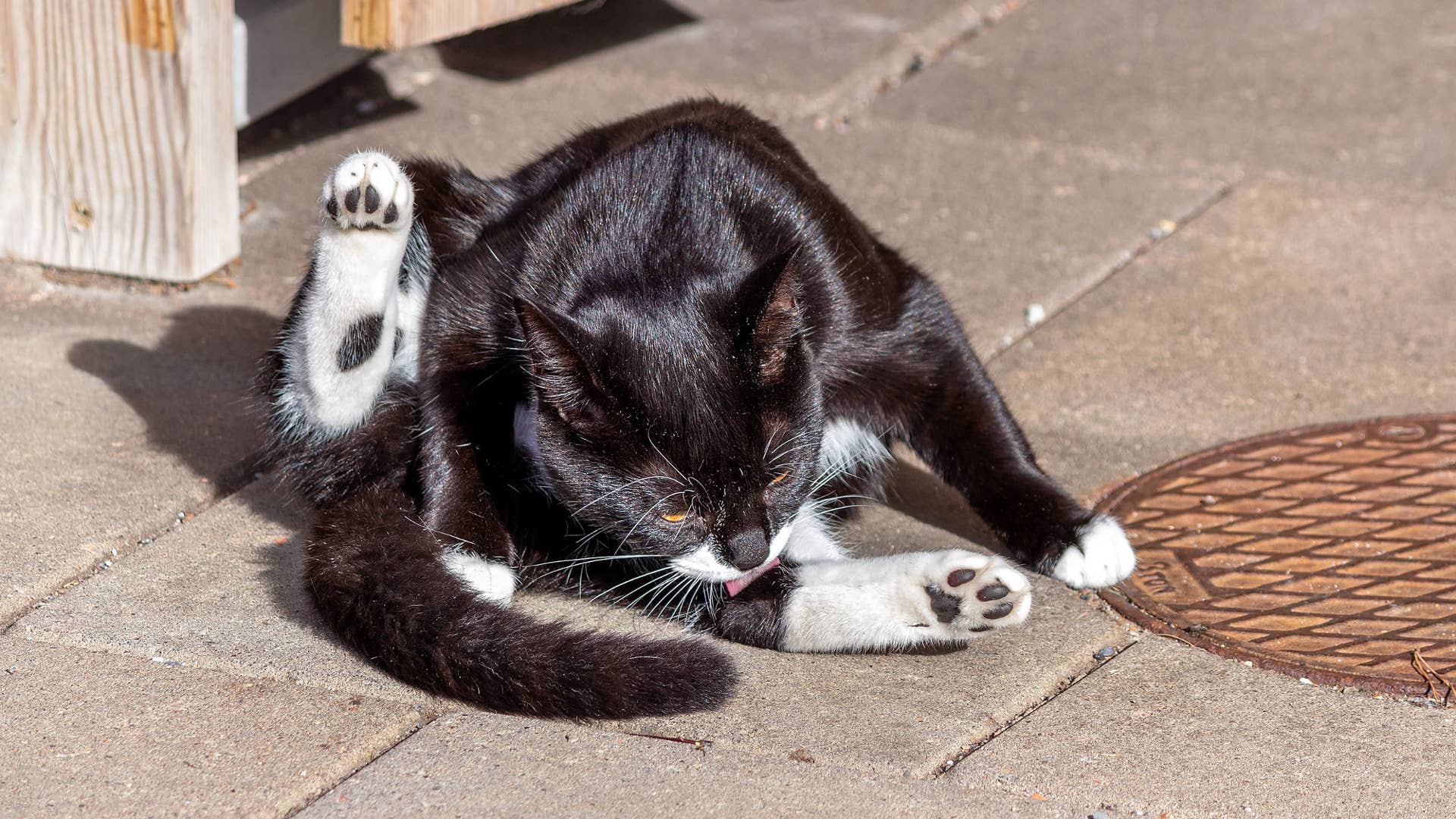
Not every cat owner feels comfortable grooming their pet at home. Sometimes, your cat might be too anxious or wriggly, making home grooming a stressful experience for both of you. Luckily, there are alternatives that keep your cat looking sharp without the hassle or risk of bites and scratches.
Professional Groomers
Professional groomers have the skills and experience to handle even the most nervous cats. They know how to manage difficult behavior calmly, reducing the chance of bites during grooming. You benefit from their expertise with tools designed specifically for cat grooming, ensuring a thorough and safe trim.
These experts can also spot skin issues or parasites early, giving you peace of mind about your pet’s health. Plus, a professional groomer can recommend grooming routines tailored to your cat’s breed and coat type. Have you ever noticed how your cat seems more relaxed after a grooming session with a professional? That’s because they use techniques that keep your cat comfortable throughout.
Mobile Grooming Services
Mobile grooming services bring the groomer to your doorstep, turning a stressful trip into a calm, familiar environment for your cat. This option is perfect if your cat hates car rides or new places. The groomer arrives with all necessary equipment, creating a stress-free grooming experience in your own home.
Mobile groomers often work one-on-one with your cat, giving them undivided attention. This personalized approach can reduce anxiety and prevent aggressive behavior. Have you considered how a familiar setting might change your cat’s reaction to grooming? Many owners find mobile grooming a game-changer for shy or anxious cats.
Whether you choose professional groomers or mobile services, these alternatives can save you from the challenges of home grooming. They offer expertise, convenience, and a safer experience for both you and your cat. What’s holding you back from trying one?
Credit: pethelpful.com
Frequently Asked Questions
Why Do Cats Bite During Grooming Sessions?
Cats may bite during grooming due to discomfort, fear, or overstimulation. It is their way of communicating stress or pain. Understanding their body language helps reduce biting and makes grooming safer and more pleasant for both cat and owner.
How Can I Prevent Cat Bites While Grooming?
To prevent bites, groom your cat gently and use slow, calm movements. Offer treats and breaks, and never force grooming. Regular grooming sessions build trust and reduce anxiety, making biting less likely over time.
Are Cat Bites During Grooming Dangerous?
Yes, cat bites can introduce bacteria causing infections. Prompt cleaning and monitoring for redness or swelling are crucial. Seek medical advice if symptoms worsen. Proper grooming techniques minimize bite risks and protect both you and your cat.
What Signs Indicate My Cat Might Bite During Grooming?
Watch for signs like tail flicking, ears flattening, or growling. These indicate irritation or stress. Recognizing these early allows you to pause or stop, preventing bites and ensuring a positive grooming experience.
Conclusion
Cat bites during grooming show trust and playfulness. They can help your cat feel safe and calm. Always watch for signs of discomfort or stress. Gentle handling keeps grooming a positive time. Understanding why cats bite helps improve your bond.
Patience and care make grooming easier for both. Small bites often mean your cat enjoys the attention. Respect your cat’s limits to avoid injury. A happy cat makes grooming a peaceful routine. Keep these tips in mind for better grooming sessions.


Leave a Reply