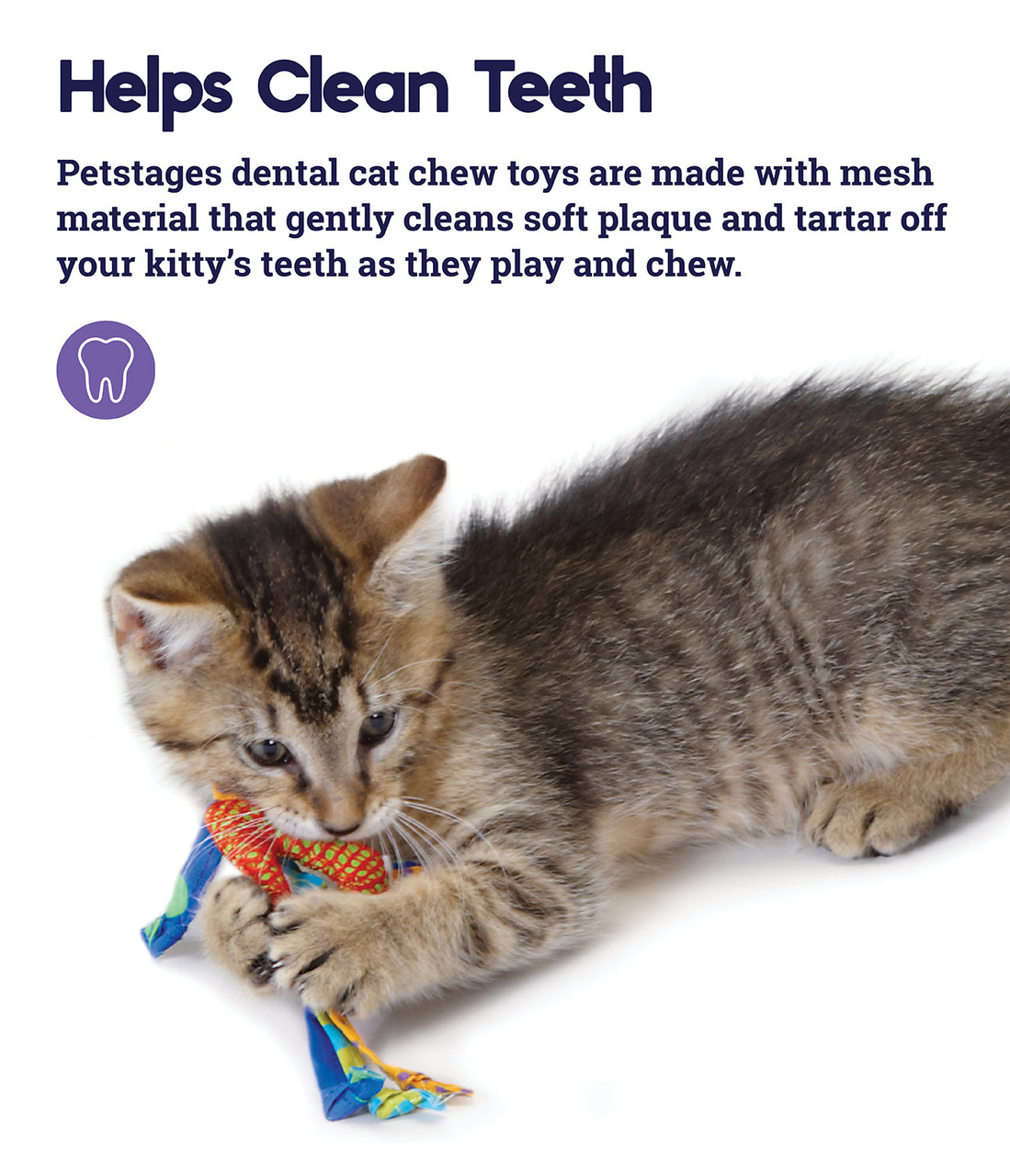
Are you worried about your cat’s dental health? You might have heard that dental toys can help keep their teeth clean.
But do these toys really remove tartar from your cat’s teeth? If you want to know whether dental toys are enough to fight tartar buildup or if you need something more, this article is for you. Keep reading to discover the truth about dental toys and how they impact your cat’s oral hygiene.
Your cat’s smile could depend on what you learn next!

Credit: qmcc.org
Dental Toys And Tartar Removal
Dental toys have become popular tools for keeping your cat’s teeth cleaner and healthier. But do they actually remove tartar? Understanding how these toys work can help you decide if they should be part of your cat’s dental care routine.
How Dental Toys Work
Dental toys are designed to encourage chewing, which helps scrape off soft plaque from your cat’s teeth. The mechanical action of chewing can massage the gums and reduce the buildup of food particles. This constant abrasion can slow down tartar formation, but it mostly targets the softer, newer deposits rather than hardened tartar.
Materials That Help Clean Teeth
Some dental toys use special materials to boost cleaning effectiveness. Rubber and nylon are common because their textured surfaces help dislodge debris. Certain toys are infused with enzymes or have ridges and grooves that reach between teeth, enhancing plaque removal during play.
Limitations In Removing Tartar
Tartar is hardened plaque that sticks firmly to teeth, often below the gum line. Dental toys can’t break down this hardened material. If tartar is already present, professional cleaning by a vet is necessary. Relying solely on toys might give you a false sense of security about your cat’s oral health.

Credit: www.amazon.com
Tartar Formation In Cats
Tartar formation in cats is a common dental issue that often goes unnoticed until it causes discomfort or more serious health problems. Understanding how tartar builds up can help you take better care of your cat’s oral health. It’s not just about maintaining a clean mouth; it’s about preventing pain and potential infections that can affect your cat’s overall well-being.
Causes Of Tartar Buildup
Tartar forms when plaque—a sticky film of bacteria—hardens on your cat’s teeth. This usually starts when food particles and saliva mix and aren’t cleaned away regularly. Cats who eat soft food or have poor dental hygiene are more likely to develop tartar quickly.
Did you know that some cats are genetically more prone to tartar? Certain breeds may need extra attention when it comes to dental care. Have you noticed your cat chewing less or avoiding dry food? These could be signs tartar is building up.
Risks Of Untreated Tartar
If tartar is left untreated, it can lead to gum disease and tooth decay. This not only causes pain but can also affect your cat’s ability to eat properly. Bacteria from tartar can enter the bloodstream, leading to infections in other organs such as the heart and kidneys.
Your cat can’t tell you when it hurts, so visible signs often appear too late. Ignoring tartar buildup means risking costly veterinary treatments. Wouldn’t you want to prevent health issues before they start?
Signs Of Oral Issues
Look out for bad breath, red or swollen gums, and difficulty eating. Your cat might paw at its mouth or drool more than usual. These signs suggest that tartar has caused irritation or infection.
Sometimes, you might notice loose or missing teeth. If your cat shows any of these symptoms, it’s time to consult your vet. Early detection can save your cat from discomfort and more serious health problems down the line.
Effective Oral Care Strategies
Keeping your cat’s teeth clean is crucial for their overall health. Effective oral care strategies go beyond relying solely on dental toys. Combining multiple approaches ensures tartar doesn’t build up and cause pain or infections.
Regular Brushing Techniques
Brushing your cat’s teeth regularly is one of the best ways to control tartar. Use a toothbrush designed for cats and a pet-safe toothpaste. Start slowly—let your cat get used to the brush by gently rubbing their gums with your finger first.
Consistency is key. Aim for brushing at least 2-3 times a week. You might be surprised how quickly your cat adapts once they realize it doesn’t hurt. Have you noticed how much fresher their breath smells after a good brushing session?
Professional Dental Cleanings
Even with diligent home care, professional cleanings by a vet are essential. These cleanings reach areas you can’t, removing hardened tartar safely. Your vet can also spot early signs of dental disease before it becomes serious.
Schedule cleanings based on your cat’s age and dental health. For some cats, an annual visit is enough; others need more frequent attention. How often do you take your cat for a dental checkup?
Diet And Chew Treats
What your cat eats plays a big role in dental health. Dry kibble can help scrape off plaque, unlike wet food that tends to stick to teeth. There are also special dental diets designed to reduce tartar buildup.
Chew treats and dental toys add extra help by encouraging chewing, which naturally cleans teeth. But don’t rely on them alone—think of these as a supplement to brushing and professional care. Have you noticed your cat enjoying a dental treat that actually helps their teeth?
Choosing The Right Dental Toys
Choosing the right dental toys for cats is essential for their health. Dental toys can help reduce tartar and keep your cat’s teeth clean. But, not all toys are created equal. Selecting the right one ensures safety and effectiveness.
Safe And Durable Options
Safety is crucial when picking dental toys for cats. Choose toys made from non-toxic materials. They should not break easily. Durability ensures the toy lasts longer and remains effective. Avoid toys with small parts that cats could swallow. Look for toys that withstand rough play.
Features That Promote Cleaning
The best dental toys have features that aid in cleaning. Textures like ridges and bumps help scrub away tartar. Some toys are infused with catnip, making them more attractive. Toys that encourage chewing are ideal. Chewing naturally helps reduce tartar build-up.
Recommended Brands For Cats
- Petstages:Offers durable and effective dental toys.
- Hartz:Known for their safe and engaging designs.
- SmartyKat:Provides catnip-infused options that cats love.
These brands focus on safety, durability, and effectiveness. They offer a variety of options to suit different cats’ preferences.
Combining Dental Toys With Other Care
Dental toys can be a great way to keep your cat’s teeth cleaner and reduce tartar buildup. But relying on them alone may not be enough for a complete oral care routine. Combining dental toys with other care methods can give your cat’s mouth the best protection and help catch problems early.
Routine Vet Checkups
Regular visits to the vet are essential for your cat’s oral health. Vets can spot tartar and gum disease that you might miss at home. During these checkups, professional cleanings might be recommended to remove tartar buildup that dental toys can’t handle.
Think about how often you schedule these visits. Could more frequent checkups help keep your cat’s teeth healthier? Your vet can guide you on the best schedule based on your cat’s needs.
Using Dental Rinses And Gels
Dental rinses and gels add another layer of protection against plaque and tartar. These products often contain ingredients that fight bacteria and freshen breath. Applying them alongside dental toys can boost your cat’s oral hygiene.
Some cats may resist rinses or gels at first, but patience and gentle handling can make it easier. Have you tried different flavors or application methods to see what your cat prefers?
Monitoring Oral Health Progress
Keeping track of your cat’s oral health helps you notice improvements or problems early. Check their teeth and gums regularly for signs of redness, swelling, or bad breath. Taking photos over time can make it easier to spot changes.
Are you keeping a simple log or notes to track your cat’s dental health? This habit can alert you to when it’s time to adjust care or visit the vet.

Credit: www.amazon.com
Frequently Asked Questions
Do Dental Toys Remove Tartar From Cats Effectively?
Dental toys help reduce plaque but do not fully remove tartar on cats. Tartar requires professional cleaning by a vet. Toys promote chewing, which aids dental health but cannot replace regular dental care.
Can Dental Toys Prevent Tartar Buildup In Cats?
Yes, dental toys can help prevent tartar by encouraging chewing. Chewing stimulates saliva production, which helps reduce plaque. However, they should be part of a complete dental care routine for best results.
Are Dental Toys Safe For Cats To Use Daily?
Most dental toys are safe for daily use if made from non-toxic materials. Always supervise your cat to avoid choking hazards. Choose toys designed specifically for cats’ dental health needs.
How Often Should Cats Use Dental Toys For Best Results?
Daily use of dental toys is recommended for optimal dental health. Regular chewing helps control plaque buildup. Combine with brushing and vet check-ups for comprehensive care.
Conclusion
Dental toys can help keep cats’ teeth cleaner. They reduce plaque and slow tartar buildup. But toys alone may not remove all tartar. Regular vet check-ups are important to keep teeth healthy. Brushing your cat’s teeth often works best with toys.
Healthy teeth mean a happier, pain-free cat. Use dental toys as part of a good dental care routine. Keep your cat’s smile bright and strong every day. Simple steps make a big difference in your cat’s health.


Leave a Reply