Have you ever wondered how the cats we see today became so diverse? From sleek Siamese to fluffy Maine Coons, cat breeds have changed in surprising ways over time.
Understanding these changes can help you appreciate your feline friend even more. If you’re curious about what shaped your cat’s looks and personality, keep reading. You’ll discover fascinating facts that might change how you see your furry companion forever.

Credit: www.aol.com
Evolution Of Cat Breeds
The evolution of cat breeds is a fascinating journey that reflects both natural adaptation and human influence. Over time, certain traits were favored, leading to the wide variety of cats we see today. Understanding this evolution helps you appreciate the unique characteristics your cat carries and how these came to be.
Origins Of Popular Breeds
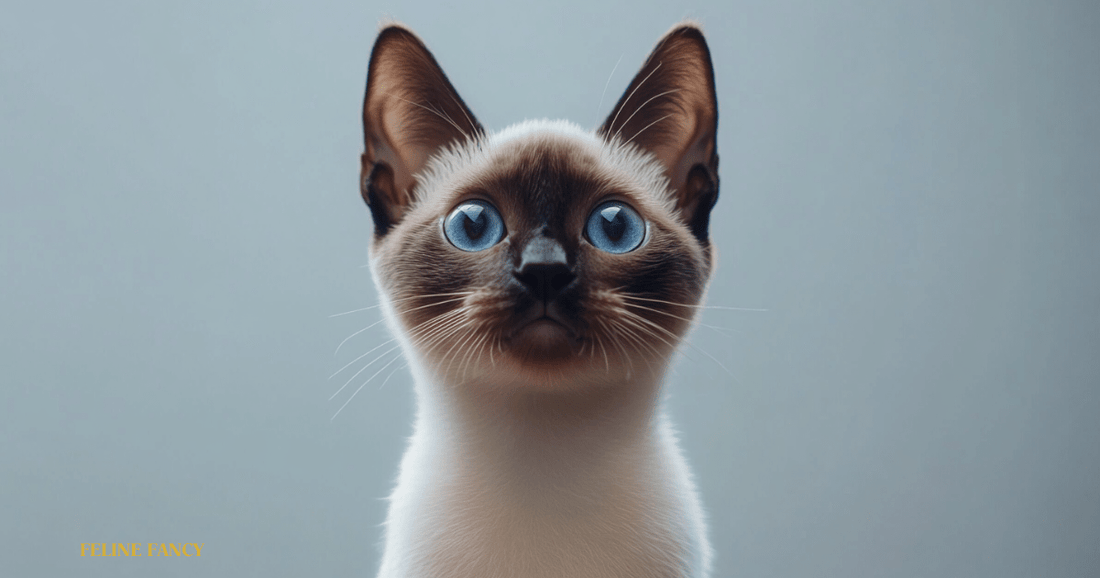
Many popular cat breeds have roots tracing back hundreds or even thousands of years. The Siamese, for example, comes from Thailand and was originally prized for its striking color points and slender body.
The Maine Coon, known for its large size and tufted ears, evolved in the northeastern United States, adapting to cold climates with its thick fur. These origins show how environment and culture shaped different breeds.
Do you know where your cat’s ancestors lived and how that influenced their looks and behavior?
Historical Breeding Practices
Early breeders focused on traits like coat color, size, and temperament to create distinct breeds. In the 19th century, cat shows pushed breeders to emphasize physical standards, sometimes at the cost of health.
Selective breeding often involved pairing cats with desired traits, but it could also lead to issues like genetic disorders. Today, many breeders strive to balance beauty with the cat’s well-being.
Think about this: how much should appearance matter compared to a cat’s health and personality when choosing a breed?
Rising Popularity Of Hybrid Cats
Hybrid cats are gaining attention in the world of pet ownership. These unique felines combine traits of domestic and wild cat species. Their exotic looks and playful nature attract many pet lovers. But what makes these hybrids so popular today?
Crossbreeding Domestic And Wild Cats
Breeders create hybrid cats by mixing domestic cats with wild species. Popular hybrids include the Bengal and Savannah cats. Bengals have leopard-like spots, while Savannahs have a wild, serval-like appearance. Crossbreeding aims to blend beauty and temperament from both worlds. These hybrids often retain wild traits, making them unique and fascinating pets.
Controversies And Regulations
Hybrid cats stir debates among animal experts and pet owners. Some argue these cats may face health and behavior issues. Others believe hybrids can harm local wildlife if they escape. Regulations vary by region, with some places banning hybrid ownership. Potential owners must research and understand local laws. It’s vital to ensure these cats are suitable for their environment.
Shift In Physical Traits
The physical traits of cat breeds have shifted noticeably over time. Breeders and cat enthusiasts have influenced these changes. Cats now show a wider range of appearances. These shifts reflect human tastes and new breeding goals.
Traits like coat patterns, colors, size, and body shape have evolved. This evolution makes each breed distinct from its past versions. It also affects how cats look and how people recognize them.
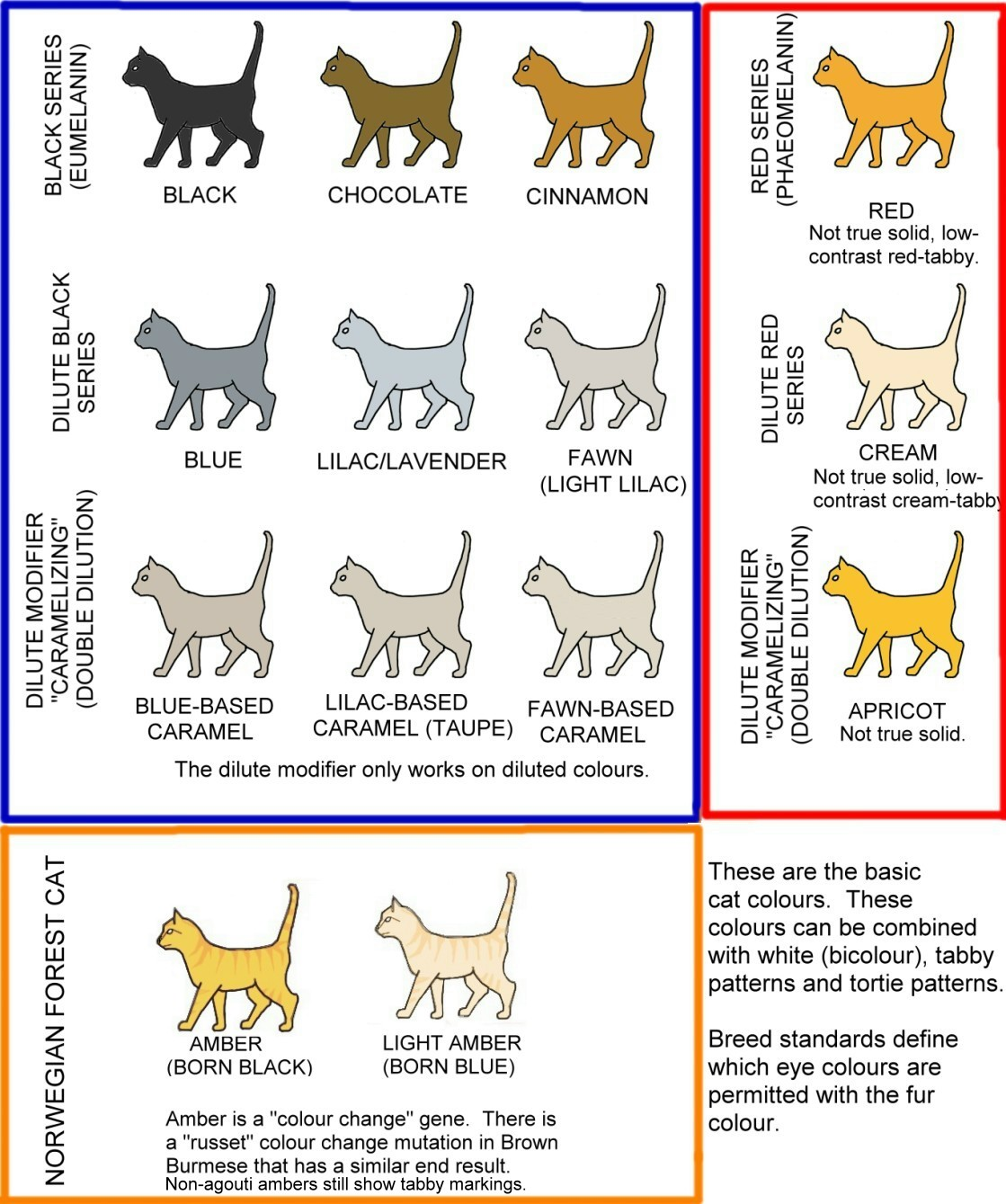
Changing Coat Patterns And Colors
Coat patterns and colors have become more diverse. Breeders select unique and rare patterns for appeal. Classic tabby stripes remain popular but mixed with new designs.
- More cats have bi-color and tri-color coats.
- New shades like lilac, cinnamon, and fawn appear often.
- Spotted and marbled patterns gain popularity in some breeds.
- Solid colors are still favored for their simplicity.
This variety attracts cat lovers who want distinctive pets. It also helps preserve breed uniqueness while adding fresh looks.
Size And Body Structure Trends
Cat sizes and body shapes now vary more than before. Some breeds grow larger, while others stay small and compact. Body structure changes highlight breed character and function.
- Large breeds like Maine Coons show more muscular builds.
- Small breeds emphasize sleek, slender forms for agility.
- Rounder faces and shorter noses appear in some breeds.
- Long-legged cats offer a graceful, elegant silhouette.
These trends reflect both natural adaptation and selective breeding. They shape how each cat breed is seen and loved today.
Behavioral Changes Over Time
Cats have not only changed in appearance over the years but also in how they behave. These behavioral shifts reflect their evolving roles in human homes and society. Understanding these changes can help you better connect with your feline friend and anticipate their needs.
Temperament Evolution
Cat breeds today often show calmer and more sociable temperaments than their ancestors. Breeding for temperament has shifted from focusing solely on hunting skills to emphasizing companionship qualities. For example, the Maine Coon is now known for its gentle and friendly nature, making it a favorite family pet.
Have you noticed how some cats seem more patient and affectionate than others? This change didn’t happen overnight—it reflects selective breeding and adaptation to human lifestyles. Your cat’s personality might be a result of generations of breeders prioritizing traits like friendliness and adaptability.
Adaptation To Indoor Living
As cats transitioned from outdoor hunters to indoor companions, their behaviors adjusted accordingly. Indoor cats tend to be less aggressive and more playful in confined spaces. This shift means they rely more on human interaction and environmental enrichment for mental stimulation.
Think about your own cat’s habits—does it enjoy interactive toys or seek out cozy spots near you? These preferences highlight their adaptation to indoor life. To keep your cat happy, provide plenty of play opportunities and cozy resting areas that mimic their natural instincts in a safe environment.
Impact Of Genetics And Technology
The impact of genetics and technology on cat breeds has been profound. These advances help breeders understand traits better. They also improve the health and diversity of cat breeds. Science guides breeding choices with more precision than before.
Genetics reveal inherited conditions. Technology provides tools to test and track these traits easily. This knowledge shapes how breeds develop and evolve. It supports healthier and happier cats across the world.
Genetic Testing Advances
Genetic testing identifies specific genes in cats. It spots risks for diseases early. Breeders use tests to avoid passing health problems. This reduces illness in future generations.
Tests also confirm purebred status. They show hidden traits not visible outside. Results help match cats better for breeding. This creates strong, healthy offspring with desired features.
Selective Breeding Techniques
Selective breeding focuses on improving certain traits. Breeders choose cats with the best genes to mate. Technology tracks traits and breeding outcomes clearly.
Modern methods include:
- DNA analysis to find ideal pairs
- Health screenings before breeding
- Recording family lines digitally
- Monitoring genetic diversity to avoid inbreeding
These techniques ensure breed standards stay true. They also protect cats from genetic problems. Breeding becomes more ethical and informed with science.

Credit: www.newsweek.com
Global Influence On Breed Preferences
The preferences for cat breeds have shifted dramatically due to global influences. As people connect across borders, the types of cats favored in one region often spread and gain popularity elsewhere. Understanding these changes can help you choose a breed that fits not just your lifestyle but also reflects evolving trends.
Regional Breed Popularity Shifts
Different parts of the world show unique preferences for cat breeds, which can change over time. For example, the Siamese cat has been popular in Southeast Asia for centuries but has gained a strong following in Europe and North America only recently.
Meanwhile, breeds like the British Shorthair remain a favorite in the UK but are now catching attention in Asia. These shifts happen because people travel more and share their love for specific breeds with others.
Have you noticed any new cat breeds becoming popular in your area? This could be a sign of changing tastes driven by cultural exchange.
Effect Of Social Media And Culture
Social media platforms have a huge impact on which cat breeds gain attention. Cute photos and videos of breeds like the Scottish Fold or the Sphynx often go viral, sparking interest worldwide.
Cultural trends also play a role. For instance, the rise of minimalistic living has boosted the popularity of smaller or low-maintenance breeds. You might find yourself drawn to a breed simply because it fits the lifestyle trends you follow online.
Think about how your social feeds influence your preferences. Are you more likely to consider a breed you’ve seen trending? This is a powerful example of how culture shapes what we love in pets.
Future Trends In Cat Breeding
The future of cat breeding is shaping up to be as fascinating as it is complex. As breeders and enthusiasts look ahead, new trends are emerging that could redefine what we expect from our feline companions. You might wonder how these trends will affect the cats you know and love, as well as the ethics behind breeding practices.
Emerging New Breeds
New cat breeds are appearing more frequently, driven by both natural genetic variations and selective breeding. These breeds often showcase unique traits, such as unusual coat patterns, eye colors, or body shapes that catch the eye.
Breeders are now experimenting with crossing existing breeds to combine their best qualities. This can lead to cats that are healthier or have more appealing temperaments. Have you noticed any new breeds gaining popularity in your local pet community?
For example, the Lykoi, sometimes called the “werewolf cat,” has gained attention for its sparse fur and wild look. Such breeds reflect how creativity and genetics come together in unexpected ways.
Ethical Considerations
With new breeds come important questions about the welfare of the cats involved. Ethical breeding means prioritizing health and temperament over appearance alone.
You might ask yourself: Are breeders ensuring these cats won’t suffer from genetic disorders? Are the cats given a good quality of life during and after breeding?
Some breeders now use DNA testing and health screenings to avoid passing on hereditary issues. This approach helps protect the future generations of cats and supports responsible ownership.
As a cat lover, supporting breeders who put ethics first can make a real difference. What standards do you think should be non-negotiable in cat breeding?
Credit: www.smithsonianmag.com
Frequently Asked Questions
How Have Cat Breeds Evolved Over Time?
Cat breeds have evolved through selective breeding and natural adaptation. Humans influenced traits like size, coat, and behavior. Modern breeds reflect both ancient origins and recent genetic developments. This evolution shows changes in breed popularity and physical characteristics over centuries.
What Factors Influenced Changes In Cat Breeds?
Changes in cat breeds were influenced by environment, human preferences, and genetics. Breeders selected traits for appearance, temperament, and health. Geographic isolation and crossbreeding also contributed to breed diversity. These factors combined to create the wide variety of cats seen today.
How Do Modern Cat Breeds Differ From Ancient Cats?
Modern cat breeds often have distinct physical traits compared to ancient cats. Selective breeding emphasized specific colors, patterns, and body shapes. Ancient cats were more uniform and adapted naturally. Today’s breeds showcase human-driven changes for aesthetics and personality.
Why Are Some Cat Breeds More Popular Now?
Popularity of cat breeds depends on appearance, personality, and cultural trends. Media exposure and breed availability also impact demand. Breeds with unique looks or friendly temperaments often attract owners. Popularity shifts as new breeds emerge and preferences evolve.
Conclusion
Cat breeds have changed a lot over the years. People have bred cats for different looks and traits. This has created many unique and interesting types. Some breeds are now rare, while others are very common. These changes show how humans and cats have grown together.
Understanding this helps us appreciate cats more. Each breed has its own story and charm. Cats continue to surprise us with their variety. They remain beloved pets worldwide.

Leave a Reply