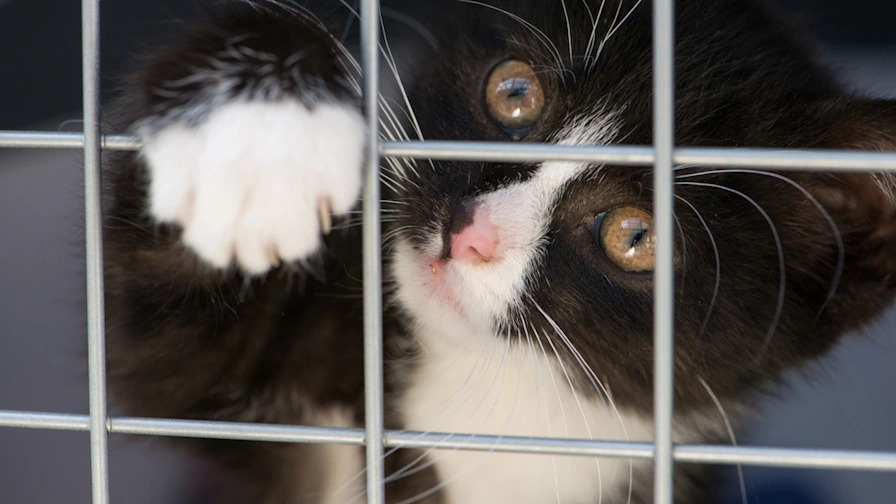
Have you ever watched your cat growl while playing with a toy and wondered why? It can feel confusing or even a little unsettling when your furry friend makes those unexpected sounds during playtime.
But understanding why your cat growls can help you connect better with them and make playtime more enjoyable for both of you. You’ll discover the surprising reasons behind this behavior and learn how to respond in ways that keep your cat happy and comfortable.
Keep reading—you might see your cat’s play in a whole new light.

Credit: www.reddit.com
Cat Growling Basics
Understanding why your cat growls while holding a toy starts with knowing the basics of cat growling. Growling is a vocal signal cats use to express feelings and intentions. It helps them communicate with humans and other animals. Cats use different sounds to show their mood, and growling is one of the more serious ones. This behavior can mean many things depending on the situation and the cat’s personality.
Common Cat Vocalizations
Cats use various sounds to talk. Each sound has a meaning. Here are some typical vocalizations:
- Meowing – Usually to get attention or ask for something.
- Purring – Shows contentment or comfort.
- Hissing – Indicates fear or warning.
- Chirping – Often used when spotting prey or feeling excited.
- Growling – Signals discomfort, warning, or guarding.
Growling is less common than meowing or purring but carries a strong message. It is often a warning sound.
Reasons Cats Growl
Growling can happen for several reasons. Here are the main causes:
- Protecting a toy or object they value.
- Feeling threatened or scared.
- Showing dominance or guarding territory.
- Expressing frustration during play or interaction.
- Warning others to stay away.
When your cat growls while holding a toy, it likely means they want to keep it safe. This behavior is normal and shows their natural instinct to protect what they consider theirs.
Growling During Play
Growling during play is a common behavior in cats. It often surprises owners when their usually quiet pet suddenly growls while holding a toy. This sound can mean different things depending on the situation. Understanding why your cat growls helps you respond correctly. It also improves your playtime with your furry friend.
Types Of Toys That Trigger Growling
Some toys make cats more likely to growl. Toys that mimic prey, such as feather wands or small stuffed mice, often trigger this behavior. These toys excite a cat’s hunting instincts. A cat may growl to show possession of the toy or to express excitement.
Hard toys like balls or plastic mice may not cause growling. Soft toys that can be carried or “killed” are more likely to provoke growling. Your cat may see these toys as valuable or as a challenge to protect.
Play Aggression Vs. Fear
Growling can come from play aggression or fear. Play aggression happens when a cat gets very excited during play. The growl is a sign of intense focus and energy. It is usually harmless and part of the fun.
Fear-based growling is different. It sounds more urgent and is a warning. The cat may feel threatened or stressed. This type of growling means the cat wants to stop the play or move away.
Watch your cat’s body language to tell the difference. Relaxed posture and wagging tail show play aggression. Stiff body, wide eyes, or flattened ears point to fear. Adjust your play style to keep your cat comfortable and happy.
Emotions Behind Growling
Your cat’s growl while playing with a toy can be puzzling. It’s not just a random sound; there’s a whole range of emotions at play. Understanding these can help deepen your bond with your feline friend and ensure a happy, playful environment.
Excitement And Frustration
Have you ever noticed your cat’s eyes light up during play? This excitement can lead to growling, especially if they’re deeply engrossed. It’s their way of expressing intense engagement.
On the flip side, frustration can also cause growling. If your cat can’t catch their “prey,” they might vocalize their annoyance. It’s a reminder for you to mix up the play routine and keep it challenging yet fun.
Territorial Behavior
Cats are naturally territorial creatures. When your cat growls while clutching a toy, it might be claiming it as its own. This behavior can be traced back to their instinct to protect valuable resources.
Think about introducing new toys gradually. This can help mitigate possessiveness and ensure a peaceful playtime. Have you ever tried rotating toys to keep things fresh and interesting for your cat?

Credit: www.yahoo.com
How Cats Communicate With Growls
Cats use growling to express many feelings. It is a sound that carries meaning beyond just a warning. Understanding these growls can help you know what your cat feels. Their growls often show emotions during play or defense. This section explains how cats communicate through growls.
Warning Signals
Growling often serves as a warning. Cats use it to protect their toys or space. The sound tells others to stay away. It means the cat feels threatened or uneasy. Growling warns before a possible attack. It helps avoid fights by signaling danger early. This keeps the cat safe and comfortable.
Bonding And Play Signals
Growling can also be part of play. Cats may growl softly while playing with toys. This shows excitement and engagement. It helps them bond with their owners or other cats. Sometimes growling is mixed with purring or chirping. It is a sign of fun, not anger. Understanding this can improve your playtime with your cat.
Managing Growling During Play
Managing growling during play helps keep interactions safe and fun. Cats may growl to protect their toy or show excitement. Understanding how to manage this behavior improves playtime.
Choosing Appropriate Toys
Pick toys that are safe and suit your cat’s play style. Soft toys and interactive wands work well. Avoid small toys that your cat can swallow. Toys that mimic prey encourage natural hunting behavior.
Rotate toys often to keep your cat interested. New toys reduce possessiveness and protectiveness during play.
Encouraging Positive Play Behavior
Use gentle praise when your cat plays without growling. Reward calm behavior with treats or petting. Redirect your cat’s attention if growling starts. Offer a new toy or a break from play.
Never punish growling. It may cause fear or aggression. Consistency and patience help your cat learn better play habits.
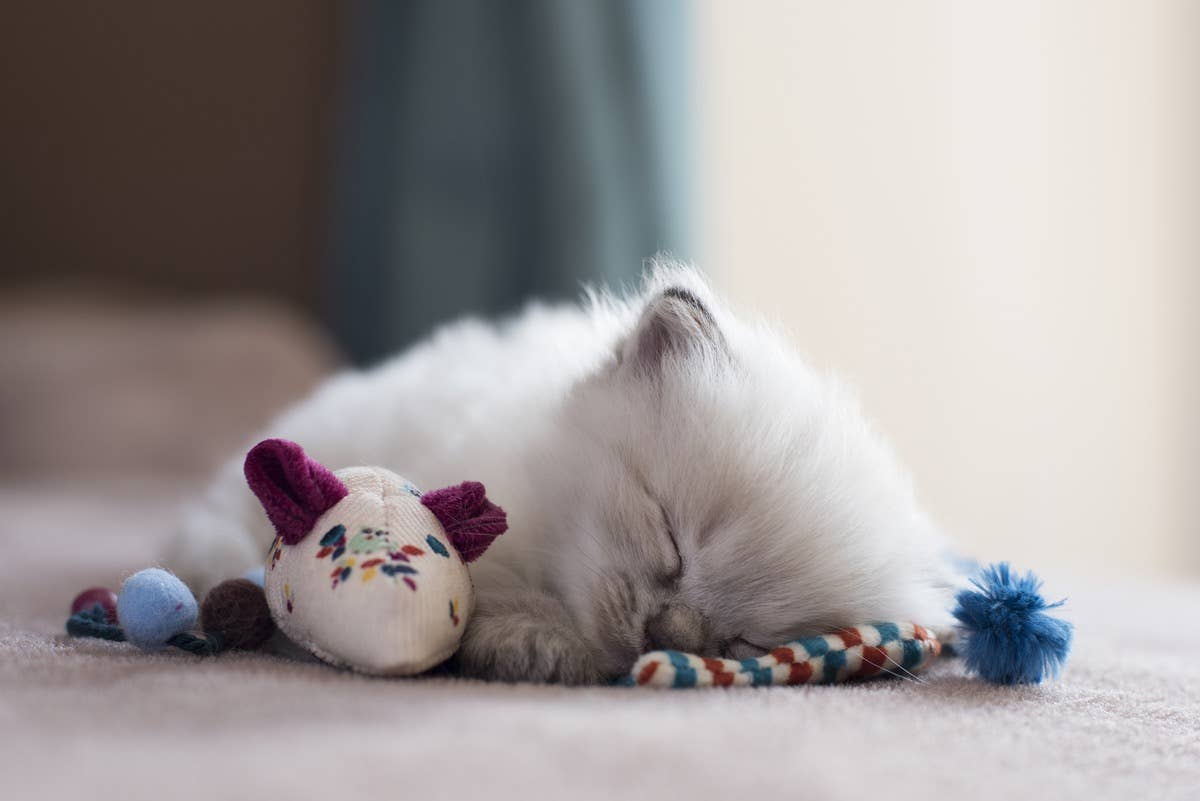
Credit: paradepets.com
When To Seek Help
Knowing when to seek help is important if your cat growls while playing with toys. Sometimes, growling is normal, but other times it could signal a bigger issue that needs attention. Recognizing the right moment to get advice can protect your cat’s well-being and keep your home peaceful.
Signs Of Aggression
Not all growling is aggressive, but if your cat shows certain behaviors, it’s time to pay closer attention. Watch for:
- Hissing or spitting alongside growling
- Swatting or biting at you or other pets
- Stiff body posture or flattened ears
- Refusal to let go of the toy or guarding it fiercely
If your cat’s growling comes with these signs, it may be more than just playful behavior. This kind of aggression can cause injuries or increase stress for both you and your cat.
Consulting A Veterinarian Or Behaviorist
If you notice aggressive signs or if your cat’s growling feels intense and frequent, consulting a professional is a smart move. A veterinarian can rule out health problems causing irritability, like pain or discomfort.
Behaviorists specialize in understanding your cat’s emotions and triggers. They can offer training tips or strategies to reduce aggression linked to toys or playtime.
Have you ever noticed your cat growling only during specific games? Sharing these details with experts helps them tailor advice to your cat’s unique needs. Getting help early can make playtime fun and safe again for everyone.
Frequently Asked Questions
Why Does My Cat Growl While Playing With Toys?
Cats growl during play as a natural instinct. It mimics hunting behavior, showing excitement or mild frustration. This vocalization helps them express emotions and simulate real-life scenarios, enhancing their play experience.
Is My Cat Growling A Sign Of Aggression With Toys?
Not always. Growling during play often signals excitement or possessiveness, not aggression. Watch for other signs like hissing or biting to determine if behavior is aggressive or playful.
How Can I Stop My Cat From Growling At Toys?
Provide interactive toys and play gently to reduce growling. Offer positive reinforcement and avoid forcing play. Understanding your cat’s mood helps prevent frustration that causes growling.
Does Growling Mean My Cat Is Stressed With Toys?
Sometimes. Growling can indicate stress or overstimulation during play. Observe your cat’s body language and give breaks if they seem anxious or overwhelmed.
Conclusion
Cats growl at toys to show excitement or protect their prize. It is a natural way for them to express feelings. Understanding this helps you bond with your pet better. Watch their body language to know their mood. Giving them space during growling can calm them down.
Playtime becomes more fun when you respect their signals. Remember, growling does not always mean anger or fear. It often means your cat feels happy or playful. Patience and care make your cat feel safe and loved.

Leave a Reply