Are you thinking about breeding your female cat but unsure when the right time is? Knowing how old your cat should be before breeding is crucial for her health and the wellbeing of her kittens.
Breeding too early or too late can lead to serious problems. You’ll discover the best age for your cat to start breeding, what signs to watch for, and how to ensure a safe and successful experience. Keep reading to learn how to make the best choice for your furry friend’s future.

Credit: www.sydney.edu.au
Ideal Age For Breeding
Choosing the right age to breed a female cat is vital for her health and the kittens’ well-being. Breeding too early can cause health problems, while waiting too long might reduce fertility. The ideal age balances physical growth and emotional readiness. Most experts agree that a female cat should reach full maturity before breeding.
Physical Maturity Signs
Physical maturity is a key factor. A female cat usually reaches this stage between 1 and 2 years old. Look for signs like:
- Fully grown body size
- Healthy weight and muscle tone
- Regular heat cycles
- Strong teeth and claws
These signs show the cat’s body can handle pregnancy and nursing. Breeding before full growth may lead to complications.
Emotional Readiness
Emotional maturity is as important as physical growth. A calm and confident cat adjusts better to pregnancy and motherhood. Watch for behaviors such as:
- Stable social interactions
- Low stress levels
- Comfort with handling and new environments
- Ability to eat and rest well
Emotionally ready cats cope with the demands of raising kittens. Stress or anxiety can harm both mother and babies.

Credit: www.petscare.com
Health Requirements
Ensuring your female cat meets essential health requirements before breeding is key to her well-being and the health of her kittens. Proper health care reduces risks during pregnancy and delivery. It also sets a strong foundation for the next generation.
Vaccinations And Vet Checks
Your cat must be up-to-date on vaccinations before breeding. Vaccines protect her from diseases that could harm her or her kittens. Common vaccines include those for feline distemper, calicivirus, and rabies.
Regular vet checks are equally important. A vet can spot any hidden health issues like infections or parasites. Before breeding, your cat should have a full physical exam and blood tests to check for diseases such as feline leukemia virus (FeLV) and feline immunodeficiency virus (FIV).
Have you ever considered how unnoticed illnesses might affect pregnancy? Early detection can save lives and prevent complications.
Nutritional Needs
Good nutrition fuels your cat’s body for pregnancy and nursing. Before breeding, provide a balanced diet rich in protein, vitamins, and minerals. High-quality commercial cat food labeled for all life stages usually works well.
Supplements might be necessary if your cat’s diet lacks certain nutrients. Talk to your vet about adding taurine, calcium, or omega-3 fatty acids. These nutrients support healthy fetal development and milk production.
Think about your cat’s energy needs. A pregnant cat’s calorie requirements increase significantly. Adjust her food portions gradually to avoid sudden weight changes that could stress her body.
Breeding Cycle Timing
The timing of a cat’s breeding cycle is crucial for her health. Understanding this timing ensures that the breeding process is safe and successful. Female cats, or queens, have a specific cycle. This cycle determines when they are most fertile. Proper timing can lead to healthier litters and a healthier mother.
Heat Cycles Explained
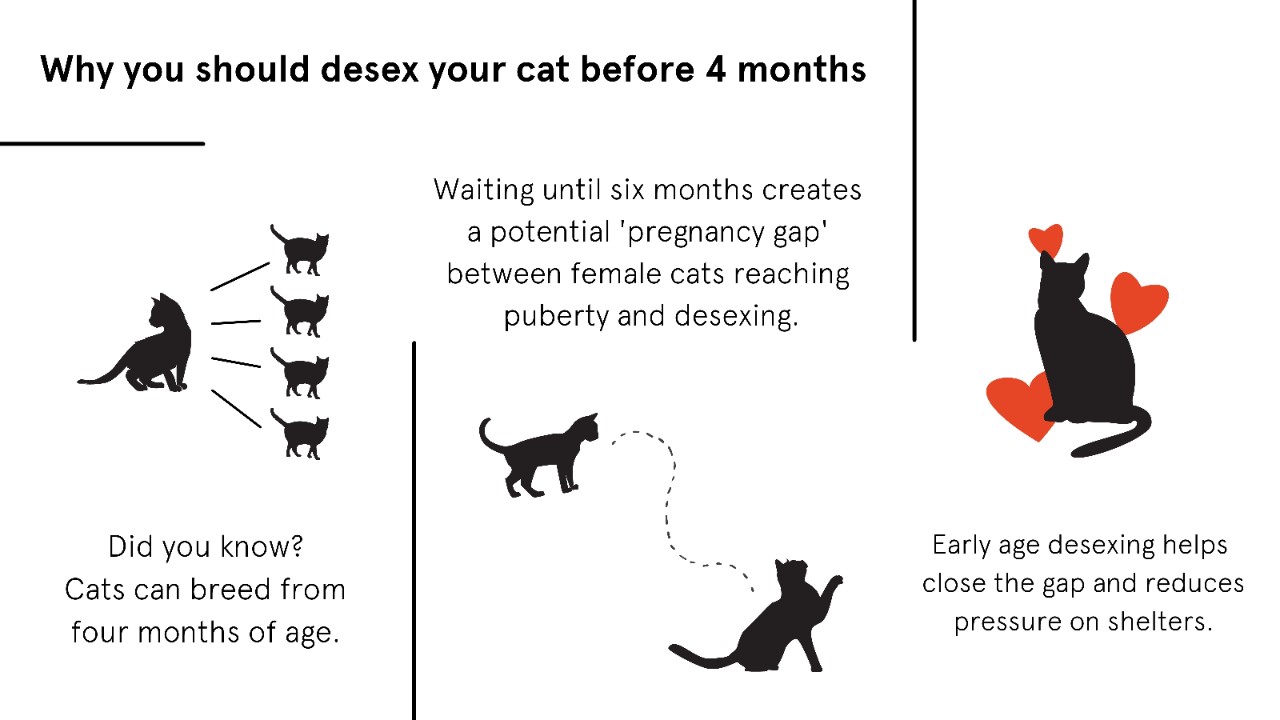
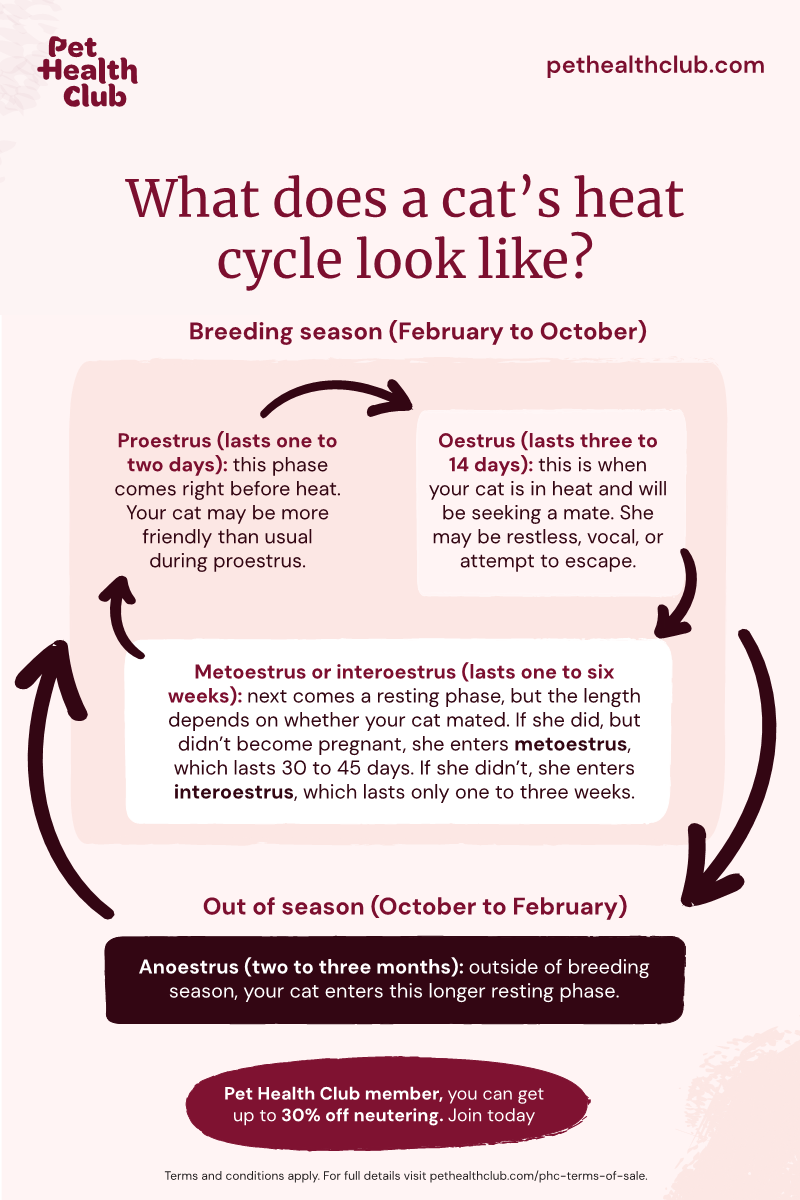
Female cats experience heat cycles, known as estrus. These cycles can start as early as four months of age. During heat, a cat is fertile and ready to mate. Cats can have multiple heat cycles in a year. Each cycle lasts about one to two weeks. Signs include increased vocalization and affectionate behavior. Understanding these signs helps in determining the best time for breeding.
Best Breeding Windows
The ideal breeding window occurs during a cat’s heat cycle. Breeding during this time increases the chance of pregnancy. Queens can enter heat every two to three weeks. This provides multiple opportunities for breeding. The best age for breeding is around 12 to 18 months. At this age, the cat is mature and healthier for reproduction. Waiting until this age ensures better outcomes for both mother and kittens.
Risks Of Early Breeding
Breeding a female cat too early can lead to serious risks that affect her health and development. It’s important to understand these dangers before deciding to breed your cat. Are you ready to see why waiting is not just a recommendation, but a necessity?
Health Complications
Breeding a cat before she is physically mature can cause significant health issues. Young cats may suffer from difficult pregnancies and increased chances of miscarriage. Their small size can lead to complications during labor, sometimes requiring emergency veterinary care.
In addition, early breeding raises the risk of infections such as uterine infections and can weaken your cat’s immune system. Have you noticed how much energy your young cat still needs just to grow? Pregnancy can drain that energy quickly, putting her at risk.
Impact On Growth
Your cat’s body is still developing during her first months of life. Early pregnancy diverts essential nutrients from growth to the developing kittens. This can stunt her growth, leaving her smaller and weaker than she should be.
Many cat owners don’t realize that a young cat’s bones and muscles may not be strong enough to handle pregnancy and motherhood. This can lead to long-term health problems. How would you feel if your cat’s future health was compromised simply because she bred too soon?
Breeding Ethics
Breeding ethics play a crucial role in determining the right time to breed a female cat. It’s not just about age but about health, wellbeing, and the future of the kittens. Ethical breeding respects the cat’s physical and emotional needs while ensuring responsible care for the offspring.
Responsible Breeding Practices
Breeding should only happen when a female cat is mature enough, usually after she reaches at least one year old. This ensures her body is fully developed to handle pregnancy and birth safely. Rushing breeding too early can lead to serious health problems for both the mother and her kittens.
Good breeders prioritize health screenings for genetic diseases before breeding. They also avoid breeding cats with poor temperaments or health issues to prevent passing problems to the next generation. Have you thought about the long-term impact on the cat’s health and the kittens’ wellbeing when you decide to breed?
Breeder’s Role
Your role as a breeder is more than just pairing cats and counting kittens. You must provide proper prenatal and postnatal care, ensuring the mother cat receives adequate nutrition, veterinary checkups, and a stress-free environment. This care directly affects the quality of life for both mother and kittens.
Breeders should also be prepared to find responsible homes for the kittens, educating new owners about care and commitment. Ethical breeders never breed just for profit but focus on improving the breed and supporting animal welfare. Are you ready to commit the time and resources needed to meet these responsibilities?
Signs Of Readiness
Recognizing when your female cat is ready to breed is essential for her health and the success of the pregnancy. Signs of readiness go beyond just age; they include clear behavioral and physical signals that you should watch closely. Understanding these signs helps you make informed decisions about breeding at the right time.
Behavioral Changes
Your cat’s behavior will shift noticeably as she approaches breeding readiness. She may become more vocal, often meowing or yowling louder and more frequently. This is her way of signaling she is in heat and receptive to mating.
Alongside increased vocalization, you might notice your cat rubbing against furniture, walls, or even you. This is her way of spreading her scent to attract potential mates. Restlessness and pacing are also common as she seeks attention and stimulation.
Have you observed your cat suddenly becoming more affectionate or, conversely, more irritable? These mood swings are typical during her heat cycle and indicate hormonal changes preparing her for reproduction.
Physical Indicators
Physical signs give you concrete clues about your cat’s breeding readiness. One clear indicator is the swelling and redness of her vulva, which becomes more pronounced during heat. This change is a direct sign that her reproductive system is active.
Another sign is increased grooming of the genital area. This behavior helps keep the area clean and signals her readiness to mate. You might also notice a slight discharge, which is normal during this phase.
Weight and body condition matter too. Your cat should have reached full physical maturity, usually around 12 months old, with a healthy weight and muscle tone. Breeding a cat that is too young or underweight can lead to health complications for both mother and kittens.
Post-breeding Care
Post-breeding care is crucial for the health of the female cat and her kittens. It ensures a smooth pregnancy and prepares the mother for delivery. Proper care reduces risks and supports the well-being of both mother and babies.
Monitoring Pregnancy
Watch the female cat closely after breeding. Look for signs of pregnancy like changes in appetite and behavior. Regular vet check-ups help confirm pregnancy and track its progress. Monitor for any unusual symptoms, such as vomiting or lethargy. Early detection of problems can save lives.
Nutrition And Rest
Feed the pregnant cat a high-quality diet made for pregnancy or growth. Increase food portions as the pregnancy advances. Provide fresh water at all times. Create a quiet, comfortable space for rest. Avoid stressful situations and limit handling. Rest supports healthy development of kittens and keeps the mother strong.
Credit: www.pethealthclub.com
Frequently Asked Questions
At What Age Can A Female Cat Safely Breed?
Female cats should be at least 1 year old before breeding. This ensures they are physically mature and healthy enough for pregnancy. Breeding too early can cause health issues for both the mother and kittens.
How To Know If My Female Cat Is Ready To Breed?
Signs include regular heat cycles, healthy weight, and strong immune system. A vet check-up is essential to confirm reproductive health before breeding. Proper care improves chances of a safe pregnancy and healthy kittens.
Why Is Breeding A Female Cat Too Young Risky?
Breeding too early can harm the cat’s growth and health. It increases risks of complications during pregnancy and delivery. Young cats may also produce weaker kittens with health problems.
How Often Should A Female Cat Be Bred?
It’s best to limit breeding to once or twice a year. Frequent pregnancies can weaken the cat and reduce her lifespan. Proper rest between litters helps maintain overall health.
Conclusion
A female cat should be mature before breeding. Usually, she is ready around six months old. Waiting ensures she is healthy and strong. Early breeding can cause health problems for her and her kittens. Always check with a vet before starting.
Proper care helps both mother and babies thrive. Breeding too soon risks complications and poor growth. Patience and care make a big difference. Remember, a healthy cat makes healthy kittens. Take time to prepare and support her fully.

Leave a Reply