Have you ever wondered where your favorite cat breed originally comes from? Understanding the roots of different cat breeds can deepen your connection with your furry friend and make you appreciate their unique traits even more.
Whether you love the sleek Siamese, the fluffy Maine Coon, or the mysterious Bengal, knowing their origins will surprise and delight you. Keep reading to discover fascinating stories behind the cats you know and love—and see how their history shapes who they are today.
Ancient Cat Breeds
Ancient cat breeds have a rich history that traces back thousands of years. These cats were companions to early civilizations and often held special places in culture and mythology. Their unique features and origins tell stories of the past and show how humans and cats have lived together for ages.
Egyptian Mau
The Egyptian Mau is one of the oldest known cat breeds. It comes from Egypt, where it was admired for its spotted coat. This breed is fast, agile, and has a graceful body. Ancient Egyptians saw the Mau as a sacred animal and often depicted it in their art.
Siamese
Siamese cats come from Thailand, once called Siam. They have striking blue eyes and a sleek body. Siamese cats were kept by royalty and believed to bring good luck. Their vocal nature and affectionate personality make them very popular today.
Persian
Persian cats originated in Persia, now Iran. They are famous for their long, thick fur and calm demeanor. Persians were prized by nobility for their beauty and gentle nature. Their luxurious coat requires regular grooming to keep it healthy and clean.

Credit: www.latimes.com
European Cat Breeds
European cat breeds carry a rich history and unique traits. These cats often show strong, sturdy builds and gentle personalities. Many have coats suited to colder climates of Europe. Their origins trace back to various regions across the continent. These breeds remain popular worldwide for their charm and adaptability.
British Shorthair
The British Shorthair is one of the oldest British cat breeds. It has a round face and dense, plush coat. This breed is known for calm and friendly behavior. They are great family companions and adapt well indoors. Their most famous color is the “British Blue.”
Russian Blue
The Russian Blue originates from northern Europe, likely Russia. It is famous for its silvery-blue coat and bright green eyes. This breed is gentle, intelligent, and reserved with strangers. Russian Blues enjoy quiet homes and form strong bonds with owners.
Maine Coon
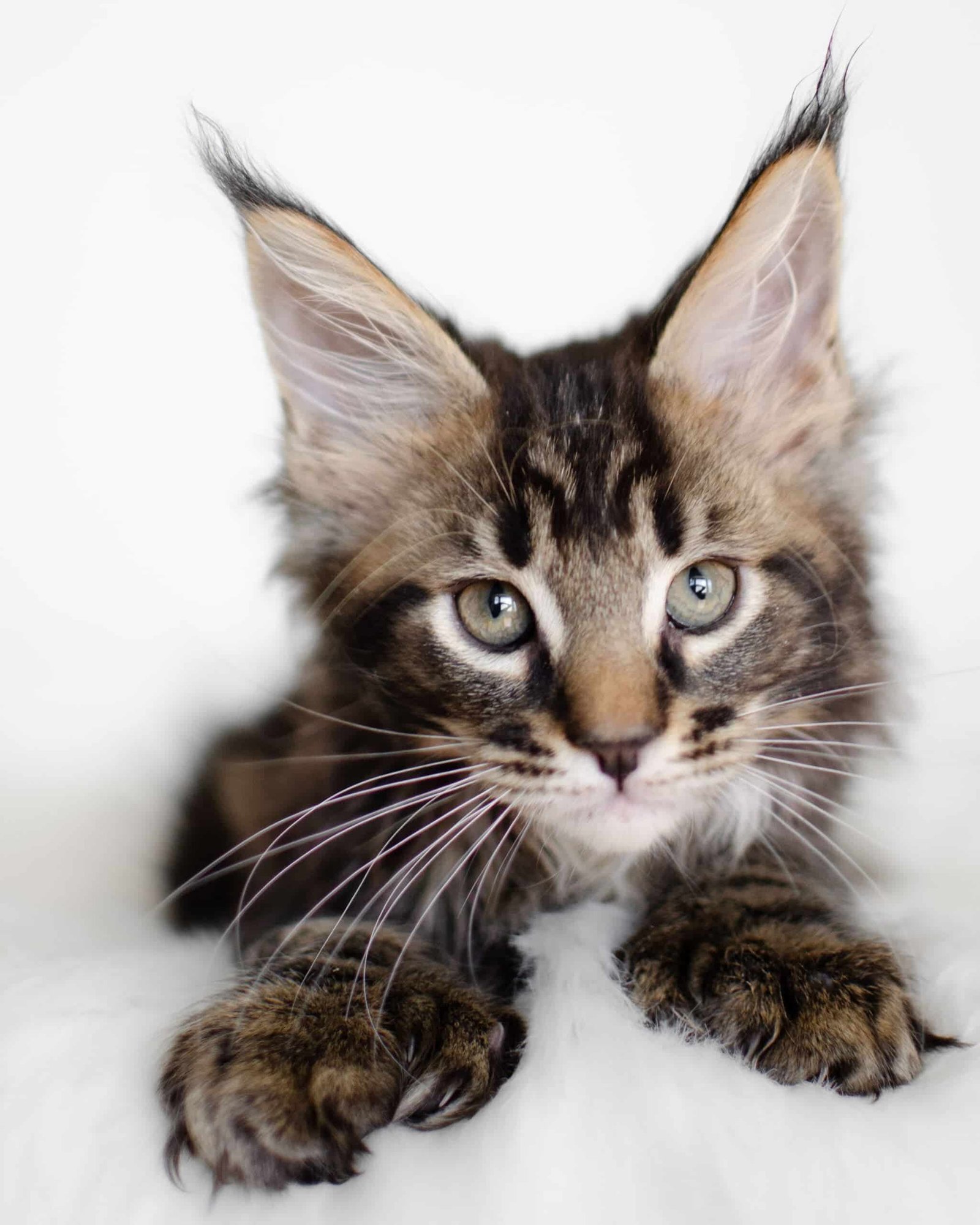
The Maine Coon is a large, muscular cat breed from North America but popular in Europe. It has a long, thick coat and tufted ears. Known for its friendly and playful nature, this breed suits many homes. Maine Coons adapt well to cold weather due to their coat.
Asian Cat Breeds
Asian cat breeds come from countries across Asia, each with unique traits and histories. These breeds often reflect the culture and environment of their regions. Their origins help explain their special looks and behaviors.
Asian cat breeds are a fascinating group that showcase the continent’s diversity and rich history. These cats are not just pets but cultural icons with distinct features and personalities. If you’re considering adding an Asian cat to your family, understanding their origins can deepen your appreciation.Burmese
Originating from Thailand, the Burmese cat is known for its affectionate nature and striking appearance. They have a sleek coat and a muscular build, making them both elegant and strong. Burmese cats are often described as “people-oriented” and enjoy being part of family activities. Have you ever wondered why some cats insist on cuddling while others are more independent? The Burmese cat’s social nature makes them perfect for those who love a pet that engages and interacts actively with them.Japanese Bobtail
The Japanese Bobtail is a symbol of good luck in Japan, often seen in the form of the “Maneki-neko” or waving cat figurine. They have a unique tail that resembles a pom-pom, which is a result of natural genetic mutation. These cats are known for their playful and friendly demeanor, often forming strong bonds with their families. Imagine having a cat that not only brings joy but also stands as a token of fortune. The Japanese Bobtail might be your lucky charm!Singapura
The Singapura cat, hailing from the streets of Singapore, is the smallest recognized breed in the cat world. Despite their petite size, they have a big personality and are known for their curious and active nature. Their large eyes and ears give them a distinctive look that’s both captivating and endearing. Do you prefer a cat that’s small in size but big on personality? The Singapura could be the perfect match for you, offering endless entertainment and companionship. Understanding the origins and traits of Asian cat breeds can significantly enhance your relationship with your feline friend. Which breed resonates with you the most?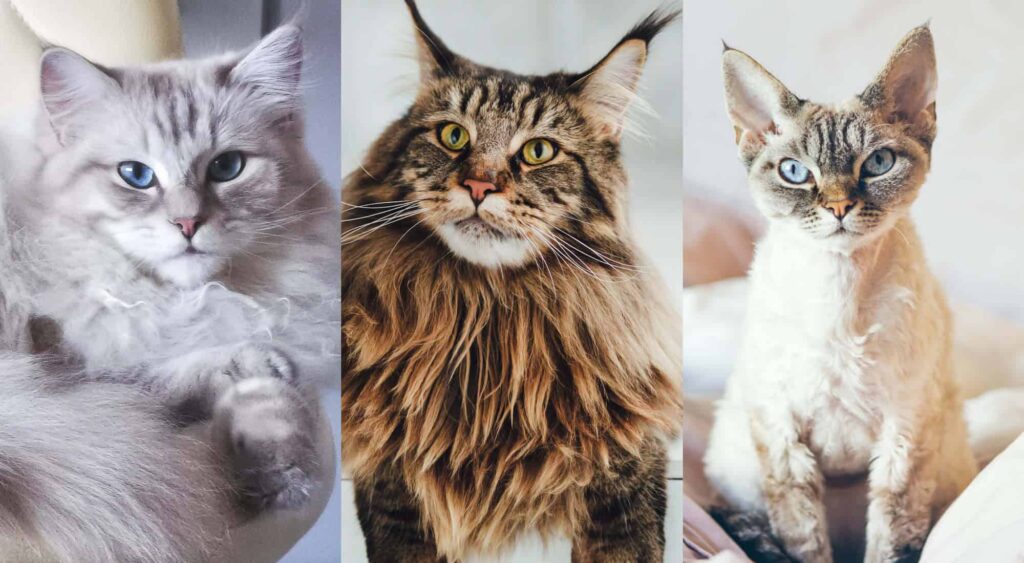
Credit: rawznaturalpetfood.com
American Cat Breeds
American cat breeds have a rich history tied to the United States. These cats often have strong, sturdy builds and friendly personalities. They adapt well to homes and families. Their unique traits make them popular pets worldwide.
American Shorthair
The American Shorthair is a classic breed known for its strength. It has a muscular body and a short, dense coat. This breed is great with children and other pets. It originated from cats brought to America by early settlers.
Ragdoll
Ragdolls are large, gentle cats with striking blue eyes. They get their name from their tendency to go limp when held. These cats love being around people and are very calm. Ragdolls first appeared in the 1960s in California.
Sphynx
The Sphynx is famous for its hairless appearance. Despite looking unusual, it is warm and friendly. This breed enjoys attention and being the center of the family. The Sphynx was developed in Canada but became popular in the U.S.
Unique Breed Origins
Cat breeds come from many places around the world. Each breed has a special story about its origin. Some breeds come from natural mutations, while others are the result of careful breeding. These unique origins give each breed its own look and personality. Understanding where breeds come from helps us appreciate their distinct traits.
Devon Rex
The Devon Rex was first found in England in the 1960s. It has very short, curly fur that looks soft and wavy. This breed’s unique coat comes from a natural genetic mutation. People loved the Devon Rex for its playful and friendly nature. It quickly became popular as a pet with a charming appearance.
Scottish Fold
The Scottish Fold comes from Scotland. It is famous for its folded ears that bend forward. This unique ear shape is caused by a natural gene mutation. The first Scottish Fold was discovered on a farm in the 1960s. These cats are calm and sweet, making them great companions.
Bengal
The Bengal cat has wild origins. It was created by crossing domestic cats with Asian leopard cats. This breed looks like a small leopard with spots and rosettes. Bengals are energetic and smart. Their wild ancestry gives them a unique appearance and lively personality.
Credit: pethero.co.za
Influence Of Geography On Traits
Geography plays a crucial role in shaping the traits of cat breeds. The climate, terrain, and environment where a breed originated have influenced their physical characteristics and behavior. Understanding this connection helps you appreciate why some cats look or act the way they do.
Climate And Coat Adaptations
Cats from cold regions often have thick, dense fur to keep warm. The Norwegian Forest Cat is a great example, sporting a waterproof double coat to survive harsh winters. In contrast, cats from warmer climates, like the Siamese, have short, sleek fur that helps them stay cool.
Have you noticed how your own cat’s coat changes with the seasons? This natural adaptation is a direct link to their geographic origins.
Terrain And Physical Build
The type of land cats evolved on also impacts their body shape and agility. Mountainous areas tend to produce cats with strong, muscular builds, such as the Maine Coon, which helps them navigate rough terrain. Meanwhile, cats from flat plains often have leaner bodies built for speed and stealth.
Think about your cat’s agility or strength—is it possible that their physical traits are echoes of their ancestral home?
Local Food Sources And Hunting Skills
Diet and available prey influence a breed’s hunting style and energy levels. Desert cats like the Egyptian Mau are known for their quick reflexes and endurance, traits needed to catch fast-moving prey in sparse environments. On the other hand, forest-dwelling cats develop stealth and patience to stalk birds and small mammals.
Could your cat’s hunting playstyle reflect its geographic roots? Observing this can deepen your bond and understanding.
How Breeds Spread Worldwide
Cat breeds have traveled far from their places of origin. Their spread happened through many ways over time. People played a big role in moving cats across lands and seas. Each breed’s journey tells a story of culture, trade, and human curiosity.
Different factors helped cat breeds reach new homes. Traders, explorers, and settlers often carried cats for companionship or pest control. As cats traveled, they adapted to new environments and mixed with local cats. This created new variations and helped breeds become popular worldwide.
Trade Routes And Exploration
Ancient trade routes helped cats travel great distances. Merchants used cats on ships to control rodents. Cats became important companions on long voyages. Explorers brought cats to new lands for protection and comfort. This led to the spread of breeds from Asia, Europe, and Africa.
Colonial Expansion
During colonial times, settlers took cats to colonies. Cats helped keep food stores safe from pests. Breeds from Europe mixed with local cats overseas. This mixing created new breeds adapted to different climates. Colonial trade and migration spread cat breeds across continents.
Cat Shows And Breeding Programs
Cat shows began in the 19th century, raising interest in breeds. Breeders shared cats between countries to improve bloodlines. Shows helped popularize rare and exotic breeds worldwide. Breeding programs focused on preserving breed traits and health. This formal exchange increased breed diversity globally.
Modern Transportation And Pet Trade
Air travel made moving cats faster and easier. Pet owners transport cats for relocation or breeding. Online platforms connect breeders and buyers worldwide. This allows rare breeds to reach new countries quickly. Modern transport continues to shape the global spread of cat breeds.
Frequently Asked Questions
Where Did Popular Cat Breeds Originate?
Popular cat breeds come from diverse regions worldwide. For example, Siamese cats originated in Thailand, Maine Coons in the USA, and Persians in Iran. Each breed reflects the culture and environment of its origin, influencing its unique traits and appearance.
Which Countries Are Known For Unique Cat Breeds?
Countries like Thailand, Egypt, Russia, and the USA are known for distinct cat breeds. For instance, the Russian Blue is from Russia, while the Egyptian Mau hails from Egypt. These countries have contributed significantly to the diversity of cat breeds globally.
How Do Cat Breeds Reflect Their Origins?
Cat breeds often reflect their origins through physical traits and behaviors. For example, thick fur in Siberian cats suits cold climates, while sleek Siamese cats thrive in warmer regions. These adaptations highlight the breed’s environment and history.
Are All Cat Breeds Native To Specific Regions?
Most cat breeds have specific regional origins, but many have spread globally through breeding. While breeds like the Scottish Fold originated in Scotland, they are now popular worldwide. This spread has helped preserve and diversify cat breeds.
Conclusion
Cat breeds come from many places around the world. Each breed has its own story and origin. Knowing where cats come from helps us appreciate their uniqueness. People have cared for cats for thousands of years. They have chosen traits to create special breeds.
Every cat breed shows different looks and personalities. This diversity makes cats even more interesting and loved. Exploring cat breeds is a fun way to learn about history and culture. Cats connect us across countries and time. They remain one of the most popular pets worldwide.

Leave a Reply