If you love cats and want to turn that passion into a rewarding hobby or career, becoming a reputable cat breeder might be the perfect path for you. But it’s not just about having cute kittens—earning a good name in the breeding community takes knowledge, care, and responsibility.
You might wonder how to stand out and build trust with buyers and fellow breeders. This guide will show you exactly what steps to take, so you can raise healthy, happy cats and become known for your dedication and quality.
Ready to learn how to make your mark as a respected cat breeder? Let’s dive in.
Choosing The Right Cat Breed
Choosing the right cat breed is a crucial step in becoming a reputable cat breeder. It shapes your breeding goals and affects the health, temperament, and appeal of your cats. Understanding different breeds and how they fit into your lifestyle will help you provide better care and create a positive reputation.
Popular Breeds And Their Traits
Some cat breeds are more popular among breeders due to their unique traits and demand. Here are a few examples:
| Breed | Traits | Care Considerations |
|---|---|---|
| Siamese | Vocal, social, intelligent | Needs lots of interaction and mental stimulation |
| Maine Coon | Large size, gentle, friendly | Requires regular grooming due to thick fur |
| Bengal | Active, playful, exotic appearance | Needs space to exercise and mental challenges |
| Persian | Calm, affectionate, long-haired | Daily grooming essential to prevent mats |
Think about what traits appeal most to you and potential buyers. Which breed’s personality fits your approach to care and attention?
Matching Breeds To Your Lifestyle
Your daily routine and living situation should guide your breed choice. For example, if you have a busy schedule, a low-maintenance, independent breed might suit you better than a high-energy, attention-demanding one.
- Active households:Consider playful and energetic breeds like Bengals or Abyssinians.
- Quiet homes:Calm breeds such as Persians or Ragdolls may fit well.
- First-time breeders:Choose breeds with fewer health issues and easier grooming needs.
Ask yourself: How much time can you dedicate to grooming and socializing your cats daily? Your answer will help you narrow down the best breed choice.

Credit: www.catbreedingforbeginners.com
Setting Up A Breeding Space
Setting up a proper breeding space is key to becoming a reputable cat breeder. The space needs to be clean, safe, and comfortable for the cats. It should protect the cats from stress and illness.
Creating A Safe Environment
Choose a quiet room away from loud noises and heavy foot traffic. Make sure the room is free from hazards like sharp objects or small items cats can swallow. Keep the temperature steady, warm but not hot. Good ventilation is important to avoid bad smells and keep fresh air flowing. Use non-toxic cleaning products to avoid harmful chemicals. Regularly check the space for any new dangers. Cats need a calm and secure place to feel safe during breeding and raising kittens.
Essential Equipment And Supplies
Prepare all needed supplies before starting. Provide soft bedding in cozy nests for the mother cats and kittens. Use litter boxes designed for easy cleaning and comfort. Have separate feeding bowls for each cat to avoid fights. Stock up on high-quality food made for pregnant and nursing cats. Include heating pads or lamps to keep kittens warm. Keep grooming tools handy to maintain cleanliness. A scale helps track the kittens’ growth. Organize the supplies neatly to save time and reduce stress.
Health And Genetics
Ensuring the health and genetic integrity of your cats is a cornerstone of reputable cat breeding. Healthy cats lead to happier kittens and satisfied pet owners. This section will guide you through essential practices to maintain high health and genetic standards in your breeding program.
Screening For Genetic Disorders
Genetic disorders can silently affect your breeding stock, impacting the health of future litters. Regular genetic screening helps identify potential issues early. Consider partnering with a veterinarian who specializes in feline genetics to guide you through the testing process.
By investing in genetic testing, you can provide transparency to prospective kitten owners. This not only builds trust but also enhances your reputation as a breeder who prioritizes the welfare of their cats. Are there common disorders in your breed that should be regularly tested for?
Vaccinations And Regular Vet Visits
Vaccinations are crucial in safeguarding your cats against common diseases. Schedule regular vet visits to keep your cats’ vaccinations up to date. A consistent health check routine helps in early detection of any potential health issues.
Building a strong relationship with your vet is invaluable. They can offer tailored advice and alert you to any emerging health trends within the feline community. How often do you reassess your cat’s health plan to ensure it meets their evolving needs?
By focusing on these aspects of health and genetics, you lay a strong foundation for a reputable cat breeding program. Your commitment to health will shine through in the quality and vitality of your kittens.
Breeding Practices
Good breeding practices lay the foundation for a reputable cat breeder. They ensure healthy kittens and maintain breed standards. Responsible breeders focus on the health and well-being of their cats. Ethical breeding avoids common mistakes and promotes strong bloodlines.
Selecting Breeding Cats
Choose cats with good health and temperament. Both parents should have clear health screenings. Look for cats free from genetic diseases common in the breed. Select cats with strong physical traits that match breed standards. Temperament matters; friendly and calm cats produce better offspring. Avoid breeding cats with behavioral issues or health problems. Proper selection helps improve the breed and kitten quality.
Timing And Mating Process
Understand the female cat’s heat cycle to time mating correctly. Cats usually go into heat every few weeks during breeding season. Offer a calm and safe environment during mating. Supervise the process to avoid injuries or stress. Natural mating is best but artificial insemination can be used carefully. Confirm pregnancy with a vet after mating. Proper timing and care increase the chances of healthy kittens.
Caring For Pregnant Cats And Kittens
Caring for pregnant cats and their kittens is key to becoming a trusted cat breeder. The health of both mother and kittens depends on careful attention during pregnancy and after birth. Proper care helps prevent health issues and builds strong, social kittens ready for new homes.
Nutrition And Health Care
Pregnant cats need high-quality food rich in protein and calories. Feed them special kitten food to support the growing babies inside. Keep fresh water available at all times. Regular vet visits are critical to check the mother’s health and detect problems early.
Vaccinations and parasite control protect both mother and kittens. Watch for signs of distress or illness. Provide a quiet, warm space for the mother to give birth safely. Stress can harm her and the newborns.
Weaning And Socialization
Start weaning kittens at about four weeks old. Offer soft, wet food alongside their mother’s milk. Gradually increase solid food until they fully transition by eight weeks. Keep kittens with their mother during this time for nutrition and comfort.
Socialize kittens by handling them gently every day. Introduce sounds, smells, and new people slowly. Early socialization helps kittens grow into friendly, confident cats. It also improves their chances of finding loving homes.

Credit: bluebritscattery.com
Record Keeping And Documentation
Keeping clear records and proper documents is vital for any cat breeder. It helps track cats’ backgrounds and health. It also builds trust with buyers and cat clubs. Good record keeping shows professionalism and care.
Accurate documents keep important details safe. These include lineage, health checks, vaccinations, and breeding history. Organized records prevent mistakes and help improve breeding quality over time.
Tracking Lineage And Health Records
Lineage tracking means knowing a cat’s family tree. This information helps avoid inbreeding and genetic problems. Every kitten’s parents and grandparents should be recorded clearly.
Health records include vaccinations, illnesses, and vet visits. Keeping these up to date protects your cats and future owners. Use a system to log each cat’s health details regularly.
- Record birth dates and parentage for every kitten.
- Note all vaccinations and medical treatments.
- Track breeding dates and outcomes.
- Keep copies of vet certificates and test results.
Registering With Cat Associations
Registering with recognized cat associations adds credibility. These groups set breeding standards and offer official pedigree papers. Registration proves your cats meet breed requirements.
Each association has its own rules and forms. Submit accurate details about your cats and litters. Registered cats gain value and respect in the breeding community.
- Choose associations relevant to your cat breed.
- Submit required documents and fees on time.
- Keep copies of registration certificates for all cats.
- Follow association rules for ethical breeding.
Building Your Reputation
Building your reputation as a cat breeder takes time and effort. It means gaining trust from buyers and fellow breeders. A strong reputation opens doors to more opportunities and loyal customers. Focus on honest communication and quality care for your cats. These actions create a positive image that lasts.
Marketing Your Cats
Showcase your cats through clear photos and detailed descriptions. Share their health, personality, and lineage openly. Use social media and a website to reach more people. Join cat shows and local events to meet potential buyers. Word of mouth spreads fast when people see your care and dedication.
Maintaining Transparency And Ethics
Be honest about your cats’ health and background. Provide health records and answer all questions sincerely. Avoid hiding any issues or defects. Follow ethical breeding practices that prioritize cats’ well-being. Respect breeding standards and avoid overbreeding. Transparency builds trust and long-term relationships with buyers.
Legal And Ethical Responsibilities
Becoming a reputable cat breeder means more than just producing kittens. You must embrace legal and ethical responsibilities that protect the cats, buyers, and your reputation. These responsibilities help ensure your breeding practices are transparent, fair, and focused on the well-being of your cats.
Understanding Breeding Laws
Every region has specific laws regarding animal breeding. You need to know the licensing requirements, health regulations, and any restrictions on the number of cats you can keep. Ignoring these laws can lead to fines, legal trouble, or worse—the suffering of your animals.
Check local government websites or animal welfare organizations for updated regulations. Some areas require regular veterinary inspections or proof of vaccinations. Staying informed will keep you compliant and protect your breeding business.
Have you ever considered how legal issues might affect your credibility with buyers? Demonstrating knowledge and adherence to laws builds trust and shows your commitment to responsible breeding.
Promoting Responsible Ownership
Your role doesn’t end when the kitten leaves your care. You must ensure new owners understand the responsibility of caring for a cat. This includes educating them about nutrition, vaccinations, spaying/neutering, and regular vet visits.
Providing a detailed care guide or being available for questions after adoption can make a big difference. It also reflects well on you as a breeder who truly cares about the cats’ futures.
Consider screening potential owners carefully to ensure they are prepared for the commitment. Would you want a kitten to end up in an unfit home? Taking these steps helps protect the cats and your reputation.
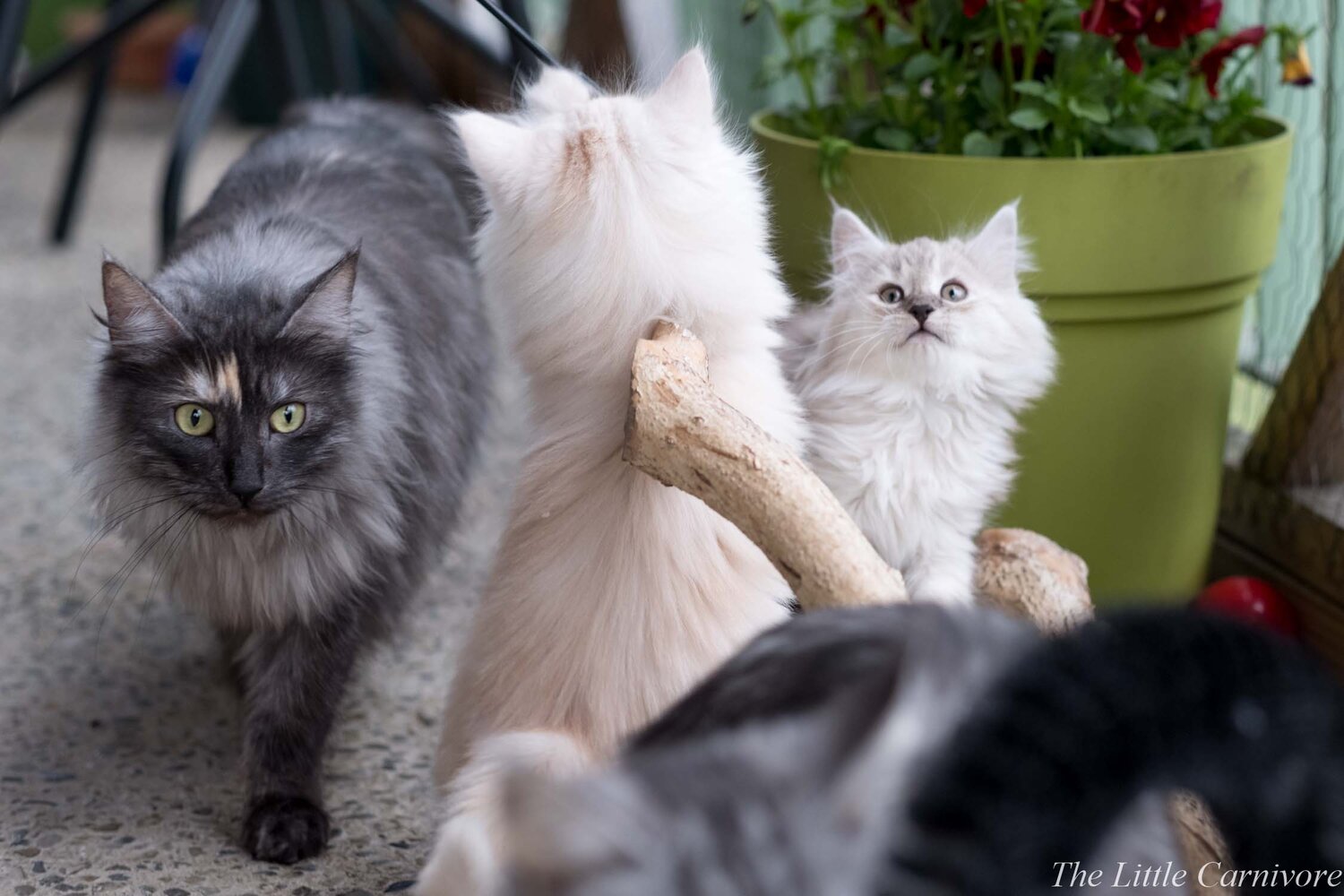
Credit: thelittlecarnivore.com
Frequently Asked Questions
What Qualifications Do I Need To Start Cat Breeding?
You need knowledge of cat genetics, health, and breed standards. Experience with cats and animal care is essential. Consider joining breeder associations for guidance and credibility. Proper licensing and adherence to local regulations are also required to operate legally and ethically.
How Can I Ensure Healthy Cats For Breeding?
Regular veterinary checkups and vaccinations are crucial. Choose cats free from genetic diseases and with good temperaments. Maintain a clean, stress-free environment and provide a balanced diet. Health testing before breeding reduces hereditary risks and promotes strong offspring.
What Makes A Cat Breeder Reputable?
Transparency, ethical practices, and prioritizing cat welfare build reputation. Providing proper care, documentation, and socialization for kittens is key. Engaging with buyers honestly and offering post-sale support enhances trust. Continuous learning and networking with other breeders improve professionalism.
How Do I Find The Right Breed To Breed?
Research breed characteristics, health issues, and demand. Choose a breed that matches your interest and expertise. Consider space, time, and resources needed for care. Selecting a breed with a good market ensures sustainable breeding efforts.
Conclusion
Becoming a reputable cat breeder takes time and patience. Focus on caring for cats with love and respect. Learn about health, genetics, and proper breeding methods. Build trust with buyers through honesty and clear communication. Keep improving your knowledge and skills every day.
This path leads to happy cats and satisfied families. Your effort shapes a positive reputation in the community. Stay dedicated, and success will follow naturally.


Leave a Reply