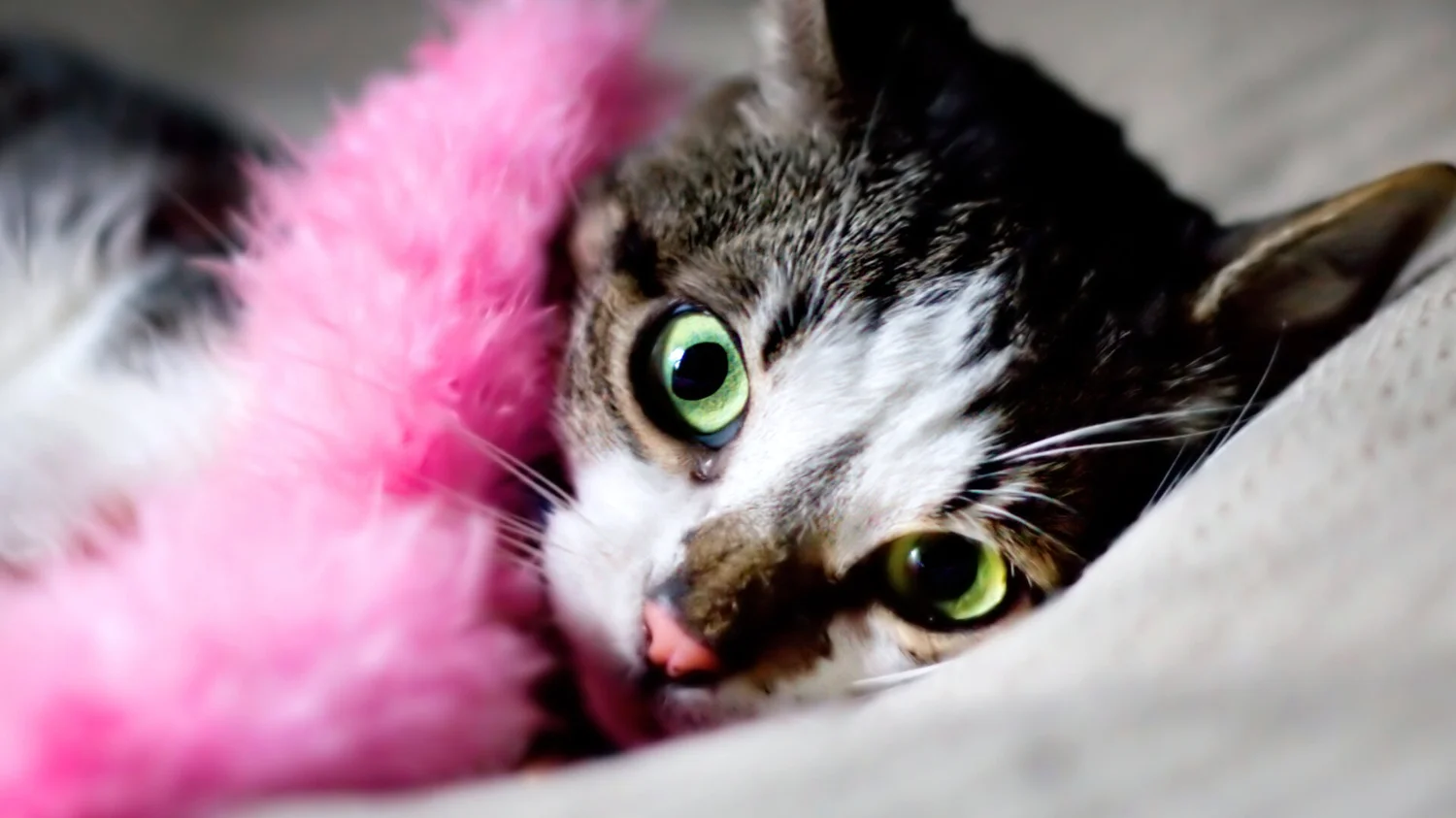
Have you ever noticed your cat crying or meowing while playing with a toy and wondered why? It can be confusing and even a little worrying.
Your furry friend might seem happy one moment and then suddenly vocalize in a way that makes you stop and pay attention. Understanding why your cat cries during play can help you connect better and make playtime more enjoyable for both of you.
Keep reading to discover the surprising reasons behind this behavior and what it means for your cat’s happiness and health.
Cat Vocalizations During Play
Cats use sounds to express their feelings during play. These vocalizations show excitement, frustration, or curiosity. Understanding these sounds helps you connect better with your pet. Cats do not just play silently; their cries tell a story.
Types Of Cat Sounds
- Meows: Short calls, often to get attention or show excitement.
- Chirps and Trills: Soft, quick sounds that show happiness or interest.
- Yowls: Loud, drawn-out cries that may mean frustration or surprise.
- Growls and Hisses: Signs of irritation or feeling threatened during play.
- Purrs: Gentle rumbling usually showing contentment but can also happen when focused.
When Cats Meow While Playing
Meowing during play is a way to communicate. Cats might meow to encourage interaction or to express excitement. Sometimes, they use meows to mimic hunting sounds. It can also be a sign they want to show off their skills.
Some cats meow more loudly if the toy is hard to catch. This may mean they feel a bit frustrated but still want to play. Observing your cat’s meows helps you understand their mood and needs.
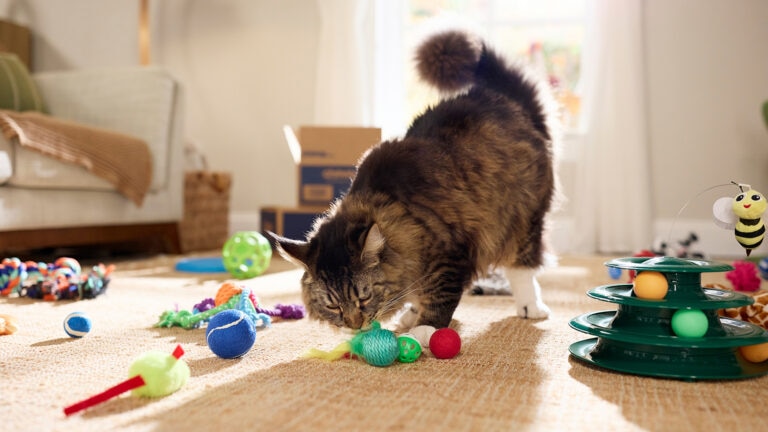
Credit: www.chewy.com
Emotional Reasons Behind Crying
Cats don’t just play with toys for fun—they experience a range of emotions that can cause them to cry during playtime. Understanding the emotional reasons behind your cat’s crying helps you respond better to their needs. It also strengthens the bond you share by recognizing what your cat is really trying to tell you.
Excitement And Overstimulation
Your cat’s cries can be a sign of excitement when chasing a favorite toy. This vocalization often happens during intense play, showing their eagerness and joy. However, too much excitement can lead to overstimulation, making your cat vocalize loudly or even become agitated.
Have you noticed your cat suddenly growling or meowing loudly after a burst of play? That’s a clue they might be overwhelmed. To help, try giving short play sessions with breaks to calm them down.
Frustration And Unmet Hunting Instincts
Cats have strong hunting instincts that toys often simulate, but sometimes the play doesn’t satisfy these natural urges. If your cat cries while playing, they might be expressing frustration from not catching the “prey.”
Think about the last time your cat pawed at a toy but couldn’t grasp it. That frustration can build up, leading to vocal complaints. Offering toys that your cat can catch or “kill” can reduce this stress and make playtime more rewarding.
Physical Discomfort Or Pain
Cats may cry during play because they feel pain or discomfort. Toys that are too hard or sharp can hurt their paws or mouth. Watching closely helps spot any signs of injury or sensitivity.
Playing is usually a joyful activity for cats, but sometimes it might be accompanied by unexpected cries. If your cat seems to be crying while playing with a toy, it could be due to physical discomfort or pain. Understanding these signals is crucial in ensuring your feline friend is healthy and happy.Injury While Playing
Cats can be very energetic during playtime. This enthusiasm can sometimes lead to minor injuries, like a sprained paw or a pulled muscle. If your cat cries when playing, it may have hurt itself. Observe if there’s any limping or reluctance to play with the same intensity. A quick check-up with your vet can help rule out any serious issues. Paying attention to your cat’s body language can give you clues about potential injuries.Underlying Health Issues
Crying during play might also signal underlying health problems. Conditions like arthritis or dental pain can make playing uncomfortable for your cat. Older cats are particularly susceptible to joint pain, which might flare up during active play. Watch for signs like decreased energy levels or changes in eating habits. Regular vet check-ups are essential to catch any health issues early. Consider if your cat’s behavior has changed beyond just playtime; it might be telling you something important. Have you noticed any patterns in your cat’s crying? Understanding these can help you address the root cause effectively. Your cat’s well-being is in your hands, and small changes in behavior can be significant.
Credit: moderncat.com
Attention-seeking Behavior
Cats use crying during play to get your attention. This behavior shows they want more interaction from you. Sometimes, they feel ignored and want you to join their fun. Understanding this helps you respond better to your cat’s needs.
Wanting Interaction
Your cat cries to invite you to play together. They enjoy your company and want to share the excitement. When they feel alone, their cries become louder and more frequent. This is their way of asking for your focus and care.
Boredom And Loneliness
Cats can get bored or lonely without enough stimulation. Toys alone are not always enough to keep them happy. Crying during play can signal they want more attention from you. Spending time together helps reduce their stress and sadness.
Age And Personality Factors
Age and personality play important roles in why cats cry while playing. Younger and older cats express themselves differently. Each cat’s unique temperament also affects how they vocalize during play.
Kitten Vocal Patterns
Kittens often make noises to get attention. Their cries can be high-pitched and frequent. These sounds show excitement or a call for help. Kittens are still learning how to use their voices. Playtime is a way for them to practice communication. Their cries may also mean they want to keep playing.
Individual Cat Temperaments
Cats have different personalities. Some are more vocal and expressive. Others stay quiet even when excited. A shy cat may cry softly or rarely. A bold cat might meow loudly during play. Understanding your cat’s temperament helps explain their sounds. Vocal cats use meows to share emotions and needs.
How To Respond To Your Cat’s Crying
Knowing how to respond to your cat’s crying during play helps keep them happy and safe. Cats may cry for many reasons while playing. Sometimes they feel excitement. Other times, they might feel pain or fear. Understanding their needs creates a better bond. It also prevents stress or injury. Careful observation is important. Watch their behavior closely. Notice changes in how loud or often they cry. This information guides your response.
Safe Play Techniques
Use toys that are soft and safe for cats. Avoid small parts that can break off. Keep play sessions short to avoid tiring your cat. Let your cat control the pace. Stop playing if your cat cries loudly or looks scared. Use wand toys to keep hands away from sharp claws. Offer treats or praise to encourage gentle play. Create a calm space without loud noises or distractions. Watch for signs like growling or hissing. These mean your cat needs a break.
Recognizing When To Consult A Vet
Persistent crying during play may mean pain or injury. Check for limping, swelling, or sensitivity in paws and legs. Look for changes in appetite or energy levels. If your cat avoids toys or hides often, it may be unwell. Sudden changes in behavior need a vet’s advice. Keep a record of when and how your cat cries. Share this with the vet for better diagnosis. Early care prevents serious problems and helps your cat stay playful.

Credit: www.reddit.com
Frequently Asked Questions
Why Does My Cat Cry While Playing With Toys?
Cats may cry while playing due to excitement, frustration, or overstimulation. Vocalizing helps them express their emotions during hunting-like play.
Is Crying Normal When Cats Play With Toys?
Yes, crying can be normal. Some cats are more vocal and express feelings like joy or frustration through meows and cries.
Can Crying During Play Indicate Pain Or Discomfort?
Sometimes, crying might signal pain. Observe your cat’s behavior closely. If crying persists or seems linked to injury, consult a vet.
How Can I Reduce My Cat’s Crying While Playing?
Use interactive toys and avoid overstimulation. Provide breaks during play to keep your cat calm and prevent excessive vocalization.
Conclusion
Cats cry during play for many reasons. Sometimes, they feel excited or want attention. Other times, they might be frustrated or need comfort. Watching your cat’s behavior helps you understand their feelings. Always give gentle care and safe toys. This way, your cat stays happy and healthy.
Playtime can strengthen your bond too. Keep observing and enjoy these special moments together. Your cat’s cries tell a story. Listen closely and respond with love.

Leave a Reply