Have you ever dangled a toy in front of your cat, only to be met with complete disinterest? It can be frustrating when your furry friend ignores those colorful, moving dangly toys that are supposed to spark their playful side.
You might wonder, “Why won’t my cat play with dangly toys? ” Understanding what’s behind your cat’s lack of enthusiasm can help you bring back the fun and strengthen your bond. Keep reading to discover the surprising reasons your cat might be turning away from these toys—and how you can fix it.
Common Reasons Cats Ignore Dangly Toys
Noticing your cat ignoring dangly toys can be puzzling. There are several common reasons behind this behavior that might surprise you. Understanding these can help you connect better with your feline friend and find the right way to engage their playful side.
Lack Of Interest In Toy Type
Some cats simply don’t like the type of toy you’re offering. Dangly toys might not appeal if your cat prefers something that moves differently or feels softer. Try different textures, colors, or even sounds to see what catches your cat’s attention.
Have you ever observed your cat’s reaction to a feather wand versus a string toy? Watching closely can guide you to their favorite play style.
Overstimulation Or Fear
Your cat might avoid dangly toys because they feel overwhelmed or scared. Fast movements or loud noises from the toy can trigger anxiety rather than playfulness. Slow down your toy’s motions and watch for signs like flattened ears or a twitching tail.
Does your cat freeze or hide when you bring out certain toys? That’s a clear sign they need gentler interaction.
Health Issues Affecting Play
Physical discomfort can stop your cat from engaging with toys. Joint pain, dental problems, or even an upset stomach may make play feel too exhausting. Regular vet check-ups can help rule out health issues that interfere with your cat’s energy and mood.
Notice if your cat avoids activity altogether or seems lethargic. It might be time to consult a vet before trying new toys.
Age And Energy Levels
Kittens usually love chasing dangly toys, but older cats might lose interest due to reduced energy. Senior cats often prefer calm interactions over active play. Adjust your expectations and toys according to your cat’s stage of life.
Have you tried engaging your older cat with gentler, slower toy movements? They might respond better to that approach.
Previous Negative Experiences
Cats remember unpleasant moments linked to certain toys. If a dangly toy accidentally hurt them or startled them, they’ll likely avoid it. Rebuilding trust takes patience and introducing new toys gradually.
Try offering a toy in a calm environment and pair it with treats. This way, your cat can associate play with positive feelings again.
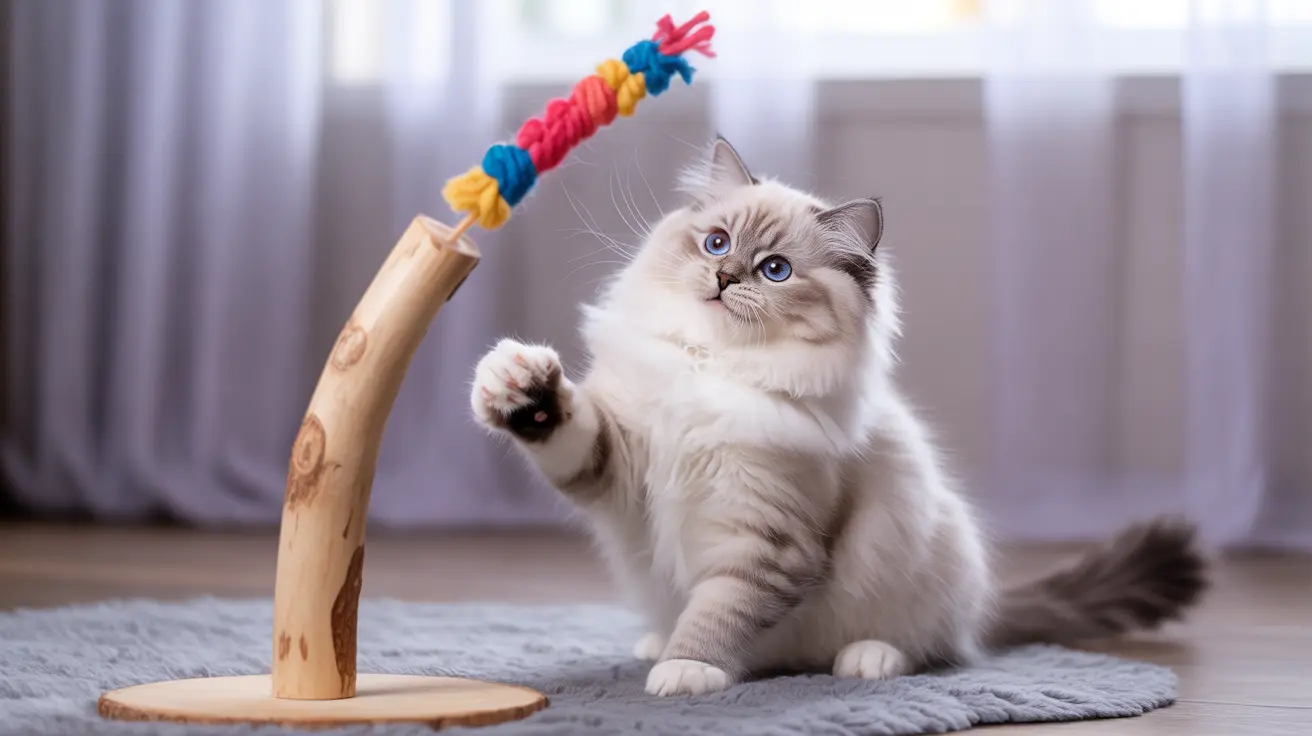
Credit: www.petscare.com
How Cat Personality Influences Play
Understanding your cat’s personality is key to figuring out why they might ignore dangly toys. Just like people, cats have unique traits that shape how they like to play. Recognizing these differences helps you find play activities that truly excite your furry friend.
Introverted Vs. Energetic Cats
Some cats are naturally introverted. They prefer quiet, calm environments and may shy away from sudden movements or loud noises. For these cats, dangly toys that swing unpredictably might feel overwhelming rather than fun.
On the other hand, energetic cats thrive on high-intensity play. They chase, pounce, and need lots of stimulation to stay happy. Your dangly toy could be perfect for them, but if your cat is low energy, pushing them to play might just stress them out.
Have you noticed your cat hiding or walking away when you bring out certain toys? That could be a sign they prefer a slower, gentler approach to play.
Preference For Different Play Styles
Cats have distinct preferences in how they like to engage with toys. Some love stalking and hunting motions, while others enjoy interactive play involving gentle batting or cuddling with soft toys.
- Stalkers:Cats who enjoy stalking may prefer toys that move unpredictably on the floor rather than dangly toys held above them.
- Batters:These cats might like toys they can swipe at repeatedly without having to jump or pounce.
- Cuddlers:Some cats want soft, plush toys they can carry around or snuggle with after a quick bout of play.
Think about your cat’s play behavior. Do they chase after a laser pointer or prefer sitting nearby while you dangle a feather? Matching the play style to your cat’s personality can make all the difference.
Environmental Factors Impacting Play
Cats may ignore dangly toys if the room is too noisy or bright. A calm, quiet space often encourages more play. Temperature and nearby distractions can also affect a cat’s interest in toys.
Cats are mysterious creatures, and their behavior often leaves us scratching our heads. If your cat isn’t interested in playing with dangly toys, environmental factors might be a significant influence. Understanding these factors can help you create a more engaging play environment for your feline friend.Space And Safety Concerns
Cats love to play in open areas where they feel safe and secure. If your living space is cluttered, it might discourage your cat from engaging in playful activities. Consider rearranging furniture to create a more open play area. Ensure that this space is free from potential hazards like sharp objects or unstable surfaces. Cats also need vertical space to feel safe. Adding shelves or a cat tree can provide them with the height they crave, encouraging them to play more freely.Distractions In The Environment
A noisy or busy environment can be overwhelming for cats. The sound of a loud TV or the presence of too many people can deter them from playing. Try to create a calm and quiet atmosphere during playtime. Turn off loud appliances and keep the space limited to just you and your cat. Other pets can also be a distraction. If you have multiple animals, ensure that your cat has some dedicated playtime away from their furry companions. Have you noticed your cat getting easily distracted by lights or shadows? These can be both enticing and confusing, so be mindful of how light interacts with your cat’s play area.
Credit: www.goodhousekeeping.com
Improving Engagement With Dangly Toys
Dangly toys can spark joy and exercise in cats. Getting your cat to engage requires the right approach. Small changes in toy choice and play style can make a big difference. Understanding your cat’s preferences helps boost interest.
Choosing The Right Toy
Select toys that match your cat’s size and energy. Soft feathers, small bells, or strings often attract cats. Avoid toys that are too big or heavy. Bright colors can catch their eye quickly. Rotate toys regularly to keep things fresh.
Proper Toy Movement Techniques
Move the toy like a small, quick prey. Use short, sudden twitches to mimic real animals. Drag the toy slowly on the floor or in the air. Pause sometimes to let your cat stalk and pounce. Avoid repetitive, boring movements that lose their charm.
Incorporating Play Into Routine
Set a daily playtime with dangly toys. Cats feel more comfortable with routine. Keep sessions short, about 10 to 15 minutes. Play before mealtime to stimulate hunting instincts. Consistent play builds anticipation and excitement.
Using Treats And Rewards
Pair play with small treats for motivation. Reward your cat after a successful catch or chase. Use treats to guide your cat toward the toy. Positive reinforcement makes playtime fun and memorable. Avoid giving too many treats to keep health in check.
Alternative Toys For Non-responsive Cats
Not every cat is drawn to dangly toys, and that’s perfectly okay. Some felines prefer different kinds of stimulation that suit their unique personalities and moods. Offering alternative toys can reignite your cat’s interest and keep playtime exciting for both of you.
Interactive Puzzle Toys
Interactive puzzle toys challenge your cat’s mind while offering a rewarding play experience. These toys often hide treats or kibble, encouraging your cat to figure out how to access the prize. This type of engagement can be especially effective for cats who don’t respond to simple dangling toys because it activates their hunting instincts in a different way.
Think about the last time you saw your cat intensely focused on a task; that level of concentration can be a sign they enjoy problem-solving. Puzzle toys also help reduce boredom and can be a great way to slow down fast eaters. Have you noticed your cat’s curiosity spark when discovering something new? Puzzle toys tap into that natural desire to explore.
Laser Pointers And Wand Toys
Laser pointers and wand toys offer dynamic movement that can be more enticing than static dangly toys. The unpredictable light from a laser pointer mimics the quick movements of prey, which many cats find irresistible. Wand toys let you control the action, creating a personalized play experience that keeps your cat guessing.
However, be sure to end laser play sessions with a tangible toy to catch. Otherwise, your cat might get frustrated chasing something they can never grab. When was the last time you saw your cat leap or sprint with joy? These toys can bring back that playful energy, especially if dangly toys just don’t cut it.
Soft Plush Toys And Catnip
Some cats prefer tactile comfort over chase-and-catch games. Soft plush toys can offer a sense of security and can be perfect for cats who like to cuddle or carry their toys around. Adding catnip to these toys often increases their appeal by stimulating your cat’s senses in a gentle way.
If your cat ignores dangly toys, try offering a plush toy infused with catnip or a sprinkle of dried catnip nearby. You might be surprised how quickly they bond with a soft toy that feels like a companion. Have you ever noticed your cat kneading or purring while holding a plush toy? This is a sign they find comfort and enjoyment in a more relaxed form of play.

Credit: www.reddit.com
Frequently Asked Questions
Why Does My Cat Ignore Dangly Toys?
Cats might ignore dangly toys if they’re bored or uninterested. They may prefer different textures or types of toys. Age and mood also affect playfulness. Try varying toys or introducing interactive play to engage your cat.
Can Health Issues Affect My Cat’s Play Behavior?
Yes, health problems like arthritis or dental pain can reduce playfulness. If your cat suddenly stops playing, consult a vet. Proper diagnosis and treatment can restore your cat’s interest in toys and activity.
How Can I Make Dangly Toys More Appealing?
Use toys with feathers, bells, or crinkly sounds to attract your cat. Move the toy unpredictably to mimic prey. Engage your cat regularly and reward playful behavior to boost interest.
Is My Cat’s Age Affecting Its Interest In Toys?
Older cats often lose interest in active play due to reduced energy or health issues. Younger cats are generally more playful. Adjust toy types and play sessions to suit your cat’s age and activity level.
Conclusion
Cats have unique tastes and moods for play. Some prefer quiet moments over dangly toys. Try different toys to find what excites your cat. Watch their reactions closely to understand their likes. Patience helps you discover the best playtime options.
Enjoy the process of learning your cat’s preferences. Play strengthens your bond and keeps your cat happy. Keep toys fresh and fun to spark interest. Remember, every cat is different and special in their own way.

Leave a Reply