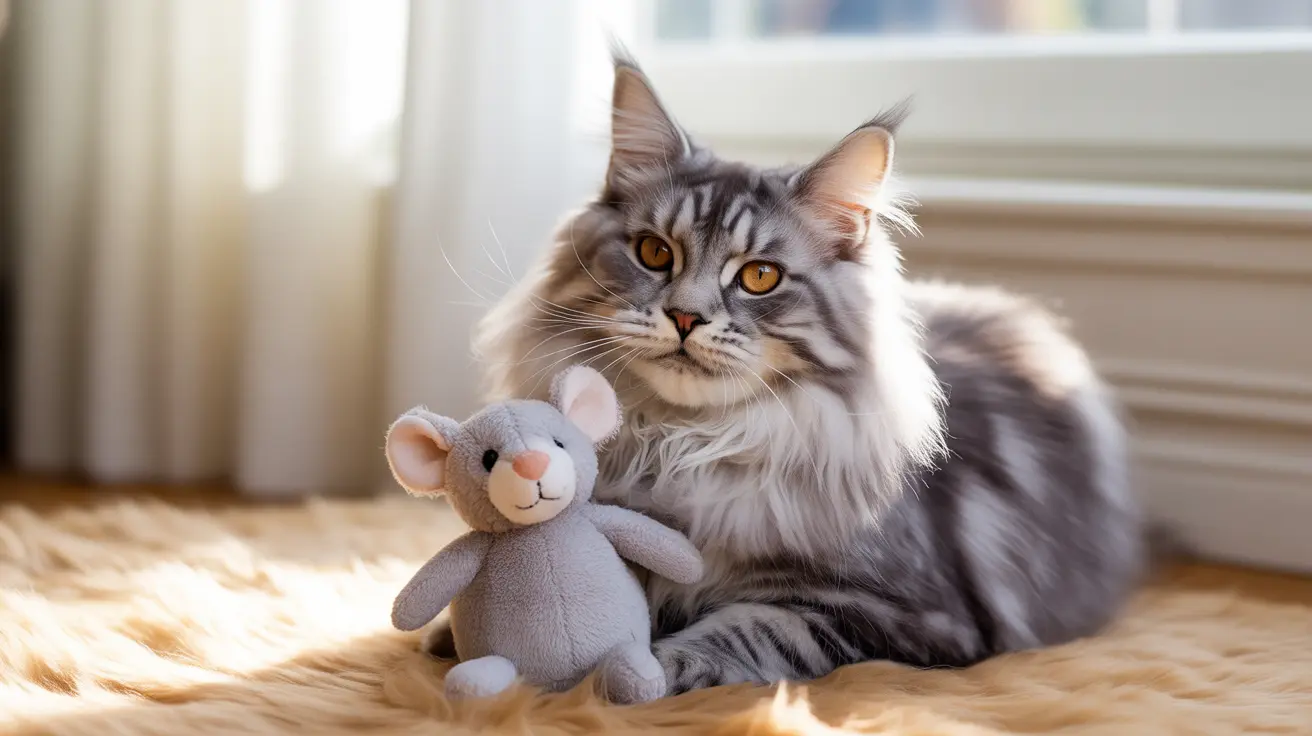
Have you ever noticed your cat guarding a favorite toy like it’s a treasure? You might wonder, do cats really get possessive of toys?
Understanding this behavior can help you keep your furry friend happy and stress-free. You’ll discover why your cat clings to certain toys and what it means for their feelings and instincts. Keep reading to unlock the secrets behind your cat’s attachment and learn how to handle their possessiveness with ease.

Credit: www.aol.com
Cats And Toy Attachment
Cats often form strong bonds with their toys. These toys are more than simple objects. They become part of the cat’s daily routine and comfort. Toy attachment shows how cats express play and security. Some cats guard their favorite toys closely. Others carry toys around like prized possessions. Understanding this behavior helps pet owners create a happy environment.
Why Cats Choose Favorite Toys
Cats pick toys that feel special to them. Texture and size matter a lot. Soft toys may remind them of prey or kittens. Toys that make noise can attract attention. Movement also plays a key role. Cats like toys they can chase or pounce on.
Favorite toys often simulate hunting. This satisfies natural instincts. Some cats prefer toys they can carry easily. Others like toys that roll or bounce. The choice depends on the cat’s personality and mood.
Signs Of Toy Possession
Cats show possession by guarding toys. They may hiss or growl if disturbed. Cats often hide toys in secret spots. Carrying toys in their mouth is common. Some cats rub their scent on toys. This marks the toy as theirs.
Watch for repeated play with the same toy. Cats might bring toys to their resting place. Protectiveness increases with the cat’s attachment level. These signs indicate how much a toy means to the cat.
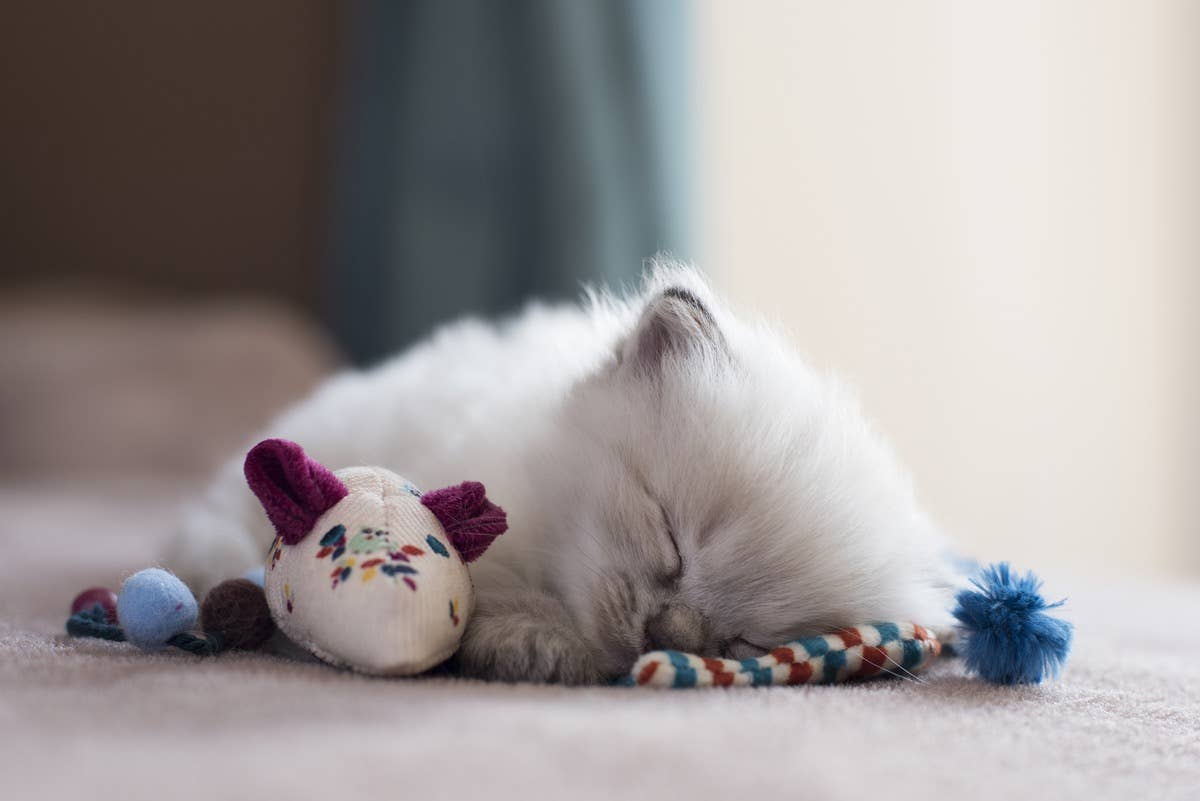
Credit: paradepets.com
Behavior Behind Possessiveness
Cats often show strong feelings toward their toys. This behavior is more than just play. It reflects deep instincts and emotions. Understanding why cats get possessive helps us care for them better. It reveals how cats see their world and relationships.
Territorial Instincts In Cats
Cats have natural territorial instincts. They mark places and objects as theirs. Toys become part of their territory. They guard these items to keep others away.
This behavior comes from their wild ancestors. In the wild, protecting territory meant survival. Toys act like prey or valuable resources. Possessiveness helps cats feel safe and secure.
Impact Of Play On Bonding
Playing with toys strengthens a cat’s bond with its owner. When a cat shares a toy, it shows trust. Possessiveness may also mean the cat values the connection.
Play reduces stress and builds confidence. It helps cats express emotions and energy. Through play, cats learn social skills and form attachments.
When Possessiveness Becomes A Problem
When a cat becomes possessive of toys, it can lead to issues. Cats often show a strong attachment to certain items. This behavior can sometimes escalate into problems. Understanding these issues helps in managing your cat’s behavior better.
Aggression Over Toys
Aggression can surface when a cat feels threatened. This might occur if someone tries to take their toy. Cats may hiss or swat to protect their prized possession. This behavior can be confusing for pet owners. It’s important to recognize the signs early. This helps in preventing further aggression.
Stress And Anxiety Factors
Possessiveness may stem from stress and anxiety. Cats can feel insecure in their environment. A new pet or change in routine can trigger this. Stress can make a cat cling more to their toys. Understanding these factors is crucial. It allows you to provide a calming environment for your cat.

Credit: www.aol.com
Managing Toy Possession
Managing toy possession helps keep peace among cats. It stops fights and makes playtime fun. Cats may guard toys, but owners can guide their behavior. A calm approach helps cats accept new toys and share better. This section shares ways to handle toy possession effectively.
Introducing New Toys
Bring new toys slowly into the home. Let cats explore at their own speed. Place toys near but not too close to other cats. Watch their reactions carefully. Use gentle praise when cats show calm behavior around new toys.
Try rotating toys to keep interest high. This reduces the chance of possessiveness. Clean toys before sharing them among cats. This avoids scent marking and helps acceptance.
Encouraging Sharing Among Cats
Teach cats to share by offering multiple toys. Provide at least one toy per cat plus extras. Use toys that promote group play, like feather wands or laser pointers. Praise cats when they play nicely together.
Separate cats if fights happen over toys. Give them time to calm down before reintroducing toys. Use treats to reward sharing and gentle play. This builds positive associations with shared toys.
Benefits Of Playtime For Cats
Playtime offers many benefits for cats. It keeps them healthy and happy. Regular play helps cats use their energy in a positive way. It also improves their mood and behavior. Toys stimulate their natural hunting instincts. This makes them feel more alive and engaged.
Physical Exercise And Mental Stimulation
Playing with toys helps cats stay active. It improves their strength and agility. Physical exercise reduces the risk of obesity and related diseases. Toys challenge their minds too. Chasing, pouncing, and problem-solving keep their brains sharp. Mental stimulation prevents boredom and destructive behavior. A well-exercised cat is a calmer, more content cat.
Strengthening Cat-human Relationships
Interactive play builds trust and bonding. Spending time with toys creates special moments. Cats learn to associate their humans with fun and safety. It encourages positive communication and understanding. Play sessions reduce stress for both cat and owner. This shared activity deepens the emotional connection. A strong bond means a happier life together.
Frequently Asked Questions
Do Cats Show Possessiveness Over Their Toys?
Yes, cats can be possessive of toys they favor. They often guard or hide these toys to keep them safe from others.
Why Do Cats Hoard Or Hide Toys?
Cats hide toys as a natural instinct to protect their “prey. ” It also provides them a sense of security and control.
Can Possessive Behavior Cause Aggression In Cats?
Sometimes, possessiveness over toys may lead to mild aggression. It happens when cats feel their treasured toy is threatened.
How Can I Reduce Toy Possessiveness In Cats?
Provide multiple toys and encourage sharing. Rotate toys regularly to keep interest high and reduce possessive tendencies.
Conclusion
Cats often show possessive behavior over their favorite toys. They treat toys like treasures and protect them from others. This habit comes from their natural instincts and need for comfort. Understanding this helps owners handle sharing and playtime better. Giving cats plenty of toys can reduce possessiveness.
Watching their body language helps spot possessive moments early. Respect your cat’s feelings to keep playtime fun and safe. Every cat is different, so patience is key. Enjoy your time with your furry friend and their special toys.

Leave a Reply