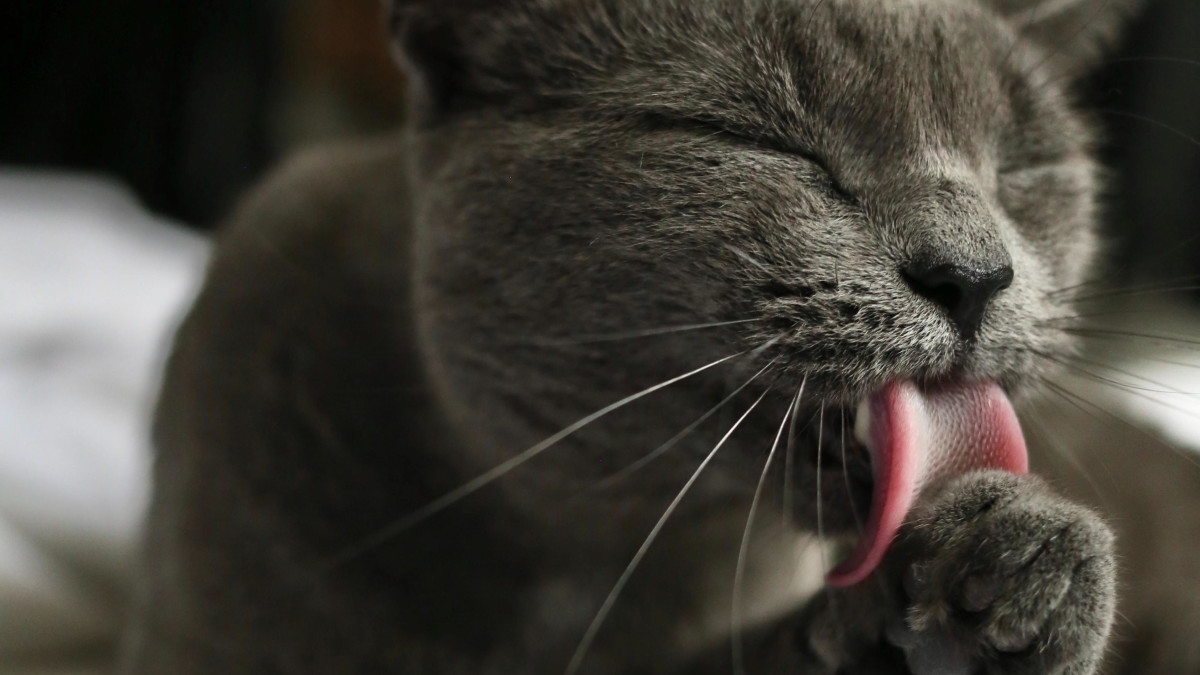
Have you ever noticed your cat spending hours licking its fur, almost like it can’t stop? You might wonder, “Why do cats groom excessively?” While grooming is normal for cats, too much of it can signal something more serious.
Understanding why your feline friend is over-grooming can help you spot hidden problems early and keep your cat happy and healthy. You’ll discover the surprising reasons behind excessive grooming and what you can do to help your cat feel better.
Keep reading—you won’t want to miss these crucial insights!

Credit: basepaws.com
Signs Of Excessive Grooming
Recognizing the signs of excessive grooming is key to keeping your cat healthy. Cats groom to clean themselves and feel comfortable. Yet, too much grooming can signal stress, allergies, or health problems. Observing your cat’s grooming patterns helps spot issues early. This section explains how to tell normal grooming from excessive grooming and what physical signs to watch.
Normal Grooming Habits
Cats usually groom several times a day. They lick their fur to remove dirt and loose hair. Grooming keeps their coat shiny and skin healthy. Most cats spend about 30 to 50 percent of their awake time grooming. They stop grooming to eat, sleep, or play. Grooming is a calm, gentle action without causing harm.
When Grooming Becomes Excessive
Excessive grooming means your cat grooms more than usual. It may lick or bite the same spot repeatedly. This behavior can last for hours and cause bald patches. Cats might groom to relieve anxiety or pain. Excessive grooming can harm the skin, causing redness or sores. It may interfere with eating, sleeping, or playing.
Physical Symptoms To Watch
- Hair loss or thinning in certain areas
- Red, inflamed, or scaly skin
- Sores, scabs, or wounds from biting
- Dry or flaky patches on the coat
- Swelling or lumps under the skin
These symptoms signal the need for a vet visit. Early detection helps treat underlying causes quickly.
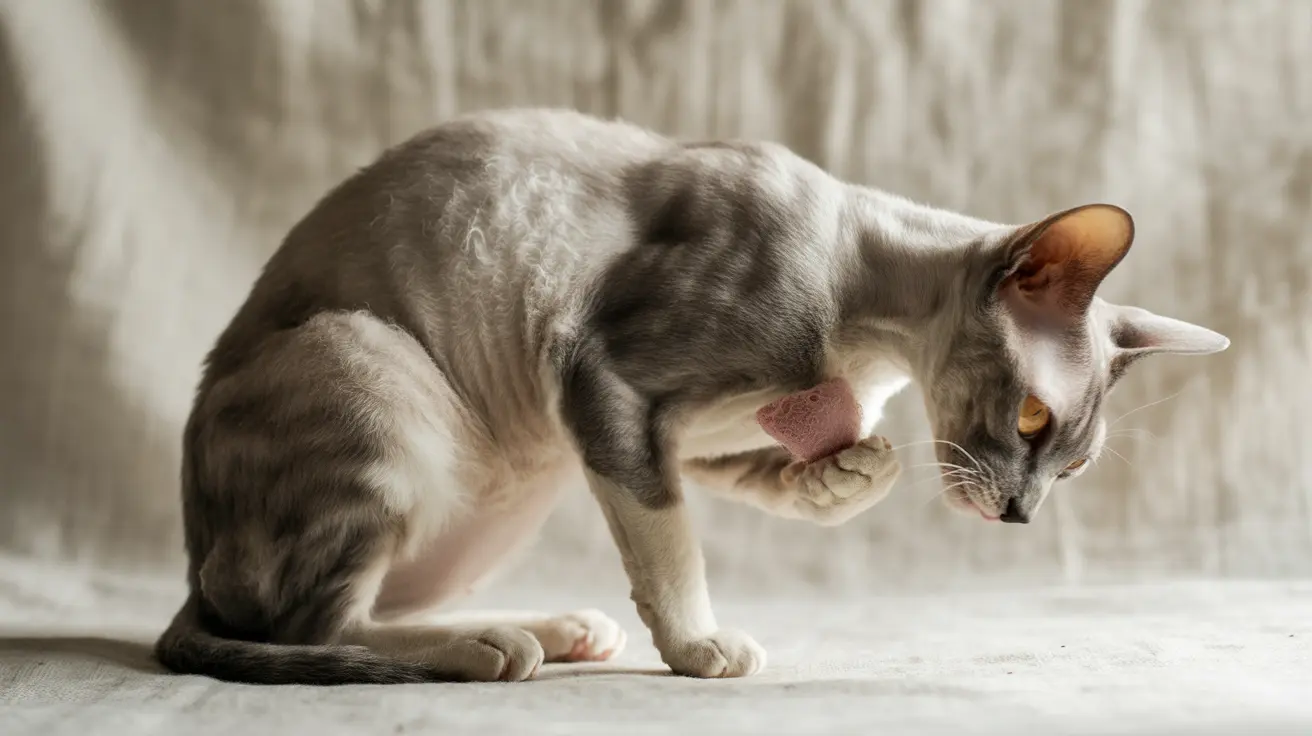
Credit: www.petscare.com
Common Causes Of Over-grooming
Excessive grooming in cats often signals an underlying issue. Cats usually groom to stay clean, but too much grooming can cause hair loss or skin damage. Understanding common causes helps pet owners spot problems early and seek proper care.
Allergies And Skin Irritations
Allergies can make a cat’s skin itch and uncomfortable. Cats may lick or bite the irritated spots repeatedly. Allergies come from food, pollen, dust, or chemicals. Skin irritations like dry patches or rashes also trigger over-grooming. Constant scratching worsens the irritation, creating a cycle of discomfort.
Parasites And Infections
Parasites such as fleas and mites cause intense itching in cats. These tiny pests irritate the skin and lead to excessive licking. Infections from bacteria or fungi can also cause discomfort. Cats over-groom to try to relieve the pain and itching. Left untreated, infections can worsen and spread.
Stress And Anxiety Triggers
Stress and anxiety can make cats groom more than usual. Changes in the home or routine create tension for cats. Boredom or loneliness can also lead to over-grooming as a coping behavior. This grooming helps calm the cat but can cause skin problems if it becomes excessive.
Hidden Medical Issues
Excessive grooming in cats may signal hidden medical problems like allergies or skin infections. Watch for changes in behavior to catch issues early. Prompt vet visits can help keep your cat healthy and comfortable.
Excessive grooming in cats can sometimes indicate underlying health problems. While grooming is a natural behavior for cats, doing it too much can suggest hidden medical issues. Understanding these issues helps in providing the right care for your feline friend.Pain And Discomfort
When a cat feels pain, it may groom excessively to comfort itself. If you notice your cat focusing on a specific area, it could be a sign of discomfort. A trip to the vet can help diagnose problems like arthritis or injuries that might not be immediately visible.Hormonal Imbalances
Hormonal changes can also lead to excessive grooming. Conditions like hyperthyroidism can make cats feel restless, prompting them to groom more. Regular check-ups with your vet can help catch these imbalances early.Neurological Disorders
In some cases, excessive grooming is a sign of neurological disorders. Cats with such disorders may find it hard to control their grooming habits. If you notice your cat grooming even when it’s not necessary, consider discussing this behavior with your vet. Have you observed these behaviors in your cat? Understanding the root cause is crucial in ensuring your pet’s well-being. Regular vet visits can help catch these issues before they become serious.Behavioral Factors
Behavioral factors often cause cats to groom themselves more than usual. This grooming can be a sign of stress or boredom. Understanding these behaviors helps owners support their cats better. Excessive grooming is not always about cleanliness. Sometimes, it reflects how a cat feels inside.
Boredom And Lack Of Stimulation
Cats need mental and physical activities daily. Without enough play or interaction, they become bored. Boredom can lead cats to groom excessively. Grooming becomes a way to pass time and calm down. Providing toys and playtime reduces this behavior.
Changes In Environment
Moving to a new home or rearranging furniture can upset cats. They rely on familiar surroundings for comfort. Sudden changes cause anxiety, leading to more grooming. Cats try to soothe themselves by licking their fur. Keeping a steady environment helps prevent stress grooming.
Social And Territorial Stress
New pets or visitors can make cats feel threatened. Territorial disputes or social tension cause anxiety. Grooming acts as a coping mechanism during stress. Cats may groom to signal submission or calm themselves. Managing introductions carefully lowers grooming caused by stress.
Effective Solutions To Control Over-grooming
Excessive grooming in cats can lead to skin damage, hair loss, and discomfort. Finding effective ways to manage this behavior is essential not only for your cat’s health but also for your peace of mind. The key is to understand the root cause and apply targeted solutions that address both physical and emotional needs.
Veterinary Treatments
Start with a thorough check-up by your vet to rule out medical issues like allergies, parasites, or skin infections that could be causing your cat to over-groom. Your vet might prescribe medications such as antihistamines or antibiotics to treat underlying conditions.
In some cases, special shampoos or topical treatments can soothe irritated skin and reduce the urge to groom. If anxiety is a factor, your vet may suggest calming supplements or even behavior-modifying drugs to help your cat relax.
Environmental Enrichment
Creating a stimulating environment can reduce boredom, a common trigger for over-grooming. Provide your cat with toys, scratching posts, and puzzle feeders to keep their mind active and distracted.
Try setting up different play areas or rotating toys regularly to keep things fresh. Have you noticed how your cat reacts to new smells or sounds? Introducing safe, new experiences can redirect their focus away from excessive grooming.
Behavioral Therapy And Training
Behavioral therapy involves observing and gently modifying your cat’s grooming habits. Use positive reinforcement to reward your cat when they stop grooming excessively or engage in alternative activities.
Distract your cat with interactive play sessions during peak grooming times. If stress or anxiety is a trigger, techniques like gentle massage or pheromone diffusers might calm your cat and reduce over-grooming.
Have you tried tracking your cat’s grooming patterns? Understanding when and why it happens can help you intervene effectively with the right behavioral strategies.
Preventing Future Grooming Problems
Preventing future grooming problems helps keep cats healthy and happy. Excessive grooming can cause skin damage and stress. Early care and attention reduce these risks. Simple steps make a big difference in your cat’s life.
Regular Health Checkups
Schedule vet visits to catch health issues early. Skin allergies, parasites, and infections often cause over-grooming. A vet can diagnose and treat these problems. Regular checkups keep your cat’s skin and coat in top shape.
Consistent Grooming Routine
Brush your cat’s fur regularly to remove loose hair. This reduces itching and matting that trigger over-grooming. Use gentle strokes and a suitable brush for your cat’s coat type. Keep grooming sessions calm and short to avoid stress.
Stress Reduction Techniques
Stress causes many cats to groom excessively. Create a quiet, safe space for your cat to relax. Provide toys and activities to keep your cat engaged. Use calming sprays or diffusers designed for cats. Monitor changes in behavior to spot stress early.
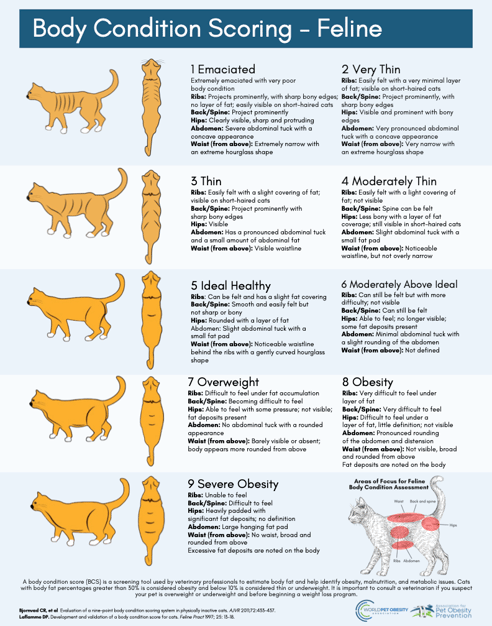
Credit: www.preventivevet.com
Frequently Asked Questions
Why Do Cats Groom Themselves Excessively?
Cats groom excessively to clean their fur and remove loose hair. It also helps them regulate body temperature and reduce stress.
Can Excessive Grooming Indicate Health Problems In Cats?
Yes, excessive grooming can signal allergies, parasites, or skin infections. It’s best to consult a vet for proper diagnosis and treatment.
How Does Stress Cause Excessive Grooming In Cats?
Stress triggers cats to groom more as a coping mechanism. It helps them feel calm but can lead to bald spots if prolonged.
What Are Common Signs Of Over-grooming In Cats?
Signs include bald patches, redness, sores, and constant licking. Noticing these early helps in addressing the underlying cause quickly.
Conclusion
Cats groom themselves to stay clean and healthy. Excessive grooming can signal stress or illness. Watch your cat’s behavior closely. Help reduce stress by giving a calm environment. Check for skin problems or allergies often. Consult a vet if grooming seems out of control.
Early care keeps your cat happy and safe. Understanding why cats groom helps you care better for them. Keep love and patience in your daily care routine. Your cat will thank you with purrs and cuddles.

Leave a Reply