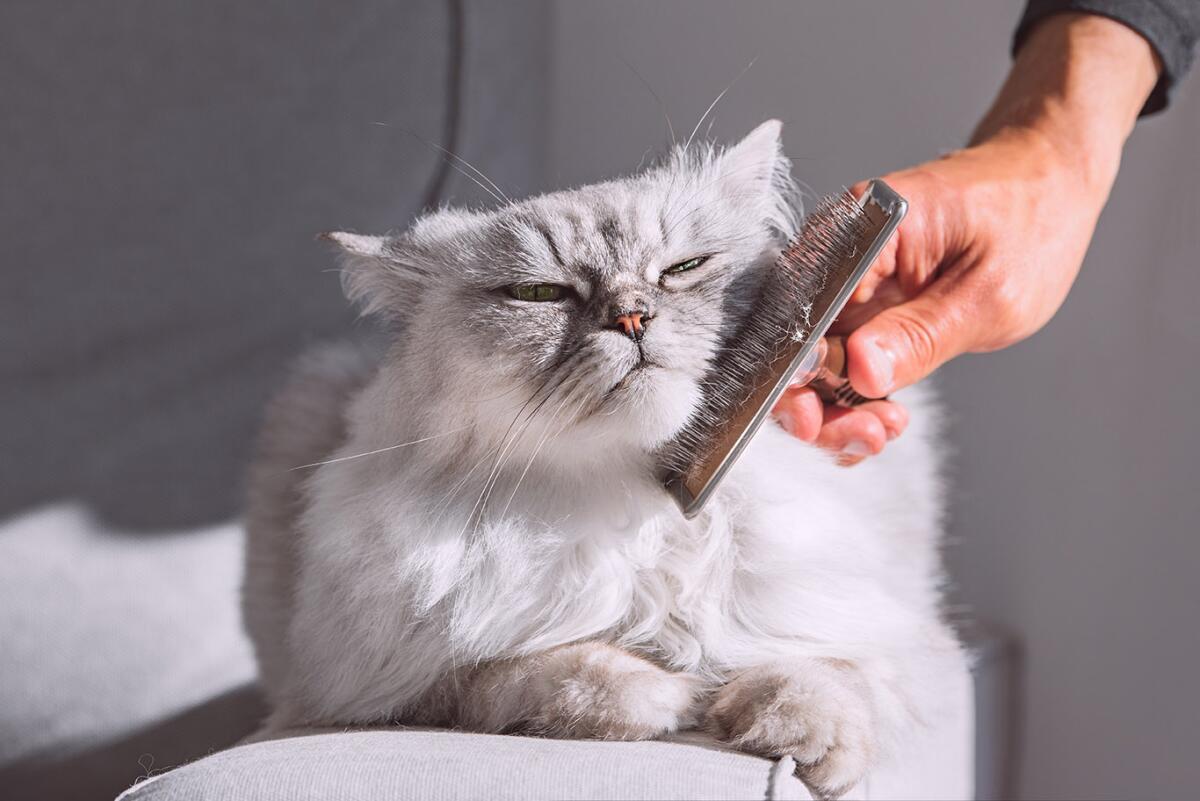
Have you ever watched your cat spend hours licking its fur and wondered, “Why do cats self-groom so much?” It’s more than just a quirky habit.
Your cat’s grooming routine is a key part of its health and happiness. Understanding why your furry friend grooms itself can help you care for it better and even strengthen your bond. Keep reading to discover the surprising reasons behind this behavior and what it means for your cat’s well-being.
Cats’ Grooming Habits
Cats spend a lot of time cleaning themselves. Their grooming habits keep their fur clean and healthy. It also helps them feel calm and relaxed. Grooming is a natural behavior that starts when they are kittens. This habit is important for their overall well-being.
How Cats Groom Themselves
Cats use their tongue to clean their fur. Their tongues have tiny, rough bumps called papillae. These help remove dirt and loose hair. Cats lick their fur in small, careful strokes. They also use their teeth to nibble away tangled fur.
They clean different body parts in a specific order. Usually, they start with their face and head. Then they move to their neck, back, and legs. Cats use their paws to wipe their face and ears. They wet their paws with saliva before wiping.
Frequency Of Grooming
Cats groom themselves several times a day. Some cats spend up to 50% of their waking hours grooming. The frequency depends on the cat’s age, health, and environment. Younger cats and long-haired breeds groom more often.
Grooming helps cats stay cool in warm weather. It also spreads natural oils across their fur. This keeps their coat shiny and waterproof. If a cat grooms too much or too little, it may signal health issues.

Credit: www.petscare.com
Health Benefits Of Grooming
Grooming is more than just a routine for cats; it plays a vital role in their overall health. When your cat licks and cleans itself, it is actively maintaining its well-being in several important ways. Understanding these benefits can help you appreciate why grooming is such a natural and necessary behavior.
Skin And Coat Care
Self-grooming helps cats remove dirt, loose fur, and dead skin from their bodies. This keeps their coat shiny and healthy, preventing matting and skin problems. Have you noticed how your cat’s fur feels smoother after a grooming session? That’s because grooming stimulates natural oils that protect the skin and coat.
Temperature Regulation
Cats use grooming to cool down or warm up. When they lick their fur, saliva spreads and evaporates, which cools their body in hot weather. On cold days, grooming fluffs up their fur to trap heat. This simple act helps your cat stay comfortable without needing extra layers or fans.
Parasite Control
Grooming is a natural defense against parasites like fleas and ticks. By regularly licking, cats can spot and remove these pests before they cause irritation or illness. If your cat suddenly grooms more than usual, it might be trying to get rid of an unwelcome visitor—something worth checking out.
Emotional And Social Reasons
Cats groom themselves to feel calm and reduce stress. This behavior also helps them bond with others and feel safe in their environment.
Cats self-groom for many reasons beyond cleanliness. Emotional and social factors play a big role. Understanding these can enhance our connection with them.Stress Relief
Self-grooming helps cats manage stress. It acts as a calming activity. When anxious, a cat may groom to soothe itself. This behavior releases endorphins, reducing tension. Grooming provides comfort in unfamiliar situations. It helps them feel more secure.Social Bonding
Cats groom each other to build social bonds. This behavior is called allogrooming. It strengthens relationships between cats. Grooming helps them communicate trust and affection. It’s a sign of acceptance in the feline world. Cats may even groom their human companions. This indicates a strong bond and trust.Marking Territory
Grooming also serves as a way to mark territory. Cats have scent glands around their face and body. When grooming, they spread their scent on their fur. This scent helps them identify their personal space. It tells other cats, “This area belongs to me.” It’s a subtle way to establish dominance.
Credit: www.amazon.com
Behavioral Insights
Cats groom themselves for many behavioral reasons beyond cleanliness. Grooming helps them feel safe and calm. It also plays a role in communication and social bonding. Understanding these behaviors offers insight into your cat’s emotional state.
Grooming And Anxiety
Self-grooming often soothes cats during stressful times. It lowers anxiety by releasing calming chemicals in their brain. Grooming can help cats handle changes in their environment or routine. Watch for increased grooming after loud noises or new visitors.
Over-grooming Signs
Too much grooming may indicate stress or health issues. Look for bald spots, redness, or skin sores. Constant licking or biting at one area is a warning sign. Over-grooming can cause pain and infections if ignored.
When To Seek Help
Seek veterinary advice if your cat grooms excessively or shows skin damage. A professional can rule out allergies, parasites, or infections. Behavioral problems might need a specialist’s care. Early action protects your cat’s well-being and comfort.
Impact On Cat Owners
Understanding how your cat’s self-grooming impacts you as an owner can change the way you care for your feline friend. Grooming isn’t just a natural behavior for cats; it directly affects your daily routine, home environment, and even your cat’s health. Paying attention to their grooming habits offers clues about their well-being and helps you create a better living space for both of you.
How Grooming Affects Cat Care
When your cat grooms regularly, it means they are likely healthy and comfortable. However, excessive grooming can signal stress, allergies, or skin problems that you need to address. This behavior affects how often you need to clean your home, too—shedding fur and dander can increase if your cat grooms more frequently.
You might find yourself spending more time vacuuming or brushing your cat to manage loose hair. Also, grooming can reduce the risk of hairballs, which means fewer vet visits for digestive issues. Observing changes in grooming can help you catch health problems early, potentially saving you from costly treatments.
Tips To Support Healthy Grooming
- Brush your cat regularly.This reduces shedding and helps your cat remove loose fur, making self-grooming easier.
- Keep their environment stress-free.Noise, new pets, or changes in routine can make your cat over-groom or stop grooming altogether.
- Check their skin and coat often.Look for signs of redness, bumps, or bald patches that might need veterinary attention.
- Provide a balanced diet.Good nutrition supports a healthy coat and skin, which helps your cat groom effectively.
- Offer plenty of fresh water.Hydration plays a big role in skin health and fur condition.
Have you noticed your cat suddenly grooming more or less? This simple observation can be a window into their emotional or physical state. Supporting their grooming habits doesn’t just keep them looking good—it strengthens the bond between you and your pet.

Credit: paw-swing.com
Frequently Asked Questions
Why Do Cats Groom Themselves Frequently?
Cats groom to clean their fur, remove dirt, and regulate body temperature. It also reduces stress and strengthens their immune system.
How Does Self-grooming Benefit A Cat’s Health?
Self-grooming helps cats eliminate parasites, distribute natural oils, and prevent skin infections. It keeps their coat shiny and healthy.
Can Grooming Indicate A Cat’s Emotional State?
Yes, excessive grooming may signal stress or anxiety. Lack of grooming can indicate illness or discomfort, so monitor changes closely.
Do Cats Groom To Bond With Other Cats?
Yes, mutual grooming helps cats build social bonds and trust. It’s a way of showing affection and strengthening relationships.
Conclusion
Cats groom themselves to stay clean and healthy. This behavior helps remove dirt and loose fur. It also controls body temperature and reduces stress. Self-grooming keeps their skin free from parasites. Cats feel calm and comfortable after grooming. Understanding why cats groom helps us care for them better.
Watching a cat clean itself shows its natural habits. It reminds us that grooming is part of their daily life. Caring for a cat means respecting these instincts. Simple, natural, and important for their wellbeing.

Leave a Reply