Have you ever wondered why some dog and cat breeds have no hair at all? It’s a curious sight that makes you stop and ask, “Why are they different?” Understanding why certain breeds of dogs and cats are hairless can change the way you see these unique pets.
This isn’t just about looks—there’s science, genetics, and even history behind their smooth skin. If you want to know what makes these hairless Canidae so special and why they might be the perfect pet for you, keep reading. Your curiosity is about to be rewarded with surprising facts and insights.
Hairless Dog Breeds
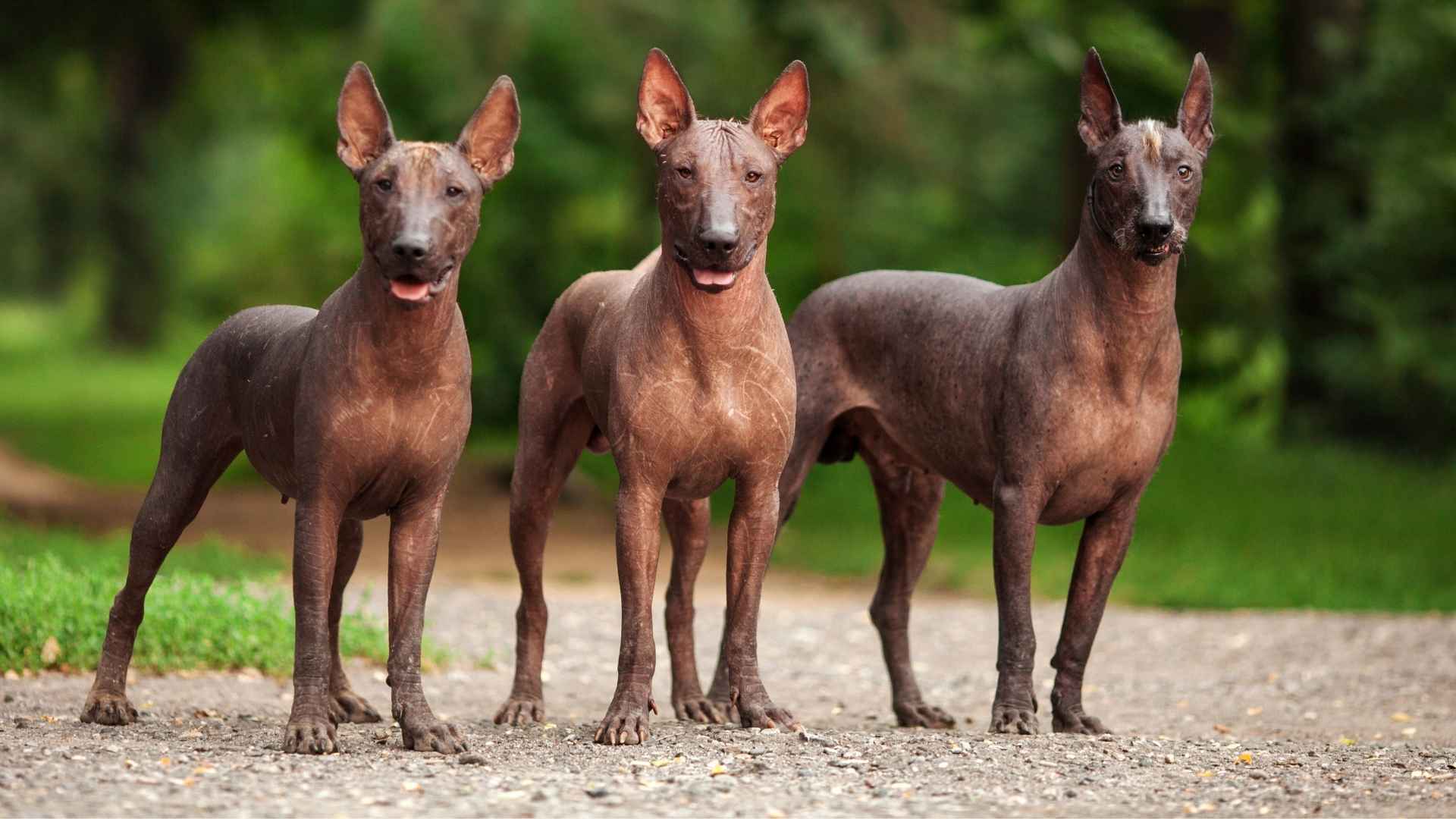
Hairless dog breeds have a unique charm that sets them apart from other dogs. These breeds lack a typical fur coat, which makes them quite special. People often choose hairless dogs for their distinct look and because they shed less. Their skin is exposed, making their care and health needs different from furry dogs.
Common Hairless Dog Types
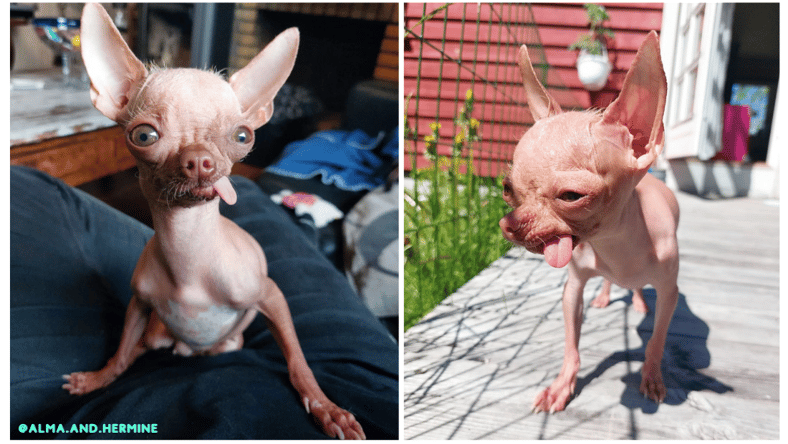
- Chinese Crested: Small, with soft skin and tufts of hair on the head and tail.
- American Hairless Terrier: Friendly, active, and completely hairless.
- Xoloitzcuintli (Mexican Hairless Dog): Comes in toy, miniature, and standard sizes.
- Peruvian Inca Orchid: Sleek body with smooth skin and elegant build.
Genetic Causes Of Hairlessness
Hairlessness in dogs is mainly due to genetic mutations. These genes affect hair follicle development. Some mutations cause the hair to be very thin or stop growing.
Hairless dogs inherit these genes from their parents. Breeders select these traits to maintain hairless lines.
Health Considerations
Hairless dogs need special skin care. Their skin can dry out or get sunburned easily. Owners should use sunscreen and moisturizers.
These dogs may also be prone to allergies and skin infections. Regular vet checkups help catch problems early.
Cold weather can be hard for hairless dogs. They often need sweaters or coats to stay warm.
Hairless Cat Breeds
Hairless cat breeds stand out in the feline world for their unique appearance. Without the usual fur coat, these cats often surprise people with their warm skin and expressive features. Understanding why these cats lack hair helps you appreciate their distinct charm and the special care they require.
Popular Hairless Cats
Several hairless cat breeds have gained popularity among pet lovers. The Sphynxis the most well-known, famous for its wrinkled skin and friendly personality. The Peterbaldoffers a sleek, elegant look with a variety of hairless or partially coated coats.
Another breed, the Donskoy, is prized for its affectionate nature and completely hairless body. Each of these breeds has its own story and traits that make them interesting companions.
Genetic Mutations Behind Hairlessness
Hairlessness in cats is caused by genetic mutations affecting hair growth. In the Sphynx, a natural mutation in the keratin 71gene results in their lack of fur. This mutation is inherited, so breeders carefully select parents to maintain the hairless trait.
Other breeds like the Donskoy have different genetic causes for their hairlessness, showing how multiple mutations can lead to similar appearances. Understanding these genetics helps you know why hairless cats might be more sensitive to temperature and skin issues.
Care And Maintenance
Caring for a hairless cat requires more attention than a typical furry feline. Without fur, they don’t have a barrier against dirt and oils, so regular baths are essential to keep their skin clean and healthy. You’ll also need to protect them from sunburn and cold weather since their skin is exposed.
Hairless cats often crave warmth, so providing cozy blankets or heated beds can make a big difference. Are you ready to give your hairless cat the special care it deserves? Remember, their unique needs come with equally unique rewards.
Evolutionary Reasons
Understanding the evolutionary reasons behind hairless dog and cat breeds unveils fascinating insights into nature. These breeds have adapted over centuries, influenced by their environment and survival needs. Hairlessness is more than a unique trait; it’s a testament to how species evolve to thrive.
Adaptation To Climate
Hairless breeds often originate from warmer regions. In these climates, less fur helps regulate body temperature. Thick fur in high heat can lead to overheating. Thus, hairless breeds gain an advantage in warm climates. Their skin can cool more efficiently without dense fur.
Exposure to sunlight directly on the skin also occurs. This can help with vitamin D synthesis, crucial for bone health. In regions with abundant sunlight, this adaptation becomes beneficial. It optimizes their ability to live comfortably in their native habitats.
Survival Advantages
Hairless breeds may face fewer issues with parasites. Fleas and ticks find less fur to hide in. This reduces the risk of infestations and related health issues. Fewer parasites mean fewer skin irritations and infections.
Additionally, hairless breeds can display injuries more visibly. Owners can spot cuts or bruises easily. This allows for quicker treatment and recovery. Faster healing ensures better survival chances in the wild.
Genetic Mechanisms
The genetic mechanisms behind hairlessness in some dog and cat breeds are fascinating and complex. These unique traits come from specific changes in their DNA that affect hair growth. Understanding these mechanisms helps you appreciate how genetics shapes the appearance of your furry friends.
Key Genes Involved
Certain genes play a crucial role in determining whether a dog or cat will have hair or not. One well-known gene linked to hairlessness in dogs is the FOXI3gene. Mutations in this gene disrupt normal hair follicle development, leading to the characteristic hairless look.
In cats, the HR (Hairless) geneis often the culprit behind hairlessness. When this gene is altered, it affects the growth cycle of hair follicles. This is why breeds like the Sphynx cat have smooth, almost bald skin.
Other genes, such as FGF5, can also influence hair length and density, contributing to variations within hairless breeds.
Inheritance Patterns
Hairlessness often follows specific inheritance patterns that determine how the trait passes from parents to offspring. In many cases, hairlessness is inherited as a dominant trait. This means only one copy of the mutated gene is needed for the trait to appear.
However, some hairless breeds require two copies of the gene to show hairlessness, which is called recessive inheritance. Knowing the inheritance pattern helps breeders predict the chances of hairless puppies or kittens in a litter.
Have you ever wondered why some litters have both hairy and hairless siblings? This mix happens because of how these genes combine during reproduction. Understanding these patterns can guide your decisions if you’re thinking of adopting or breeding hairless pets.
Health Challenges
Hairless dog and cat breeds face unique health challenges that stem from their lack of fur. Their skin is exposed to the environment more directly, making them vulnerable in ways furry pets are not. Understanding these challenges can help you care for your hairless companion better and keep them healthy.
Skin Sensitivity Issues
Without fur to protect it, the skin of hairless pets is extremely sensitive. You might notice redness, dryness, or even sunburn after short outdoor exposure. Regular moisturizing and applying pet-safe sunscreen can prevent painful skin problems.
Have you ever touched a hairless pet’s skin? It feels so delicate that a small scratch or irritation can quickly become an infection. Keeping their skin clean and checking for any wounds daily is essential to avoid bigger health issues.
Temperature Regulation
Hair acts as a natural barrier against cold and heat, which hairless breeds lack. This means your pet can get cold easily in winter and may overheat during summer. You’ll want to invest in warm clothing during chilly months and provide plenty of shade and water when it’s hot.
Many owners don’t realize how quickly their hairless pet can suffer from temperature extremes. Have you noticed your pet shivering or panting excessively? These are signs you need to adjust their environment immediately.
Allergies And Immune Response
Hairless pets often have more sensitive immune systems. They can be prone to allergies, which show up as itchy skin or constant scratching. Identifying triggers like certain foods or environmental factors can make a huge difference in their comfort.
One surprising insight is that hairless breeds may react more strongly to grooming products. Choosing hypoallergenic shampoos and avoiding harsh chemicals helps minimize allergic reactions and keeps their skin calm.

Credit: www.yahoo.com
Cultural And Aesthetic Appeal
Hairless dog and cat breeds stand out not just because of their unusual appearance but also due to the cultural and aesthetic values people attach to them. These breeds challenge traditional ideas of beauty in pets, drawing attention and curiosity wherever they go. Understanding why some cultures and individuals gravitate toward these unique animals can help you appreciate their appeal beyond just looks.
Popularity Trends
Hairless breeds like the Xoloitzcuintli dog and the Sphynx cat have seen spikes in popularity in recent years. This rise is partly due to their low-shedding coats, making them attractive to people with allergies.
Social media also plays a big role. You might have seen these breeds featured in viral posts and influencer content, sparking interest worldwide.
But it’s not just about practicality. Many owners are drawn to the exclusivity of having a less common pet that stands out in a crowd. Would you prefer a pet that turns heads or blends in with the rest?
Unique Beauty Standards
Beauty standards for pets vary widely across cultures, and hairless breeds often symbolize more than just a physical trait.
In Mexico, the Xoloitzcuintli has historical significance, revered as a spiritual guardian. This cultural meaning adds layers to its hairless appearance, linking it to heritage and tradition.
Meanwhile, the Sphynx cat challenges the conventional fluffiness associated with feline beauty. Its exposed skin and wrinkles highlight a raw, almost sculptural elegance.
Choosing a hairless breed means embracing an alternative form of beauty that defies norms. Are you open to redefining what makes a pet beautiful in your eyes?
Care Tips For Hairless Pets
Hairless dog and cat breeds need special attention because their lack of fur makes their skin more exposed to the environment. Caring for these pets means focusing on their unique skin needs and protecting them from harsh weather. You’ll find that simple daily habits can make a big difference in keeping your hairless friend healthy and comfortable.
Skin Care Routines
Without fur, your pet’s skin can get oily, dry, or dirty quickly. Regular gentle baths are essential, but avoid harsh shampoos that can strip natural oils. Use mild, pet-safe cleansers designed for sensitive skin to keep their skin balanced.
After bathing, moisturize their skin with a vet-approved lotion or oil to prevent dryness and cracking. Pay attention to areas prone to wrinkles or folds—they can trap dirt and cause irritation.
Check their skin daily for signs of redness, bumps, or infections. Early detection can save you from costly vet visits and keep your pet comfortable. Have you noticed how some hairless pets have unique skin textures? That’s why personalizing their skin care is key.
Protection From Sun And Cold
Your hairless pet’s skin is vulnerable to sunburn and cold temperatures. Apply pet-safe sunscreen before outdoor activities, especially during peak sunlight hours. Look for formulas that don’t irritate sensitive skin and avoid sunscreens meant for humans.
In cold weather, your pet needs extra warmth. Use cozy sweaters or jackets designed for hairless breeds to keep them comfortable. Don’t underestimate how chilly your pet can get without fur—their body loses heat much faster than furry companions.
Consider limiting outdoor time when the weather is extreme. Have you tried layering clothing or using heated pet beds? These simple additions can keep your pet snug and happy throughout the year.
Credit: rockykanaka.com

Credit: www.yahoo.com
Frequently Asked Questions
Why Are Some Dog Breeds Naturally Hairless?
Some dog breeds are naturally hairless due to genetic mutations affecting hair growth. These genes reduce or stop hair production, resulting in smooth skin. Hairless dogs often have unique adaptations to protect their skin, like thicker skin or increased oil production.
What Causes Hairlessness In Certain Cat Breeds?
Hairlessness in cats is caused by specific genetic mutations that inhibit normal hair follicle development. These mutations lead to little or no fur on their bodies. Hairless cats require special care to protect their sensitive skin from sunburn and temperature changes.
Are Hairless Canidae Breeds Hypoallergenic?
Hairless Canidae breeds can be more hypoallergenic because they shed less fur and dander. However, no dog breed is completely hypoallergenic. People with allergies should spend time with hairless breeds before adopting to ensure compatibility.
How Do Hairless Breeds Protect Their Skin?
Hairless breeds protect their skin through thicker skin layers and increased oil secretion. Owners often use sunscreen and clothing to prevent sunburn and maintain skin health. Regular moisturizing and gentle baths help keep their skin hydrated and clean.
Conclusion
Hairless dog and cat breeds have unique genetic traits. These traits affect their fur growth and skin type. Their lack of hair helps with temperature control and reduces allergies. Caring for hairless pets needs special attention to skin health. Understanding why some breeds are hairless helps us appreciate their special needs.
These breeds offer a different pet experience. Their appearance may seem unusual but comes with benefits. Choosing a hairless pet means knowing their care requirements well. Each breed has its own charm and challenges.

Leave a Reply