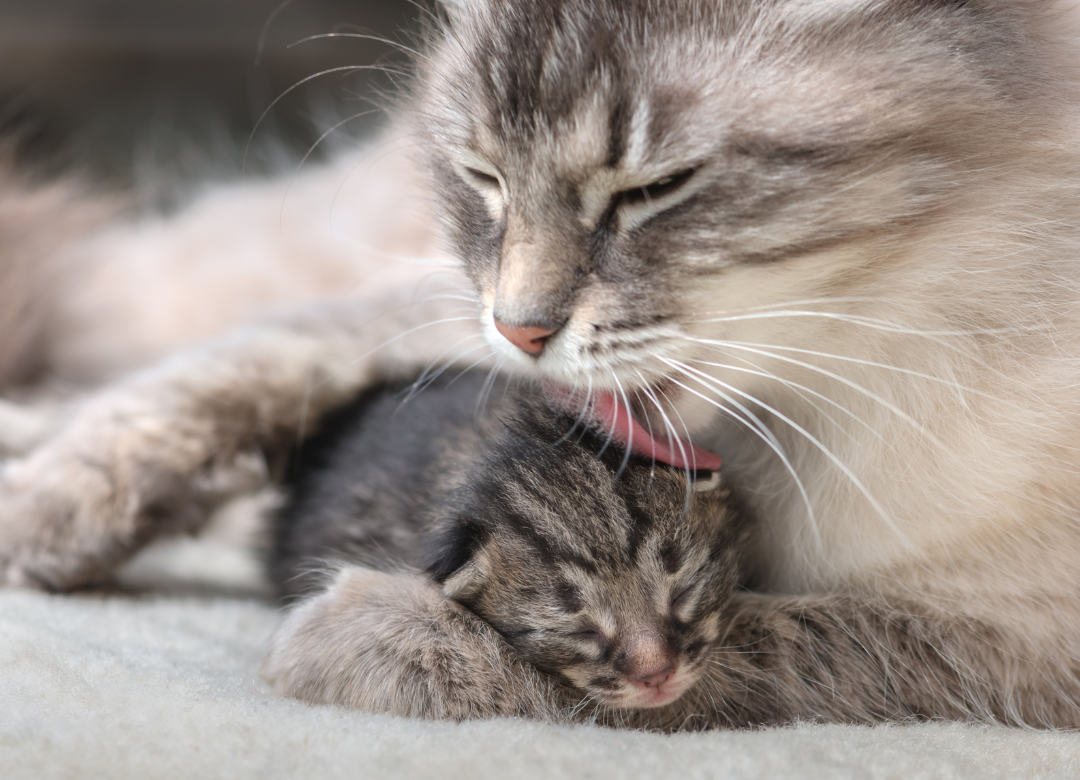
Are you curious about how to get into breeding cats? Whether you love cats or want to turn your passion into a rewarding hobby or business, breeding cats can be exciting and fulfilling.
But before you start, there’s a lot you need to know to do it right. From choosing the right breed to understanding the care and responsibilities involved, this guide will give you clear steps to help you begin. Keep reading to discover what it takes to become a successful cat breeder and how you can create healthy, happy kittens you’ll be proud of.
Credit: www.rover.com
Choosing The Right Breed
Choosing the right breed is a crucial step when you want to start breeding cats. The breed you select affects your experience, the care needed, and the satisfaction you get from breeding. Understanding breed traits helps you avoid surprises and matches your lifestyle and goals.
Popular Cat Breeds For Beginners
Some cat breeds are easier to handle and breed, especially if you’re new to this. Breeds like the American Shorthair, British Shorthair, and Ragdoll are popular choices for beginners.
- American Shorthair:Known for their easygoing nature and strong health, they adapt well to home environments.
- British Shorthair:Calm and affectionate, they require moderate grooming and have a sturdy build.
- Ragdoll:Friendly and relaxed, they enjoy human interaction and are less prone to stress.
Choosing a breed with straightforward care needs can save you time and reduce stress. What kind of personality do you want your breeding cats to have?
Breed Characteristics And Temperament
Every breed has unique traits and temperaments that influence their behavior and interaction with people. For example, Siamese cats are vocal and active, while Maine Coons are gentle giants who love companionship.
Think about how much time you can spend with your cats daily. If you prefer a quiet home, breeds that are less demanding in attention might suit you better.
Temperament also impacts breeding success. Cats that are calm and sociable tend to be easier to handle during vet visits and mating.
Health Considerations
Health issues vary widely across breeds and affect both your cats’ wellbeing and your breeding outcomes. Some breeds have hereditary conditions you should research carefully before starting.
| Breed | Common Health Issues | Breeding Impact |
|---|---|---|
| Persian | Respiratory problems, kidney disease | Requires careful health screening |
| Sphynx | Skin conditions, heart disease | Needs regular health checks |
| Bengal | Hypertrophic cardiomyopathy | Genetic testing recommended |
Are you prepared to manage potential health challenges in your chosen breed? Understanding these risks upfront helps you provide better care and avoid complications.
Setting Up Your Breeding Space
Setting up your breeding space is the foundation of successful cat breeding. The right environment keeps your cats healthy and happy. It also helps prevent stress and illness. A well-planned area ensures smooth care for both the mother and her kittens.
Creating a comfortable and secure space shows your commitment to responsible breeding. This section covers key points to prepare your breeding area properly.
Creating A Safe Environment
Choose a quiet room away from noise and heavy traffic. Cats need peace for mating and raising kittens. Use soft bedding to keep them warm and cozy. Avoid sharp objects and small items that can cause harm. Make sure the space has good ventilation but no drafts. Proper lighting helps monitor your cats easily.
Essential Supplies And Equipment
Keep these items ready for your breeding space:
- Comfortable bedding and nesting boxes
- Food and water bowls
- Litter boxes with easy access
- Heating pads or lamps for warmth
- Cat carriers for safe transport
- Scales to monitor kitten growth
- Grooming tools like brushes and nail clippers
Having these supplies helps you care for the cats and kittens efficiently.
Sanitation And Hygiene Practices
Cleanliness is key to preventing infections and illness. Change bedding regularly to keep the area fresh. Wash food and water bowls daily. Scoop litter boxes at least twice a day. Use pet-safe cleaning products to disinfect floors and surfaces. Wash your hands before and after handling cats. Keep a waste bin nearby for quick disposal of soiled materials.
Good hygiene protects the health of both the mother and her kittens.
Finding Healthy Breeding Cats
Starting with healthy cats is key for successful breeding. Choose cats with good health and proper vaccinations. Learn about genetics and care to raise strong, happy kittens.
Getting into the world of cat breeding can be an exciting adventure, but it requires a thoughtful approach, especially when it comes to selecting healthy breeding cats. Ensuring the health and quality of your breeding cats is crucial not only for the wellbeing of the cats but also for maintaining breed standards and producing healthy kittens. So how do you find the perfect feline partners for your breeding program?Selecting Quality Cats
Choosing the right cats is the foundation of a successful breeding program. Start by researching the specific breed you’re interested in. Learn about their traits, temperament, and potential health issues. Consider attending cat shows to observe different breeds and talk to experienced breeders. They can offer valuable insights and may even guide you to available cats that meet your criteria.Genetic Testing And Health Screening
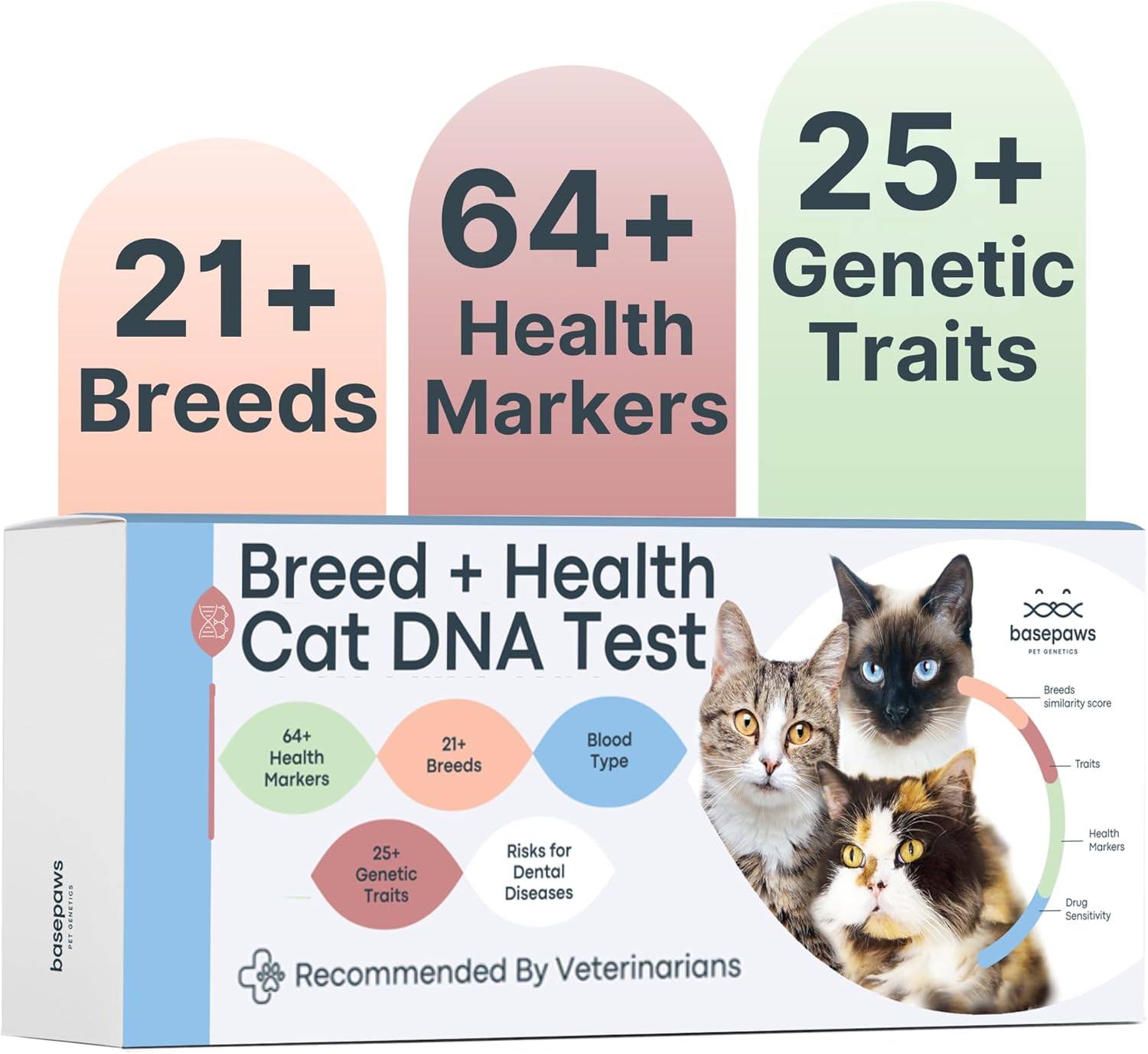
Before committing to a breeding cat, genetic testing and health screening are essential. These tests help identify any hereditary issues that could be passed on to kittens. Consult with a veterinarian who specializes in feline genetics to discuss the necessary tests for your chosen breed. This step protects the integrity of your breeding program and ensures the kittens have the best start in life.Building Relationships With Reputable Breeders
Establishing connections with reputable breeders is a crucial part of finding healthy breeding cats. Networking within the breeding community can open doors to potential breeding partners and mentorship opportunities. Attend breeder conferences or join online forums to meet experienced breeders. Building these relationships can lead to collaborations and provide support as you navigate the complexities of breeding cats. Are you ready to dive into the rewarding world of cat breeding? With the right approach and resources, you can make informed decisions that benefit both your cats and future generations.Breeding Basics
Breeding cats is more than just pairing a male and female; it requires a solid grasp of the basics to ensure healthy kittens and a smooth process for both cats and owners. Understanding the reproductive cycle, timing the mating perfectly, and recognizing pregnancy signs are crucial steps. These fundamentals help you make informed decisions and care for your cats responsibly.
Understanding Cat Reproductive Cycles
Cats are seasonal breeders, usually coming into heat several times from spring to fall. Each heat cycle lasts about 7 to 10 days, and a female can go into heat every two to three weeks if not bred.
Knowing this cycle helps you identify the best time to mate your cats. You might notice behaviors like increased vocalization, rubbing against objects, and restlessness. Have you ever observed these signs closely to predict when your cat is ready?
Timing Mating Correctly
Successful breeding depends heavily on timing. Ideally, introduce the male when the female shows clear signs of being in heat, such as raising her hindquarters or tail to the side.
Breeding too early or too late in the cycle reduces the chances of conception. It’s often helpful to spend time with your cats during this period to ensure they are comfortable and willing. Have you considered how stress or environment might affect their readiness?
Signs Of Pregnancy And Care
Once mating occurs, watch for early pregnancy signs like decreased appetite and slight weight gain after about two weeks. Around the third week, you may notice enlarged nipples, sometimes called “pinking up.”
Proper care during pregnancy includes providing high-quality nutrition and a quiet, safe space for the expecting mother. Avoid any stressful situations or unnecessary handling. How prepared are you to meet the needs of a pregnant cat through this critical time?
Caring For Pregnant Cats And Kittens
Caring for pregnant cats and their kittens is a rewarding part of cat breeding that requires attention and dedication. Your role is to ensure the mother stays healthy and comfortable while preparing to welcome her new litter. Understanding the needs during pregnancy and early kitten care can make a huge difference in their survival and well-being.
Nutrition And Health During Pregnancy
Pregnant cats need more calories and nutrients to support their growing kittens. Switch to a high-quality kitten food because it has the extra protein and fat your cat requires. You should feed her smaller meals more often to keep her energy levels stable.
Keep track of her weight gain and watch for any signs of illness. Regular vet check-ups are vital to monitor the pregnancy progress and catch any issues early. Have you ever noticed how even a slight change in diet can affect a cat’s behavior and health during pregnancy?
Preparing For Birth
Set up a quiet, warm, and safe nesting area for your cat well before she gives birth. Use a box lined with soft blankets that can be changed easily. Place it in a low-traffic area where she feels secure but still close enough for you to keep an eye on her.
Learn the signs of labor and keep emergency vet contacts handy. Many breeders recommend having clean towels, a heating pad, and scissors sterilized and ready to assist if needed. Have you prepared your space and supplies, or will you wait until the last moment?
Kitten Care And Socialization
Newborn kittens need warmth and nutrition immediately after birth. Monitor to ensure they nurse properly and the mother produces enough milk. If she struggles, you may need to step in with kitten formula and bottle feeding.
Socialization starts early—handle the kittens gently every day once they open their eyes. This helps them become confident pets later on. How will you introduce your kittens to new experiences without overwhelming them?
Legal And Ethical Responsibilities
Getting into cat breeding means taking on serious legal and ethical responsibilities. You’re not just raising kittens; you’re shaping the future of a breed and ensuring the wellbeing of animals and buyers alike. Understanding these responsibilities protects you, your cats, and your reputation.
Licensing And Regulations
You must check local and national laws before starting. Many places require breeders to have specific licenses or permits. These rules often cover the number of cats you can keep, health standards, and even facility inspections.
Failing to follow these regulations can lead to fines or losing your breeding rights. It’s worth contacting local animal control or a breeders’ association to get clear guidance. Are you ready to keep up with paperwork and inspections as part of your breeding journey?
Ethical Breeding Practices
Ethical breeding means prioritizing your cats’ health and temperament over profits. You should screen for genetic diseases and avoid breeding cats with known health issues. This protects future generations from preventable suffering.
Many responsible breeders provide health guarantees and socialization for kittens before adoption. You’ll need to commit to lifelong support for the families who take your kittens home. Can you ensure every cat you breed has a good quality of life?
Avoiding Common Pitfalls
Some new breeders rush into breeding without enough knowledge, leading to health problems or unhappy buyers. Avoid overbreeding your cats to prevent stress and health decline. Also, don’t ignore the importance of a good contract to protect both you and the buyer.
Be cautious about selling kittens online without meeting buyers in person. Scams and misunderstandings can damage your credibility. What steps will you take to build trust and stay informed as you grow your breeding practice?
Marketing And Selling Kittens
Marketing and selling kittens is a crucial part of cat breeding that requires more than just finding buyers. It involves ensuring each kitten goes to a loving and responsible home while also valuing your time and effort. You’ll need to balance promotion, communication, and legal safeguards to protect both your kittens and your reputation.
Finding Suitable Homes
Start by identifying what makes a home suitable for your kittens. Look for families or individuals who understand the commitment of pet ownership and can provide a safe, loving environment.
Ask potential buyers about their experience with cats, their living situation, and how they plan to care for the kitten. You can also request references or a home visit if needed. This not only helps protect your kittens but also builds trust with the new owners.
Setting Prices
Pricing your kittens fairly is key to attracting serious buyers and reflecting the quality of your breeding efforts. Research prices for similar breeds and consider factors like pedigree, health certifications, and care expenses.
Be transparent about what your price includes, such as vaccinations, microchipping, or a starter kit. Avoid underpricing just to sell quickly; this can undervalue your work and attract buyers who may not be committed.
Handling Inquiries And Contracts
Respond promptly and clearly to inquiries. Use this opportunity to explain your breeding standards and the kitten’s needs, helping buyers understand what they’re committing to.
Always use a written contract outlining the responsibilities of both parties, health guarantees, and return policies. This document protects your kittens and helps avoid misunderstandings later on.

Credit: dremmanuelfontaine.com
Continuing Education For Breeders
Continuing education is essential for anyone serious about breeding cats. The world of cat breeding changes with new research and techniques. Staying informed helps breeders improve the health and quality of their cats. It also ensures ethical and responsible breeding practices.
Education does not stop after the first litter. Learning is a lifelong process for breeders. It includes connecting with others, attending events, and studying breed standards closely. These efforts build a strong foundation for success.
Joining Breeder Communities
Breeder communities offer a place to share knowledge and ask questions. Joining these groups helps breeders connect with experienced mentors. Members often discuss health issues, genetics, and breeding tips. These networks provide support and keep breeders updated on industry news.
Attending Workshops And Shows
Workshops provide hands-on learning about cat care and breeding. Experts teach about genetics, health testing, and kitten care. Cat shows are also valuable for observing breed traits in real life. They offer chances to meet judges and other breeders. These events help sharpen a breeder’s eye for quality.
Keeping Up With Breed Standards
Breed standards define the ideal traits for each cat breed. Understanding these standards guides breeders in selecting mating pairs. Standards can change as new information emerges. Regular review helps breeders produce cats that meet or exceed expectations. Staying current ensures cats remain true to their breed.

Credit: www.thejoltnews.com
Frequently Asked Questions
How Do I Start Breeding Cats Responsibly?
Begin by researching cat breeds and genetics thoroughly. Ensure you understand health issues. Set up a clean, safe environment. Connect with experienced breeders for guidance. Register with cat breeding associations for credibility and support.
What Are The Legal Requirements For Cat Breeding?
Legal rules vary by location. Obtain necessary licenses and permits. Follow animal welfare laws strictly. Ensure your breeding operation meets local zoning and health regulations. Always keep records of breeding activities for accountability.
How Can I Ensure Healthy Kittens?
Select healthy breeding cats with good genetics. Schedule regular vet check-ups and vaccinations. Provide balanced nutrition and proper care during pregnancy. Monitor kittens closely after birth. Early socialization and health screenings are essential for strong kittens.
What Are The Costs Involved In Cat Breeding?
Costs include vet care, vaccinations, and quality food. Registration fees and equipment expenses add up. Expect expenses for proper housing and emergency care. Budgeting properly ensures ethical and successful breeding practices.
Conclusion
Starting cat breeding takes care, patience, and learning. Know your cat breeds well. Prepare a safe, clean space for them. Always focus on the health and happiness of your cats. Connect with experienced breeders and join cat clubs. Keep records of your cats’ health and lineage.
Remember, breeding is a long-term commitment. Enjoy the process and the joy cats bring. This path can be rewarding with the right effort. Take it step by step, and stay dedicated.



Leave a Reply