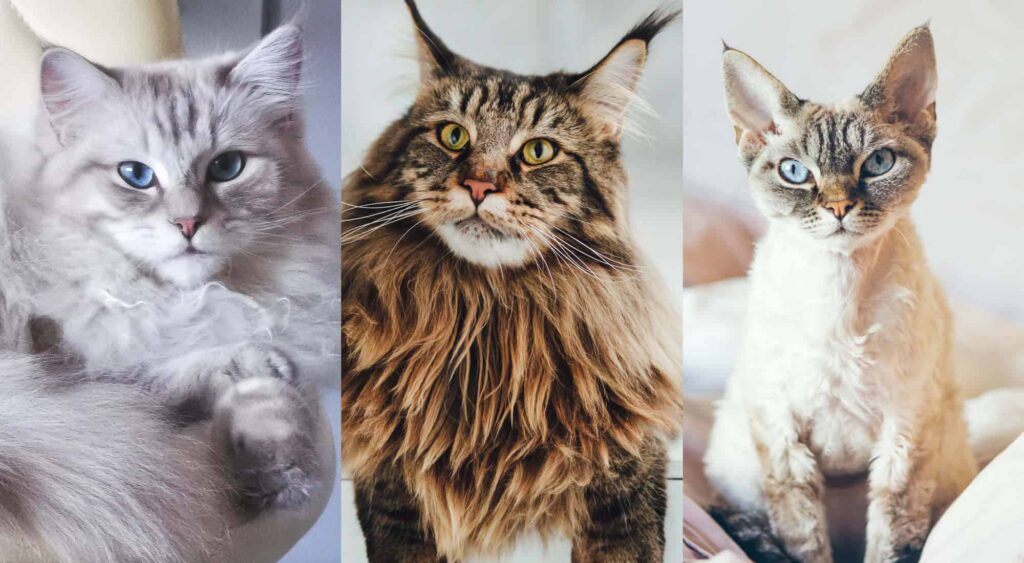
Are you thinking about adding a furry friend to your home? Choosing the right cat breed can make all the difference in how happy you and your new pet will be.
But have you ever wondered what cat breeds pet stores usually sell? Knowing this can help you find the perfect match for your lifestyle and personality. You’ll discover the most common cat breeds available at pet stores, along with what makes each one special.
Keep reading to find out which breed could become your next loving companion.
Popular Cat Breeds In Pet Stores
Pet stores often showcase a variety of cat breeds, catering to different tastes and lifestyles. Whether you want a playful companion or a calm lap cat, knowing which breeds are commonly available can help you make a confident choice. Let’s take a closer look at the popular cat breeds you might find in pet stores today.
Common Domestic Cats
Most pet stores stock common domestic cats because they are adaptable and friendly. These cats include Domestic Shorthairs and Domestic Longhairs, which come in many colors and patterns.
These breeds are low-maintenance and usually have great temperaments, making them perfect for first-time cat owners. Have you considered how a cat’s personality might fit your daily routine?
Trendy Designer Breeds
Designer breeds like the Bengal and Scottish Fold are gaining popularity in pet stores. Their unique looks and playful nature often attract buyers looking for something special.
Bengals have striking spotted coats and love active play, while Scottish Folds are known for their adorable folded ears and calm demeanor. Think about what personality and energy level suit your home before choosing one of these trendy breeds.
Rare And Exotic Cats
Some pet stores offer rare and exotic cats, such as the Sphynx or the Siamese. These breeds stand out due to their unusual appearance and distinct traits.
Sphynx cats are hairless and require extra care for their skin, while Siamese cats are vocal and highly social. Are you ready for the commitment that comes with owning a rare breed?
Characteristics Of Top Cat Breeds
Understanding the characteristics of popular cat breeds can help you find the perfect feline companion at pet stores. Each breed has unique traits that influence how they interact with you and your home. Knowing these details makes your choice more informed and your life with your cat more enjoyable.
Personality Traits
Different cat breeds come with distinct personalities. Siamese cats, for example, are talkative and social, often seeking attention and interaction. On the other hand, British Shorthairs tend to be calm and independent, preferring quiet environments.
Think about your daily routine and how much time you can dedicate to a cat. Would you enjoy a chatty companion, or do you prefer a low-key pet that’s fine alone for hours? Your lifestyle plays a big role in matching personality traits.
Care Requirements
Care needs vary widely between breeds. Long-haired cats like Persians require regular grooming to prevent mats and tangles, which can become a daily task. Short-haired breeds generally need less brushing but still benefit from weekly care.
Some breeds have specific health concerns too. Maine Coons, while hardy, need monitoring for hip dysplasia, and Sphynx cats require skin care due to their lack of fur. Understanding these needs helps you prepare and avoid surprises.
Suitability For Families
Not all cats are equally suited for homes with children or multiple pets. Ragdolls are known for their gentle nature and often do well in busy households. Active or nervous breeds might struggle with the noise and activity of young kids.
Ask yourself: how calm or lively is your home? Do you have other pets? Choosing a breed that fits your family’s dynamic can improve everyone’s happiness. Visiting pet stores and observing how cats react to different environments can be very telling.
Why Pet Stores Choose Certain Breeds
Pet stores often sell popular cat breeds known for their friendly nature and easy care. Breeds like Siamese, Persian, and Maine Coon attract many buyers due to their appearance and temperament. Choosing these breeds helps stores meet customer demand and ensure pet well-being.
Pet stores often have a wide variety of cat breeds, but have you ever wondered why they choose certain breeds over others? The decision to stock specific breeds is influenced by several factors that align with market demands and business strategies. Understanding these factors can give you insight into what makes a breed more likely to be found in your local pet store.Demand And Popularity
Pet stores prioritize breeds that have high demand and popularity among cat lovers. Breeds like the Siamese, Persian, and Maine Coon are often sought after due to their distinct looks and friendly personalities. This demand ensures that pet stores can meet customer expectations and maintain a steady flow of interested buyers. When you walk into a pet store, you’ll likely see breeds that have become social media stars or have a strong presence in popular culture. This trend is driven by people sharing their pets online, creating a ripple effect of popularity. Have you ever noticed how certain breeds seem to be everywhere at the same time?Breeding And Availability
Breeding practices and the availability of certain breeds play a significant role in a pet store’s selection. Some breeds are easier to breed and have larger litters, making them more readily available. This availability ensures that stores can keep a consistent stock without long waiting periods. Breeders often collaborate with pet stores to supply cats that meet specific criteria, ensuring quality and health standards. This partnership benefits both parties, providing a reliable source of pets for stores and a steady market for breeders. Could this be why you see some breeds more often than others?Cost And Profit Factors
The cost of acquiring and maintaining certain cat breeds influences a pet store’s decision. Breeds that are expensive to breed or require special care can drive up costs, affecting the store’s profit margins. Stores aim to balance the costs of obtaining a breed with the potential selling price to ensure profitability. For instance, exotic breeds or those with rare colors might attract higher prices, but they also come with increased risks and expenses. Stores weigh these factors carefully to offer a variety of breeds without compromising on their financial goals. Have you considered how the economics of pet breeding impact your options as a buyer?
Credit: gladdogsnation.com
Ethical Considerations In Pet Store Sales
Pet stores often sell popular cat breeds to meet customer demand. Yet, ethical issues arise around how these cats are bred and sold. Understanding these concerns helps buyers make better choices. Awareness of animal welfare and responsible sourcing is key to supporting ethical pet ownership.
Breeding Practices
Many pet stores source cats from commercial breeders. These breeders sometimes prioritize quantity over quality. This can lead to poor living conditions and health problems for cats. Ethical breeders focus on the cats’ health and temperament. They provide safe, clean environments and proper care. Knowing where a cat comes from matters greatly for its wellbeing.
Adoption Vs. Purchase
Adopting cats from shelters saves lives and reduces overpopulation. Shelters often have many cats needing homes. Buying cats from pet stores may support breeders with questionable practices. Adoption offers a chance to give a cat a second chance. It also helps reduce the demand for commercially bred cats. Choosing adoption promotes kindness and responsibility.
Animal Welfare Concerns
Pet stores sometimes keep cats in small cages with limited socialization. This can cause stress and behavioral issues in cats. Some stores may neglect proper veterinary care. Ethical concerns also include the transport conditions of cats. Well-being depends on how cats are treated before sale. Buyers should ask about the store’s care standards and policies.
Tips For Buying Cats From Pet Stores
Buying a cat from a pet store requires careful thought and preparation. Cats are living beings that need proper care from the start. Knowing what to check and ask helps find a healthy, happy pet. This guide shares key tips for buying cats from pet stores safely and wisely.
Checking Health And Documentation
Look closely at the cat’s health before buying. Check for clear eyes, clean ears, and a shiny coat. Watch for sneezing or coughing, signs of illness. Ask to see health records and vaccination papers. Make sure the cat has been checked by a vet. These documents prove the cat is healthy and cared for.
Questions To Ask Breeders
Talk with the breeder or store staff. Ask about the cat’s age, breed, and background. Find out if the cat has any health problems. Ask how the cat was raised and socialized. Learn about the parents’ health and temperament. These questions help understand the cat’s needs and personality.
Alternatives To Pet Store Cats
Consider other places to find your new pet. Animal shelters and rescue groups have many cats waiting. Adoption helps give a cat a second chance. Breeders with good reputations offer healthy cats. Look for local cat clubs or breed-specific rescues. These options often lead to a happier and healthier pet.

Credit: www.happypawsus.com

Credit: www.latimes.com
Frequently Asked Questions
What Cat Breeds Are Commonly Sold In Pet Stores?
Pet stores often sell popular breeds like Siamese, Persian, and Maine Coon. These cats are friendly, adaptable, and suitable for families. Availability varies by location and store policies. Some stores also offer mixed breeds or domestic shorthairs.
Are Purebred Cats Available In Pet Stores?
Yes, some pet stores offer purebred cats, but availability depends on the store. Purebred cats usually come from reputable breeders connected to the store. Always inquire about the cat’s origin and health history before purchasing.
How Can I Verify The Health Of A Pet Store Cat?
Check for clear eyes, clean ears, and a shiny coat. Ask for veterinary records and vaccination history. A healthy cat should be active and responsive. Reputable stores provide health guarantees and support.
Why Do Pet Stores Sell Certain Cat Breeds More Often?
Stores stock breeds with high demand and easy care requirements. Popular breeds attract more buyers and ensure quicker sales. Breeds known for good temperaments are preferred for families and first-time cat owners.
Conclusion
Pet stores offer many popular cat breeds for pet lovers. Each breed has unique traits and care needs. Choosing the right cat means thinking about personality and lifestyle. Some cats are playful, others calm. Knowing what a breed offers helps make a good match.
Always research before bringing a new pet home. A happy cat makes a happy home. Enjoy the journey of finding your perfect feline friend.



Leave a Reply