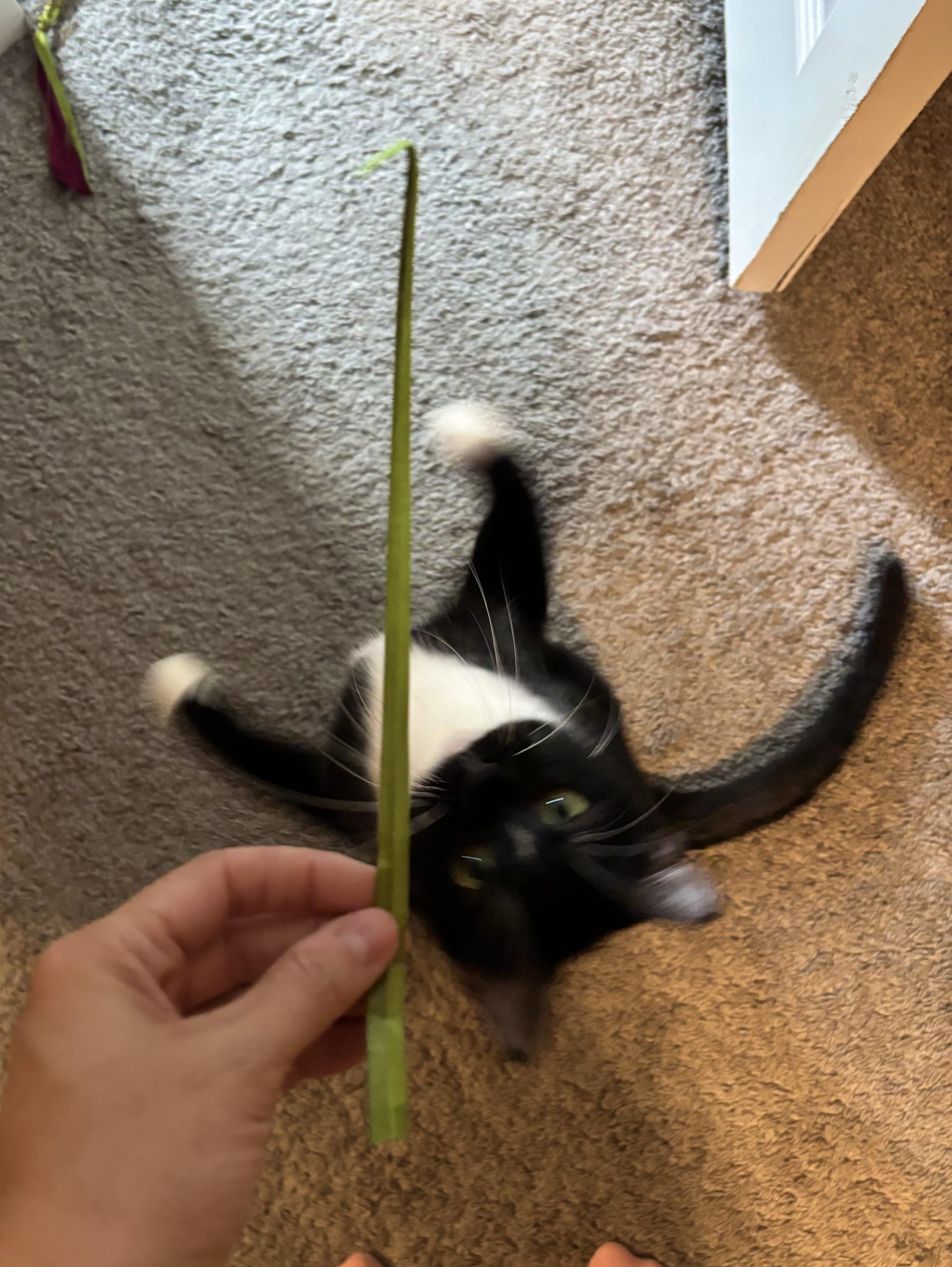
Have you ever watched your cat pounce on a toy and wondered, “Does my cat know his toys are fake?” It’s a question many pet owners ask but rarely find a clear answer to. You might be surprised by how your furry friend really sees those colorful feathers or crinkly mice.
Understanding this can change the way you play and connect with your cat every day. Keep reading, and you’ll discover fascinating insights about your cat’s mind—and how to make playtime even more exciting for both of you.
Cat Play Behavior
Understanding your cat’s play behavior reveals a lot about how they interact with their toys. Cats don’t just play for fun—they’re tapping into deep-rooted instincts. Observing how your cat engages with toys can help you choose better playthings and strengthen your bond.
Instincts Behind Play
Play is a natural way for cats to practice hunting skills. Even indoor cats rely on these instincts to stay sharp. You might notice your cat stalking, pouncing, or batting at a toy just like they would with real prey.
Have you seen your cat suddenly freeze before leaping at a toy? That’s their predatory drive kicking in. Your cat doesn’t need the toy to be real—it’s the action that matters most to them.
Hunting Simulation
Toys act as stand-ins for prey in your cat’s eyes. They mimic the small movements and shapes of animals your cat would hunt in the wild. This is why feather wands or motorized toys often get the most enthusiastic reactions.
When your cat chases a laser pointer or a moving toy mouse, they’re practicing stalking and capturing skills. You can encourage this behavior with toys that move unpredictably, keeping your cat mentally and physically engaged.
Response To Movement
Cats respond strongly to movement, regardless of whether the toy is fake or not. The way a toy moves can trigger a chase or pounce almost instantly. This suggests that your cat focuses more on how the toy behaves than its material or appearance.
Have you noticed that a still toy rarely holds your cat’s attention? Movement sparks curiosity and excitement, turning a simple object into a source of entertainment. Try varying the speed and direction of the toy to keep your cat interested longer.

Credit: www.amazon.com
Toy Recognition
Understanding how your cat recognizes their toys can change the way you choose and use them. Cats rely on more than just sight to decide if something is worth their attention. Their ability to identify toys, even if they are fake, depends on several factors that engage their senses and memory.
Scent And Texture
Your cat’s nose is a powerful tool in toy recognition. They often sniff toys to check for familiar or interesting smells. A toy with the scent of catnip or even a hint of your own smell can feel more “real” to your pet.
Texture matters just as much as scent. Cats enjoy toys that mimic the feel of prey—soft, furry, or even slightly rough textures can trigger their hunting instincts. If a toy feels too smooth or plastic-like, your cat might lose interest quickly.
Visual Cues
Cats are attracted to movement and shapes that resemble small animals. Bright colors or overly shiny toys might confuse them, but toys that resemble the size and shape of mice or birds often catch their eye.
Even if a toy is fake, your cat can recognize it as something to play with if it moves in a way that mimics real prey. Try using toys that wiggle or flutter to keep your cat engaged.
Familiarity Over Time
Your cat’s connection to a toy grows the more they play with it. A toy that starts out unfamiliar can become beloved through repeated interaction.
Have you noticed your cat returning to the same toy day after day? That’s a sign they’ve accepted it as “real” in their world. Consistent playtime helps build this bond, turning any toy into a trusted companion.
Emotional Connection To Toys
Understanding whether your cat knows their toys are fake involves exploring the emotional connection they form with these objects. Cats don’t just see toys as playthings; they often treat them as sources of comfort, security, and stress relief. This emotional bond can influence how your cat interacts with their toys and how much joy they derive from them.
Comfort And Security
Cats often use toys as a source of comfort, much like a child with a favorite blanket. A familiar toy can make your cat feel safe in new or stressful environments. You might notice your cat cuddling or sleeping near a specific toy, showing it provides a sense of security.
Have you observed your cat carrying a toy around the house or tucking it under their paw? These behaviors suggest your cat values the toy beyond simple play. It becomes a comforting presence, especially when you’re not around.
Attachment Patterns
Each cat develops unique attachment patterns to their toys. Some prefer soft, plush toys to bat around, while others like small, hard toys to chase and pounce on. These preferences reveal how cats express their natural hunting instincts or nurturing behaviors through play.
Think about how your cat reacts when you try to take away their toy. Do they resist or seem indifferent? Strong attachment often means the toy serves a deeper emotional role, not just entertainment.
Role In Stress Relief
Toys play a crucial part in helping cats manage stress. Engaging with a toy can redirect anxious energy into positive activity. This helps reduce destructive behaviors and promotes mental well-being.
If your cat seems restless or agitated, offering a favorite toy might calm them down quickly. Have you noticed how a quick play session can change your cat’s mood? This shows that toys act as emotional outlets, helping your cat cope with daily challenges.

Credit: www.reddit.com
Difference Between Real Prey And Toys
Understanding how your cat perceives the difference between real prey and toys can change the way you engage with them. Cats rely heavily on their senses and instincts, which means that even the most realistic toys might not fully convince them they are hunting real animals. Let’s look closer at what sets real prey apart from toys in your cat’s eyes.
Sensory Feedback
Real prey offers a range of sensory signals that toys usually can’t match. The smell, texture, and tiny movements of a live animal provide your cat with rich information. Toys, even the ones with feathers or bells, often lack these subtle details.
Think about how your cat reacts when it catches a bug versus when it bats a plush mouse. The bug’s unpredictable movements and scent create a complete sensory experience, while the toy feels static and less engaging. This sensory gap plays a big role in how your cat values the object.
Reaction To Movement
Movement is a critical factor in distinguishing real prey from toys. Real animals move erratically, with sudden changes in speed and direction. Toys often follow predictable paths or require you to control their movement, which can feel less authentic to your cat.
Your cat’s hunting instinct triggers more strongly when the target moves in unexpected ways. Have you noticed how your cat’s interest fades quickly if a toy moves too smoothly or predictably? This reaction shows how important natural movement is to keep your cat engaged.
Learning From Experience
Cats learn from their hunting experiences and adjust their behavior accordingly. If a toy doesn’t respond or “fight back,” your cat may lose interest over time. Your cat’s brain remembers the difference between successful hunts and unsatisfying play.
By observing your cat’s reactions, you can tell if they treat a toy like real prey or just a plaything. You might notice increased excitement and persistence with certain toys that mimic real prey better. How do your cat’s favorites measure up in this respect?
How Cats Use Their Toys
Cats play with toys as if they were real prey, using their hunting skills. They may not fully understand toys are fake but enjoy the movement and texture. This play helps keep them active and sharp.
Cats have a unique way of engaging with their toys, often mimicking hunting behaviors that are instinctual. Observing your cat’s interactions can reveal a lot about their playful nature and preferences. Whether pouncing, swatting, or batting, every move is a testament to their innate curiosity and survival instincts.Solo Play Vs. Interactive Play
Cats can be both independent and social creatures. During solo play, they often entertain themselves, showcasing their agility and quick reflexes. Interactive play, on the other hand, involves you as an active participant, strengthening your bond while keeping them mentally and physically stimulated. Does your cat love chasing a laser pointer or batting at a feather wand? These activities provide a great mix of exercise and bonding time.Manipulation Techniques
Cats are natural manipulators when it comes to their toys. They might paw at a toy, knocking it around to mimic catching prey. Some cats even employ stealth, quietly sneaking up on their ‘prey’ before making a decisive pounce. This behavior is not only entertaining to watch but also essential for their mental enrichment. Notice how your cat might play differently with various toys, showcasing their problem-solving skills.Toy Preferences
Every cat has its own distinct toy preferences. While some might go wild over a crinkly ball, others might prefer a plush mouse. It’s important to pay attention to what excites your feline friend the most. Have you ever noticed your cat ignoring a new toy only to be obsessed with a scrunched-up piece of paper? Understanding these preferences can help you choose toys that keep them engaged and happy. Do you regularly rotate your cat’s toys to keep their interest piqued? This simple action can make a big difference in their playtime enjoyment.Impact Of Toy Design
The design of your cat’s toys plays a crucial role in whether your cat perceives them as real or fake. Every detail, from the materials used to the features and durability, affects your cat’s interest and interaction. Understanding these aspects helps you choose toys that keep your cat engaged and happy.
Materials And Safety
The materials used in cat toys matter a lot. Cats have sensitive noses and paws, so soft, natural-feeling materials often feel more authentic to them.
Look for toys made from non-toxic substances, like organic cotton or natural feathers. Avoid toys with strong chemical smells or hard plastic that might turn your cat away.
Safety is also key—you want materials that won’t easily break into sharp pieces. Have you noticed how your cat rejects toys that feel too rough or smell artificial?
Stimulating Features
Features like movement, texture, and sound can make a toy more lifelike. Cats respond to toys that mimic prey with unpredictable motions or rustling sounds.
Adding feathers, crinkly fabric, or even small bells can spark your cat’s hunting instincts. However, not every cat likes noisy toys, so observe your cat’s reactions closely.
Does your cat chase toys more when they wiggle or make noise? These small details often decide if the toy feels “real” enough to engage your cat’s natural behaviors.
Durability And Wear
Durability influences whether your cat sees a toy as a lasting object or a disposable item. A toy that falls apart quickly loses its appeal and might be ignored.
Strong stitching, tough fabrics, and secure attachments keep toys intact through rough play. When a toy ages naturally—showing wear but staying whole—cats may treat it like a familiar “friend.”
Have you noticed your cat returning to a well-loved toy over a broken one? Durability helps build a bond between your pet and their playthings, boosting their enjoyment and trust.
Tips To Enhance Toy Engagement
Keeping your cat interested in toys can be tricky. Cats get bored fast. You need to make toys fun and exciting. Here are some tips to help your cat enjoy playtime more and stay active.
Rotating Toys
Change the toys your cat plays with regularly. Put some toys away for a while. Then bring them back later. This makes old toys feel new again. Your cat will stay curious and eager to play.
Incorporating Treats
Use treats to reward your cat during play. Hide small treats inside toys or near them. This connects fun with tasty rewards. Your cat will want to play more to get treats. It builds a positive play habit.
Mimicking Prey Movements
Move toys like real prey animals. Drag or flick toys quickly across the floor. Make sudden stops and changes in direction. This triggers your cat’s hunting instincts. It makes playtime exciting and natural for your cat.

Credit: www.amazon.com
Frequently Asked Questions
Does My Cat Realize Toys Are Not Real Prey?
Cats often sense toys are not real but still enjoy playing. Toys mimic prey movements, triggering their hunting instincts.
How Do Cats React To Fake Toys?
Cats react by pouncing, batting, and stalking fake toys. These actions satisfy their natural hunting behaviors and keep them engaged.
Can Fake Toys Stimulate A Cat’s Mind?
Yes, fake toys stimulate a cat’s mind by encouraging problem-solving. Interactive toys boost mental activity and reduce boredom in cats.
Do Cats Prefer Certain Fake Toys Over Others?
Cats prefer toys that mimic prey size, texture, and movement. Soft, feathered, or motorized toys often capture their attention best.
Conclusion
Cats enjoy playing, whether toys are real or fake. They focus on movement and texture, not authenticity. Toys help cats stay active and happy every day. Watching your cat play can show you what they like best. Choose toys that feel soft or make noise to keep interest.
Remember, your cat’s joy matters most, not whether the toy is real. Keep offering fun toys and enjoy your cat’s playful moments together.


Leave a Reply