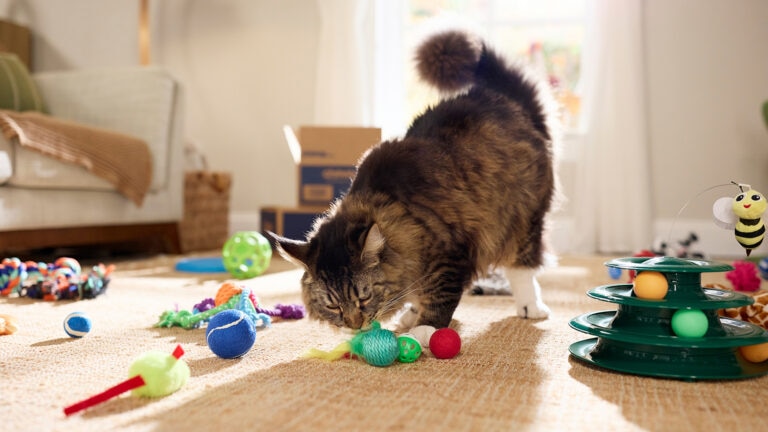
Have you ever noticed your cat sneaking away with her toys, only to stash them in hidden spots around your home? It can be puzzling—and maybe even a little frustrating—when you can’t find her favorite playthings.
But there’s more to this behavior than just a game of hide and seek. Understanding why your cat hides her toys can reveal surprising insights about her instincts, feelings, and needs. Keep reading to discover the secrets behind this curious habit and learn how you can better connect with your furry friend.

Credit: www.amazon.com
Cat Toy Hoarding Habits
Have you ever noticed your cat stashing her toys in unexpected spots around the house? This behavior might seem odd, but it’s quite common among feline friends. Understanding your cat’s toy hoarding habits can give you a glimpse into her natural instincts and emotional needs.
Instinctual Behavior
Cats are natural hunters, even if their prey is a simple toy mouse or feather wand. Hiding toys mimics the way wild cats store food to save for later. Your cat is tapping into this instinct by collecting and hiding her “catch.”
Think about the last time you found a toy in a closet or under the couch. It’s more than just play—it’s a way your cat exercises her hunting skills safely indoors. Have you noticed if she prefers to hide certain toys over others?
Territory Marking
By stashing toys around your home, your cat might be marking her territory. Toys carry her scent, and spreading them helps her feel more secure in her environment. This is especially true in multi-cat households where space can feel limited.
If your cat suddenly starts hiding toys in new places, it could be her way of reinforcing ownership. Observing these patterns can help you understand how your cat views and claims her space.
Safety And Security
Hiding toys can also be about safety. Your cat may stash her favorite items in a quiet, private spot to protect them from perceived threats. This behavior shows she values those toys and wants to keep them safe.
When your cat hides her toys, consider if she’s feeling stressed or overwhelmed. Providing cozy, calm areas can help her feel more secure and might reduce the need to hoard so much. What safe spots does your cat choose for her toy stash?
Environmental Influences
Environmental factors play a big role in why your cat might be hiding her toys. Changes around the home, other pets, and how much time she gets to play can all influence this behavior. Understanding these can help you make your cat feel more comfortable and less secretive about her favorite things.
Household Changes
Have you recently moved furniture or added new decorations? Cats are sensitive to shifts in their surroundings and may hide toys to keep them safe during uncertain times. Even small changes, like new smells or sounds, can make your cat feel the need to protect her playthings.
Think about your cat’s routine—has it been disrupted? When my cat’s favorite sunny spot was blocked by a new couch, she started stashing toys nearby, probably to keep her comforts close. You can help by maintaining some consistency in her space and gradually introducing changes.
Presence Of Other Pets
Introducing a new pet or living with multiple animals can trigger hiding behavior. Your cat might stash toys to avoid sharing or to keep them away from curious paws. This is especially common if the other pet is more dominant or playful.
Observe how your pets interact. Does your cat seem stressed or possessive? Offering separate play areas and plenty of toys can reduce competition and make her feel secure enough to leave her toys out. Have you noticed if your cat hides more when a new pet arrives?
Availability Of Playtime
How much time do you spend playing with your cat? Limited playtime can lead her to hide toys as a way to save them for later or to entertain herself when you’re not around. Cats value their toys as sources of comfort and stimulation.
If your cat often hides toys, try increasing interactive play sessions. Using wand toys or laser pointers can engage her and reduce the urge to stash toys. Could adding short play breaks to your day make a difference in your cat’s behavior?
Emotional Factors
Cats have unique behaviors that often puzzle their owners. One such behavior is hiding toys. Emotional factors play a significant role in this action. Understanding these factors helps in addressing your cat’s needs better.
Stress And Anxiety
Cats can experience stress and anxiety just like humans. Changes in their environment, like new furniture or loud noises, can trigger stress. During these times, cats may hide their toys as a coping mechanism. It provides them a sense of control and security. By hiding toys, they create a familiar space amidst the chaos.
Seeking Attention
Some cats hide toys to get their owner’s attention. This behavior often happens if they feel neglected or bored. By hiding toys, they encourage interaction. They want you to notice their actions and engage with them. This is their way of communicating their need for more playtime and affection.
Play As A Comfort Mechanism
Play is a natural comfort mechanism for cats. Hiding toys can be a form of self-soothing. It provides a way to channel their energy and emotions. This behavior is common in cats who spend time alone. By hiding and retrieving toys, they entertain themselves. It becomes a comforting ritual that helps them feel secure.

Credit: justcatsclinic.com
Health And Age Considerations
Understanding why your cat hides her toys often requires looking beyond simple playfulness. Health and age play crucial roles in shaping this behavior. Changes in your cat’s body and mind can influence how she interacts with her favorite objects.
Impact Of Aging
As cats grow older, their energy levels tend to drop. You might notice your cat hiding toys less frequently or choosing quieter spots to stash them. This behavior can be a result of reduced mobility or a need for comfort in familiar places.
Older cats may also develop new routines that include hiding toys as a way to maintain a sense of control. Have you seen your senior cat hiding toys near their favorite resting spot? This could be her way of keeping cherished items close.
Health Issues Affecting Behavior
Health problems can cause your cat to act differently around her toys. Pain or discomfort from conditions like arthritis might make your cat less interested in playing openly. Instead, she might hide toys to come back to them when she feels better.
Neurological issues or cognitive decline can also change how cats handle toys. If your cat suddenly starts hiding toys more or in unusual places, it might be a sign to check with your vet. Are you noticing any other changes in her behavior or daily routine?
Pay attention to signs like:
- Decreased appetite
- Unusual hiding spots
- Changes in grooming habits
These clues can help you understand if health issues are influencing your cat’s toy-hiding habits. Your observations can be key to ensuring your cat stays happy and healthy as she ages.
How To Encourage Healthy Play
Encouraging healthy play helps cats stay active and happy. Play reduces stress and boredom. It also strengthens your bond with your cat. To support this, provide safe toys, create fun play spaces, and use interactive play techniques. These steps keep your cat engaged and less likely to hide toys.
Providing Safe Toys
Choose toys made from non-toxic materials. Avoid small parts that can be swallowed. Soft plush toys, balls, and feather wands work well. Rotate toys to keep interest high. Inspect toys regularly for damage. Replace broken toys to prevent injury.
Creating Play Spaces
Set up areas where your cat can play freely. Use cat trees, tunnels, and scratching posts. Place toys around these spaces for easy access. Quiet corners encourage focused play. Avoid clutter to prevent stress. A dedicated play zone invites regular activity.
Interactive Play Techniques
Use wand toys or laser pointers to mimic hunting. Move toys slowly to catch attention. Let your cat catch the toy sometimes for reward. Short, frequent play sessions work best. Speak softly to encourage participation. Interactive play builds trust and reduces hiding behavior.

Credit: deziroo.com
Frequently Asked Questions
Why Does My Cat Hide Her Toys Around The House?
Cats hide toys to protect them from others and keep them safe. It’s an instinct to store valuable items for later play or use.
Is Hiding Toys A Sign Of Cat’s Possessiveness?
Yes, hiding toys shows possessiveness. Cats want to claim their favorite items and prevent others from taking them.
How Can I Stop My Cat From Hiding Toys?
Provide multiple toys and rotate them regularly. This keeps your cat engaged and less likely to stash toys.
Does Hiding Toys Indicate Stress Or Anxiety In Cats?
Sometimes. Hiding toys can be a coping behavior if a cat feels insecure or stressed in its environment.
Conclusion
Cats hide toys for many natural reasons. They feel safe and enjoy protecting their treasures. This behavior shows their playful and caring side. Understanding this helps build a better bond with your pet. Watch your cat’s habits and create a cozy space for her.
Keep toys clean and rotate them to keep interest high. Your cat’s hiding habit is a sign of love and instinct. Embrace it as part of her unique personality. Caring for her needs makes both of you happier.

Leave a Reply