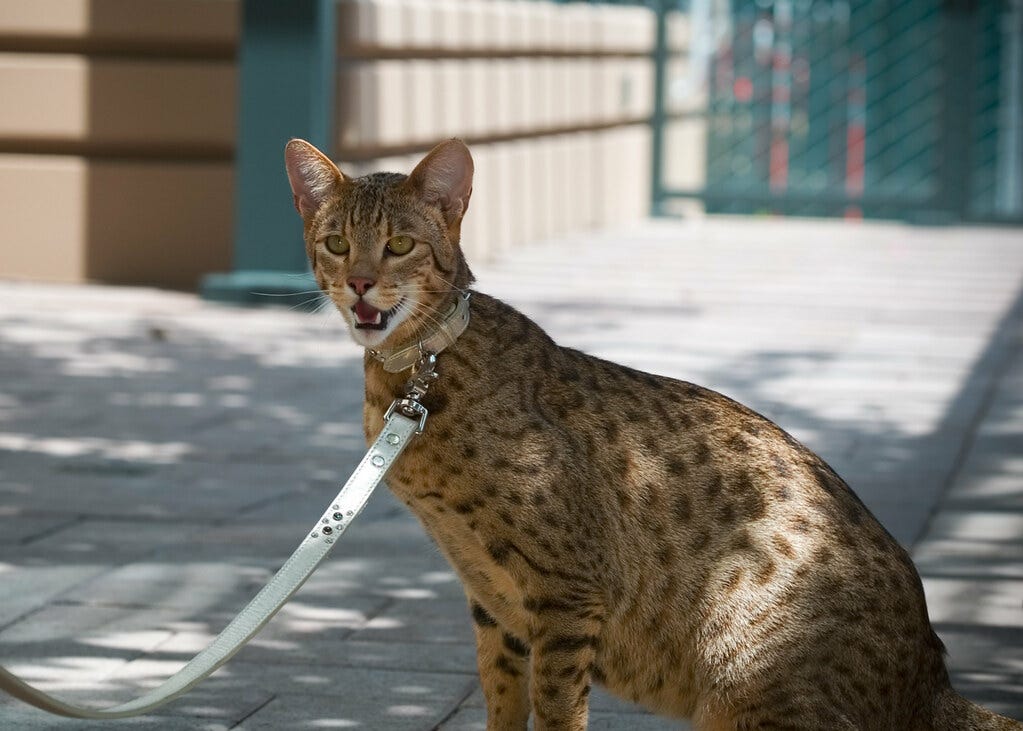
Have you ever wondered why some cats have striking blue eyes, fluffy coats, or unique personalities? The secret often lies in selective breeding.
This method helps create cats with special traits that many pet lovers adore. If you want to understand how breeders carefully choose cats to pass on these features, you’re in the right place. Keep reading to discover how selective breeding shapes the cats you know and love—and how it might affect your future feline friend.
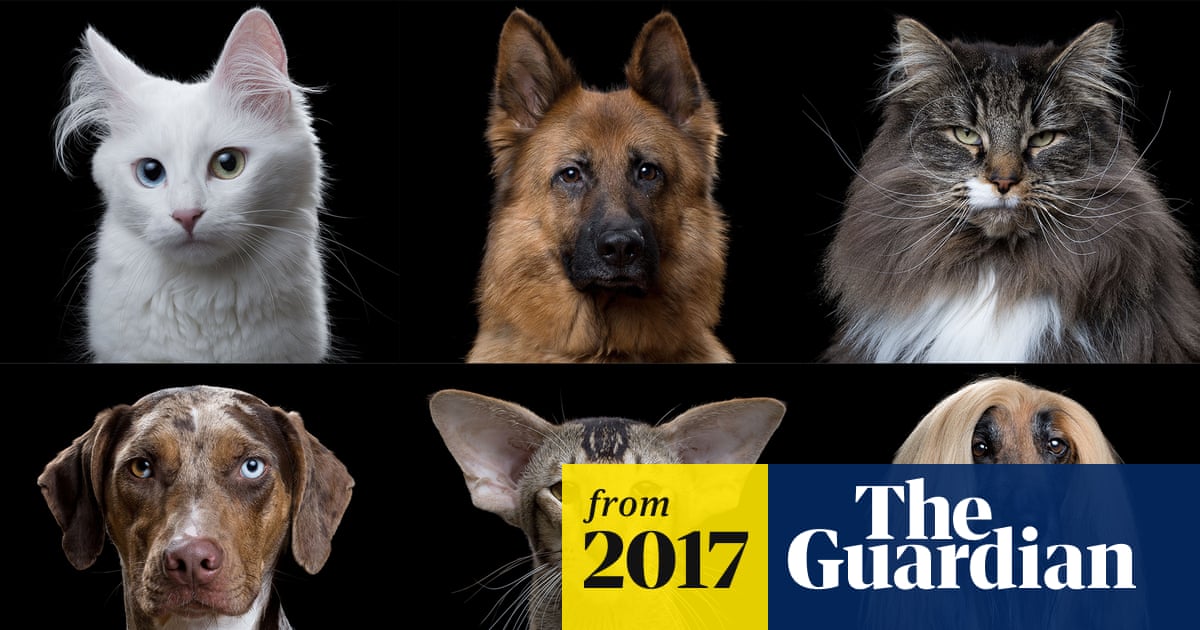
Credit: www.theguardian.com
Basics Of Selective Breeding
Selective breeding is a way to shape cat breeds by choosing which cats mate. It focuses on passing specific traits from parent cats to their kittens. This process helps create cats with certain looks or behaviors that people find desirable. Breeders carefully select cats that have the traits they want to keep or improve.
The basics of selective breeding involve understanding the traits that can be controlled and setting clear goals for the breed. It requires patience and knowledge about genetics. Breeders repeat the process over many generations to strengthen the chosen traits. This method helps maintain breed standards and improve the quality of cats.
Purpose Of Selective Breeding
The main goal is to produce cats with specific qualities. These qualities can be physical features like coat color or body shape. They can also be personality traits such as friendliness or calmness. Selective breeding helps protect and improve rare cat breeds. It also helps create new breeds with unique characteristics.
Traits Targeted In Cats
- Coat color and pattern
- Eye color and shape
- Body size and structure
- Fur length and texture
- Temperament and behavior
- Health and genetic stability
Breeders focus on these traits to meet breed standards. They avoid traits that may cause health problems. This careful selection supports the well-being of cats and their appeal to owners.
Common Cat Breeds Created
Selective breeding has shaped many cat breeds we know today. Breeders choose cats with specific traits to mate. This helps create breeds with unique looks and behaviors. Over time, certain breeds become popular for their special features. These breeds often have interesting stories behind their origins.
Popular Breeds And Their Origins
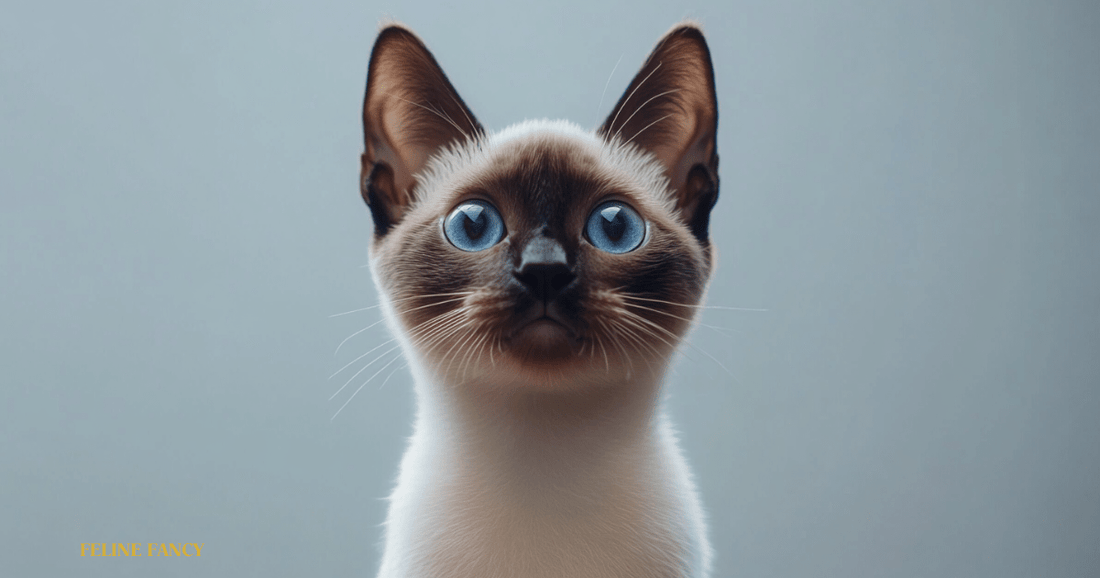
- Siamese:Originated in Thailand. Known for their slender bodies and striking blue eyes.
- Persian:Comes from Persia (modern-day Iran). Famous for its long fur and flat face.
- Maine Coon:Native to the United States. Large size and thick fur help them survive cold climates.
- Bengal:Created by crossing domestic cats with Asian leopard cats. Recognized for their spotted coat.
- Scottish Fold:Developed in Scotland. Noted for their unique folded ears.
Unique Features Developed
Selective breeding emphasizes specific traits. Some cats have unusual ear shapes, like the Scottish Fold. Others have unique coat patterns, such as the Bengal’s spots. Breeders also focus on size, fur length, and eye color. This creates cats that stand out from common domestic cats.
Behavior traits can change too. Some breeds are more playful, while others are calm. Selective breeding can improve health by reducing genetic problems. But careful selection is important to avoid new issues.
Genetic Techniques In Breeding
Selective breeding in cats has always been a fascinating process, aiming to enhance desirable traits while minimizing unwanted ones. The genetic techniques involved have evolved, making the process more precise and effective. Understanding these methods can help breeders achieve healthier and more robust cat breeds.
Pairing Strategies
Pairing strategies are crucial in selective breeding. It’s not just about matching two cats randomly. Breeders evaluate the genetic history and physical traits to ensure compatibility.
Consider the example of breeding two Siamese cats. You might aim for the traditional blue eyes, but if both parents carry a recessive gene for a different eye color, the result could be unexpected. This attention to detail ensures breeders can predict outcomes with greater accuracy.
Is there a particular trait you admire in cats? Knowing how breeders pair cats can give insights into how those traits are maintained and enhanced.
Managing Genetic Diversity
Maintaining genetic diversity is essential in breeding. A narrow genetic pool can lead to health issues and reduce the vitality of the breed. Breeders actively manage genetic diversity to avoid inbreeding and its associated problems.
Breeders often use genetic testing to identify and introduce new genes into a breeding program. This approach helps maintain a robust gene pool and ensures the long-term health of the breed.
Have you ever wondered how certain breeds remain healthy and vibrant over generations? It’s all about balancing diversity with desired traits. By understanding these techniques, you can appreciate the meticulous work that goes into breeding your favorite feline companions.

Credit: drbillspetnutrition.com
Health Implications
Selective breeding in cats affects their health in many ways. It can both cause inherited diseases and help improve overall well-being. Understanding these health implications is key for responsible breeders and cat lovers. Careful choices in breeding can reduce risks and promote strong, healthy cats.
Inherited Conditions
Selective breeding sometimes passes down genetic health problems. These inherited conditions may include:
- Hypertrophic cardiomyopathy (heart disease)
- Polycystic kidney disease
- Hip dysplasia
- Progressive retinal atrophy (eye problems)
Breeders focusing on specific traits can accidentally increase these risks. Cats with a narrow gene pool often show more health issues. This happens because harmful genes become more common.
Breeding For Healthier Cats
Selective breeding can also improve cat health. Breeders choose cats without genetic diseases for mating. This helps lower the chance of inherited problems in kittens.
Healthier cats often have:
- Better immune systems
- Longer lifespans
- Fewer chronic illnesses
Regular health screenings and genetic testing guide breeders in making safe choices. This careful approach supports strong, vibrant cat populations over time.
Ethical Considerations
Selective breeding of cats raises important ethical questions. These questions focus on the health and happiness of the cats involved. Breeders must think about the effects of their choices on the animals. The well-being of both individual cats and overall cat populations matters.
Welfare Of Breeding Cats
Breeding cats should live in safe and comfortable environments. Stress and poor care can cause health problems. Breeders must ensure cats have proper food, shelter, and medical care. Breeding should not cause pain or distress. Avoiding genetic diseases is a key concern. Responsible breeders test for hereditary conditions before mating cats. Protecting the mental and physical health of cats is essential.
Impact On Cat Populations
Selective breeding can reduce genetic diversity. This makes populations more vulnerable to diseases. Overbreeding specific traits may lead to health issues. Some breeds have inherited problems like breathing difficulties or joint pain. Maintaining a wide gene pool helps keep cats healthy. Ethical breeding supports the survival of strong and diverse cat populations. It also helps prevent overpopulation by encouraging spaying and neutering of non-breeding cats.

Credit: mycatdna.com
Future Trends In Cat Breeding
The future of cat breeding is shaping up to be more precise and thoughtful than ever. As technology and societal values evolve, so do the goals and methods behind selective breeding. If you’re curious about what lies ahead for our feline friends, these emerging trends offer a clear glimpse.
Advances In Genetics
Genetic testing is becoming a powerful tool for cat breeders. It helps identify hereditary diseases early, allowing you to avoid breeding cats with potential health issues.
Imagine being able to screen for traits like coat color, temperament, or even disease resistance before the kittens are born. This reduces guesswork and improves the overall health of future generations.
Have you ever wondered how much healthier your pet could be if breeders had this information decades ago? The precision genetics offers means fewer surprises and longer, happier lives for cats.
Changing Breeding Goals
Breeders today are shifting focus from purely aesthetic traits to overall well-being and behavior. You might notice more emphasis on temperament, adaptability, and compatibility with families.
For example, some breeders prioritize cats that are friendly and sociable over those with rare but problematic physical features. This shift reflects a growing awareness that a cat’s personality matters just as much as its looks.
How would your experience with cats change if breeders focused more on health and personality traits? This question is driving many to rethink what qualities are truly valuable in breeding programs.
Frequently Asked Questions
What Is Selective Breeding In Cats?
Selective breeding in cats is choosing specific cats to mate. This enhances desired traits like appearance, behavior, or health over generations.
Why Is Selective Breeding Important For Cats?
It improves breed standards, health, and temperament. Selective breeding helps preserve unique cat breeds and reduces genetic disorders.
How Does Selective Breeding Affect Cat Health?
Selective breeding can reduce genetic diseases by pairing healthy cats. However, poor practices may increase hereditary health problems.
What Traits Are Targeted In Cat Selective Breeding?
Common traits include coat color, pattern, size, and personality. Breeders focus on enhancing physical features and temperament.
Conclusion
Selective breeding helps shape cat traits and health over time. Breeders choose cats with good features to mate. This process improves certain looks and behaviors in cats. It also helps reduce some health problems. But it needs careful planning and care.
Breeders must think about cat welfare first. This way, cats stay happy and healthy. Selective breeding changes cats step by step. It shows how humans influence animals around us. Understanding this helps us respect cats more.

Leave a Reply