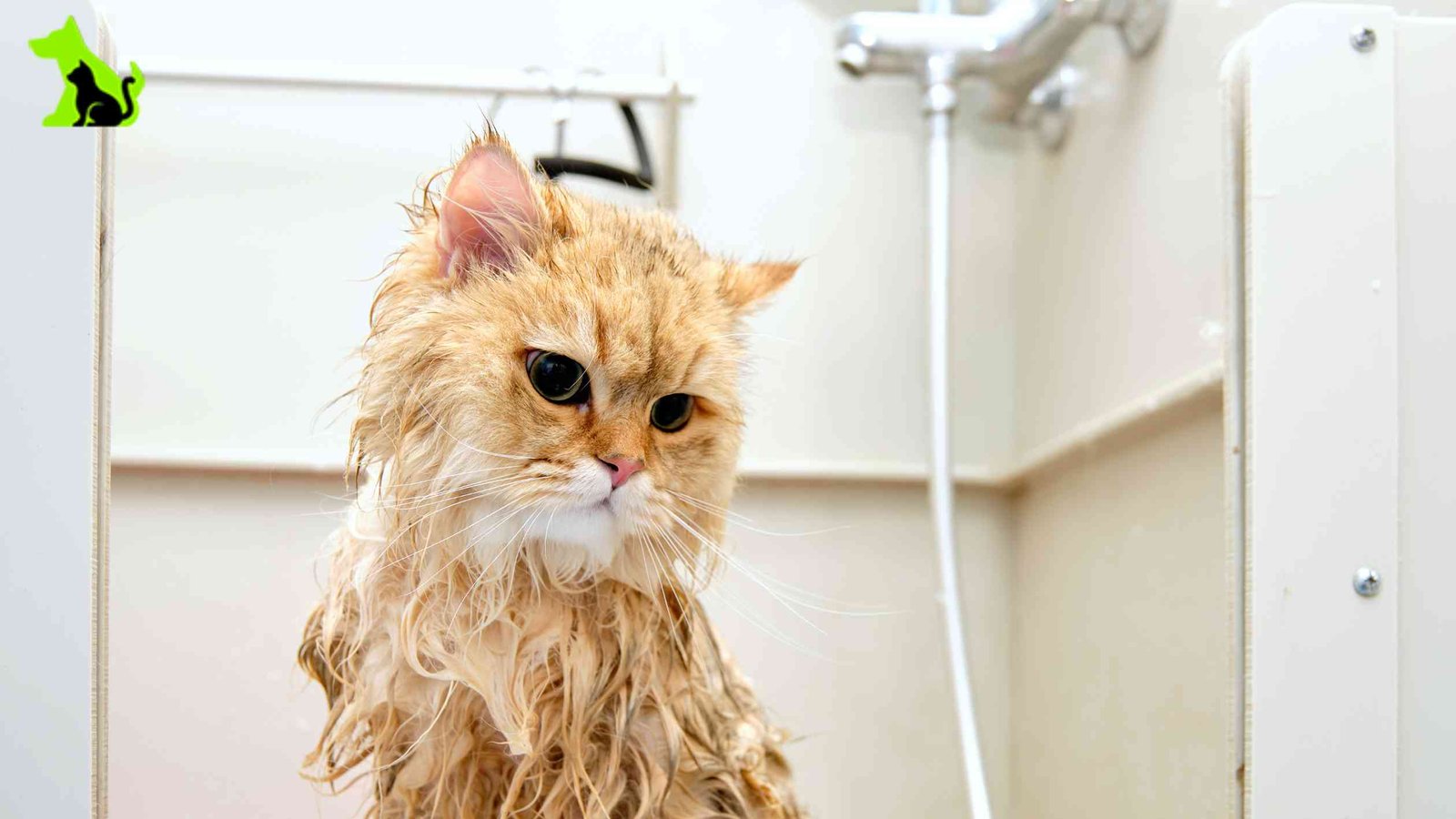
Grooming your cat can be a real challenge if your furry friend is restless or scared. You want to keep your cat calm and safe, but how do you do that without causing stress?
If you’ve ever struggled to trim your cat’s nails or clean their fur, you’re not alone. Learning how to tranquilize a cat for grooming—safely and effectively—can make the whole process easier for both of you. You’ll discover simple, practical tips that help your cat stay relaxed during grooming sessions.
Keep reading to find out how to turn a stressful chore into a smooth, peaceful experience.
Preparing Your Cat For Grooming
Preparing your cat for grooming sets the tone for a smooth and stress-free experience. Cats can be sensitive to changes in their routine, so taking time to prepare them properly helps reduce anxiety. You’ll find grooming easier and safer when your cat feels calm and ready.
Choosing The Right Time
Pick a time when your cat is naturally relaxed. After a nap or a meal is often ideal because your cat will be less energetic and more tolerant. Avoid grooming when your cat is hungry, overly playful, or stressed from other activities.
Have you noticed how your cat’s mood changes throughout the day? Observe these patterns and plan your grooming session accordingly. This small adjustment can make a big difference in cooperation.
Creating A Calm Environment
Set up a quiet, comfortable space free from distractions. Turn off loud noises like the TV or radio to help your cat focus. Soft lighting and a warm surface can also make the area inviting.
Try playing gentle music or using calming pheromone sprays designed for cats. These can help soothe your cat’s nerves. Remember, your calm attitude also influences your cat’s behavior, so stay relaxed yourself.
Gathering Necessary Supplies
Have all your grooming tools ready before you start. This includes brushes, nail clippers, towels, and any cleaning products you may need. Having everything within reach prevents interruptions and keeps your cat calm.
- Choose brushes suited to your cat’s fur type—slicker brushes for long hair, rubber brushes for short hair.
- Keep nail clippers sharp and clean to avoid discomfort.
- Prepare treats to reward your cat during and after grooming.
Think about the last time you had to search for tools mid-grooming—did it make the process harder? Being prepared keeps the experience smooth for both you and your cat.

Credit: www.youtube.com
Safe Methods To Calm Your Cat
Keeping a cat calm during grooming is crucial for a smooth experience. Stress can make cats restless or aggressive, causing injury to both pet and owner. Using safe, gentle techniques helps your cat relax and cooperate. These methods create a peaceful environment and build trust.
Using Gentle Touch And Voice
Soft, slow strokes can soothe a nervous cat. Avoid sudden movements that may startle them. Speak in a calm, quiet voice. This reassures your cat and lowers anxiety. Focus on areas your cat enjoys, like behind the ears or under the chin. Patience is key; let your cat set the pace.
Employing Pheromone Sprays
Pheromone sprays mimic natural calming scents cats produce. Spraying the grooming area helps reduce stress signals. Use sprays designed specifically for cats. Apply them about 15 minutes before grooming starts. These sprays create a sense of safety and comfort for your cat.
Playing Soothing Music
Soft, gentle music can calm many cats. Choose music with slow rhythms and low tones. Avoid loud or sudden noises that might scare your pet. Playing music during grooming helps mask harsh sounds. It creates a relaxing atmosphere your cat will appreciate.
Tranquilizing Options For Grooming
Grooming your cat can sometimes turn into a battle if your furry friend is anxious or uncooperative. Choosing the right tranquilizing option can make the process smoother and less stressful for both of you. Understanding the available choices helps you make informed decisions that prioritize your cat’s safety and comfort.
Over-the-counter Remedies
There are several over-the-counter products designed to calm cats during grooming. These include sprays, collars, and diffusers that release calming pheromones mimicking a mother cat’s scent.
Many cat owners find success with products like Feliway, which can reduce anxiety without the need for pills or injections. Have you tried a pheromone-based solution before? It’s worth testing in a small session before full grooming.
Prescription Medications
In some cases, your vet may recommend prescription medications to tranquilize your cat. These drugs are stronger and require careful dosage tailored to your cat’s size, health, and temperament.
Medications like gabapentin or trazodone are commonly prescribed to help calm nervous cats during grooming. Always consult your vet first; improper use can cause side effects or worsen stress.
Natural Supplements And Herbs
If you prefer a gentler approach, natural supplements and herbs can offer mild sedation and relaxation. Ingredients like valerian root, chamomile, and L-theanine are popular choices among cat owners.
Some pet owners have shared positive experiences using supplements such as Zylkene, which contains casein, a milk protein that promotes calmness. Have you considered natural remedies as a first step before stronger medications?

Credit: us.feliway.com
Administering Tranquilizers Safely
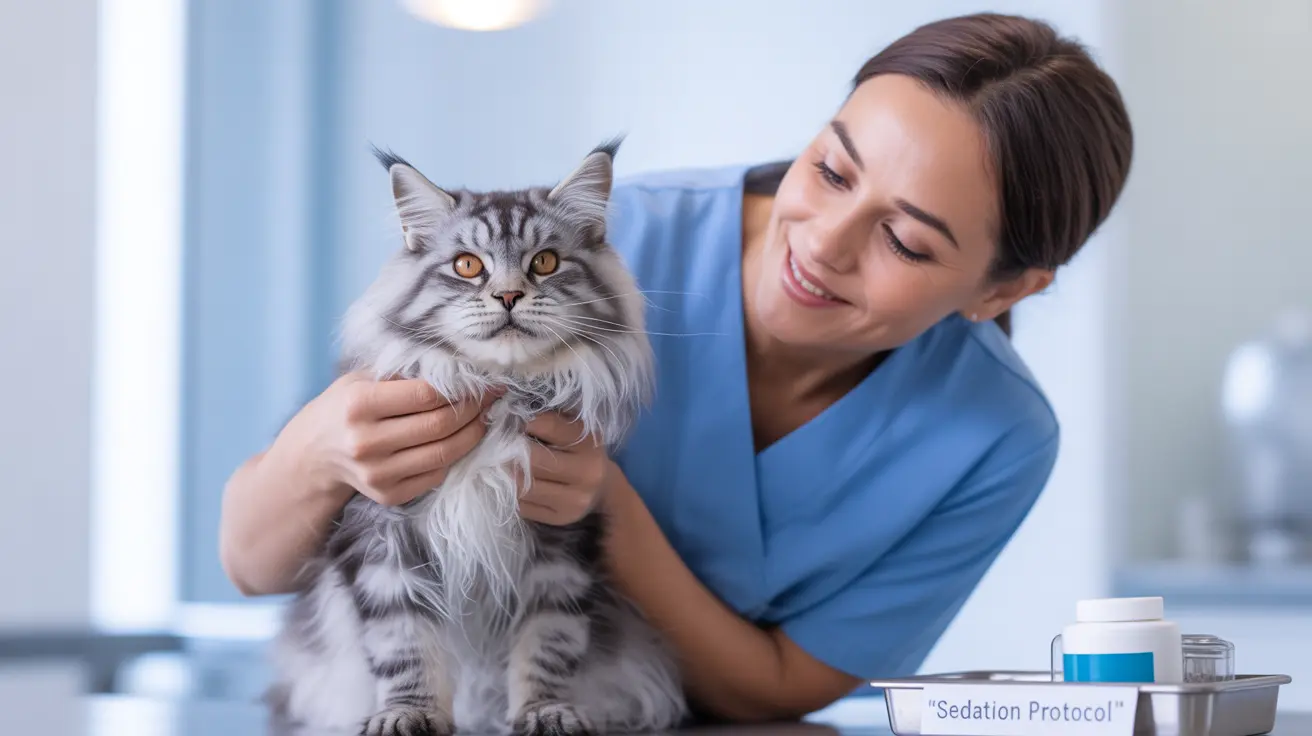
Tranquilizing a cat requires careful dosing and vet guidance to ensure safety. Always monitor the cat closely during grooming for any side effects. Proper handling helps keep the cat calm and stress-free throughout the process.
Administering tranquilizers to a cat for grooming is a sensitive task. It requires care and understanding. Ensure the process is as safe and stress-free as possible. Let’s explore how to administer tranquilizers safely.Consulting Your Veterinarian
Always consult your veterinarian before tranquilizing your cat. They provide expert guidance on suitable tranquilizers. The vet can assess your cat’s health and needs. This step ensures your cat’s safety and well-being.Correct Dosage And Timing
Dosage is crucial. Your vet will prescribe the correct amount. Follow their instructions closely. Timing is also important. Give the tranquilizer at the recommended time before grooming. This allows it to take effect properly.Monitoring Your Cat’s Response
After administering the tranquilizer, watch your cat closely. Look for any unusual behavior or signs of distress. Contact your veterinarian if anything seems off. Monitoring ensures your cat remains safe and comfortable.Alternatives To Tranquilizing
Tranquilizing a cat is not the only way to keep them calm during grooming. Many alternatives help reduce stress and keep your pet safe. These methods focus on trust, comfort, and gentle control.
Professional Grooming Services
Professional groomers have experience handling nervous cats. They use calm voices and slow movements to soothe pets. Groomers often have special tools designed for safe grooming. Choosing a skilled groomer reduces the need for sedation.
Training And Desensitization
Training helps cats accept grooming over time. Start with short sessions and gentle touch. Reward your cat with treats and praise for calm behavior. Gradually increase the grooming time as your cat gets used to it. Consistency builds trust and reduces fear.
Using Restraint Tools Carefully
Restraint tools can help control a cat safely. Use soft towels or cat grooming gloves to hold your cat gently. Avoid tight or harsh restraints that cause panic. Always monitor your cat’s comfort and stop if they show stress signs.
Post-grooming Care Tips
After tranquilizing your cat for grooming, proper care helps them feel safe and calm. Post-grooming care supports their recovery and builds trust. It ensures future grooming is easier for both of you. Follow these simple tips to provide the best aftercare for your feline friend.
Helping Your Cat Recover
Give your cat a quiet, comfortable space to rest. Avoid loud noises and sudden movements. Offer fresh water to help them rehydrate. Monitor their breathing and behavior for any unusual signs. Allow time for the sedative effects to wear off fully. Gentle petting can reassure your cat without overwhelming them.
Rewarding Positive Behavior
Use treats or praise to reward calmness and cooperation. This encourages good behavior during grooming. Keep rewards small and healthy. Speak softly and kindly to create a positive association. Avoid forcing affection, letting your cat approach you first. Consistent rewards help build trust over time.
Scheduling Future Grooming Sessions
Plan regular grooming to maintain your cat’s coat and health. Space sessions to allow full recovery between them. Keep sessions short and calm to reduce stress. Note your cat’s reactions to adjust timing and methods. Early preparation and gradual introduction make future grooming easier.
Credit: www.petscare.com
Frequently Asked Questions
How Can I Safely Tranquilize A Cat For Grooming?
Consult a veterinarian before using any tranquilizers. They can prescribe safe, effective medications tailored to your cat’s health and temperament. Never use human drugs or over-the-counter sedatives without professional guidance to avoid serious health risks.
What Natural Methods Help Calm Cats During Grooming?
Use calming pheromone sprays, gentle petting, and soft voices to soothe your cat. Create a quiet, comfortable environment and offer treats to build positive associations with grooming sessions.
When Should I Avoid Tranquilizing My Cat For Grooming?
Avoid tranquilizers if your cat has underlying health issues, is pregnant, or very young. Always seek vet advice before sedation, as some conditions increase risks during tranquilization.
How Long Does It Take For Tranquilizers To Work On Cats?
Tranquilizers generally take 15 to 30 minutes to take effect. The exact timing depends on the drug type, dosage, and administration method, as prescribed by your veterinarian.
Conclusion
Tranquilizing a cat for grooming needs care and patience. Always choose safe methods and consult a vet first. Calm surroundings help keep your cat relaxed. Use gentle touch and speak softly during grooming. Remember, your cat’s comfort is the top priority.
Taking small steps makes the process easier for both of you. A calm cat means a smoother grooming session. Keep these tips in mind to make grooming less stressful. Your cat will thank you with trust and calm behavior.

Leave a Reply