Have you ever wondered, “Can I groom my cat myself?” Taking care of your cat’s coat is more than just a chore—it’s a way to keep your furry friend healthy and happy.
But grooming a cat can feel tricky if you’re not sure where to start. What tools do you need? How often should you do it? And how do you keep your cat calm during the process? You’ll discover simple tips and tricks that make grooming easier for both you and your cat.
Keep reading, and you’ll learn how to turn grooming into a bonding moment that benefits your pet’s well-being.

Credit: tryfurgo.com
Benefits Of Grooming Cats
Grooming your cat offers more than just a clean appearance. It plays a key role in maintaining their overall health and happiness. Taking a few minutes regularly to groom your feline friend can bring noticeable benefits that improve their daily life.
Improved Coat Health
Brushing your cat removes dirt, debris, and loose fur from their coat. This helps prevent matting and keeps the fur smooth and shiny. Regular grooming also distributes natural oils across their skin, making the coat healthier and less prone to dryness.
Reduced Shedding
Shedding can be frustrating for both you and your cat. Grooming helps catch loose hair before it falls around your home. This simple habit can dramatically cut down the amount of fur on your clothes, furniture, and floors.
Early Detection Of Health Issues
While grooming, you have a chance to carefully check your cat’s skin and body. You might spot lumps, bumps, or skin irritations early on. Catching these problems before they worsen gives your cat a better chance at quick treatment.
Strengthened Bond With Your Cat
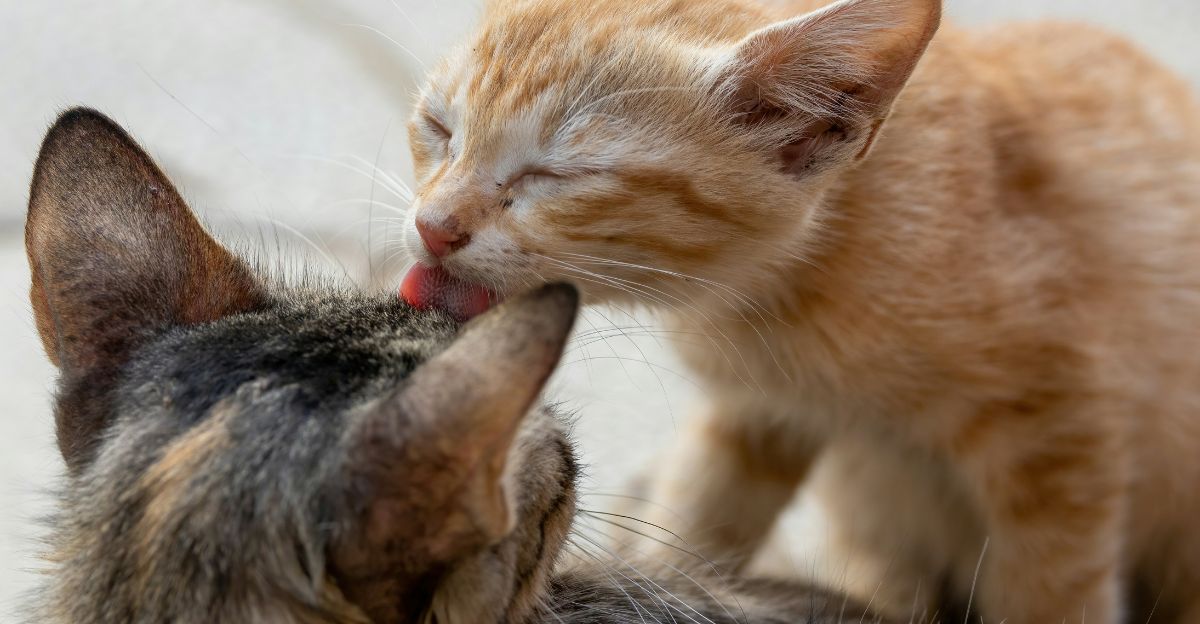
Many cats enjoy the attention and gentle touch during grooming. This creates a calming experience that builds trust between you and your pet. Have you noticed how your cat purrs louder or relaxes when you brush them? That’s a sign you’re strengthening your connection.

Credit: www.purina.com
Choosing The Right Tools
Choosing the right tools makes cat grooming easier and safer. Cats have different fur types and temperaments. Using the correct tools helps keep their coat clean and healthy. It also reduces stress for both you and your cat.
Types Of Brushes And Combs
Brushes and combs remove loose fur and prevent mats. Soft bristle brushes work well for short-haired cats. Slicker brushes help detangle longer fur. Wide-tooth combs can gently remove knots and debris. Choose brushes with smooth edges to avoid scratching your cat’s skin.
Nail Clippers And Trimmers
Keeping your cat’s nails trimmed prevents damage and injury. Use small, sharp nail clippers designed for pets. Guillotine-style clippers offer precise cuts. Scissor-style trimmers work well for thicker nails. Always trim carefully to avoid cutting the quick, which causes pain.
Shampoos And Wipes
Use shampoos made specifically for cats. These are gentle and safe for their skin. Avoid human shampoos, which can cause irritation. Waterless wipes or grooming wipes help clean your cat between baths. They remove dirt and reduce odors without stress.
Other Useful Accessories
- Grooming gloves for gentle fur removal.
- Deshedding tools to reduce shedding.
- Ear cleaners for hygiene maintenance.
- Soft towels for drying after baths.
- Non-slip mats to keep your cat steady.
Preparing Your Cat For Grooming
Preparing your cat for grooming helps make the process smooth and stress-free. Cats can be sensitive to new experiences. Taking time to get them ready improves their comfort. It also helps you groom them more easily and safely.
Creating A Calm Environment
Choose a quiet, comfortable spot for grooming. Keep noise and distractions to a minimum. Soft lighting helps your cat feel relaxed. Use a non-slip surface like a towel or mat. This prevents slipping and gives your cat better footing.
Getting Your Cat Comfortable
Let your cat explore grooming tools before starting. Gently touch their paws, ears, and fur to build trust. Offer treats and praise to create positive feelings. Keep sessions short at first. Gradually increase time as your cat gets used to grooming.
Timing And Frequency
Pick a time when your cat is calm or sleepy. Avoid grooming right after meals or playtime. Regular grooming prevents mats and reduces shedding. Aim for sessions once or twice a week. Adjust frequency based on your cat’s coat type and needs.

Credit: www.youtube.com
Step-by-step Grooming Process
Grooming your cat can feel like a challenge, but breaking it down into clear steps makes the process manageable for both you and your furry friend. Each part of grooming—brushing, bathing, nail trimming, and cleaning—requires specific techniques to keep your cat comfortable and healthy. Understanding these steps helps you build trust with your cat while ensuring their coat and skin stay in top condition.
Brushing Techniques
Choose a brush suited to your cat’s fur type—slicker brushes work well for long hair, while rubber brushes are great for short coats.
Start by gently running the brush along your cat’s back, moving in the direction of hair growth to avoid discomfort.
Pay close attention to areas like behind the ears and under the legs, where mats and tangles often form.
If your cat resists, try brushing in short sessions and reward them with treats to create positive associations.
Bathing Your Cat Safely
Not all cats need frequent baths, but occasional cleaning can help with dirt or skin conditions.
Use a cat-specific shampoo to avoid irritation, and always test water temperature to keep it lukewarm.
Keep the bath area secure to prevent your cat from escaping and getting stressed.
- Gently wet your cat’s fur, avoiding the head and ears.
- Apply shampoo, lather lightly, and rinse thoroughly.
- Dry with a towel and keep your cat warm until fully dry.
Trimming Nails
Trimming nails can prevent scratches and damage to furniture, but many cats dislike the process.
Use a sharp, cat-specific nail clipper and hold your cat’s paw gently but firmly.
Focus on trimming only the sharp tip, avoiding the pink quick inside the nail.
Trim a few nails at a time if your cat becomes restless, and always reward calm behavior.
Cleaning Ears And Eyes
Check your cat’s ears regularly for dirt, wax, or signs of infection like redness or odor.
Use a soft cloth or cotton ball dampened with a vet-approved ear cleaner to wipe the outer ear gently.
For eyes, wipe away discharge with a clean, damp cloth, moving from the corner outward.
If you notice persistent redness, swelling, or excessive discharge, consult your vet promptly.
Handling Common Grooming Challenges
Grooming your cat can be a rewarding experience, but it often comes with its own set of challenges. Whether it’s dealing with stubborn mats or handling a cat that resists grooming, knowing how to address these issues can save you and your feline friend a lot of stress. Let’s explore practical ways to tackle common grooming hurdles effectively.
Dealing With Matting And Tangles
Mats can cause discomfort and even skin problems for your cat. Start by gently working through small tangles with a wide-toothed comb before moving to tighter mats. Use a detangling spray made for pets to make the process smoother and less painful.
If a mat is too tight, try to loosen it slowly rather than pulling, which can hurt your cat. Keep treats nearby to reward your cat’s patience. Have you noticed how your cat reacts when you switch to a softer brush? Sometimes changing tools can make a big difference.
Managing Aggressive Behavior
Some cats become defensive during grooming, swiping or biting to protect themselves. Identify signs of stress early, like tail flicking or ear flattening, and pause before the situation escalates. Speak softly and maintain a calm environment to help your cat relax.
Try short grooming sessions and gradually increase the time as your cat becomes more comfortable. You might also try grooming when your cat is sleepy or after playtime, which can help reduce aggression. What small changes in your routine could make grooming less stressful for your cat?
Grooming Long-haired Cats
Long-haired cats need more frequent grooming to prevent severe tangles and mats. Use a slicker brush or a comb designed for long fur to remove loose hair and keep the coat silky. Regular grooming can reduce shedding and hairballs, making life better for both of you.
Patience is key—long-haired cats may require sessions that last longer but are broken into smaller, manageable parts. Pay special attention to areas prone to tangles like behind the ears and under the legs. Have you tried using grooming gloves? They can be less intimidating for your cat and more comfortable for you.
When To Seek Professional Help
If mats are too tight or your cat becomes too aggressive, professional groomers or veterinarians are your best option. They have the right tools and experience to handle difficult cases safely. Don’t wait until grooming becomes painful or dangerous for your cat.
Professional groomers can also offer advice tailored to your cat’s specific needs. Some cats may benefit from regular visits to keep their coats in top shape. When was the last time you considered expert help to ease your grooming routine?
Maintaining Grooming Routine
Cats need regular grooming to stay clean and healthy. Brushing removes loose hair and prevents mats. Gentle care helps build trust and keeps your cat comfortable.
Maintaining a grooming routine for your cat ensures they stay healthy and happy. Regular grooming helps prevent mats, reduces shedding, and keeps your cat’s coat shiny. It also provides an opportunity to check for any skin issues or parasites. Establishing a consistent grooming schedule is essential for both you and your furry friend.Daily And Weekly Care Tips
Create a simple grooming routine for your cat. Daily brushing helps keep their coat free of knots. Use a gentle brush suitable for your cat’s hair length. Short-haired cats may require less frequent brushing. Long-haired breeds benefit from daily attention to avoid tangles. Weekly care includes checking their ears, eyes, and nails. Ensure their ears are clean and free of wax. Look for any discharge or redness in their eyes. Trim their nails to prevent overgrowth. Regular checks help catch any issues early.Seasonal Grooming Adjustments
Adjust grooming routines with changing seasons. Cats shed more during spring and fall. During these times, increase brushing sessions to manage shedding. In colder months, focus on keeping their coat clean and dry. Bathing might be necessary if they get dirty. In hot weather, ensure your cat stays cool. Regular brushing helps their coat remain light and breathable. Cats tend to groom themselves more in summer. Help them by keeping their fur free of loose hair.Monitoring Your Cat’s Skin And Coat
Regular grooming provides a chance to inspect your cat’s skin and coat. Look for signs of irritation, redness, or bumps. These could indicate allergies or other skin issues. Check for fleas or ticks, especially if your cat goes outdoors. A healthy coat should be shiny and smooth. If it looks dull or brittle, consider dietary changes or consult a vet. Regular grooming helps detect problems early. This ensures your cat remains comfortable and healthy.Frequently Asked Questions
Can You Groom A Cat At Home Safely?
Yes, you can groom a cat safely at home with patience. Use gentle brushes and avoid water unless necessary. Regular brushing prevents mats and reduces shedding.
How Often Should You Groom A Cat?
Groom your cat at least once a week. Long-haired cats need daily grooming. Regular sessions keep fur clean and healthy, reducing hairballs.
What Tools Are Best For Cat Grooming?
Use a soft-bristle brush, a comb for mats, and nail clippers. Avoid human grooming tools. Proper tools make grooming comfortable and effective.
Can Grooming Reduce Cat Hair Allergies?
Yes, grooming lowers loose fur and dander. Regular brushing reduces allergens on your cat and around your home. This helps allergy sufferers breathe easier.
Conclusion
Grooming a cat helps keep their coat clean and healthy. It also reduces shedding and hairballs. Cats often enjoy gentle brushing, which strengthens your bond. Start slowly and use the right tools for their fur type. Be patient and watch your cat’s reactions.
Regular grooming makes your cat feel comfortable and cared for. It’s a simple way to improve their well-being. Try it today and see the difference in your furry friend.


Leave a Reply