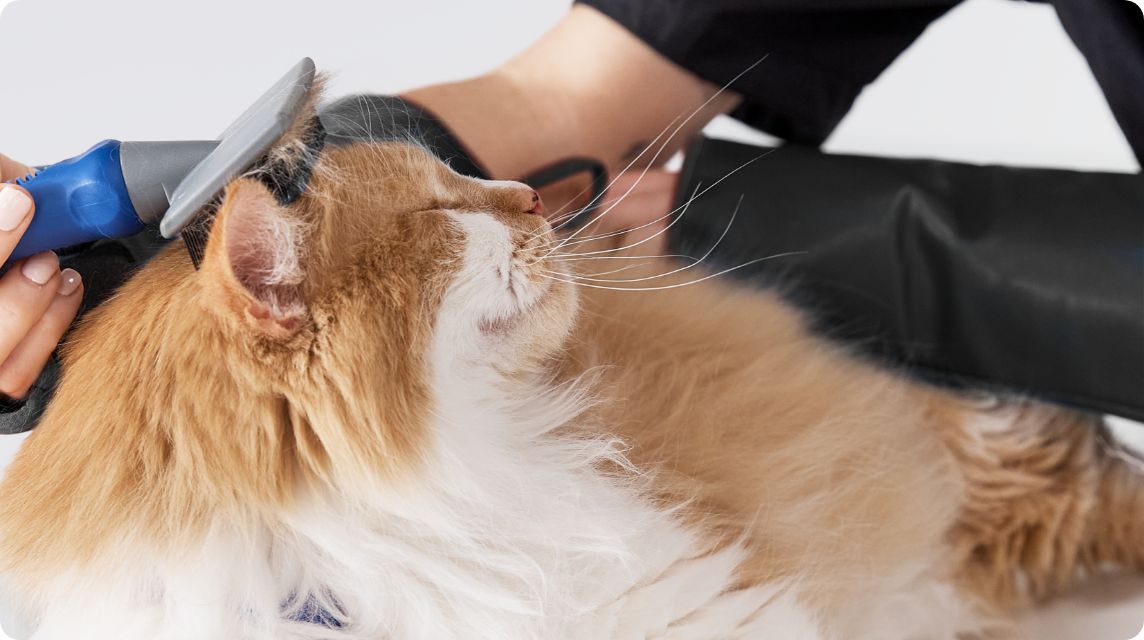
Are you thinking about grooming cats, either as a hobby or a business? You might be wondering if you need a license to do it.
Knowing the rules can save you time, money, and trouble down the road. You’ll discover exactly what it takes to groom cats legally and safely. Keep reading to find out if you need a license, how to get one, and what skills you should have to make your cat grooming experience smooth and successful.
Licensing Basics For Cat Grooming
Understanding the licensing basics for cat grooming helps you start your business right. Licensing rules protect pets and clients. They also keep groomers accountable. Knowing these basics avoids fines and legal trouble.
When A License Is Required
Licenses are often required for professional cat groomers. Requirements depend on your location. Some cities or states require a license if you groom cats for money. At-home grooming may also need a license in certain areas. Check local rules before starting your service. Licensing shows you meet health and safety standards. It builds trust with your customers.
Types Of Licenses For Groomers
Several types of licenses exist for cat groomers. Common ones include:
- Business License:Needed to operate legally in most places.
- Professional Groomer License:Some states require this specific license.
- Animal Handling Permit:Ensures safe care of cats during grooming.
- Health and Safety Certification:Shows knowledge of hygiene and safety rules.
Licenses vary by location. Research local laws to find the exact licenses needed. Keeping licenses current is important for legal operation.

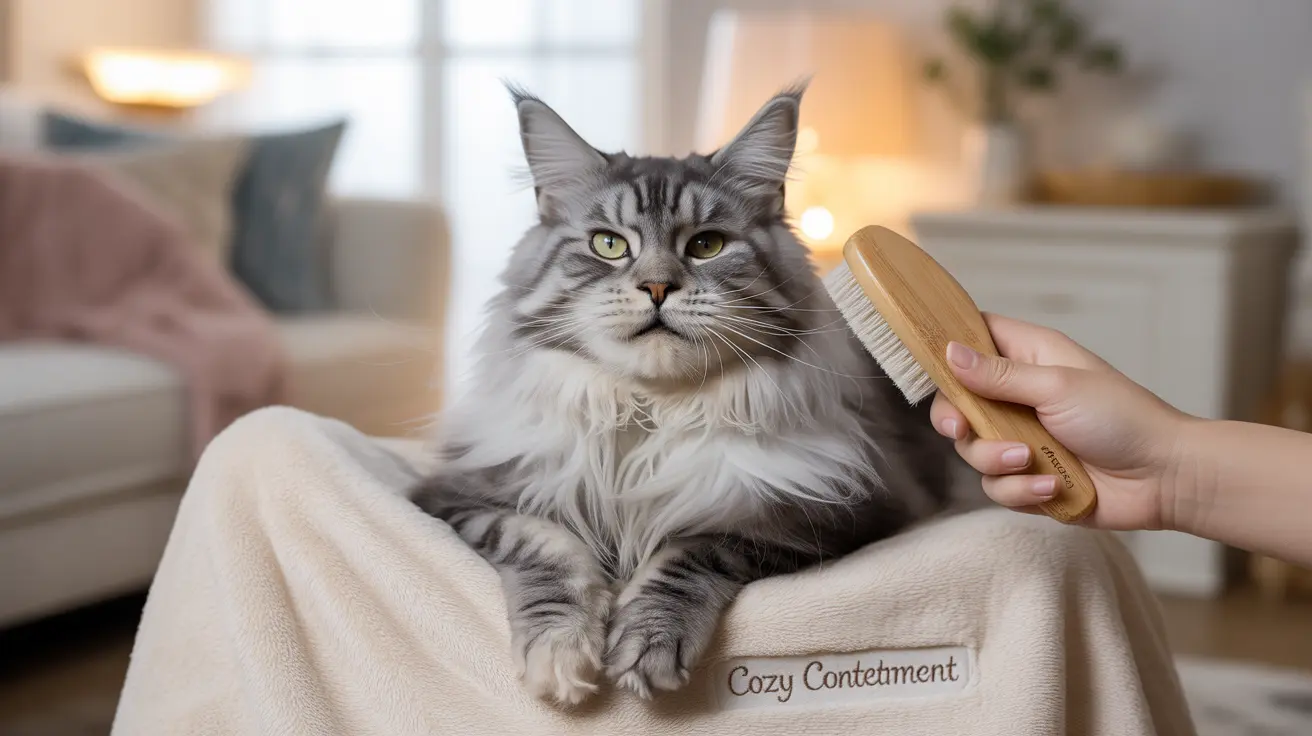
Credit: pineapplecatshop.com
Legal Requirements By Location
Understanding the legal requirements for cat grooming is essential before you start offering your services. These rules differ widely depending on where you live or plan to work. Knowing the regulations helps you avoid fines and ensures you provide safe, professional care to your feline clients.
Rules In The United States
In the U.S., licensing requirements for cat groomers vary by state and sometimes even by city. Some states require a specific grooming license or a business permit, while others have no formal licensing for cat grooming at all.
For example, California mandates a pet grooming license and proof of training in animal care. Meanwhile, states like Texas focus more on general business permits rather than specialized grooming licenses.
Do you know your state’s rules? Checking with your local health department or state veterinary board can save you from unexpected legal trouble.
Regulations In Europe
European countries tend to have stricter and more uniform regulations regarding pet grooming. Many require professional certification to demonstrate your competency in handling animals safely.
In the UK, for instance, cat groomers often need to complete accredited courses to get a license. Germany has a similar system, emphasizing animal welfare and hygiene standards.
Are you prepared to meet these standards if you want to work in Europe? Certification can boost your credibility and attract more clients.
Laws In Other Regions
Outside the U.S. and Europe, rules can vary dramatically. In Australia, pet grooming businesses usually require a local council permit and adherence to animal welfare laws.
In many parts of Asia and Africa, formal licensing is less common, but awareness of animal welfare is growing. Some countries encourage training but do not enforce strict licensing laws yet.
Could your location be one where you can start grooming with minimal paperwork? Even if formal licenses aren’t required, investing in training helps you offer better care and stand out in the market.
Health And Safety Standards
Ensuring the health and safety of both the cats and groomers is paramount when it comes to grooming cats. Understanding the health and safety standards is not just about following rules; it’s about creating a safe and comfortable environment for our feline friends. Every cat groomer needs to be aware of specific guidelines that help maintain high standards of care.
Sanitation Rules
Maintaining a clean and hygienic workspace is crucial. You wouldn’t want your cat catching something from a poorly maintained grooming station. Regularly disinfecting tools and surfaces prevents the spread of germs and parasites.
Consider using cat-friendly disinfectants that are effective yet gentle on the senses. Frequent cleaning not only keeps your space safe but also shows professionalism and care. Would you trust a groomer who doesn’t prioritize cleanliness?
Animal Welfare Laws
Animal welfare laws are designed to protect pets from harm and neglect. As a groomer, you must familiarize yourself with these regulations. Ignorance is not an excuse when it comes to the well-being of your furry clients.
These laws often cover everything from handling practices to the use of restraints. Are you confident that your grooming practices comply with these laws? Keeping updated on legislation changes ensures that your grooming business operates legally and ethically.
Following these guidelines not only protects the cats but also safeguards your reputation as a responsible and caring groomer. It’s a win-win for everyone involved, especially the cats who deserve the best care possible.
Training And Certification
Training and certification play key roles in cat grooming. They build skills and show professionalism. Proper training helps groomers handle cats safely. Certification proves knowledge and boosts trust among clients.
Formal Grooming Courses
Many schools offer formal courses for cat grooming. These courses teach techniques for bathing, trimming, and brushing cats. They also cover cat behavior and health basics. Classes often include hands-on practice with real cats. Some programs last a few weeks, others several months.
Students learn to use grooming tools correctly. They gain skills to manage stressed or aggressive cats. Formal courses prepare groomers for real work situations.
Benefits Of Certification
Certification sets groomers apart in the market. It shows clients that groomers meet industry standards. Certified groomers often get more job opportunities. Certification can lead to higher pay and career growth.
It increases customer confidence and loyalty. Certified groomers stay updated with new grooming trends. The process encourages continuous learning and skill improvement.
Starting A Cat Grooming Business
Starting a cat grooming business can be rewarding and fun. Many cat lovers want to help pets look and feel their best. Before opening your doors, knowing the legal steps is important. Licensing and insurance keep your business safe and professional. These steps protect you, your clients, and their cats.
Business Licenses Needed
Most places require a business license to operate legally. This license shows your business meets local rules. Check with your city or county office for details. Some areas need a special pet grooming license. This ensures you follow health and safety standards. Getting the right licenses avoids fines and closures.
Insurance And Liability
Insurance protects your business from accidents or damages. Grooming cats can be unpredictable, so coverage is key. Liability insurance covers injuries to cats or people. Property insurance protects your equipment and space. Some clients may ask if you are insured before booking. Having insurance builds trust and shows professionalism.

Credit: www.petscare.com
Common Legal Issues For Groomers
Cat groomers face many legal challenges. Understanding these issues helps avoid trouble. Common legal problems include handling complaints and avoiding penalties. Proper knowledge protects your business and reputation.
Handling Complaints
Clients may report poor service or pet injury. Respond quickly and politely to complaints. Keep clear records of each grooming session. Documentation helps resolve disputes fairly. Always communicate openly with pet owners.
Training in pet safety reduces accidents. Follow all grooming standards carefully. Use safe tools and gentle techniques. Respect the cat’s behavior and limits. This lowers the chance of complaints.
Avoiding Legal Penalties
Many areas require licenses or permits for grooming. Check local rules before starting your service. Operating without proper licenses can lead to fines or closure. Insurance protects you from liability claims.
Maintain clean and safe workspaces. Follow health and safety laws strictly. Proper disposal of waste and sanitizing tools is essential. Regularly update knowledge of legal changes. Being proactive keeps your business compliant and trusted.
Credit: www.petscare.com
Frequently Asked Questions
Do I Need A License To Groom Cats Professionally?
Licensing requirements vary by location. Many areas don’t require a specific cat grooming license. However, general business or pet care permits might be needed. Check local laws to ensure compliance before starting a grooming business.
What Certifications Help In Cat Grooming Careers?
Certifications from recognized pet grooming schools boost credibility. They teach safe handling, grooming techniques, and health checks. While not always mandatory, certifications improve client trust and skill proficiency.
Are There Legal Regulations For Grooming Cats At Home?
Home-based cat grooming may require business licenses or permits. Health and safety regulations could apply, depending on the area. Always verify local rules to operate legally and protect your clients and pets.
Can I Groom Cats Without Professional Training?
You can groom cats without formal training, but risks exist. Proper techniques prevent injury and stress. Professional training or experience ensures safe, effective grooming and happier pets.
Conclusion
Grooming cats can be a fun and rewarding job. Some places require a license to groom cats legally. Rules vary by location, so check local laws first. Getting licensed can build trust with customers. It also shows you care about safety and quality.
Even without a license, learning proper grooming skills matters most. Keep your tools clean and your methods gentle. This helps cats feel calm and comfortable. Taking care of cats with respect brings good results. Your work will speak for itself in time.

Leave a Reply