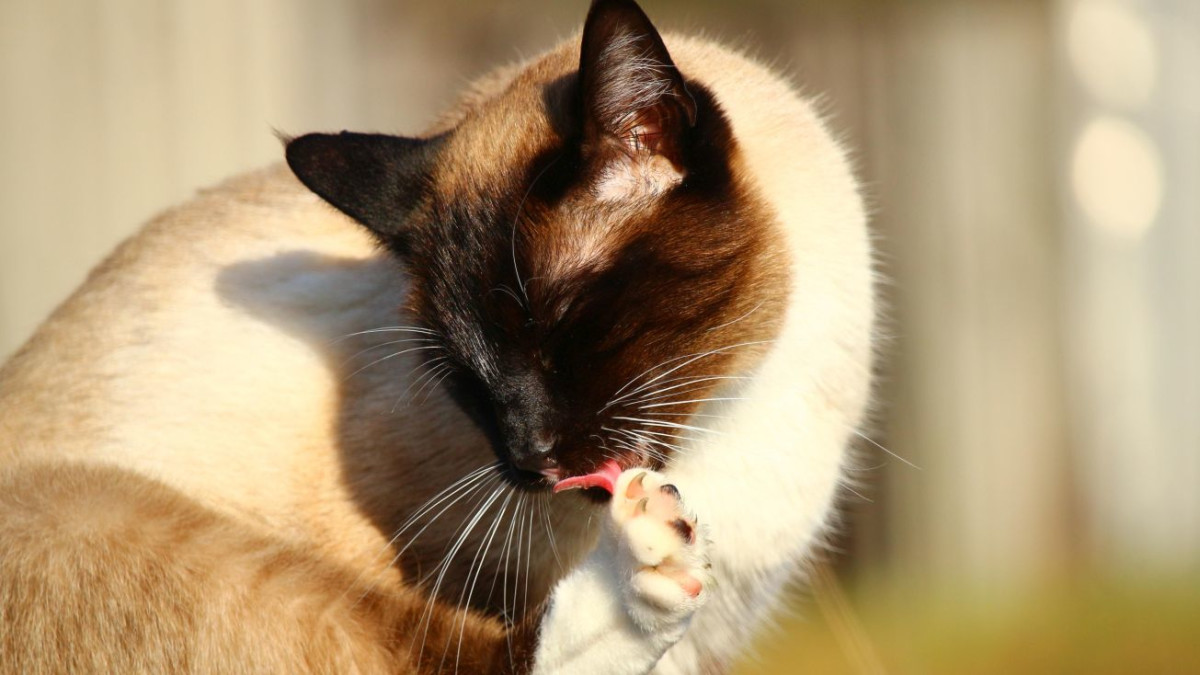
Have you ever noticed your cat start licking its fur right after finishing a meal? You might wonder why this happens.
It’s more than just a cute habit—your cat’s grooming after eating plays an important role in its health and comfort. Understanding this behavior can help you connect better with your furry friend and even spot if something’s wrong. Keep reading to discover the surprising reasons behind this common cat ritual and what it means for your pet’s well-being.

Credit: medium.com
Cats’ Grooming Habit
Cats are known for their fastidious grooming habits, and you might have noticed your feline friend cleaning themselves right after a meal. This behavior goes beyond just keeping clean—it’s an essential part of their daily routine that impacts their health and comfort. Understanding why cats groom themselves after eating can help you better care for your pet and appreciate their unique habits.
Frequency And Patterns
Cats groom themselves multiple times throughout the day, often spending up to 50% of their waking hours licking their fur. After eating, grooming usually happens almost immediately, as if they’re wiping away any food traces. This quick response helps prevent attracting unwanted attention from predators in the wild.
Have you ever noticed that some cats groom more intensely after certain types of food? Wet food or messy meals tend to trigger longer grooming sessions compared to dry kibble. This pattern shows how grooming helps keep their fur free from sticky residues.
Common Grooming Behaviors
Typical grooming includes licking their paws, rubbing their face, and smoothing their fur. Cats also nibble on tangled fur and scratch their skin to remove dirt or loose hair. These actions not only clean but also stimulate blood flow and release calming endorphins.
- Licking their front paws and then wiping their face
- Rubbing their cheeks against furniture or your hand
- Nibbling or biting at mats or loose fur
- Stretching and scratching to reach difficult spots
Next time your cat grooms after eating, observe these behaviors closely. You might discover little quirks unique to your pet’s style. Are they quick and efficient, or do they take their time to ensure every spot is spotless? Understanding these habits can improve your bond and help spot any grooming-related health issues early.
Role Of Hygiene
Hygiene plays a crucial role in why cats groom themselves after eating. This behavior is not just about looking neat; it’s deeply connected to keeping their bodies clean and healthy. Understanding this can help you appreciate why your feline friend spends time licking their fur after every meal.
Removing Food Residue
After eating, cats often have tiny bits of food stuck around their mouths or on their whiskers. Grooming helps them remove these leftovers quickly.
Leaving food residue on their fur can attract dirt and insects. Have you ever noticed how your cat’s face looks cleaner after a grooming session? That’s their way of staying fresh and comfortable.
Preventing Bacteria Build-up
Food particles left on the fur can encourage bacteria growth, which might lead to skin infections or unpleasant odors.
By grooming, cats reduce the chance of harmful bacteria multiplying. This natural cleaning routine helps protect their skin and fur, keeping them healthier over time.
Thermoregulation Benefits
Cats grooming themselves after a meal isn’t just about looking neat. It plays a key role in controlling their body temperature, helping them stay comfortable no matter the environment. Understanding these thermoregulation benefits can give you a clearer picture of your cat’s natural behavior.
Cooling Down After Eating
Eating raises a cat’s body temperature due to increased metabolism. Grooming helps cool them down by spreading saliva across their fur. As the saliva evaporates, it creates a natural cooling effect, similar to how humans sweat.
Have you noticed your cat licking their fur more intensely right after a meal? This action is their way of managing heat without panting, which cats rarely do. It’s a subtle but effective cooling strategy that keeps them comfortable.
Maintaining Body Temperature
Besides cooling, grooming adjusts how well a cat’s fur insulates them. When cats lick their fur, they smooth and fluff it, trapping air close to the skin. This trapped air acts as an insulating layer, helping maintain warmth in cooler environments.
This balance is essential for cats living indoors where temperatures can fluctuate. You might find your cat grooming more after eating in a chilly room to keep cozy. Have you ever felt your cat’s fur change texture after they groom? That’s the insulation at work.
Stress And Comfort
After your cat finishes a meal, you might notice it spending time grooming itself. This behavior is not just about cleanliness; it plays a key role in managing stress and providing comfort. Understanding this can help you better interpret your cat’s needs and emotional state.
Calming Effect Of Grooming
Grooming activates your cat’s parasympathetic nervous system, which helps slow down its heart rate and promotes relaxation. This calming effect can be especially important after eating, when your cat shifts focus from feeding to resting.
Think about how you might take a deep breath or stretch after a meal to feel more comfortable. Grooming serves a similar purpose for cats—it helps them settle down and feel secure.
Reducing Anxiety Post-meal
Eating can sometimes cause mild anxiety in cats, especially if they are in a new environment or feel vulnerable while focused on their food. Grooming acts like a self-soothing ritual that reduces this anxiety.
If your cat suddenly stops eating to lick its fur, it’s not just being picky. It might be managing a moment of stress or uncertainty. Have you noticed whether your cat grooms more after meals in busy or noisy settings?
- Grooming lowers stress hormones like cortisol
- It helps your cat feel more in control and safe
- The routine itself offers predictability, which reduces anxiety
Next time you see your cat grooming after a meal, consider it a sign of comfort and emotional regulation, not just cleanliness. This insight can deepen your connection and improve how you care for your furry friend.
Scent Masking Instinct
Cats groom themselves after eating to hide their scent from predators or prey. This natural behavior helps keep them safe by masking food odors on their fur. It’s an instinct passed down from their wild ancestors.
Cats are fascinating creatures with behaviors rooted deeply in their wild ancestry. One intriguing habit is their instinct to groom themselves after eating. This behavior is not just about cleanliness—it’s a survival tactic known as the scent masking instinct. By removing food smells from their fur, cats minimize their presence to potential threats and maintain their stealthy nature.Avoiding Predators
In the wild, a lingering scent can be a beacon for predators. After a meal, a cat’s fur might carry the smell of what they just ate, making them an easy target. Grooming after eating helps them avoid unwanted attention. By licking their fur, cats effectively erase these odors, keeping themselves under the radar of any nearby threats. This is a critical survival strategy, especially for feral cats or those living in the wild.Natural Survival Tactics
Grooming isn’t just about keeping clean; it’s a natural instinct honed over thousands of years. Cats, both domestic and wild, have developed this behavior as a way to increase their chances of survival. It’s an automatic response that serves multiple purposes, including self-preservation. Think about your cat at home—ever notice how meticulous they are? This grooming ritual is as much about instinct as it is about habit. Have you ever observed your cat’s post-meal grooming ritual? Understanding these behaviors can deepen your appreciation for your feline friend. It’s a small window into their wild ancestry, revealing the incredible ways they adapt to their environment.
Credit: www.youtube.com
Social Signals
Cats use grooming as a way to send social signals. After eating, they often clean themselves to communicate with others. This behavior helps show their mood and status without using words. Grooming is more than just keeping clean; it is a form of interaction within their social groups.
Communication Through Grooming
Grooming after meals sends clear messages to other cats. It signals that the cat feels safe and relaxed. This act can calm nearby cats and reduce tension. Grooming also shows respect and acceptance in a group. Cats often groom themselves in front of others to share a peaceful moment.
Establishing Territory
After eating, cats groom to mark their space. Their saliva leaves a scent that claims the area. This scent helps warn other cats to keep away. Grooming acts like a natural boundary marker. It reassures the cat that its territory is secure and respected.
Health Indicators
Observing your cat’s grooming habits after meals can reveal a lot about their health. Grooming isn’t just about cleanliness—it’s a key indicator of how your cat feels physically and emotionally. Paying attention to subtle changes can help you catch health issues early and ensure your feline friend stays happy and well.
Changes In Grooming Habits
Have you noticed your cat suddenly grooming less or more than usual after eating? A drop in grooming might mean your cat is feeling unwell or in pain. On the other hand, excessive grooming could signal stress or allergies.
For instance, if your usually tidy cat stops cleaning themselves after meals, it might be a sign of dental problems or nausea. Cats often groom to soothe themselves, so a change might reflect discomfort. Keep track of how often and how thoroughly your cat grooms—it’s a simple way to monitor their well-being.
Signs Of Illness To Watch For
Spotting early signs of illness through grooming can make a big difference. Look out for bald patches, sores, or redness caused by over-grooming. These might indicate skin infections, parasites, or anxiety.
Also, if your cat is vomiting frequently or seems lethargic and stops grooming after meals, these are red flags. You might want to check their mouth for ulcers or bad breath, which can hint at underlying health issues. Have you ever caught your cat neglecting their coat and wondered if it was a sign to visit the vet?
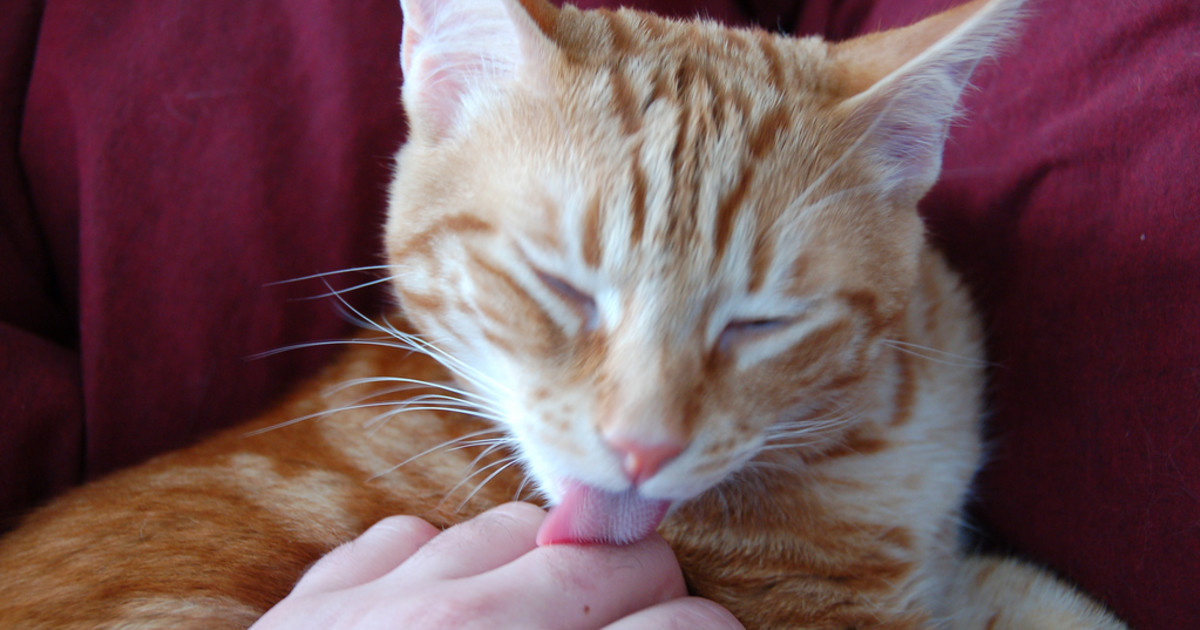
Credit: pethelpful.com
Frequently Asked Questions
Why Do Cats Groom Themselves After Eating?
Cats groom after eating to clean food residue from their fur. This helps maintain hygiene and prevents attracting predators. Grooming also soothes cats and aids digestion by relaxing their muscles.
Does Grooming After Meals Help Cat Digestion?
Yes, grooming after meals helps cats relax, which can improve digestion. The calming effect reduces stress, allowing the stomach to process food more efficiently.
Is Post-eating Grooming A Natural Cat Behavior?
Absolutely, grooming after eating is an instinctive behavior in cats. It promotes cleanliness, reduces odors, and supports their survival instincts in the wild.
Can Grooming After Eating Prevent Health Issues In Cats?
Regular grooming after meals helps prevent skin infections by removing food particles. It also reduces the risk of hairballs by limiting loose fur ingestion.
Conclusion
Cats clean themselves after eating to stay healthy and comfortable. Grooming removes food smells and dirt from their fur. It also helps them cool down and relax. This habit keeps their coat shiny and free of pests. Watching a cat groom shows its natural care and calmness.
Understanding this behavior helps you appreciate your pet more. Cats know best how to take care of themselves. Their grooming after meals is just one example of this. Simple, natural, and important for their well-being.

Leave a Reply