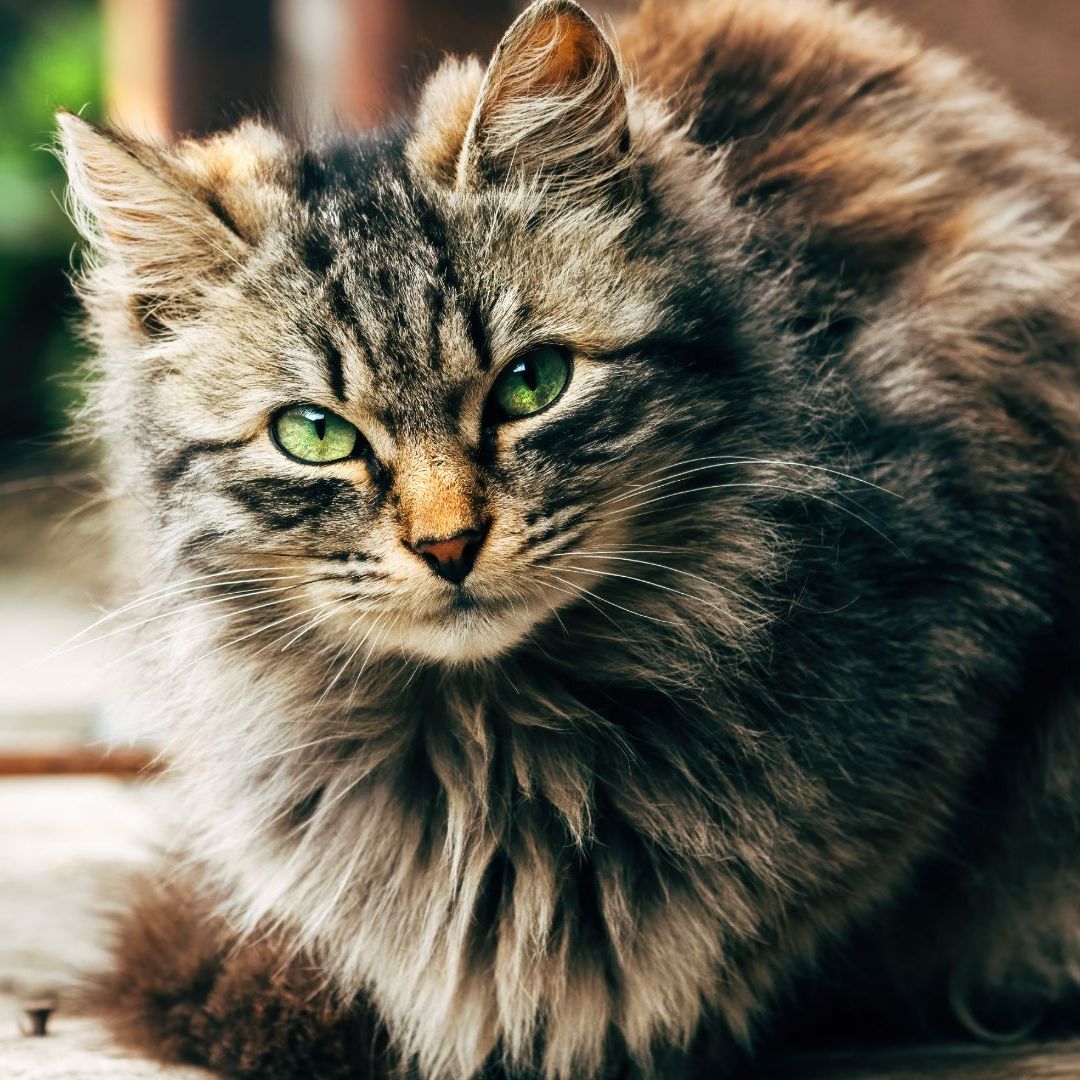
Are you curious about which cat breeds have an undercoat? Understanding this can help you care for your feline friend better, especially when it comes to grooming and keeping them comfortable in different seasons.
Whether you’re picking out a new pet or just want to know more about your current cat’s coat, discovering which breeds have that soft, protective layer can make a big difference. Keep reading to find out which cats have an undercoat and why it matters to you and your furry companion.
Credit: www.rd.com
Why Undercoats Matter
Understanding why undercoats matter can change how you care for your cat, especially if your furry friend belongs to a breed with dense fur. The undercoat is more than just extra fluff—it plays a crucial role in your cat’s comfort and health throughout the year. Knowing this helps you stay ahead in grooming and keeping your cat happy.
Function Of The Undercoat
The undercoat acts as a natural insulator, trapping warmth close to your cat’s skin during cold weather. It also provides a cooling effect by allowing air to circulate near the skin when temperatures rise. This dual function keeps your cat comfortable regardless of the season.
Think about breeds like the Maine Coon or Norwegian Forest Cat. Their thick undercoats developed to survive harsh winters, showing how essential this layer is for temperature regulation.
Benefits For Cats
Cats with undercoats enjoy protection not just from temperature extremes but also from moisture and minor injuries. The undercoat helps repel water and shields the skin from scratches or insect bites. This extra layer supports their natural resilience.
Have you noticed how your cat’s fur changes with the seasons? This shedding process helps them adapt quickly, thanks to their undercoat adjusting to the environment. This adaptability is a direct benefit of having an undercoat.
Impact On Grooming
Undercoats require extra attention during grooming because they tend to mat and tangle more easily. Regular brushing prevents painful knots and removes loose hairs that your cat would otherwise ingest while grooming themselves. Neglecting this can lead to skin irritation and discomfort.
Using the right tools, like a slicker brush or undercoat rake, makes a big difference. If you’ve ever struggled with stubborn mats, you know that consistent grooming saves you and your cat from stressful situations.

Credit: www.yahoo.com
Signs Your Cat Has An Undercoat
Recognizing whether your cat has an undercoat can change how you care for them. It affects grooming routines, sheds management, and even how you handle seasonal changes. Watch closely for certain signs that reveal the presence of this hidden layer beneath your cat’s fur.
Texture And Thickness
Run your fingers through your cat’s fur. Cats with an undercoat often have a soft, dense layer beneath the outer fur. This layer feels like a cushion, offering extra warmth and protection.
You might notice the fur looks thicker and fluffier, especially around the neck, chest, and belly. If your cat’s coat feels plush and has a distinct difference between a soft inner layer and a coarser outer layer, an undercoat is likely there.
Seasonal Shedding Patterns
Pay attention to shedding seasons. Cats with an undercoat tend to shed heavily twice a year, typically in spring and fall. This process helps them adjust their insulation for changing temperatures.
Have you ever noticed large clumps of fur coming off during these times? That’s a strong hint your cat has an undercoat shedding to make room for new growth. Grooming more frequently during these periods can help manage the extra fur.
Common Misconceptions
Many think all cats shed the same way, but undercoated cats shed differently than those without. It’s not just about quantity; the texture and timing of shedding vary.
Another misconception is that undercoats are only found on long-haired cats. Short-haired breeds like the American Shorthair and British Shorthair can have undercoats too. Knowing this can help you avoid surprises during shedding seasons and tailor your grooming approach effectively.
Top Cat Breeds With Undercoats
Many cat breeds have a soft undercoat that keeps them warm and cozy. Breeds like Maine Coons and Siberians are known for their thick undercoats. These layers help protect cats in cold weather and reduce shedding indoors.
If you’ve ever snuggled with a cat and ended up with fur all over your clothes, you might have met a feline with an undercoat. Undercoats are the fluffy, insulating layer that keeps cats warm and cozy, especially during colder months. Some cat breeds are known for their luxurious undercoats, giving them that irresistible plush appearance. Let’s dive into some of the top cat breeds with undercoats and see what makes them unique.Maine Coon
Known as the gentle giants of the cat world, Maine Coons have a thick, water-repellent undercoat. This helps them survive harsh winters. Their affectionate nature and intelligence make them a favorite among cat lovers. Have you ever noticed how their bushy tails seem almost as expressive as their eyes?Siberian
Siberians boast a dense triple coat, perfect for withstanding the cold. They’re playful and agile, often surprising you with their acrobatic feats. Despite their substantial fur, they require surprisingly little grooming. Would you believe they’re also hypoallergenic for some people?Norwegian Forest Cat
These cats have a stunning, water-shedding undercoat, hinting at their Scandinavian heritage. They’re climbers at heart, loving high perches. Their robust build doesn’t deter them from being gentle companions. Could their Viking-like resilience be what draws you to them?Ragdoll
Ragdolls are adored for their silky, plush coats that are softer than they appear. Their undercoats are less dense, making grooming manageable. Known for their floppy nature, they often become your living cushion. Isn’t it fascinating how they just melt in your arms?Persian
Persians are the epitome of feline elegance with their long, luxurious coats. Their undercoat requires regular grooming to prevent tangles. Their sweet temperament and expressive eyes might remind you of a plush toy. Do you find their regal demeanor as captivating as many others do?Birman
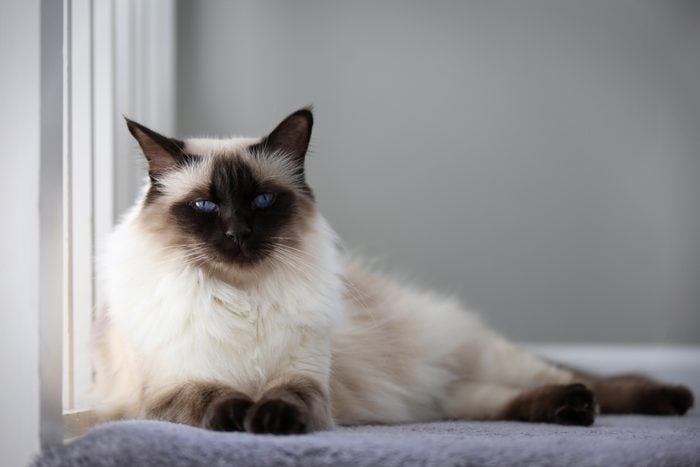
Birmans possess a medium-length silky coat with minimal undercoat, making them less prone to matting. Known for their striking blue eyes and gentle nature, they’re perfect lap companions. Their distinctive color points make them stand out in any room. Have you noticed how their elegant gait resembles a graceful dance?British Shorthair
Despite their name, British Shorthairs have a dense, plush undercoat. They’re easy-going and adapt well to various living environments. Their round faces and chubby cheeks give them a teddy bear-like appearance. Can you resist their calm, reassuring presence? Each of these breeds brings unique traits and charm along with their fluffy undercoats. Have you found a breed that resonates with you and your lifestyle?
Credit: shamelesspets.com
Care Tips For Cats With Undercoats
Caring for cats with an undercoat requires special attention to keep their fur healthy and comfortable. Their dense layers trap loose hairs and debris, which means you need to be proactive in grooming routines. Proper care not only reduces shedding around your home but also prevents skin problems and keeps your cat happy.
Regular Brushing Techniques
Brush your cat at least a few times a week to reach both the topcoat and undercoat. Use a slicker brush or a comb designed for dense fur to gently remove loose hairs without hurting the skin. Pay extra attention to areas like behind the ears and under the legs, where mats tend to start.
Try to make grooming a calming experience. Talk softly and reward your cat with treats to build a positive routine. Have you noticed how a few minutes of brushing can turn into a bonding moment with your pet?
Managing Shedding Seasons
Shedding spikes during spring and fall when cats shed their winter or summer undercoat. Increase brushing frequency during these times to catch loose hairs before they fall around your home. You might even consider a de-shedding tool to reach deep into the undercoat.
Keep your home clean by vacuuming regularly and using lint rollers on furniture. This effort pays off when you see fewer hairs on your clothes and carpets. What changes can you make to your routine to manage shedding more effectively?
Preventing Mats And Tangles
Mats form when loose hairs get trapped and clump together, causing discomfort and skin issues. To prevent mats, don’t skip brushing sessions, especially in trouble spots like the belly and behind the neck. If you find a small mat, carefully work it out with your fingers or use a mat splitter designed for cats.
If mats become severe, seek professional grooming help rather than trying to cut them yourself. Your cat’s comfort is the priority, and a groomer can safely handle tough tangles. Have you noticed any stubborn mats that you weren’t sure how to handle?
How Undercoats Affect Cat Behavior
Undercoats play a key role in shaping how cats behave. These soft, dense layers help cats adjust to their surroundings and affect their daily habits. Understanding this can help cat owners provide better care and comfort for their pets.
Adaptation To Climate
Cats with thick undercoats handle cold weather well. The undercoat traps heat close to their skin. This keeps them warm and cozy during chilly days. In hot weather, cats shed this layer to cool down. This natural change affects how active they feel.
Activity Levels
Undercoats influence a cat’s energy and playfulness. Cats with dense undercoats may be less active in summer. They try to avoid overheating by resting more. In cooler months, these cats often become more lively. The warmth from their undercoat supports longer play sessions.
Comfort And Stress
A healthy undercoat helps cats feel secure and calm. It acts like a soft blanket, providing comfort. When the undercoat is matted or missing, cats can feel stressed. Grooming helps keep the undercoat in good shape. This reduces discomfort and anxiety in cats.
Choosing The Right Cat Breed For Your Lifestyle
Choosing the right cat breed for your lifestyle is important. Different breeds have different needs. Some cats need more care and attention. Others are easier to look after. Understanding these needs helps you pick a cat that fits well with your life. This is especially true for breeds with an undercoat. Their grooming, environment, and allergy factors vary.
Grooming Commitment
Cats with an undercoat often shed a lot. They need regular brushing to avoid mats. This can take time daily or weekly. Long-haired breeds like Maine Coons or Norwegian Forest Cats require more effort. Short-haired breeds with an undercoat need less grooming. Consider your time before choosing such breeds. Grooming keeps cats healthy and comfortable.
Allergy Considerations
Some people are allergic to cat fur or dander. Breeds with thick undercoats may cause more allergies. The undercoat traps more dander and loose hair. Breeds like Siberians are said to be more allergy-friendly despite their undercoat. Still, allergy reactions vary by person. Spending time with the breed before adopting helps. This reduces the chance of surprises later.
Space And Environment
Undercoat cats prefer cooler climates. Their thick fur protects them from cold weather. Warm or humid places can make them uncomfortable. They may shed more in hot weather. These cats enjoy outdoor access or cool indoor spaces. Small apartments might be challenging for active breeds with undercoats. Think about your home size and climate before choosing.
Frequently Asked Questions
What Is An Undercoat In Cat Breeds?
An undercoat is a dense, soft layer of fur beneath a cat’s topcoat. It provides insulation and warmth. Cats with undercoats often shed seasonally to regulate body temperature. This layer helps them adapt to cold climates efficiently.
Which Cat Breeds Have Thick Undercoats?
Breeds like Maine Coon, Norwegian Forest, Siberian, and Ragdoll have thick undercoats. These cats are well-suited for colder environments. Their undercoats help protect against harsh weather and keep them warm during winter months.
How Does An Undercoat Affect Cat Grooming?
Cats with undercoats require regular grooming to prevent matting and shedding. Brushing removes loose fur and reduces hairballs. Proper grooming keeps their coat healthy and minimizes allergens in your home.
Do Indoor Cats Develop Undercoats?
Indoor cats may have thinner undercoats than outdoor cats. Lack of exposure to cold reduces the need for dense insulation. However, some breeds naturally grow an undercoat regardless of environment.
Conclusion
Cats with undercoats need special care in cold weather. Their thick fur helps keep them warm. Breeds like Maine Coons and Siberians have this feature. Knowing about undercoats helps you choose the right cat. It also helps with grooming and health.
Every cat is unique, so watch their needs closely. A well-cared cat lives a happy, healthy life. Understanding fur types makes pet care easier and more fun.

Leave a Reply