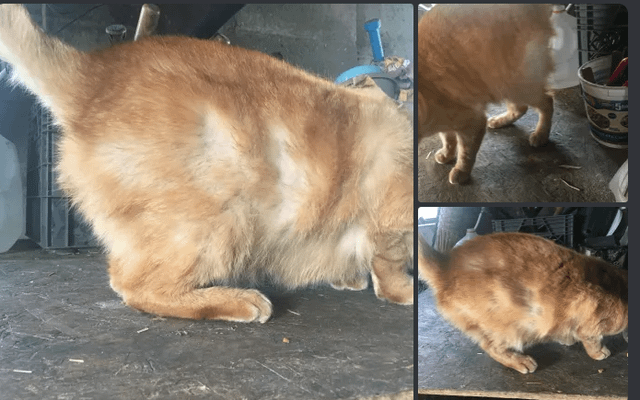
Have you noticed your cat grooming itself nonstop even after you’ve given flea medication? It can be worrying and confusing to see your furry friend so restless.
You might wonder if the treatment is working or if something else is bothering your pet. Understanding why your cat keeps grooming after flea medication is important for your peace of mind and your cat’s comfort. Keep reading to discover the reasons behind this behavior and what you can do to help your cat feel better quickly.
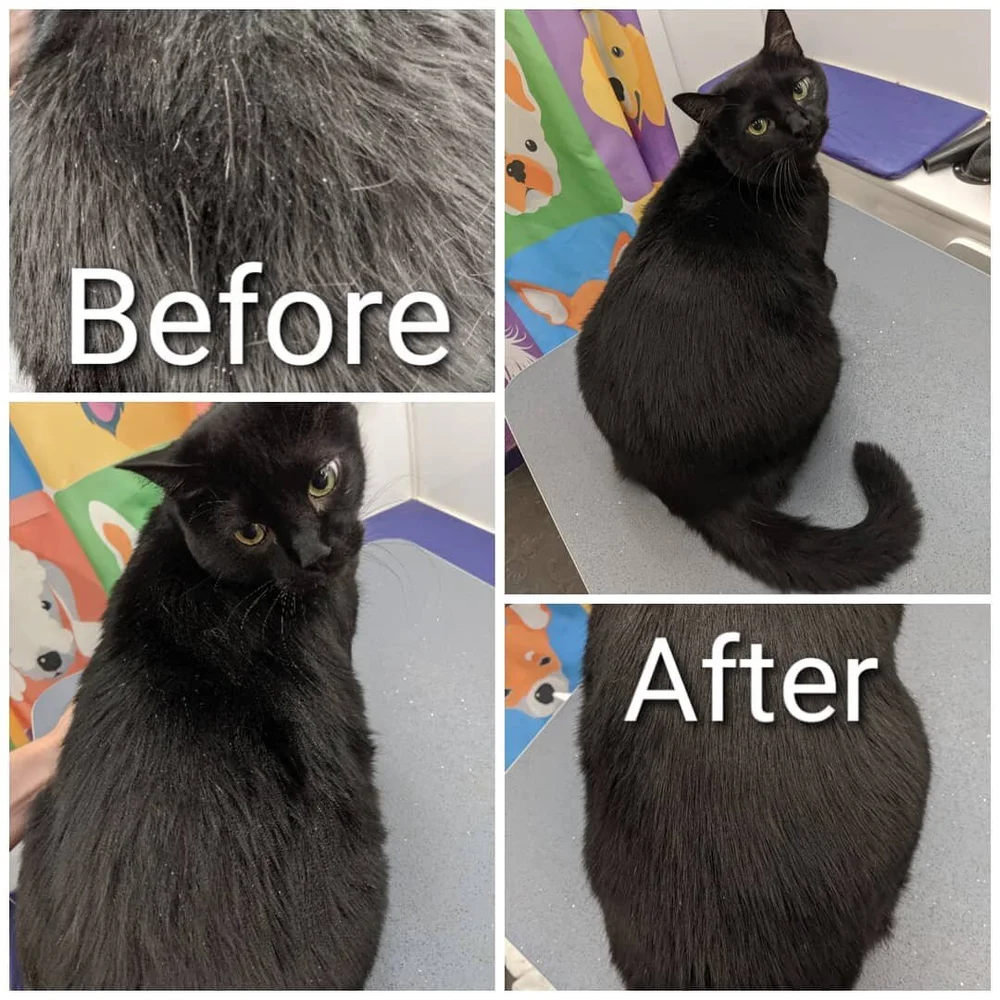
Credit: www.squeakycleangrooming.com
Flea Medication Effects
Understanding the effects of flea medication on your cat can help you recognize why your furry friend might keep grooming after treatment. Flea medications are designed to eliminate these pests quickly, but they can also cause certain reactions in your cat’s skin and behavior. Knowing what to expect can ease your worries and help you care for your pet better.
How Flea Treatments Work
Flea treatments often contain chemicals that either kill fleas on contact or disrupt their life cycle. These medications can be topical drops, oral pills, or sprays applied directly to your cat’s skin. Once applied, the treatment starts working within hours to eliminate fleas and prevent new ones from infesting your pet.
Some flea medications are fast-acting, while others work gradually by making the environment hostile for fleas. This means fleas die off over a few days, which might cause your cat to feel itchy as the pests react to the chemical. Have you noticed your cat scratching more right after applying the medication? This is common and usually temporary.
Common Side Effects On Cats
It’s normal for your cat to groom more after flea treatment, but excessive licking or scratching can indicate side effects. Common reactions include mild redness, irritation, or dry skin where the medication was applied. Your cat might also shake or scratch more as the fleas die and irritate the skin.
In rare cases, flea medication can cause allergic reactions or more severe skin issues. Watch for signs like swelling, hair loss, or constant scratching beyond a few days. If your cat shows these symptoms, consult your vet immediately.
- Increased grooming as your cat tries to soothe irritated skin
- Temporary itchiness caused by dying fleas
- Possible mild inflammation at the application site
- Rare allergic reactions needing medical attention
Has your cat ever over-groomed after flea treatment? Observing these behaviors can guide you in knowing when to comfort your cat or seek professional help. Remember, a little extra grooming might be normal, but persistent discomfort is a sign to act.
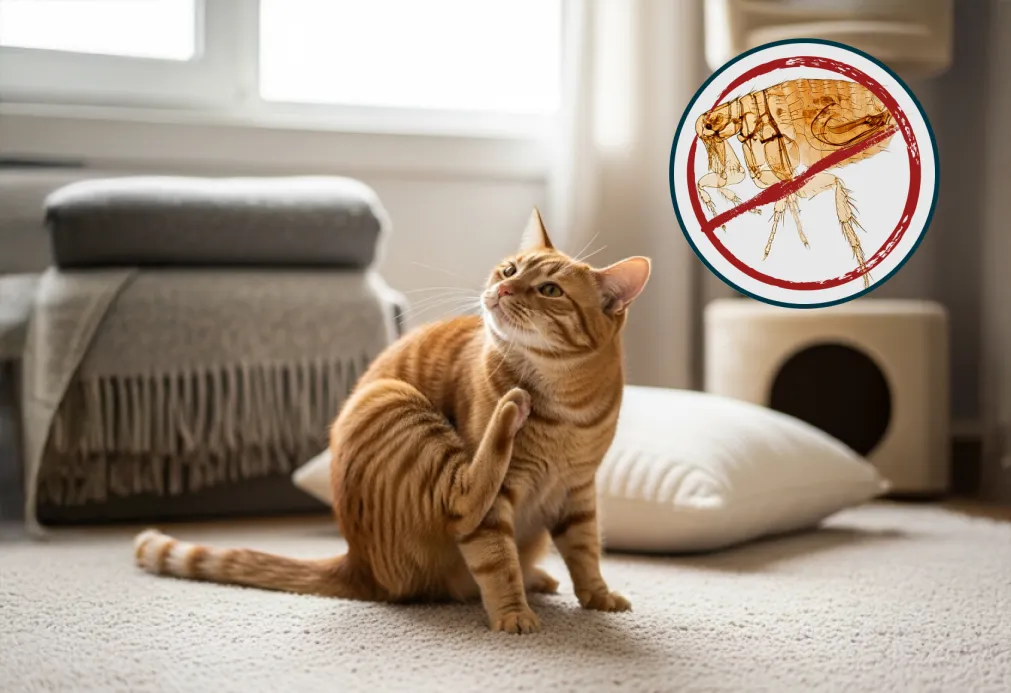
Credit: www.happypet.care
Persistent Grooming Causes
Persistent grooming after flea medication can confuse many cat owners. The behavior may continue even after fleas are gone. Understanding the causes helps manage this issue effectively. Several factors can lead to ongoing grooming despite treatment.
Residual Irritation From Fleas
Fleas cause bites that irritate the skin. Even after medication kills fleas, itching may persist. The skin needs time to heal from flea bites. Cats often groom to soothe these itchy spots. This grooming can last days or weeks as the skin recovers.
Reaction To Medication Ingredients
Flea medicines contain chemicals that may irritate some cats. Sensitivity to these ingredients causes itching or redness. This reaction makes cats groom more than usual. Watching your cat closely after applying medicine is important. If irritation worsens, consult a veterinarian immediately.
Stress And Anxiety Factors
Stress can trigger excessive grooming in cats. Changes in environment or routine increase anxiety levels. Flea treatments sometimes cause discomfort, adding to stress. Grooming becomes a comfort behavior to relieve nervousness. Identifying and reducing stress helps lower grooming habits.
Skin Reactions And Sensitivities
Applying flea medication to your cat is a necessary step to keeping them healthy and pest-free. However, your cat may continue to groom excessively after treatment, leaving you puzzled. One common reason for this behavior could be skin reactions and sensitivities. Understanding these reactions can help you address your feline’s grooming habits effectively.
Allergic Responses
Allergic reactions to flea medication are not uncommon. Your cat might exhibit redness, swelling, or even hives at the application site. Such reactions can cause discomfort, prompting them to groom more to alleviate irritation. It’s crucial to observe your pet closely after applying any new product. If you notice severe reactions, consult your veterinarian immediately.
Dryness And Itching
Flea medications can sometimes lead to dryness and itching. This side effect can be due to the chemicals in the treatment drying out the skin. Your cat may instinctively groom more to relieve this discomfort. Providing your cat with a balanced diet rich in omega-3 fatty acids can help maintain skin health and reduce itchiness.
Secondary Skin Infections
Excessive grooming can lead to secondary skin infections. When a cat licks or scratches the irritated area too much, it can create open wounds, which are prone to infection. This can create a cycle of more itching and further grooming. Keep an eye on the skin for any signs of infection, such as pus or an unusual smell, and seek veterinary advice if needed.
Understanding these potential reactions allows you to take prompt action and ensure your cat stays comfortable. Have you noticed any of these symptoms in your cat after flea treatment? Taking proactive steps can prevent further discomfort and safeguard your pet’s well-being.
Behavioral Reasons
Cats often groom themselves after flea medication for reasons beyond just physical irritation. Behavioral factors play a key role in why they keep licking or scratching even after treatment. Understanding these behaviors helps pet owners respond calmly and support their cats during this time.
Habitual Grooming Patterns
Cats groom themselves regularly as part of their daily routine. This habit helps them stay clean and calm. After flea treatment, grooming might increase simply because the cat feels the need to check their fur. The new scent or sensation from the medication can make them curious or cautious. This natural grooming habit can appear as persistent licking or scratching but is usually harmless.
Discomfort And Restlessness
Flea medication can cause mild discomfort or a tingling feeling on the cat’s skin. This sensation may lead to restlessness. The cat might groom more to soothe these strange feelings. Sometimes, the medication kills fleas quickly, causing itching as the pests die. This temporary discomfort prompts extra grooming. Watching for signs of severe irritation is important, but mild grooming is often a normal response to this unease.
When To Seek Veterinary Help
After applying flea medication, some cats keep grooming themselves more than usual. This behavior can be normal as the medication works, but sometimes it signals a problem. Knowing when to seek veterinary help is important for your cat’s health and comfort.
Watch your cat closely for any unusual signs. Persistent grooming might mean irritation or an allergic reaction. Early action can prevent more serious issues.
Signs Of Severe Reaction
- Red or swollen skin
- Open sores or scabs
- Excessive scratching or biting
- Hair loss in patches
- Vomiting or diarrhea
- Difficulty breathing or lethargy
These symptoms need immediate veterinary attention. Do not wait for them to get worse.
Treatment Options For Persistent Grooming
The vet may prescribe medication to reduce itching and inflammation. They might also recommend a different flea treatment safer for your cat.
Sometimes, a medicated shampoo or topical cream helps soothe irritated skin. Your vet may suggest changes in your cat’s environment to avoid fleas and allergens.
Regular check-ups ensure your cat recovers well and stops excessive grooming.

Credit: zigly.com
Preventive Measures
Preventive measures play a key role in stopping your cat from excessive grooming after flea treatment. Proper care helps your cat feel comfortable and prevents irritation or stress. Taking the right steps before and after applying flea medication ensures better results and a happier pet.
Choosing The Right Flea Medication
Selecting a safe and effective flea medication is essential for your cat’s health. Look for products made specifically for cats. Avoid using dog flea treatments on cats, as they can cause harm. Consider your cat’s age, weight, and any health issues before choosing a product. Consult a veterinarian for advice on the best flea medication. Opt for treatments that target fleas without irritating your cat’s skin. Read labels carefully to understand active ingredients and possible side effects.
Post-treatment Care Tips
After applying flea medication, monitor your cat closely. Check for signs of irritation or allergic reactions such as redness or swelling. Prevent your cat from licking or biting the treated area by distracting them with toys or treats. Keep your cat indoors for at least 24 hours to allow the medication to work properly. Regularly clean your cat’s bedding and living areas to remove any fleas or eggs. Use a flea comb to remove dead fleas and soothe your cat’s skin. Keep your cat calm and comfortable to reduce stress and grooming urges.
Frequently Asked Questions
Why Does My Cat Groom Excessively After Flea Treatment?
Cats groom more after flea medication to soothe skin irritation. Flea treatments can cause temporary itching or discomfort, prompting increased licking and grooming.
Can Flea Medication Cause Skin Irritation In Cats?
Yes, some flea medications may cause mild skin irritation. This irritation leads cats to groom frequently to relieve itchiness or discomfort.
How Long Does Grooming Last After Flea Treatment?
Excessive grooming usually lasts a few days after flea medication. Once irritation subsides, your cat’s grooming habits typically return to normal.
Should I Be Worried If My Cat Keeps Grooming Post-flea Treatment?
Mild grooming after flea medication is normal and not alarming. However, if grooming is severe or persistent, consult your vet for advice.
Conclusion
Cats may keep grooming after flea medication because their skin feels itchy or irritated. The medication can cause some discomfort while working. Sometimes, fleas or flea eggs remain, making cats scratch more. Grooming helps cats clean their skin and feel better.
Watch your cat closely for any signs of allergy or infection. If grooming lasts too long, talk to a vet for advice. Understanding your cat’s behavior helps keep them healthy and comfortable. Patience and care make flea treatments more effective over time.

Leave a Reply