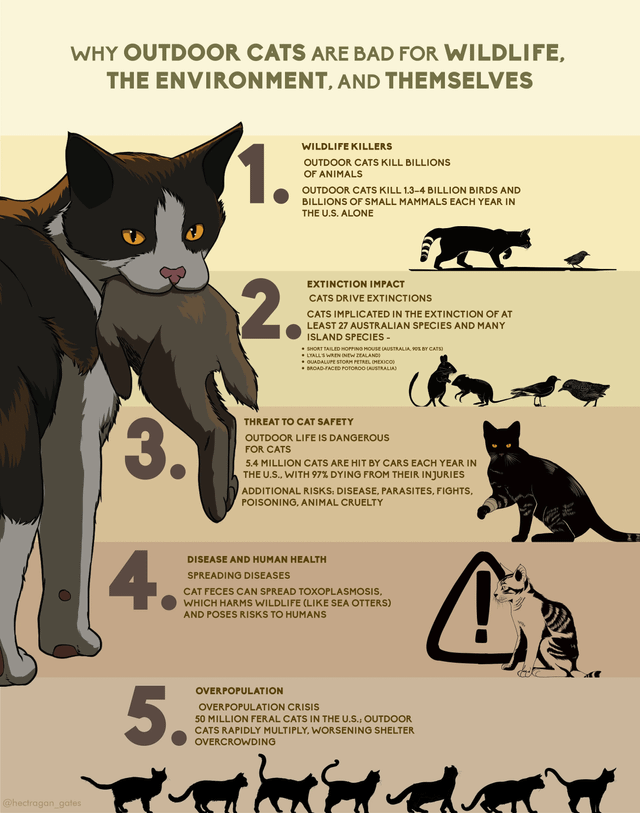
Have you ever wondered what dangers your outdoor cat might face—and bring back home? Letting your cat roam freely might seem harmless, even natural.
But the truth is, outdoor cats can carry hidden health risks that affect not only them but also you and your family. If you care about your cat’s well-being and want to keep your home safe, understanding these risks is essential.
Keep reading to discover why outdoor cats pose a serious health threat and what you can do to protect your furry friend and yourself.
Risks To Outdoor Cats
Outdoor cats face many dangers that indoor cats do not. These risks can harm their health and lower their life quality. Understanding these risks helps owners keep their cats safer and healthier.
Exposure To Infectious Diseases
Outdoor cats meet other animals often. This contact increases the chance of catching diseases. Common illnesses include feline leukemia virus and feline immunodeficiency virus. These diseases spread through bites, scratches, or close contact. Outdoor cats also risk infections like upper respiratory infections and parasites that cause illness.
Injuries And Accidents
Outdoor cats face many physical dangers. They can get hurt by cars, other animals, or falls. Fights with other cats or wildlife cause wounds and infections. Accidents may lead to broken bones or serious injuries. These injuries need quick medical care to prevent worse problems.
Parasite Infestations
Parasites are common threats to outdoor cats. Fleas, ticks, and mites cause discomfort and spread diseases. Worms like roundworms and tapeworms can infect cats through hunting or contact with contaminated soil. Parasites weaken cats and may cause severe health issues if untreated.
Toxic Plants And Substances
Outdoor cats may eat or touch harmful plants and chemicals. Some common garden plants are poisonous to cats. Chemicals like pesticides and antifreeze are deadly if ingested. Cats may also lick toxic substances from their fur. These exposures can cause sickness or death without quick treatment.
Threats To Human Health
Outdoor cats may seem like harmless companions, but they can carry hidden risks that affect your health. Understanding these threats helps you protect yourself and your loved ones. Let’s examine the key ways outdoor cats pose dangers to human health.
Zoonotic Diseases
Outdoor cats often carry diseases that can jump from animals to humans, known as zoonotic diseases. These include toxoplasmosis, cat scratch fever, and ringworm. You might not see any signs in the cat, but these infections can cause serious health problems, especially for children and those with weak immune systems.
Have you ever considered how a simple scratch or close contact with your outdoor cat could expose you to these illnesses? Taking precautions like regular vet check-ups and good hygiene can reduce these risks significantly.
Allergies And Asthma Triggers
Cat dander and saliva are common triggers for allergies and asthma attacks. Outdoor cats bring in more dirt, pollen, and parasites, which can worsen these symptoms. If you or someone in your household suffers from respiratory issues, outdoor cats can make managing these conditions harder.
Think about the last time you noticed sneezing or wheezing after petting a cat. Could outdoor exposure be making your symptoms worse? Minimizing contact or keeping cats indoors can help control these triggers.
Bites And Scratches
Outdoor cats are more likely to engage in fights or defensive behavior, increasing the chances of bites and scratches. These wounds can easily get infected and sometimes transmit serious infections. Immediate cleaning and medical attention are crucial after any injury caused by a cat.
Have you ever underestimated a cat scratch? It’s not just a minor injury—it can lead to painful complications. Teaching children to handle cats gently and supervising interactions can prevent many accidents.
Impact On Local Wildlife
Outdoor cats hunt birds and small animals, disturbing local wildlife populations. This behavior can spread diseases and reduce biodiversity in the area. Protecting wildlife means keeping cats indoors or supervised outside.
Outdoor cats can significantly affect local wildlife, often leading to unintended and harmful consequences. These felines, while beloved pets, can disrupt the delicate balance of ecosystems and contribute to the decline of native species. Understanding their impact is crucial for both cat lovers and wildlife enthusiasts.Predation Of Birds And Small Animals
Outdoor cats are natural hunters. They often prey on birds and small animals, which can drastically reduce local wildlife populations. You might think your cat is just having fun, but the collective impact is severe. One study showed that cats kill billions of birds annually. This predation can lead to the decline of certain species, especially those already at risk. Consider the ripple effect on the food chain: fewer birds can mean more insects, which can affect plant life.Disruption Of Ecosystems
Cats can cause imbalances in ecosystems. By preying on certain species, they can unintentionally alter the natural order. This can lead to overpopulation of some animals and scarcity of others, disrupting the local environment. Think about how a single change can cascade through an ecosystem. If one species declines, others that depend on it might also suffer. This disruption can affect plant pollination, seed dispersal, and even soil health.Transmission Of Diseases To Wildlife
Cats can transmit diseases to wildlife. Toxoplasmosis is one such disease, which can be spread through cat feces. This disease is harmful not just to wildlife but also to humans. Wild animals that come into contact with infected feces can become carriers, spreading the disease further. Diseases can weaken wildlife populations, making them more susceptible to other threats. Have you ever considered how your pet’s lifestyle could affect your neighborhood’s natural inhabitants? Taking steps to mitigate these impacts can make a significant difference. By keeping your cat indoors or providing supervised outdoor time, you can help preserve local wildlife and maintain ecological balance.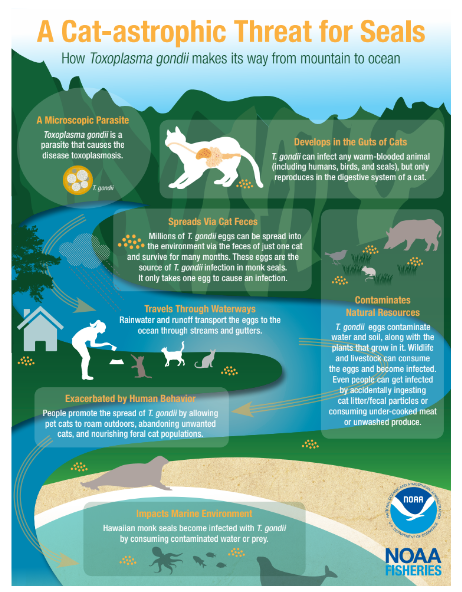
Credit: mauinow.com
Environmental Hazards
Outdoor cats face many environmental hazards that put their health at risk. These dangers affect their safety and well-being daily. Understanding these hazards helps pet owners make better choices for their cats.
Exposure To Traffic
Cats outside risk being hit by cars. Streets and roads are busy and fast. Drivers may not see a small cat in time. Injuries from accidents can be severe or fatal. Even quiet neighborhoods have moving vehicles. Traffic exposure is a constant threat to outdoor cats.
Weather Extremes
Outdoor cats must endure harsh weather conditions. Cold winters bring frostbite and hypothermia risks. Hot summers cause dehydration and heatstroke. Rain and storms make cats wet and uncomfortable. Prolonged exposure weakens their immune system. Weather extremes challenge their survival every day.
Chemical Contaminants
Many harmful chemicals exist outdoors. Pesticides and fertilizers in gardens can poison cats. Antifreeze and motor oil spills are toxic if licked. Household chemicals may leak into yards. These substances cause illness or death. Cats often come into contact with such hazards unknowingly.
Preventive Measures For Cat Owners
Keeping cats safe and healthy requires smart preventive actions. Outdoor cats face many risks. These include diseases, injuries, and getting lost. Cat owners can lower these dangers by taking key steps. These steps keep cats happy without the dangers of roaming freely outside.
Indoor Enrichment Alternatives
Indoor cats need activity and mental stimulation. Provide toys that move or make noise. Use scratching posts to keep claws healthy. Puzzle feeders challenge their mind and slow eating. Create cozy spots by windows for bird watching. Rotate toys often to keep cats interested. These enrichments reduce boredom and stress indoors.
Supervised Outdoor Time
Allow cats outside but under watch. Use a harness and leash for control. Build a catio or enclosed outdoor space. Supervised time reduces risks from cars and predators. It also stops cats from hunting wildlife. Outdoor time can be short but frequent. This gives fresh air without full freedom.
Regular Veterinary Care
Schedule vet visits at least twice a year. Keep vaccinations up-to-date to prevent diseases. Regular check-ups catch health issues early. Flea and tick prevention is critical for outdoor cats. Dental care improves overall health. Discuss outdoor risks with the vet. Follow all advice for a healthy cat.
Use Of Protective Collars And Microchips
Collars with ID tags help return lost cats. Use breakaway collars for safety. Microchips provide permanent identification. Register microchip information and update it regularly. These tools increase chances of reunion if cats wander. They offer peace of mind to owners.
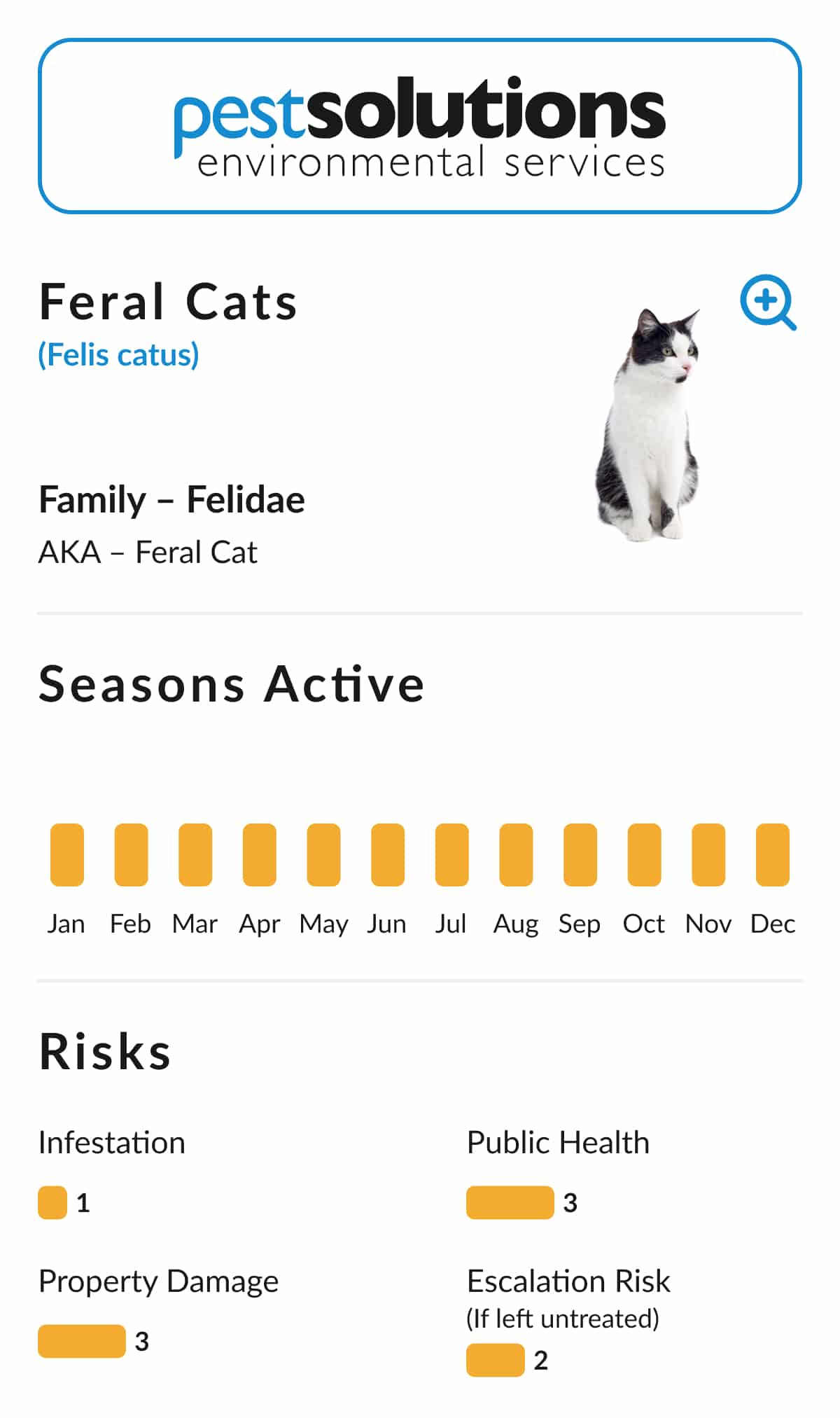
Credit: www.pestsolutions.co.uk

Credit: www.courierpostonline.com
Frequently Asked Questions
Why Are Outdoor Cats A Health Risk?
Outdoor cats face exposure to diseases and parasites that can spread to humans. They may carry fleas, ticks, and bacteria. These risks increase the chance of infections for both cats and people in close contact.
Can Outdoor Cats Spread Diseases To Humans?
Yes, outdoor cats can transmit diseases like toxoplasmosis and ringworm. They may also carry parasites such as fleas and ticks. Human contact with infected cats or their waste increases the risk of disease transmission.
How Do Outdoor Cats Affect Local Wildlife Health?
Outdoor cats hunt and spread diseases to wildlife populations. They may transfer parasites and infections to birds and small mammals. This disrupts local ecosystems and harms native animal health.
Are Indoor Cats Safer For Health Than Outdoor Cats?
Indoor cats face fewer health risks than outdoor cats. They avoid exposure to infectious diseases, parasites, and injuries. Keeping cats indoors helps protect both feline and human health.
Conclusion
Outdoor cats face many health risks every day. They can catch diseases from other animals. Cars, predators, and harsh weather also threaten them. Keeping cats indoors helps protect their health. It also stops them from spreading illnesses to wildlife. Safe, indoor environments give cats longer, happier lives.
Think about your cat’s safety and well-being. Choosing to keep cats inside shows love and care. It prevents many avoidable health problems. A healthy cat is a happy cat.


Leave a Reply