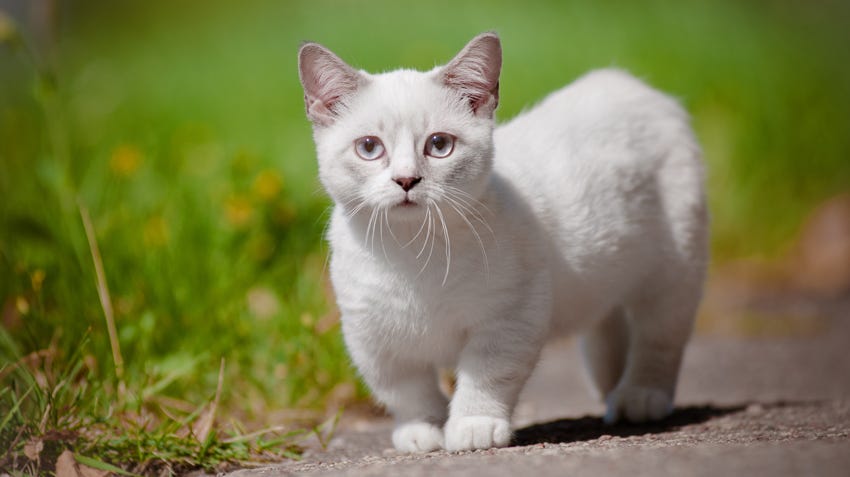
If you’re thinking about bringing a Munchkin cat into your home, you probably want to know everything about their health. These adorable little cats with short legs look cute, but their unique body shape can come with some health challenges.
Understanding what health issues Munchkin cats may face can help you take better care of your furry friend and avoid surprises down the road. Keep reading to discover the key health concerns you should watch for and how to keep your Munchkin cat happy and healthy.

Credit: purebredkitties.com
Common Health Problems
Munchkin cats are known for their short legs and playful nature. These unique traits sometimes come with health challenges. Common health problems in Munchkin cats often relate to their body structure. Knowing these issues helps owners provide better care and attention.
Spinal Disorders
Spinal problems occur due to the cat’s short spine. Munchkin cats can develop lordosis, a condition where the spine curves too much. This may cause pain and difficulty moving. Another spinal issue is scoliosis, which causes an abnormal side curve. Regular vet check-ups help detect these early.
Joint Issues
Short legs put extra stress on joints. Arthritis is common in Munchkin cats as they age. It leads to stiffness and less activity. Hip dysplasia can also occur, causing joint pain and trouble walking. Gentle exercise and joint supplements support their joint health.
Obesity Risks
Munchkin cats can easily gain weight due to limited exercise. Obesity makes joint and spinal problems worse. It also increases the risk of diabetes and heart disease. Feeding controlled portions and encouraging play keeps them healthy and fit.
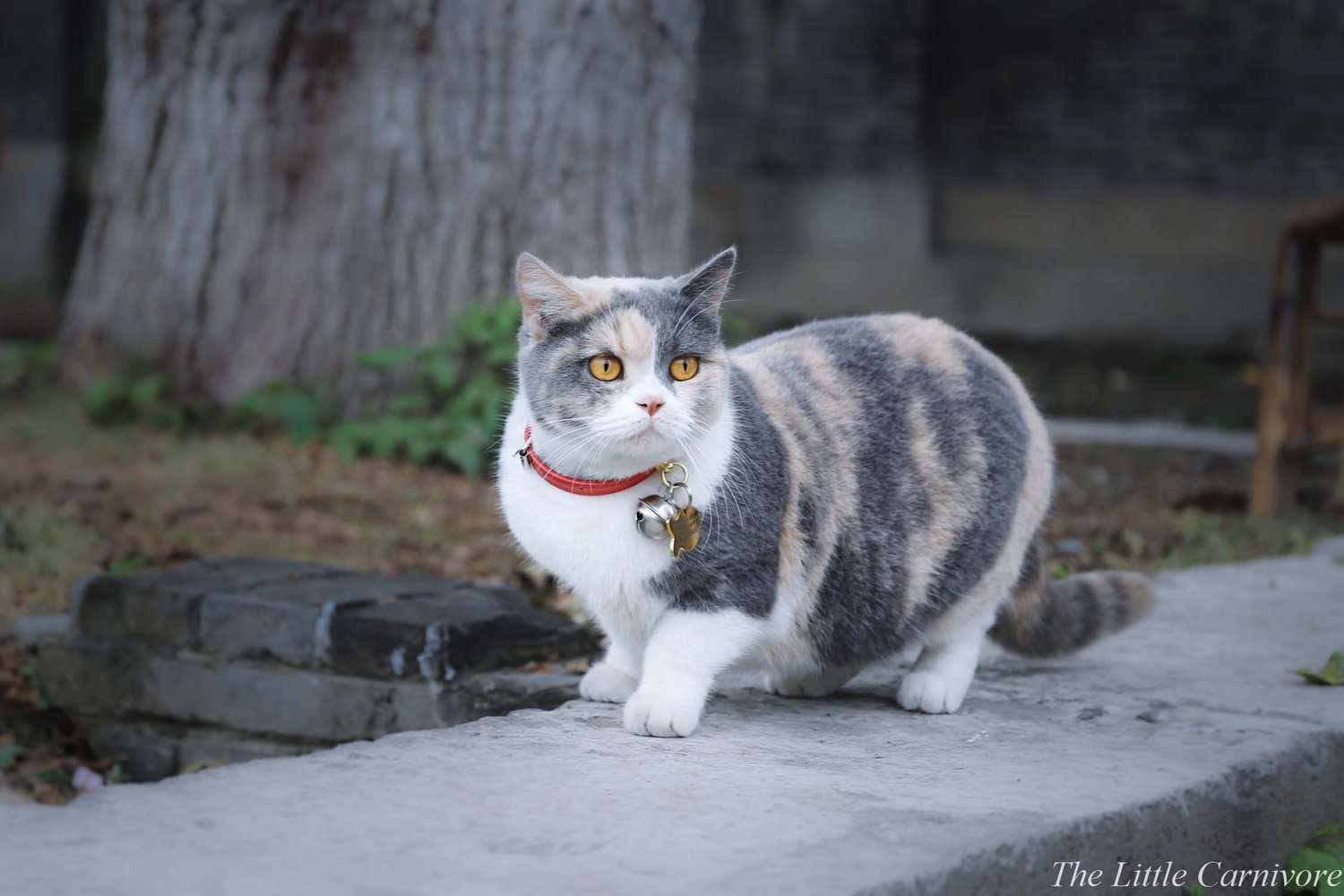
Credit: thelittlecarnivore.com
Genetic Concerns
Genetic concerns are a crucial aspect to understand if you own or plan to adopt a Munchkin cat. These cats are famous for their short legs, a trait caused by a specific genetic mutation. While this unique feature makes them adorable, it also brings certain health risks that stem from their genetics. Knowing these concerns helps you make informed decisions for your cat’s well-being.
Inherited Conditions
Munchkin cats can inherit health problems linked to their gene mutation. One of the most significant issues is related to their spine and legs. Because of their shortened limbs, they may develop conditions like lordosis, where the spine curves excessively, or pectus excavatum, a deformity of the chest.
Not all Munchkin cats will face these problems, but the risk is higher than in other breeds. You should watch for signs such as difficulty jumping, stiffness, or unusual posture. Early veterinary check-ups can catch these issues before they worsen.
Breeding Implications
Breeding Munchkin cats requires careful consideration because of their genetic mutation. Breeders often avoid mating two cats with the short-legged gene to reduce the chance of severe health issues in kittens. Breeding two Munchkins together can lead to complications or even non-viable offspring.
If you’re thinking about adding a Munchkin kitten to your family, ask the breeder about their breeding practices. Responsible breeders prioritize the health of their cats by carefully selecting mates and screening for genetic problems. Your choice supports healthier cats and discourages harmful breeding practices.
Preventive Care Tips
Munchkin cats can face health issues like joint problems and spinal defects due to their short legs. Regular vet check-ups and gentle exercise help keep them healthy and active. Watching their weight also prevents extra strain on their bones and joints.
Caring for a Munchkin cat involves more than just cuddles and playtime. These adorable felines, known for their short legs and playful demeanor, require specific attention to ensure they stay healthy and happy. Preventive care is crucial for Munchkin cats due to their unique build and potential health issues. By focusing on their health proactively, you can help your feline friend lead a long, joyful life. Let’s dive into some essential preventive care tips to keep your Munchkin cat in top shape.Regular Vet Checkups
Scheduling regular vet checkups is fundamental in preventing health issues in Munchkin cats. These visits allow for early detection of potential problems like arthritis or spinal issues, which are common due to their unique body structure. Your vet can also provide vaccinations, dental care, and monitor your cat’s weight to keep them in optimal health.Diet And Exercise
A balanced diet paired with regular exercise is vital for maintaining your Munchkin cat’s health. Choose high-quality cat food that meets their nutritional needs, and avoid overfeeding to prevent obesity. Encourage play and activity daily—interactive toys and laser pointers can be great ways to keep them moving and engaged.Safe Home Environment
Creating a safe home environment can prevent accidents and injuries for your Munchkin cat. Due to their short legs, jumping from high places can be risky. Ensure easy access to favorite spots with ramps or steps, and remove sharp or dangerous objects that could cause harm. Wouldn’t it be comforting to know that your home is a sanctuary for your furry friend? By adopting these preventive care practices, you are not just maintaining your Munchkin cat’s health but also enhancing their quality of life. How are you planning to make these tips part of your routine?
Credit: www.fidobiotics.com
Recognizing Symptoms Early
Recognizing symptoms early is crucial for keeping your Munchkin cat healthy and happy. These cats can have unique health challenges due to their short legs, so spotting warning signs quickly can make a big difference. Paying close attention to both behavior and physical changes helps you act before small issues become serious problems.
Behavioral Changes
Have you noticed your Munchkin cat suddenly becoming less playful or more withdrawn? Changes in energy levels or social interaction often hint at discomfort or pain. If your cat stops jumping onto favorite spots or avoids climbing, it could signal joint or spinal issues common in this breed.
Other behavioral shifts to watch for include:
- Increased irritability or hiding
- Changes in eating or drinking habits
- Unusual vocalizations, like excessive meowing or growling
These signs may seem subtle, but they often precede visible symptoms. How well do you really know your cat’s normal behavior? Being observant can help you catch health problems early.
Physical Signs
Physical symptoms can be clearer indicators of health issues in Munchkin cats. Look for stiffness, limping, or difficulty moving, which may point to arthritis or skeletal problems. Swelling or lumps, especially around the legs or spine, also deserve immediate veterinary attention.
Other physical signs to keep an eye on include:
- Changes in coat quality, like dullness or excessive shedding
- Weight loss or sudden gain
- Difficulty using the litter box or signs of urinary discomfort
Noticing these symptoms early gives you a chance to seek treatment before conditions worsen. What small changes have you seen in your cat that others might overlook? Your careful observation is the first step to safeguarding your pet’s health.
Treatment Options
Dealing with health issues in Munchkin cats means understanding the treatment options available. These options often depend on the specific condition your cat faces. Being proactive and informed can make a huge difference in your pet’s quality of life.
Medical Interventions
Medical interventions are often necessary for addressing common Munchkin cat health problems such as arthritis or spinal issues. Your veterinarian might prescribe pain relief medications or anti-inflammatory drugs to reduce discomfort.
Sometimes, surgery is needed, especially if your cat suffers from severe spinal abnormalities. Regular check-ups help catch problems early, allowing for timely treatment. Have you noticed your Munchkin limping or showing stiffness? Don’t wait—early intervention can prevent worsening symptoms.
Therapies And Rehabilitation
Therapies play a crucial role in managing chronic conditions common in Munchkin cats. Physical therapy, including gentle exercises and massages, can improve mobility and reduce pain.
Hydrotherapy is another option, where your cat exercises in water to strengthen muscles without stressing joints. You might be surprised how much better your cat feels after consistent therapy sessions.
Rehabilitation also includes lifestyle adjustments like providing soft bedding and easy access to food and litter boxes. These small changes support your cat’s recovery and comfort. What simple changes could you make at home to support your Munchkin’s health?
Lifespan And Quality Of Life
Understanding the lifespan and quality of life of Munchkin cats is crucial if you’re considering bringing one into your home. These uniquely short-legged cats often raise questions about their long-term health and happiness. Knowing what to expect helps you provide the best care and ensure your furry friend lives a full, joyful life.
Longevity Factors
Munchkin cats typically live between 12 to 15 years, which is comparable to many other cat breeds. However, their lifespan can be influenced by genetics, diet, and overall care. One key factor is their predisposition to certain health issues, such as spinal problems, which can affect mobility and comfort.
Regular veterinary check-ups are essential to catch any issues early. You might notice your Munchkin favoring rest more than usual or showing stiffness—these signs should prompt a vet visit. Keeping your cat at a healthy weight also reduces stress on their legs and spine.
Enhancing Well-being
To boost your Munchkin’s quality of life, focus on gentle exercise that encourages movement without strain. Short play sessions with soft toys or interactive games help maintain their muscle tone and mental sharpness. Have you noticed your cat’s favorite playtime? Use that to keep them active.
Providing a cozy, accessible environment is equally important. Low-sided litter boxes and ramps to favorite resting spots can make a big difference. Also, consider joint supplements after consulting your vet—they can improve mobility and reduce discomfort.
Think about your cat’s daily routine. Are you adapting it to their unique needs? Small changes can lead to a happier, healthier Munchkin cat who enjoys every moment with you.
Frequently Asked Questions
What Common Health Problems Affect Munchkin Cats?
Munchkin cats often face spinal issues and arthritis due to their short legs. They may also develop lordosis and pectus excavatum. Regular vet checkups help in early detection and treatment.
Are Munchkin Cats Prone To Genetic Disorders?
Yes, Munchkin cats can inherit skeletal abnormalities linked to their dwarfism gene. Responsible breeding reduces risks of severe genetic health problems.
How Does Munchkin Cat’s Short Legs Impact Mobility?
Short legs may limit jumping ability but usually don’t affect walking. Some Munchkins experience joint stress, so gentle exercise is recommended.
Can Munchkin Cats Live Healthy, Normal Lives?
With proper care, Munchkin cats live happy, healthy lives. Regular vet visits and a balanced diet support their well-being.
Conclusion
Munchkin cats can face certain health problems, mainly related to their short legs. Common issues include joint pain and spinal problems. Regular vet check-ups help catch these early. Feeding them a balanced diet keeps them strong. Giving them gentle exercise supports healthy joints.
Knowing these risks helps you care for your pet better. Munchkin cats bring joy despite their challenges. Love and attention keep them happy and healthy. Caring well means a longer, healthier life for your furry friend.

Leave a Reply