Have you ever wondered what animals cats have been bred with? You might think cats only mate with other cats, but the story is much more fascinating.
Discovering which animals have been bred with cats can surprise you and reveal some truly unique and unusual creatures. If you’re curious about the secret world of hybrid cats and the amazing results of these pairings, keep reading. This article will open your eyes to the incredible variety and unexpected history behind these fascinating animals.
Your next favorite animal fact is just a few paragraphs away!
Credit: www.confidu.com
Domestic Cat Hybrids
Domestic cat hybrids are fascinating blends of the familiar house cat and wild feline species. These hybrids combine the charm of domestic cats with the exotic traits of their wild ancestors, resulting in unique pets with striking appearances and distinct personalities. Understanding these hybrids can help you decide if one fits your lifestyle and what special care they might require.
Bengal Cats
Bengal cats are a popular hybrid created by breeding domestic cats with the Asian leopard cat. Their coat features bold, leopard-like spots that instantly catch your eye. Beyond their wild looks, Bengals are active and playful, needing plenty of stimulation to stay happy.
If you enjoy an energetic companion who loves games and interaction, Bengals might be perfect for you. However, they can be vocal and demand attention, so consider your daily routine before bringing one home.
Savannah Cats
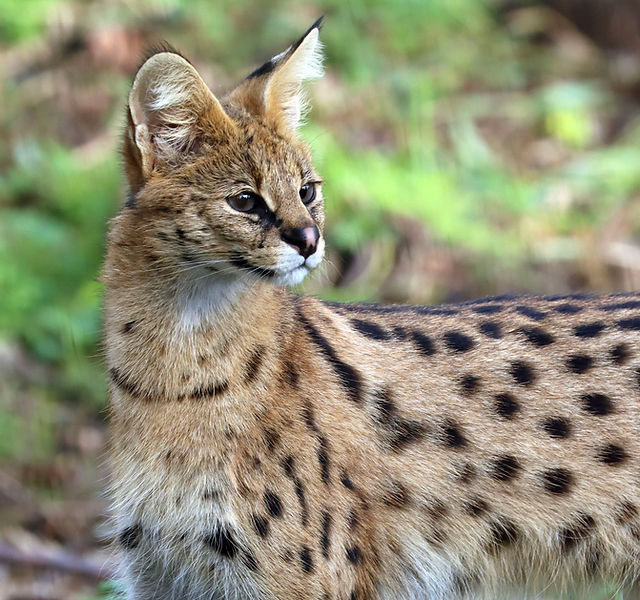
Savannah cats come from crossing domestic cats with the African serval, a wild cat known for its large ears and long legs. These cats are taller and leaner than typical house cats, with a striking spotted coat. Their wild heritage makes them highly curious and intelligent, often learning tricks and enjoying interactive toys.
Owning a Savannah means embracing a pet with a wild edge that needs space to explore. Are you ready to provide an environment that satisfies their adventurous spirit?
Chausie Cats
Chausie cats are hybrids of domestic cats and the jungle cat, native to Asia and the Middle East. They have a sleek, athletic build and a short coat, typically in solid or tabby patterns. Known for their social and affectionate nature, Chausies bond closely with their owners and thrive on companionship.
If you want a pet that is both active and loving, the Chausie could be a great fit. Their blend of wild energy and domestic warmth offers a unique experience for cat lovers.
Wild Cat Crosses
Wild cat crosses are fascinating hybrids between domestic cats and their wild relatives. Breeders create these mixes to combine wild traits with domestic cat behavior. These hybrids often display unique looks and personalities. They attract attention for their exotic appearance and playful nature. Below are some well-known wild cat crosses.
Liger And Tigons
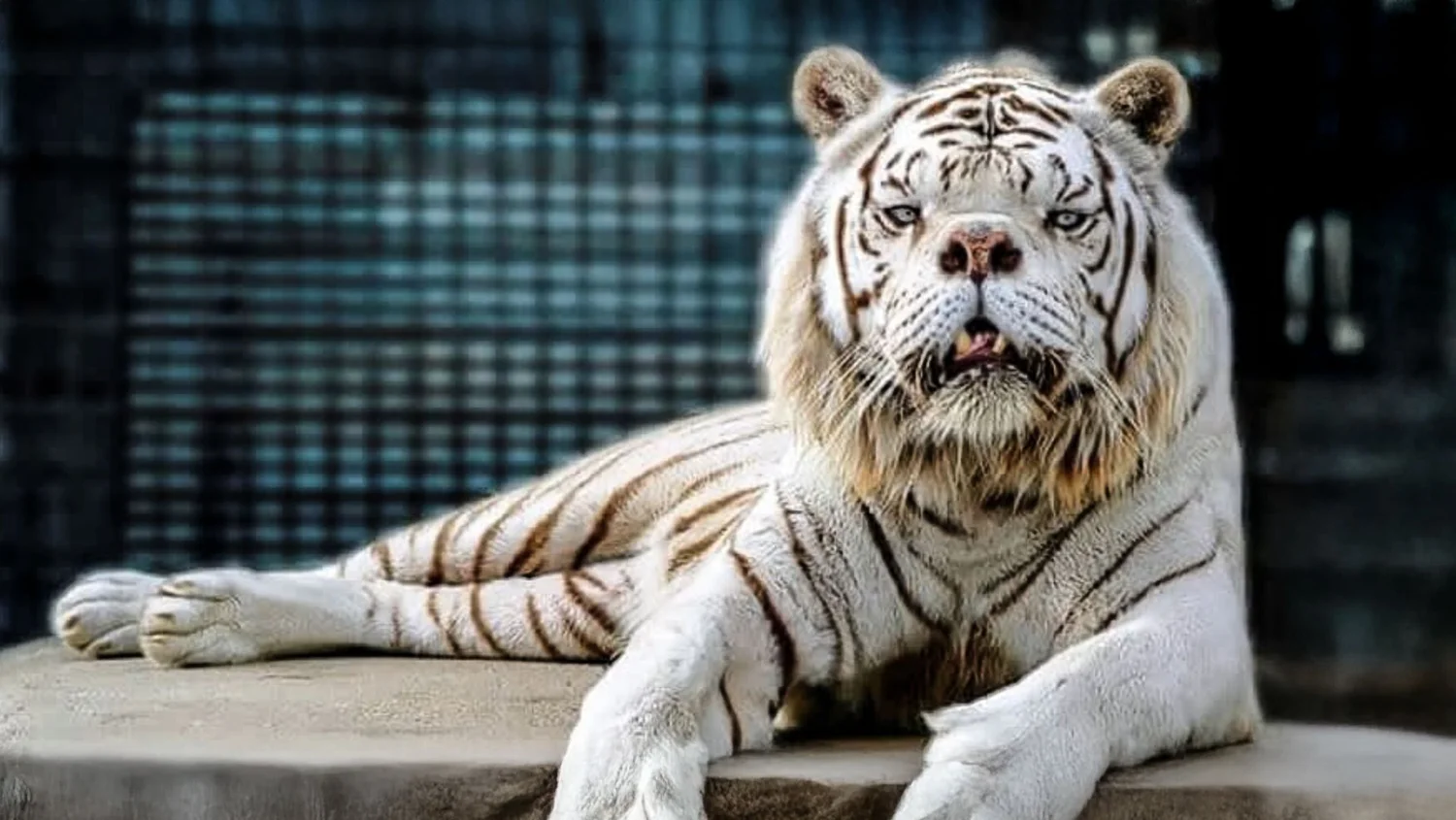
Ligers and tigons are hybrids between lions and tigers. A liger is born from a male lion and a female tiger. It grows larger than both parent species. Tigons come from a male tiger and a female lion. They tend to be smaller than ligers. Both hybrids show mixed traits from lions and tigers. These crosses do not involve domestic cats but show wild hybrid possibilities.
Caracat Hybrids
Caracats are crosses between domestic cats and caracals. Caracals are medium-sized wild cats with tufted ears. Breeders aim to keep the wild look with a tame temperament. Caracats have spotted or striped coats and large ears. They are more social than caracals but need special care. These hybrids highlight the beauty of wild cats with domestic traits.
Cheetoh Cats
Cheetoh cats are a mix of Bengal and Ocicat breeds. Bengals have wild leopard-like patterns from Asian leopard cats. Ocicats resemble wild ocelots in appearance. Cheetohs combine these traits with a friendly and playful nature. They have large spots and a muscular build. This hybrid is popular for those wanting a wild look with a domestic cat’s behavior.
Behavioral Traits In Hybrids
When cats breed with other species, the resulting hybrids often exhibit fascinating behavioral traits. These traits can differ significantly from those of their parent species, offering unique insights into animal behavior. Understanding these differences can help you better care for hybrid animals and appreciate their distinct characteristics.
Temperament Differences
Hybrids can have varied temperaments, often a blend of both parent species. You might find that some hybrids are more curious or adventurous than typical domestic cats. Others might display a higher level of independence, making them less reliant on human interaction.
Consider the Bengal cat, a cross between a domestic cat and an Asian leopard cat. Bengals often exhibit a playful and energetic temperament, requiring more engagement and playtime from their owners. This can be both a delight and a challenge, depending on your lifestyle and time availability.
Activity Levels
Activity levels in hybrids can vary widely. Some may inherit the high-energy traits of their wild ancestors, requiring more space and stimulation. This could mean more frequent play sessions or even outdoor exploration if it’s safe.
Conversely, some hybrids might inherit a more relaxed demeanor. Do you have the time and resources to meet these activity needs? Ensuring your hybrid pet remains active and healthy is crucial for their overall well-being.
Social Interaction
Social behaviors in hybrids can be unpredictable. Some may thrive in social settings, enjoying interaction with humans and other animals alike. Others might prefer solitude, mirroring the solitary nature of their wild ancestors.
Understanding these social needs can significantly impact your relationship with your hybrid pet. Are you prepared to invest time in socializing and training? By recognizing and respecting these traits, you can create a harmonious living environment for both you and your pet.
Physical Characteristics
Physical characteristics reveal a lot about the unique blends that arise when cats are bred with other animals. These traits vary widely and often surprise even seasoned cat lovers. Understanding these features helps you appreciate the diversity and beauty that hybrid cats bring into the world.
Coat Patterns
Hybrid cats often showcase coat patterns that are unlike those of typical domestic cats. You might notice spots, stripes, or even marbled effects that echo their wild ancestors. For instance, Bengal cats, bred from domestic cats and Asian leopard cats, have striking rosettes and a glittery sheen that catches the light beautifully.
Have you ever seen a cat with a coat pattern so wild it looks like it belongs in the jungle? These patterns are not just for show—they can also indicate the cat’s lineage and temperament. Some hybrids carry patterns that help them blend into natural settings, a trait passed down from their wild relatives.
Size Variations
Size differences in hybrid cats can be dramatic. Breeding domestic cats with larger wild cats, like servals, often results in offspring that are noticeably bigger than your average house cat. Savannah cats are a perfect example; they can grow up to three times the size of a typical domestic cat.
If you’re considering adopting a hybrid, size matters for both space and care. Larger cats need more room and may have different dietary or activity needs. Have you thought about how much space your cat will need to thrive?
Eye Color And Shape
Eye color and shape in hybrid cats often reflect their exotic heritage. Some hybrids inherit striking golden or green eyes that seem to glow in dim light. The shape can also be more almond-like or slanted, reminiscent of wild cats rather than the round eyes common in domestic breeds.
These eye traits do more than make your cat look unique—they can influence how they perceive the world. Cats with certain eye shapes might have better night vision, a useful skill passed down from their wild ancestors. Have you noticed how your cat’s eyes change in different lighting?
Breeding Challenges
Breeding cats with other animals is a complex task filled with many challenges. These challenges often go beyond just finding a partner for the cat. You need to consider biology, health, and even ethics before attempting such breeding.
Genetic Compatibility
Genetic compatibility is one of the biggest hurdles. Cats belong to the Felidae family, but not all members can successfully breed with domestic cats. Differences in chromosome numbers and genetic makeup often prevent successful mating or produce sterile offspring.
For instance, hybrids like the Bengal cat come from crossing domestic cats with Asian leopard cats, which are genetically close enough to allow viable offspring. But attempts to breed cats with more distant relatives, like larger wildcats, usually fail or are unsafe.
Health Concerns
Health risks are a major concern for both the parent animals and their offspring. Hybrid cats may inherit health problems from both species, sometimes creating unexpected complications. This can include immune system issues or physical deformities.
I’ve seen breeders struggle with kittens that have difficulty surviving past infancy. That’s often due to genetic incompatibilities or complications during birth. You must be ready for veterinary costs and emotional strain if you consider crossbreeding cats.
Ethical Considerations
Ethics play a crucial role in decisions about breeding cats with other animals. You should ask yourself if it’s fair to the animals involved. Hybrids may suffer stress or behavioral problems because they don’t fit well into either species’ typical lifestyle.
Many animal welfare groups discourage such breeding due to the risks and welfare concerns. Is it right to breed for novelty when it might harm the animals or lead to abandoned pets? Reflecting on these questions helps you make responsible choices.
Credit: www.northumberlandzoo.co.uk
Legal And Conservation Issues
Breeding cats with wild animals raises many legal and conservation concerns. These hybrids can affect both domestic pet laws and wildlife protection rules. Understanding these issues helps protect animals and people alike.
Regulations On Hybrid Ownership
Many countries have strict laws about owning cat hybrids. Some hybrids are illegal to keep as pets. Owners often need special permits or licenses. Rules vary widely from place to place. These laws aim to keep both animals and people safe.
Common restrictions include:
- Prohibiting certain hybrid breeds
- Requiring secure enclosures
- Mandating veterinary care and inspections
Impact On Wild Populations
Hybrid cats can affect wild animal groups. If they escape, they might breed with wild cats. This can change the natural gene pool. It may harm endangered species by mixing genes. Hybrids could also spread diseases to wild populations.
Such impacts challenge efforts to keep wild species pure and healthy.
Conservation Efforts
Conservation groups work to protect wild cats and their habitats. They oppose crossbreeding that harms wild populations. These efforts include:
- Monitoring hybrid animal breeding
- Educating the public on risks
- Supporting laws that protect wild cats
Preserving wild species helps maintain balanced ecosystems and biodiversity.

Credit: www.rd.com
Frequently Asked Questions
What Animals Have Cats Been Bred With Naturally?
Cats have naturally bred with wild species like the Asian leopard cat. This hybridization creates breeds such as the Bengal cat. Such crossings combine domestic traits with wild features for unique pets.
Can Domestic Cats Breed With Other Wild Animals?
Domestic cats can breed with certain wild cats, like the serval and leopard cat. These hybrids are called Savannah and Bengal cats, respectively. Breeding with non-felid animals is impossible due to genetic differences.
Are Cat Hybrids Common In Pet Breeding?
Yes, hybrids like Bengal and Savannah cats are popular among breeders. These hybrids offer exotic looks and wild ancestry but retain domestic cat behavior. They require special care compared to regular house cats.
What Wild Cats Have Influenced Domestic Cat Breeds?
Wild cats such as the Asian leopard cat and serval have influenced breeds like Bengal and Savannah. These wild genes provide unique coat patterns and physical traits in domestic breeds.
Conclusion
Cats have been bred with a few other animals to create unique pets. These hybrids show traits from both parents. Some mixes are rare and need special care. Breeders aim to keep the best qualities of each animal. Always research before choosing a hybrid cat.
This helps ensure a happy home for you and your pet. Hybrid cats can be fascinating companions for those ready to learn. They remind us how diverse and interesting the animal world is.

Leave a Reply