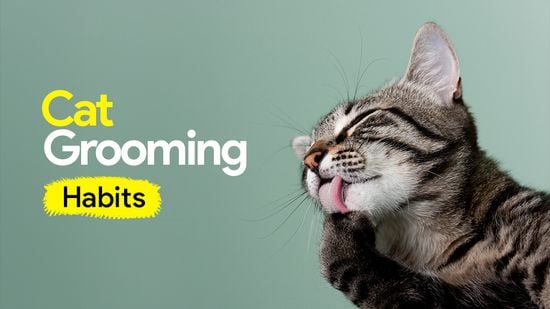
Have you ever watched your cat spend what feels like hours licking their fur? It might seem like they’re just keeping clean, but there’s more to it than that.
Understanding how much time your cat spends grooming can reveal a lot about their health and happiness. If you want to know why your feline friend is so focused on grooming and what it means for you as a cat owner, keep reading.
You’ll discover surprising facts that will change the way you see your cat’s daily routine.
Daily Grooming Habits
Cats are known for their impeccable grooming habits. Their daily routine includes frequent self-cleaning sessions that keep their coats shiny and skin healthy. Understanding these habits can help you better care for your feline friend and notice any changes that might signal health issues.
Average Grooming Time
On average, cats spend about 30% to 50% of their waking hours grooming themselves. This can add up to several hours a day, especially for long-haired breeds. You might notice your cat taking short grooming breaks throughout the day rather than one long session.
Observing your cat, you might see them meticulously licking their fur, cleaning their paws, and even grooming their face with their tongue. These actions are not just about cleanliness but also about comfort and stress relief.
Factors Affecting Grooming Duration
Several factors can change how much time your cat spends grooming. Age plays a big role—kittens and younger cats often groom more frequently, while older cats might reduce grooming due to arthritis or other health problems.
The type of coat matters too. Long-haired cats naturally need more grooming time to keep their fur free of tangles and mats. Environmental conditions like humidity or dirt can also increase grooming time.
- Stress or anxiety can cause cats to groom excessively or less than usual.
- Health issues, such as skin infections or parasites, may change grooming behaviors.
- Diet and hydration levels influence coat quality, affecting grooming needs.
Have you noticed your cat suddenly grooming more or less? This change can tell you a lot about their well-being and might be a cue to consult your vet.

Credit: www.latimes.com
Reasons Behind Grooming
Cats spend a lot of time grooming themselves for many important reasons. Grooming is not just about looking good. It helps them stay healthy and feel better in many ways. Understanding why cats groom can help you care for your pet better. Here are some key reasons behind their grooming habits.
Maintaining Cleanliness
Cats clean their fur to remove dirt and loose hair. This helps prevent skin problems and infections. Grooming also stops parasites like fleas from settling. A clean coat keeps cats comfortable and healthy every day.
Temperature Regulation
Grooming helps cats control their body temperature. When they lick their fur, saliva evaporates and cools them down. This is especially useful on hot days. Grooming also spreads natural oils that protect the skin and fur from weather changes.
Stress Relief
Grooming calms cats when they feel anxious or scared. It acts like a natural stress reliever. Cats often groom themselves after loud noises or new experiences. This behavior helps them feel safe and relaxed again.
Grooming Differences By Age And Breed
Cats groom themselves for different lengths of time depending on their age and breed. Younger cats tend to groom more often, while some breeds need less grooming due to their fur type. This natural behavior keeps them clean and healthy.
Cats are known for their meticulous grooming habits. However, the time they dedicate to grooming can vary significantly based on their age and breed. Understanding these differences can help you better care for your feline friend and ensure they maintain healthy hygiene practices.Kittens Vs Adult Cats
Kittens tend to spend less time grooming themselves compared to adult cats. This is because young kittens are still learning the ropes of self-care and rely on their mothers for grooming assistance. As they mature, you’ll notice an increase in grooming as they develop their own routines. Adult cats, on the other hand, are self-sufficient in their grooming habits. They can spend anywhere from 30% to 50% of their waking hours cleaning themselves. This consistent grooming helps them maintain a healthy coat and remove loose fur.Long-haired Vs Short-haired Breeds
Long-haired breeds like Persians or Maine Coons require more grooming time compared to their short-haired counterparts. The extensive fur can easily tangle and mat, necessitating frequent grooming sessions. These breeds benefit from regular brushing to help manage their luxurious coats. Short-haired breeds, such as the Siamese or British Shorthair, spend less time grooming since their coats are easier to maintain. Although they may not need as much grooming, these cats still enjoy the ritual and the comfort it brings. Have you ever noticed how much time your cat spends grooming? Understanding their grooming habits can provide insight into their well-being and help you spot any potential health issues early on.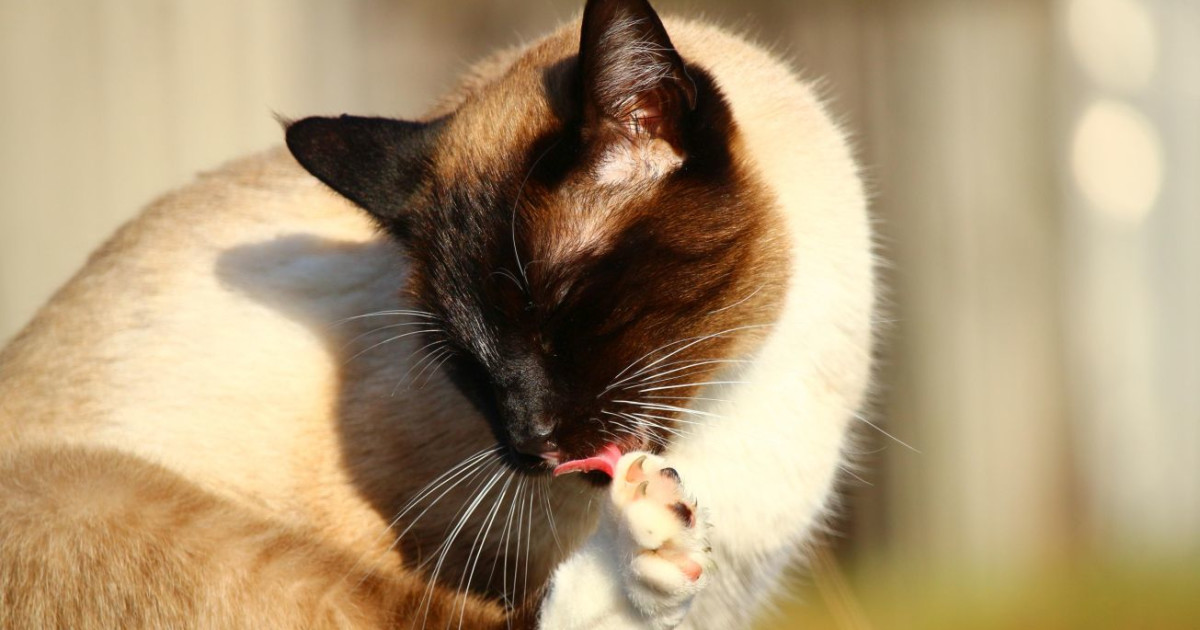
Credit: pethelpful.com
Health Implications Of Grooming
Grooming is more than just a routine for cats; it’s a vital activity that directly impacts their health. When cats groom themselves properly, they keep their fur clean, remove loose hair, and regulate body temperature. However, changes in grooming habits can signal underlying health issues that you should never ignore.
Overgrooming Signs
Have you noticed your cat licking or biting the same spot repeatedly? This behavior might indicate overgrooming, which often points to stress, allergies, or skin infections. Overgrooming can cause bald patches, redness, and sores, increasing the risk of infection.
Watch for these signs:
- Hair loss in specific areas
- Visible wounds or scabs
- Excessive licking or chewing
If your cat is overgrooming, it’s important to consult a vet to identify the cause. Sometimes, simple changes like reducing stress or switching to hypoallergenic food can help.
Under-grooming Concerns
On the other hand, under-grooming is equally worrying. Cats that groom less often might have dental problems, arthritis, or other health conditions making it hard to clean themselves. Their fur becomes matted, dirty, and prone to parasites.
You might see:
- Dull, greasy coat
- Foul odor from fur
- Skin irritations or dandruff
Have you checked if your cat’s mobility or teeth are causing discomfort? Helping your cat with regular brushing and vet visits can prevent serious health issues connected to poor grooming habits.
How Owners Can Support Grooming
Cats spend a large part of their day grooming themselves. Owners can help keep this habit healthy and effective. Supporting a cat’s grooming routine improves their coat and skin health. It also strengthens the bond between cat and owner.
Brushing Techniques
Brushing helps remove loose fur and dirt. Use a brush suited for your cat’s fur type. Short-haired cats need softer brushes; long-haired cats benefit from combs.
- Brush gently to avoid hurting the skin.
- Focus on areas cats find hard to reach.
- Brush in the direction of hair growth.
- Brush regularly, at least twice a week.
- Make brushing a calm, positive experience.
Regular Vet Checks
Vet visits help spot skin or coat problems early. Cats may have allergies, infections, or parasites affecting grooming. Regular checks ensure your cat is healthy.
- Ask the vet about skin and coat care tips.
- Get advice on diet for a healthy coat.
- Check for signs of stress or illness.
- Follow vet advice on grooming tools and routines.
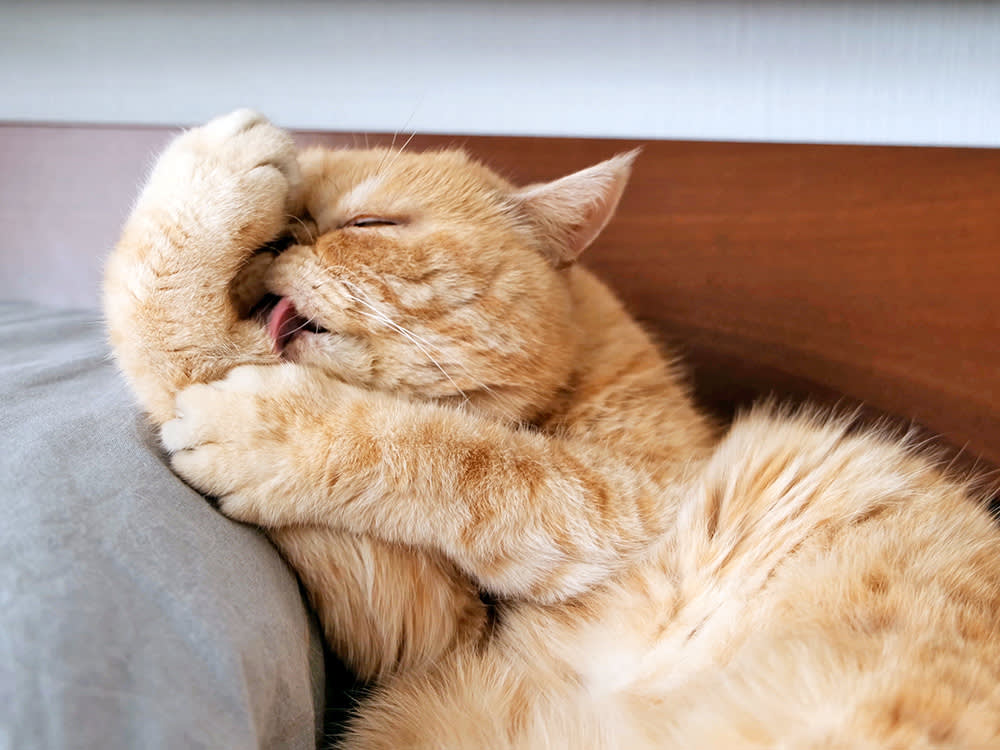
Credit: www.kinship.com
Frequently Asked Questions
How Much Time Do Cats Spend Grooming Daily?
Cats spend about 30 to 50 percent of their waking hours grooming themselves. This translates to roughly 2 to 5 hours a day. Grooming helps cats stay clean, regulate body temperature, and reduce stress.
Why Do Cats Groom Themselves So Often?
Cats groom to remove dirt, loose fur, and parasites. Grooming also stimulates blood flow and spreads natural oils across their fur. It helps maintain their coat’s health and provides comfort.
Does Grooming Time Vary By Cat Breed?
Yes, grooming time varies among breeds. Long-haired cats like Persians groom more to prevent matting. Short-haired cats spend less time but still groom regularly to stay clean.
Can Excessive Grooming Indicate Health Issues?
Excessive grooming can signal skin allergies, parasites, or stress. If a cat grooms obsessively, it’s best to consult a veterinarian. Early detection helps address underlying problems promptly.
Conclusion
Cats spend a good part of their day grooming themselves. This helps them stay clean and feel comfortable. Grooming also keeps their fur healthy and free from dirt. It shows they are relaxed and happy. Remember, each cat spends a different amount of time grooming.
Watching your cat’s grooming habits can tell you a lot about their health. So, pay attention to how often your cat cleans itself. It is a small but important part of their daily life.


Leave a Reply