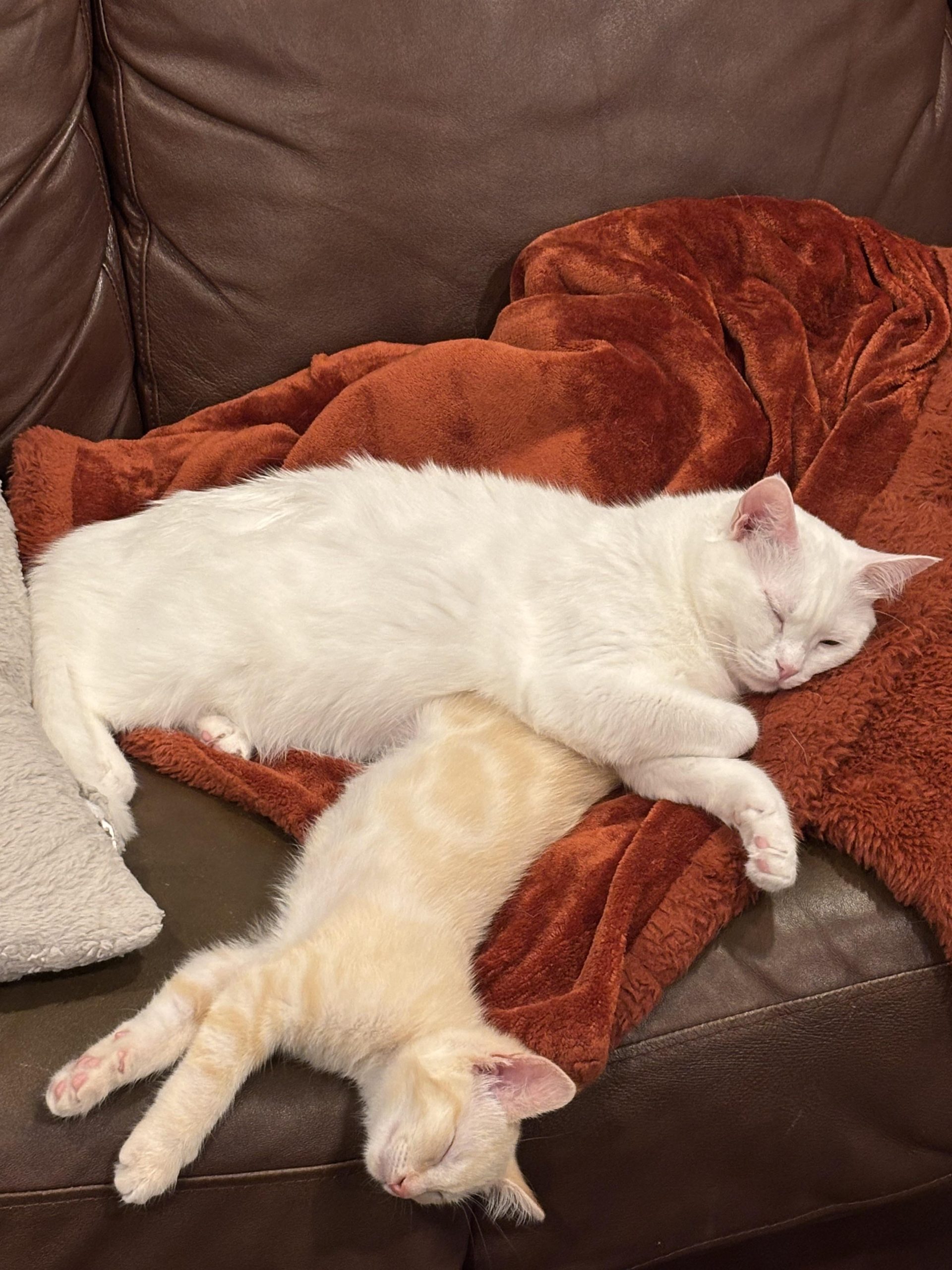
Have you ever watched your older cat carefully licking and grooming your new kitten and wondered why? It’s more than just a sweet moment—it’s a fascinating behavior that says a lot about how cats connect and communicate.
Understanding why your older cat grooms your kitten can help you see their bond in a whole new light. Keep reading to discover the surprising reasons behind this behavior and what it means for your furry family.
Cat Grooming Behavior
Cats spend a lot of time grooming themselves and others. This behavior is natural and serves many purposes beyond cleanliness. Grooming helps cats build trust and maintain social bonds. It also plays a role in communication and establishing their place in the group. Understanding why an older cat grooms a kitten reveals much about their social life.
Social Bonding Among Cats
Grooming creates close connections between cats. When an older cat licks a kitten, it shows care and affection. This action helps the kitten feel safe and loved. Cats that groom each other often share a strong friendship. This bond reduces stress and makes them feel part of a family.
Grooming As Communication
Grooming is a way cats talk without words. It can show friendliness and calmness. When a cat grooms another, it sends signals of trust. It also helps cats share their scent. This scent sharing makes the group smell similar. It helps them recognize each other as part of the same family.
Hierarchy And Territory
Grooming also shows who is in charge. Older cats often groom younger ones to assert their position. It is a gentle way to remind kittens of their place. This behavior keeps peace in the group. It helps cats avoid fights and respect each other’s space.
Benefits For The Older Cat
Older cats grooming kittens is more than just a kind act. It offers many benefits to the older cat. This behavior helps them feel calm and secure. It also supports their role within the family group. Finally, it connects deeply with their natural instincts to care for others.
Stress Relief And Comfort
Grooming provides a calming effect for older cats. It helps reduce anxiety and tension in their body. The repetitive motion soothes their mind. This act creates a peaceful moment for the older cat. It also builds trust between the cat and the kitten.
Reinforcing Social Status
Grooming helps older cats show their place in the group. It is a way to lead and protect the kitten. This behavior strengthens bonds within the family. Other cats recognize the older cat’s role. It helps keep peace and order in their social circle.
Parental Instincts
Older cats often feel a strong urge to care for young cats. Grooming taps into their natural parenting skills. It allows them to nurture and teach the kitten. This instinct brings satisfaction and purpose to the older cat. It also helps the kitten learn proper behaviors.
Benefits For The Kitten
Older cats grooming kittens helps the young ones feel safe and loved. It also teaches kittens good cleaning habits and builds trust between them.
Cats are fascinating creatures with unique behaviors. When an older cat grooms a kitten, it may seem puzzling. Yet, this behavior holds essential benefits for the kitten. Grooming helps in multiple ways, fostering a healthy start for the young feline.Learning Hygiene Habits
Grooming teaches kittens how to clean themselves. They watch and mimic the older cat. This practice is crucial for their hygiene. Cleanliness prevents infections and keeps the kitten healthy.Feeling Safe And Secure
Grooming creates a calming effect. It makes the kitten feel safe. The touch of the older cat reassures the little one. This sense of security is vital for the kitten’s development. It helps them grow confident and relaxed.Building Trust And Attachment
Through grooming, a strong bond forms. The kitten learns to trust the older cat. This trust is crucial for social development. An attached kitten is more playful and friendly. This connection fosters a sense of belonging.
Credit: www.feliway.co.uk
Common Grooming Patterns
Older cats often groom kittens to show care and build trust. This behavior helps the kitten feel safe and loved. Grooming also teaches the kitten how to clean itself properly. Understanding common grooming patterns reveals what your cat is trying to communicate.
Frequency And Duration
Older cats usually groom kittens several times a day. Each session can last from a few seconds to several minutes. The grooming is gentle and not rushed. If grooming happens too often or lasts very long, it may stress the kitten.
Preferred Grooming Spots
Older cats tend to focus on the kitten’s head, neck, and back. These spots are easy to reach and often need cleaning. The face and ears get special attention. Grooming these areas helps remove dirt and stimulates the kitten’s skin.
Signs Of Over-grooming
Watch for redness, bald spots, or irritated skin on the kitten. Constant licking can cause these signs. If the older cat grooms too much, the kitten might hide or become restless. Over-grooming needs to be managed to keep both cats healthy and happy.
When To Be Concerned
Not all grooming between your older cat and kitten is a sign of affection. Sometimes, it’s important to watch closely and know when the behavior might indicate something more serious. Recognizing the difference can help you protect both cats’ well-being and maintain harmony in your home.
Signs Of Stress Or Aggression
Grooming should be gentle and calm. If your older cat suddenly becomes rough, bites, or swats while grooming the kitten, it might be a sign of stress or aggression.
Look for body language like flattened ears, hissing, or tail flicking. These are red flags that the grooming is not a friendly gesture but a warning or expression of discomfort.
Have you noticed your kitten trying to escape or hide after grooming sessions? This avoidance behavior can mean the kitten feels threatened or overwhelmed.
Health Issues Behind Grooming
Sometimes excessive grooming can point to health problems. Older cats might groom a kitten obsessively if they sense parasites or skin irritations.
Similarly, if your older cat is grooming the kitten’s same spot repeatedly, it could highlight an injury or infection you haven’t seen yet.
Watch for signs like redness, bald patches, or swelling on your kitten’s skin. These symptoms require prompt attention to avoid worsening conditions.
Consulting A Veterinarian
If you notice any worrying signs during grooming, don’t wait to get professional advice. A veterinarian can check both cats for underlying health issues or behavioral concerns.
Veterinarians can offer solutions like treatments for parasites or recommend behavior modification techniques. They might also suggest ways to improve your cats’ interaction safely.
Have you ever wondered if what looks like care might hide a problem? Asking your vet can clear up doubts and give your cats the care they deserve.
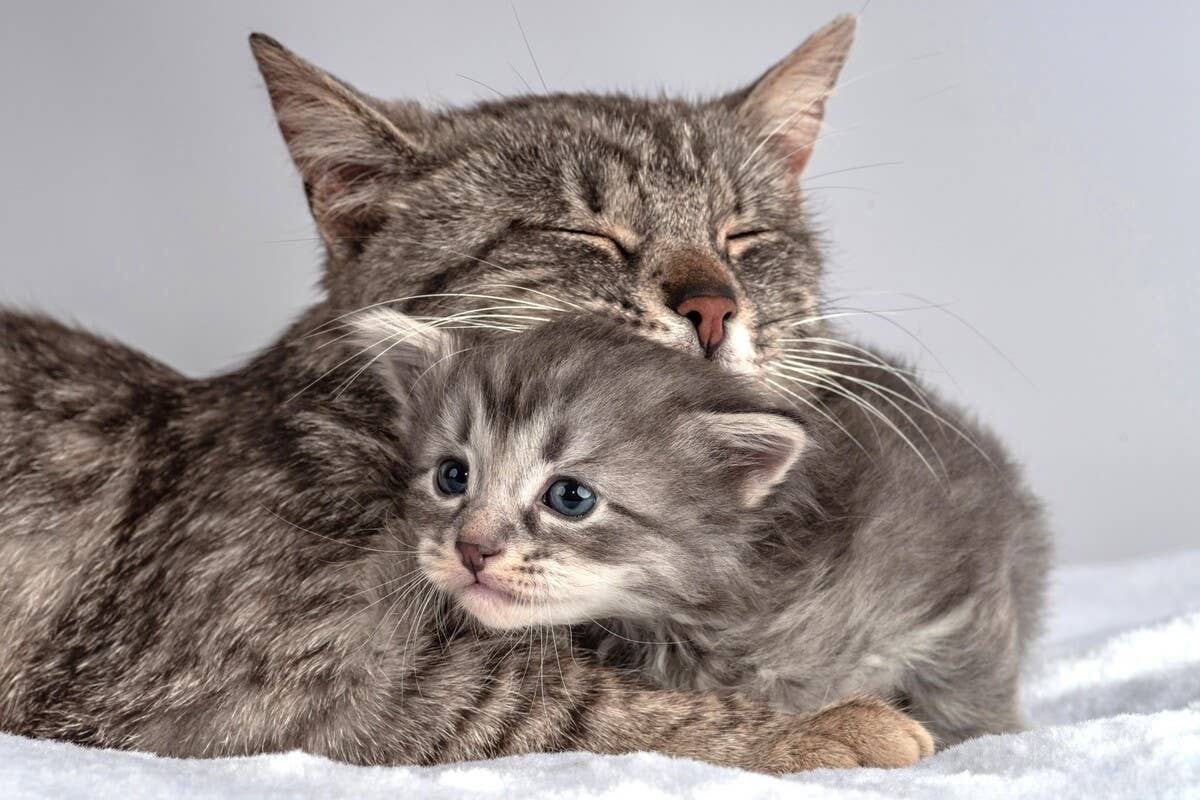
Credit: pethelpful.com
Encouraging Positive Grooming
Encouraging positive grooming helps build a strong bond between your older cat and kitten. It reduces stress and keeps both cats happy. Positive grooming means your older cat gently cleans the kitten, showing care and trust. This behavior supports social skills and healthy relationships in your feline family.
Creating A Calm Environment
A quiet, peaceful space helps your cats relax. Loud noises and busy rooms can stress them out. Provide soft bedding and warm spots for resting. Calm surroundings encourage your older cat to groom the kitten calmly. This creates a safe place for both cats.
Providing Separate Resources
Give each cat its own food and water bowls. Separate litter boxes prevent conflicts and stress. Personal toys and beds help your cats feel secure. These separate resources reduce competition and support positive interactions. Your older cat feels less threatened and more willing to groom the kitten.
Rewarding Good Behavior
Praise your older cat when it grooms the kitten gently. Use treats or soft petting as a reward. This teaches your cat that grooming is a good action. Rewarding good behavior encourages more grooming and kindness. It strengthens the bond between your cats over time.
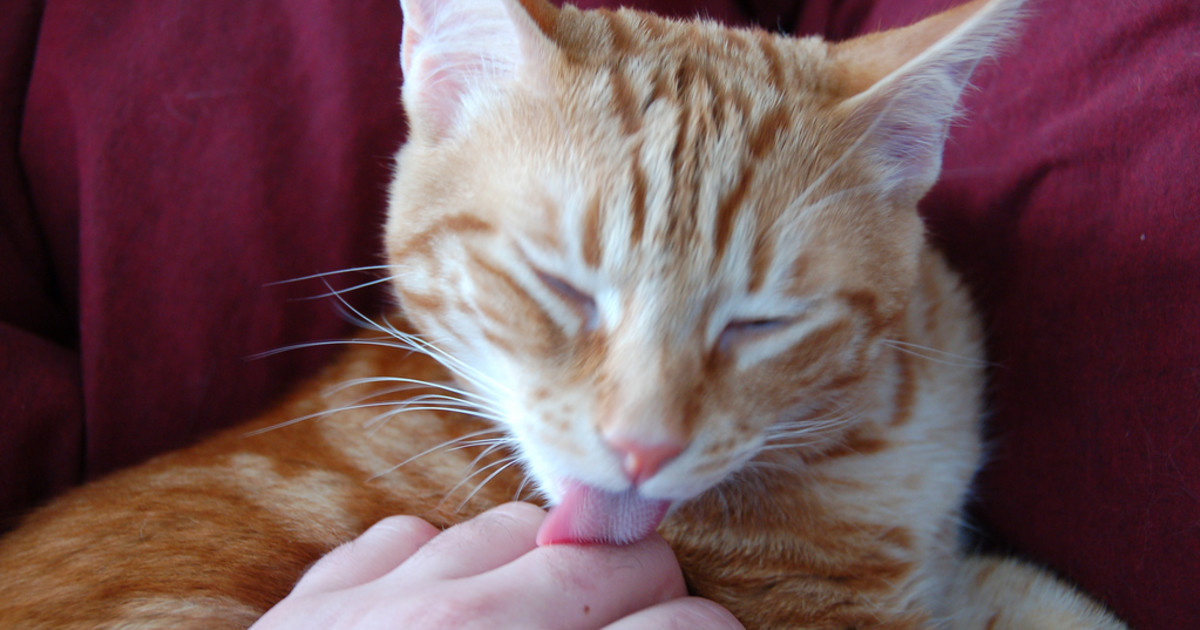
Credit: pethelpful.com
Frequently Asked Questions
Why Does My Older Cat Groom My Kitten?
Older cats groom kittens to show care and build trust. Grooming helps establish a bond and comfort between them. It also teaches kittens proper hygiene and social behaviors, strengthening their relationship as they live together.
Is Grooming A Sign Of Affection Between Cats?
Yes, grooming is a strong sign of affection. Cats groom each other to show love and friendship. It helps reduce stress and creates a peaceful environment. This behavior is common among cats living closely.
Can Grooming Help My Kitten Feel Safe?
Absolutely. Grooming from an older cat provides security. It reassures the kitten that it is part of the family. This helps the kitten feel calm and protected in a new environment.
Does Grooming Indicate Dominance Or Hierarchy In Cats?
Sometimes. Grooming can show social hierarchy, with dominant cats grooming subordinates. However, it often reflects friendship and care rather than control. The context and cat behavior help clarify the meaning.
Conclusion
Older cats groom kittens to show care and build trust. This behavior helps kittens learn good habits and feel safe. Grooming also strengthens the bond between them. Watching these moments can warm your heart. Remember, this is a sign your older cat accepts the kitten as family.
Enjoy these sweet interactions—they mean a lot in cat friendships.

Leave a Reply