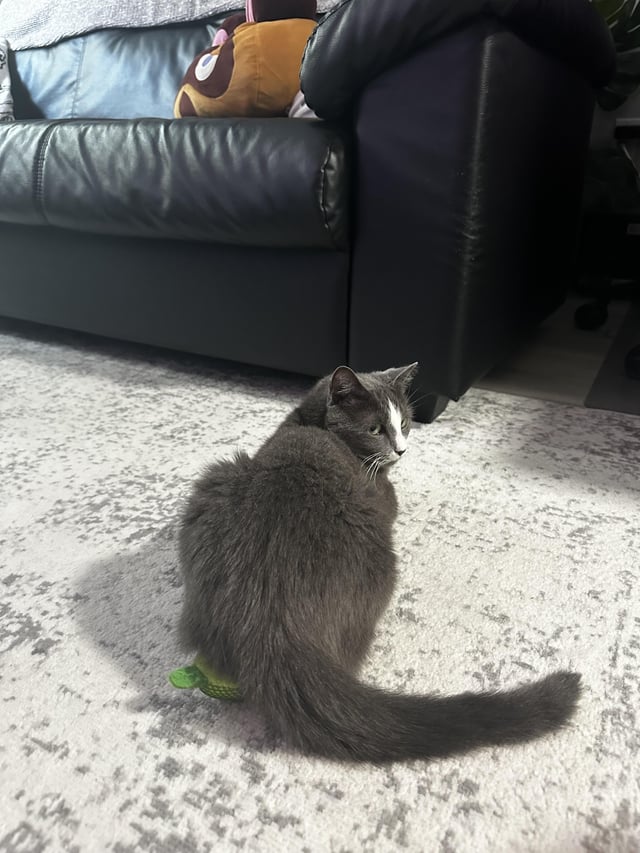
Have you ever noticed your cat sitting right on top of their toys and wondered why? It might seem strange or even a little funny.
But there’s more to this behavior than just playfulness. Understanding why your cat does this can help you connect with them better and keep them happy. Keep reading, and you’ll discover the surprising reasons behind this quirky habit and what it means for your furry friend.
Cats And Toy Behavior
Cats show unique behavior with their toys. They do more than just play. Toys can become objects of comfort, territory, or curiosity. Understanding these actions helps owners connect better with their pets. Cats use toys to express feelings and instincts.
Common Cat Toy Interactions
- Batting toys with paws to mimic hunting
- Carrying toys in their mouths like prey
- Chewing soft toys for texture exploration
- Hiding toys under blankets or furniture
- Rubbing toys with their face to mark scent
These actions show natural hunting and territorial instincts. Toys become more than playthings—they are part of a cat’s world.
Sitting Patterns On Toys
Sitting on toys is a curious habit. Cats may do this to claim the toy as theirs. It can also provide comfort or warmth. Sitting can stop other pets from taking the toy. Sometimes, toys feel like a soft cushion.
Each cat has its reasons. Observing your cat can reveal why they choose to sit on certain toys. This behavior is a mix of security, comfort, and ownership.
Comfort And Security
Cats often seek comfort and security in their surroundings. Toys can become more than just playthings. They turn into cozy spots where cats feel safe and calm. Understanding this behavior helps pet owners support their cats’ emotional needs.
Toys As Safe Spots
Cats sit on their toys because these objects act like safe spots. The toys provide a soft surface and a small area to claim. Sitting on toys makes cats feel protected from nearby threats. This behavior shows how cats create a personal space. It is a way to relax and reduce stress.
Scent And Familiarity
Cats rely on scent to feel secure. Toys carry the cat’s own smell and the scent of home. This familiarity comforts cats in new or strange places. Sitting on toys helps them keep their scent close. It signals ownership and helps them stay calm.
Territorial Instincts
Cats are fascinating creatures with complex behaviors. One intriguing habit is their tendency to sit on toys. This action often ties to their territorial instincts. Cats have a natural urge to claim and protect their space and belongings. Understanding these instincts offers insight into their unique behavior.
Marking Toys As Property
Cats have scent glands in their paws. When they sit on toys, they leave their scent. This action marks the toy as their property. It’s a subtle way of saying, “This is mine.” Other animals recognize this scent mark and respect it. This behavior is deeply rooted in their survival instincts. By marking their territory, cats ensure their belongings remain safe.
Protecting Valuables
Sitting on toys can also mean safeguarding their valuables. Cats view toys as prized possessions. By sitting on them, they prevent other animals from taking them. This behavior reflects their instinct to protect resources. In the wild, protecting food and belongings is vital. At home, this instinct translates to guarding toys.
Play And Hunting Drive
Your cat’s instinct to hunt doesn’t disappear just because they live indoors. Their playtime is actually a way to satisfy that deep-rooted hunting drive. When your cat sits on their toys, it’s often linked to this instinctive behavior.
Simulating Prey Capture
Think about how cats behave in the wild. After catching prey, they often keep it close to watch over it. Your cat sitting on a toy mimics this behavior, treating the toy as if it were real prey.
They’re not just being possessive—they’re practicing control and ownership. This action helps them feel in charge of their “catch.” Have you noticed how your cat sometimes paws or bites the toy before settling down on it? That’s part of the prey capture simulation.
Resting Between Play Sessions
Sometimes, your cat might just be taking a break. Sitting on a toy allows them to rest while keeping their “hunt” close. It’s like holding onto a trophy while catching their breath.
This behavior shows how important the toy is to them during play. Instead of leaving it behind, your cat wants to stay connected, ready to pounce again. Next time you see your cat doing this, consider it an invitation to join their game.
Attention And Interaction
Your cat sitting on their toys often signals a desire for attention and interaction. It’s their way of saying, “Notice me!” or “Let’s play!” Understanding this behavior can help you connect better with your feline friend.
Seeking Owner’s Focus
Have you ever caught your cat perched right on their favorite toy just as you walk by? This is no coincidence. Cats quickly learn that placing themselves on their toys draws your eyes and sparks your interest.
They might be feeling a bit ignored and want you to engage with them. By sitting on their toys, they make sure you see what’s important to them. It’s a gentle nudge to remind you they want your attention.
Encouraging Playtime
Your cat doesn’t just want to be seen—they want you to join in the fun. Sitting on toys often acts as an invitation to play. They’re saying, “Let’s make this toy move!”
When your cat does this, it’s a great chance to pick up the toy and start a game. This simple interaction keeps your cat mentally sharp and physically active. Plus, it strengthens the bond between you and your pet.

Credit: www.kittyhelpdesk.com
Health And Comfort Factors
Cats often choose to sit on their toys for health and comfort reasons. These toys offer more than just play value. They provide warmth and support, which helps cats feel safe and relaxed. Observing this behavior can reveal how your cat manages its well-being naturally.
Temperature Regulation
Toys absorb and hold your cat’s body heat. Sitting on them helps your cat stay warm, especially in cooler spots. This warmth is comforting and reduces the effort needed to maintain body temperature. Soft toys also act as insulation against cold floors.
Some cats prefer certain toys because they retain heat better. This makes toys a cozy resting place. This simple behavior shows how cats use their environment to stay comfortable.
Joint Support And Relief
Cats with stiff joints or arthritis benefit from sitting on soft toys. These toys cushion pressure points and reduce discomfort. Plush toys provide gentle support that hard surfaces cannot offer.
This behavior can help cats relax and ease muscle tension. Soft toys act like a small pillow, giving relief to sensitive areas. It’s a natural way for cats to care for their bodies.
When To Be Concerned
Not every time your cat sits on their toys is a cause for worry, but there are moments when this behavior signals something deeper. Understanding when to be concerned helps you support your cat’s emotional and physical health. Paying close attention to the context and accompanying behaviors can reveal if your cat is stressed or anxious.
Signs Of Stress Or Anxiety
Stress in cats often shows up in subtle ways that you might overlook. Look for signs like excessive grooming, sudden aggression, or withdrawal from social interaction. If your cat sits on toys but also seems restless or is vocalizing more than usual, it might indicate anxiety.
Your cat might also hide more often or refuse to eat. These changes paired with the toy-sitting behavior can mean they’re feeling insecure or threatened. Have you noticed your cat pacing or panting? These are classic stress signals that deserve your attention.
Behavioral Changes To Watch
Behavioral shifts can be a red flag when your cat starts sitting on their toys as a way to claim territory or soothe themselves. If this behavior suddenly appears alongside other unusual actions, it’s time to observe more closely.
- Is your cat suddenly less playful or more clingy?
- Has their litter box routine changed?
- Are they avoiding you or other pets?
These changes might indicate discomfort or emotional imbalance. Noticing these signs early allows you to address the cause—whether it’s environmental stress, health issues, or changes in the household. Your attention can make a big difference in your cat’s well-being.

Credit: www.reddit.com

Credit: icatcare.org
Frequently Asked Questions
Why Does My Cat Sit On Their Toys Often?
Cats sit on toys to claim ownership and feel secure. Sitting on toys also helps them keep their favorite items close and shows comfort with their environment.
Is Sitting On Toys A Sign Of Cat Affection?
Yes, cats sitting on toys can indicate affection. It shows they trust their space and enjoy the toy’s scent and texture.
Do Cats Sit On Toys To Protect Them?
Cats often sit on toys to protect them from other pets. This behavior is a way to guard their prized possessions and feel in control.
Can Sitting On Toys Indicate Boredom In Cats?
Sometimes, cats sit on toys when bored. This action keeps them engaged and provides comfort, reducing stress and encouraging playfulness.
Conclusion
Cats sit on their toys for many simple reasons. They feel safe and like to keep their favorite things close. Sometimes, it helps them stay warm or mark their spot. This behavior shows trust and comfort. Watching your cat do this can be fun and sweet.
Understanding these habits helps you bond better with your pet. Enjoy these little moments—they tell a lot about your cat’s feelings. Keep providing toys and a cozy space for your furry friend. It’s a small way to make your cat happy every day.

Leave a Reply