Have you ever noticed your cat licking itself more than usual? You might wonder, “Do cats over groom when stressed?” Understanding this behavior is key to keeping your furry friend happy and healthy.
When your cat spends too much time grooming, it’s not just about staying clean—it could be a sign of stress or anxiety. If you care about your pet’s well-being, learning the reasons behind over grooming will help you spot trouble early and take the right steps.
Keep reading to discover how stress affects your cat and what you can do to help.
:strip_icc()/the-kitty-1011094438-5c3d1af5c9e77c00015e66a6.jpg)
Credit: www.thesprucepets.com
Cat Grooming Basics
Cats spend a good part of their day grooming themselves. This behavior keeps them clean and healthy. Understanding cat grooming basics helps us care for our pets better. Grooming is natural but varies from cat to cat. Some cats groom more than others. Stress can also affect grooming habits.
Normal Grooming Habits
Cats lick their fur to remove dirt and loose hair. They use their tongue, which has tiny, rough bumps. Grooming helps spread natural oils across their coat. This keeps their fur shiny and soft. Cats also nibble and scratch to clean hard-to-reach spots. Grooming calms cats and helps regulate their body temperature.
- Daily grooming sessions can last from 15 minutes to an hour.
- Kittens learn grooming by watching their mother.
- Cats usually groom more after eating or waking up.
Why Cats Groom Themselves
Grooming is a way for cats to stay clean. It removes dirt and parasites like fleas. Grooming also helps cats feel relaxed and safe. It lowers stress and tension in their bodies. Cats use grooming to communicate with other cats too. Sharing grooming can build strong bonds between cats.
- Grooming supports good health and fur condition.
- It cools the cat during hot weather.
- Grooming is a natural habit that keeps cats comfortable.
Stress And Cat Behavior
Understanding how stress affects your cat’s behavior can help you spot signs of distress early. Cats often show subtle changes that many owners miss. Paying attention to these signs can improve your cat’s well-being and your bond with them.
Common Stress Triggers
Stress in cats can come from many sources, some obvious and others less so. Changes in their environment, like moving to a new home or introducing new pets, often cause anxiety. Loud noises, unfamiliar people, or even changes in your daily routine can unsettle your cat.
Sometimes, stress triggers are not obvious. For example, a new piece of furniture blocking a favorite window spot might stress your cat without you realizing it. Have you noticed your cat reacting strongly to things you didn’t think would bother them?
- Moving to a new house or room
- Introducing new pets or family members
- Loud noises such as fireworks or construction
- Sudden changes in feeding time or location
- Health issues or pain
Behavioral Changes In Cats
When stressed, cats often change their grooming habits. Some may over groom, leading to bald patches or irritated skin. This is a clear sign your cat is trying to soothe themselves.
Other behaviors include hiding more, being unusually aggressive, or vocalizing excessively. If your normally calm cat suddenly becomes clingy or distant, stress could be the cause. Have you noticed any sudden shifts in your cat’s behavior that don’t seem related to health problems?
- Excessive licking or grooming
- Hiding or avoiding interaction
- Aggression or irritability
- Changes in eating or litter box habits
- Increased meowing or yowling
Signs Of Over Grooming
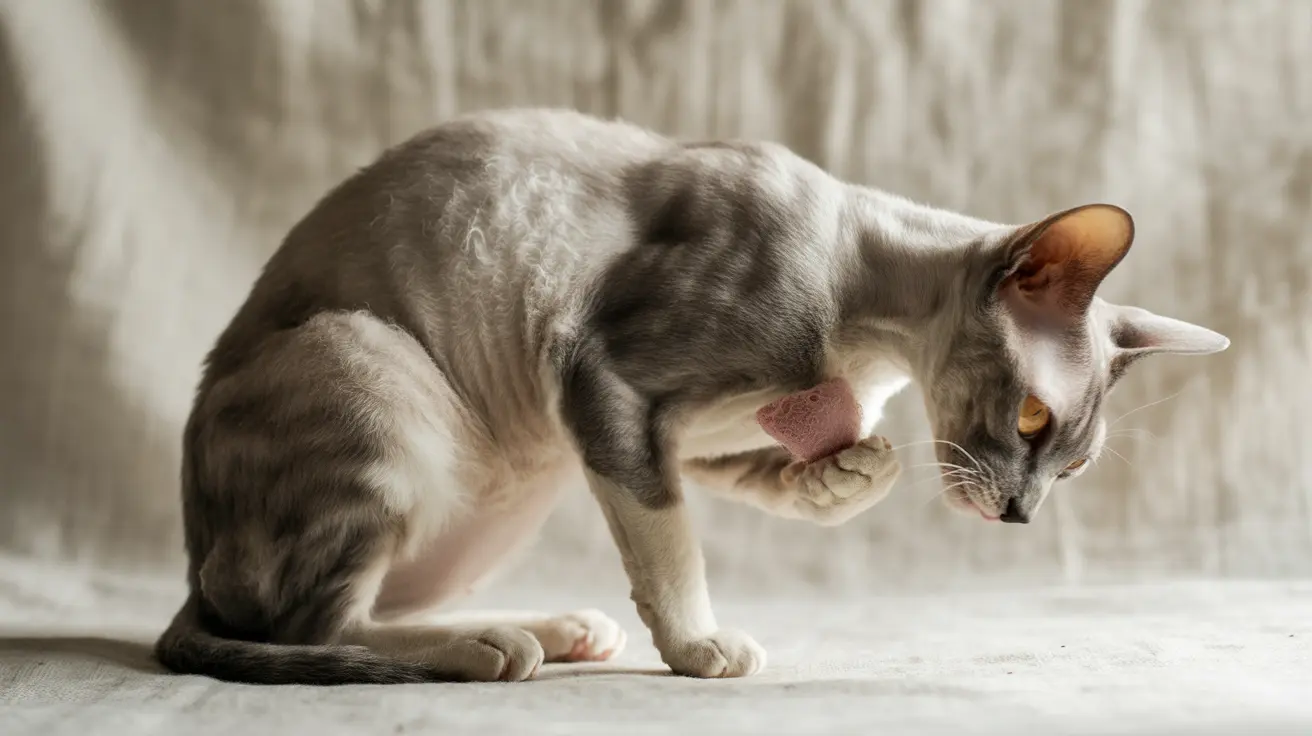
Cats may lick or bite their fur too much when they feel stressed. Bald spots, redness, or sores on the skin often show over grooming. Restlessness and constant grooming are clear signs your cat is anxious.
Understanding the signs of over grooming in cats can help you ensure your furry friend remains healthy and stress-free. Cats naturally groom themselves to stay clean, but excessive grooming often signals underlying stress or anxiety. By recognizing both physical symptoms and behavioral indicators, you can better address your cat’s needs and improve their wellbeing.Physical Symptoms
Physical symptoms are often the first clue that your cat might be over grooming. You may notice bald patches or thinning fur, particularly around the stomach, legs, or tail. Sometimes, this can lead to skin irritation or even sores, which could become infected if left untreated. In extreme cases, your cat’s skin might appear red or inflamed. If you ever wondered why your cat’s once shiny coat now looks dull or uneven, over grooming might be the culprit. Regularly inspect your cat’s coat for these signs to catch any issues early.Behavioral Indicators
Changes in behavior can provide additional clues that your cat is over grooming. Cats often use grooming as a way to self-soothe, much like how humans might bite their nails when anxious. If your cat is grooming excessively, especially during stressful situations, this might be a sign they’re trying to cope with anxiety. You might also notice your cat becoming more withdrawn or irritable. If they suddenly prefer solitude or become aggressive, it might be time to consider their emotional state. Have you seen your cat stop engaging in activities they usually enjoy, like playing or exploring? These behavioral shifts can all be linked to stress-induced grooming. By paying close attention to these signs, you can take proactive steps to address the root of your cat’s stress and help them return to their happy, healthy self. Are you observing these signs in your cat? It’s always a good idea to consult with a veterinarian for expert advice tailored to your pet’s needs.
Credit: basepaws.com
Health Risks Of Over Grooming
Over grooming in cats can lead to serious health problems. Cats often lick or scratch too much when they feel stressed. This behavior can damage their skin and fur. Understanding the health risks helps to spot problems early and keep cats safe.
Skin Irritations And Hair Loss
Excessive grooming removes the protective oils from the skin. This causes redness, dryness, and irritation. Cats may develop small wounds or scabs from constant licking. Hair falls out in patches, leaving the skin exposed. Bald spots can appear, making cats vulnerable to sunburn and cold.
Infections And Allergies
Open wounds from over grooming can become infected easily. Bacteria and fungi find a way into broken skin. These infections cause pain and swelling. Allergic reactions can also worsen the condition. Cats may react to flea bites, food, or environmental triggers. Over grooming worsens allergies, creating a cycle of discomfort.
Diagnosing Over Grooming
Diagnosing over grooming in cats requires careful observation and professional input. Over grooming might signal stress or other health problems. Identifying the root cause is key to helping your cat feel better. The process involves both physical health checks and understanding your cat’s behavior.
Veterinary Examination
A thorough vet exam checks for skin issues or parasites. The vet looks for wounds, redness, or hair loss patterns. Blood tests might rule out allergies or infections. This step ensures no medical problem causes the grooming. The vet also discusses your cat’s environment and habits.
Behavioral Assessments
Watching your cat’s daily actions helps spot stress triggers. Notice if grooming happens after loud noises or changes at home. The vet or behaviorist may ask about routine, diet, and social interactions. Tracking these details reveals if anxiety drives the over grooming. They may suggest ways to reduce stress and improve comfort.
Stress Reduction Techniques
Stress in cats often leads to over grooming, which can harm their skin and fur. Reducing stress is vital for their health and happiness. Simple changes in their environment and daily life can calm anxious cats and stop excessive grooming.
Environmental Enrichment
Providing a stimulating environment keeps cats engaged and relaxed. Cats need places to climb, hide, and explore. Toys that mimic hunting help them use natural instincts. Scratching posts reduce stress and protect furniture. Fresh air and natural light improve mood.
- Offer interactive toys and puzzles
- Create safe hiding spots
- Use scratching posts or pads
- Rotate toys regularly to maintain interest
Routine And Comfort
Cats thrive on routine. Regular feeding times and play sessions create security. A calm, quiet space for rest reduces anxiety. Soft bedding and familiar scents offer comfort. Avoid sudden changes to keep stress low.
- Feed meals at the same time daily
- Play with your cat every day
- Keep a cozy spot for naps
- Limit loud noises and disruptions
Treatment Options
Over grooming in cats due to stress needs timely treatment to prevent harm. Treatment helps reduce stress and stops the excessive licking or biting. Different options target the cause and symptoms to bring relief quickly. Early action improves your cat’s comfort and health.
Medical Interventions
Veterinarians often start with a thorough exam. They check for allergies, infections, or parasites causing discomfort. Medicines may include:
- Anti-inflammatory drugs to ease skin irritation
- Antihistamines for allergic reactions
- Antibiotics if infections are present
- Medications to reduce anxiety or stress
Sometimes, special shampoos or topical treatments help heal the skin. Regular follow-ups ensure the treatment is working well. Always use medications under veterinary guidance.
Behavioral Therapy
Behavioral therapy helps reduce stress triggers in the cat’s environment. Creating a calm and safe space is crucial. Techniques include:
- Providing hiding spots and vertical spaces
- Using pheromone diffusers to calm nerves
- Engaging in regular play to reduce anxiety
- Maintaining a consistent daily routine
Training to divert the cat’s attention from over grooming helps. Positive reinforcement encourages relaxed behavior. Patience and consistency are key to success in therapy.
Credit: www.petscare.com
Preventing Future Over Grooming
Preventing future over grooming in cats is essential for their health and happiness. Over grooming often signals underlying stress, so tackling the root causes early can save your cat from discomfort and potential skin problems. You can create a calm environment and help your feline friend feel secure, reducing the urge to over groom.
Identifying Stressors Early
Stress can come from many sources: new people, changes in routine, loud noises, or even other pets. Pay close attention to your cat’s behavior and surroundings. If you notice changes like hiding, decreased appetite, or excessive licking, ask yourself what might have recently changed in your home.
Keep a simple journal of your cat’s daily activities and any unusual events. This habit can help you spot patterns and pinpoint what triggers stress. Acting quickly to remove or reduce these triggers can stop over grooming before it starts.
Maintaining Emotional Wellbeing
Your cat’s emotional wellbeing plays a huge role in preventing over grooming. Provide regular playtime with interactive toys to keep their mind engaged. Cats need mental stimulation just as much as physical exercise.
Offer safe spaces like cozy beds or quiet corners where your cat can retreat. This gives them a sense of control and security. Also, consider calming aids like pheromone diffusers, which many cat owners find helpful in reducing stress.
Ask yourself, how often do you spend quality, stress-free time with your cat? Small changes in your daily routine can make a big difference to their emotional health and grooming habits.
Frequently Asked Questions
Do Cats Over Groom When They Feel Stressed?
Yes, cats often over groom as a stress response. Excessive licking helps them self-soothe and cope with anxiety. This behavior can lead to bald spots or skin irritation if it continues unchecked.
What Causes Stress-related Over Grooming In Cats?
Stressors like changes in environment, loud noises, or separation anxiety trigger over grooming. Cats use grooming to calm down. Identifying and reducing these stressors helps manage the behavior effectively.
How Can I Tell If My Cat Is Over Grooming?
Look for hair loss, red or irritated skin, and frequent licking in one area. Over grooming is more than normal cleaning and may indicate stress or medical issues requiring attention.
Can Over Grooming Harm My Cat’s Health?
Yes, over grooming can cause skin wounds, infections, and hair loss. Persistent over grooming needs veterinary evaluation to rule out allergies or parasites and to address underlying stress.
Conclusion
Cats often groom themselves more when feeling stressed. This behavior helps them calm down. Over grooming can cause skin problems and discomfort. Watch your cat’s grooming habits closely. Changes might mean your pet is anxious or unhappy. Try to find and reduce stress sources.
Provide a quiet, safe space for your cat. Consult a vet if over grooming gets worse. Taking action early keeps your cat healthy and happy. Small steps make a big difference in your cat’s well-being.

Leave a Reply