Thinking about getting health insurance for your cat? You might be wondering, “What is the cost of cat health insurance, and is it really worth it?” You want the best care for your furry friend without breaking the bank.
Understanding the costs can help you make smart choices that protect your cat’s health and your wallet. Keep reading to discover what affects the price, how to find the right plan, and why investing in cat health insurance could save you money and stress in the long run.

Credit: www.reddit.com
Cat Insurance Basics
Understanding the basics of cat insurance helps you make smarter choices for your furry friend’s health and your budget. Insurance isn’t just about emergencies; it covers many aspects of your cat’s well-being. Knowing what options exist and what affects the cost can save you money and stress down the road.
Types Of Coverage
Cat insurance plans usually fall into three main categories. Knowing what each covers can help you pick the right plan for your cat’s needs.
- Accident-Only Coverage:This covers injuries from accidents like falls or bites. It’s usually the cheapest option but won’t cover illnesses.
- Illness Coverage:This plan includes coverage for diseases such as infections, cancer, or diabetes. It’s more comprehensive but also costs more.
- Comprehensive or Wellness Coverage:This is the most complete plan. It covers accidents, illnesses, and routine care like vaccinations and check-ups.
Think about your cat’s age and lifestyle—an indoor cat may not need accident coverage as much as a rambunctious outdoor one.
Factors Influencing Cost
Why does cat insurance cost vary so much? Several factors play a role in determining your premium.
- Age of Your Cat:Older cats usually cost more to insure because they are more prone to health problems.
- Breed:Some breeds have higher risks for certain illnesses, which can increase the cost.
- Location:Veterinary costs differ by region, affecting insurance prices.
- Coverage Level:The more comprehensive the plan, the higher the premium.
- Deductibles and Reimbursement Rates:Higher deductibles lower your monthly cost but increase out-of-pocket expenses when you make a claim.
Have you ever considered how your cat’s specific needs and your budget align? Adjusting your plan based on these factors might be the key to balancing protection and affordability.
Average Cost Breakdown
Understanding the average cost breakdown of cat health insurance helps you make smarter choices for your pet’s care and your budget. Costs vary widely depending on the plan you select and your cat’s specific needs. Let’s look at the main components that influence what you’ll pay over time.
Monthly Premiums
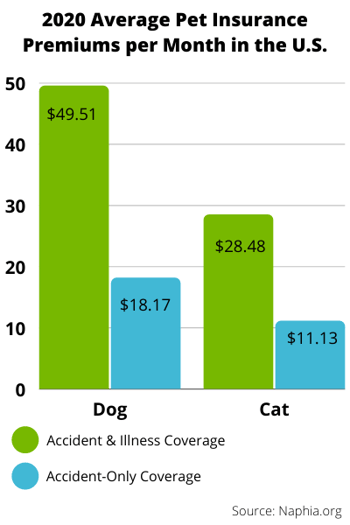
Monthly premiums are the fixed amount you pay to keep your cat’s insurance active. These typically range from $10 to $40 but can be higher for older cats or those with pre-existing conditions.
Think about your cat’s lifestyle and health risks. Are they indoor-only with low risk, or adventurous outdoors explorers? This affects your premium and the value you get.
Deductibles And Co-pays
Deductibles are the amount you pay out-of-pocket before your insurance starts covering expenses. These can be annual or per-incident and usually range from $100 to $500.
Co-pays are the percentage of costs you share after meeting your deductible, often between 10% and 30%. If you visit the vet frequently, lower deductibles and co-pays might save you money in the long run.
Annual Limits And Caps
Most plans set annual limits on how much they will pay for your cat’s care. These caps can range from $5,000 to unlimited coverage, depending on the insurer.
Ask yourself: How much could a serious illness or injury cost? If your plan’s cap is too low, you might face high bills despite having insurance.
Cost Variation By Cat Breed And Age
Cat health insurance costs change based on breed and age. Older cats and certain breeds often have higher premiums. These factors influence how much you pay for coverage.
Understanding the cost of cat health insurance requires considering many factors. Notably, your cat’s breed and age significantly influence premium rates. Different breeds have unique health issues. Age can also affect insurance costs. Let’s explore these aspects further.Breed-specific Risks
Certain cat breeds are prone to specific health problems. For instance, Persian cats often face respiratory issues. Maine Coons might develop heart conditions. These breed-specific risks can increase insurance costs. Insurance companies evaluate the likelihood of health issues. They adjust premiums based on these risks. Purebred cats usually have higher insurance costs. Mixed breeds might have fewer health concerns. This can lead to lower premiums.Age-related Premium Changes
Age plays a crucial role in determining insurance premiums. Kittens typically have lower premiums. They usually have fewer health problems. As cats age, health risks increase. Older cats are more likely to develop chronic conditions. This leads to higher insurance costs. Insurance companies adjust premiums as cats grow older. This helps cover the potential for increased healthcare needs. Starting coverage when your cat is young can be cost-effective.Comparing Top Providers
Choosing the right cat health insurance provider is crucial for both your peace of mind and your wallet. Different companies offer varying prices, coverage plans, and customer experiences. Comparing these factors side by side helps you find a plan that fits your budget while protecting your furry friend effectively.
Price Ranges
Cat health insurance premiums can vary widely, usually ranging from $10 to $40 per month. Factors influencing cost include your cat’s age, breed, and the coverage level you select.
For example, basic accident-only plans might cost around $10 to $15 monthly, while comprehensive coverage with wellness add-ons can push premiums closer to $35 or more.
Are you willing to pay a bit more each month to avoid large unexpected bills later? Understanding these price ranges helps you balance cost against potential risks.
Coverage Options
Top providers typically offer several tiers of coverage. These often include accident-only, accident and illness, and comprehensive plans with wellness care.
Some insurers cover hereditary conditions and alternative therapies, while others exclude these. Check if the policy covers routine vet visits, vaccinations, or dental care if these are important to you.
Think about what your cat needs now and what might be needed as they age. Are you prepared to handle chronic conditions or emergencies without insurance?
Customer Reviews
Customer feedback reveals how insurers handle claims and customer service. High ratings often indicate smooth claim processes and helpful support teams.
Look for reviews mentioning quick reimbursements and clear communication. Negative reviews can highlight issues like denied claims or confusing policies.
Would you prefer a provider praised for transparency, even if it costs a little more? Reading real experiences helps you avoid surprises after signing up.
Ways To Save On Cat Insurance
Saving on cat health insurance doesn’t mean you have to sacrifice coverage. There are smart strategies that can help you lower your costs while still protecting your feline friend. Understanding these ways can make a big difference in your monthly budget and peace of mind.
Discounts And Bundles
Many insurers offer discounts if you insure more than one pet. Bundling your cat’s insurance with your dog’s or other pets can lead to significant savings. Additionally, some companies provide discounts for paying annually instead of monthly.
Ask your provider about any available promotions or loyalty rewards. Sometimes, simply being a member of certain organizations or workplaces can unlock exclusive discounts. Have you checked if your insurer offers such perks?
Choosing The Right Plan
Not every cat needs the most comprehensive plan. Assess your cat’s age, breed, and health to pick a plan that fits their specific needs. A tailored plan can save you money by avoiding unnecessary coverage.
Consider plans with higher deductibles or lower monthly premiums if your cat is generally healthy. This approach reduces your monthly cost but keeps you covered for emergencies. Are you clear on what coverage you truly need?
Healthy Pet Incentives
Some insurance companies reward you for keeping your cat healthy. Regular vet visits, vaccinations, and preventive care can earn you discounts or cashback. These incentives encourage proactive pet care and reduce long-term expenses.
Tracking and documenting your cat’s health routines can qualify you for these savings. Could your regular vet visits be helping you pay less for insurance?

Credit: www.avma.org
When Cat Insurance Is Worth It
Cat health insurance can save money in many situations. It covers costs that may surprise you. Knowing when insurance pays off helps make smart choices. Some cats need it more than others. Understanding common expenses and care needs is key.
Common Medical Expenses
Routine check-ups can add up over time. Vaccinations and flea treatments need regular visits. Dental care also costs money but is often overlooked. Insurance can help cover these expenses. It reduces the cost of maintaining your cat’s health.
Emergency Situations
Accidents and sudden illnesses can be expensive. Emergency vet visits often cost hundreds or thousands. Surgeries and hospital stays add to the bill. Insurance helps manage these unexpected costs. It offers peace of mind during stressful times.
Long-term Care Benefits
Some cats develop chronic diseases as they age. Diabetes, kidney problems, and arthritis require ongoing treatment. Medicines and frequent vet visits cost a lot. Insurance plans often cover long-term care needs. This support helps keep your cat comfortable and healthy.
Alternatives To Insurance
Cat health insurance is not the only way to manage vet bills. Many pet owners explore other options to save money and prepare for unexpected costs. These alternatives can offer flexibility and ease without monthly premiums.
Choosing the right option depends on your budget and your cat’s health needs. Exploring different choices helps you find the best fit for your situation.
Pet Savings Accounts
A pet savings account is a special bank account for vet expenses. You deposit money regularly, building a fund for emergencies or routine care. This option gives control over spending and avoids insurance fees.
Some accounts offer interest, helping your savings grow. Use the money only for your cat’s health needs. This method is simple and saves money directly for pet care.
Care Credit Options
Care Credit is a credit card designed for health expenses, including pets. It allows you to pay vet bills over time with low or no interest. This option helps manage large costs without upfront cash.
Many vets accept Care Credit. You can use it for surgeries, treatments, or check-ups. Just remember to pay the balance on time to avoid fees.
Community Assistance Programs
Some local groups and charities offer help for pet health costs. These programs can cover vaccinations, surgeries, or emergency care. They often serve low-income pet owners or special cases.
Check with animal shelters or vet clinics about available aid. These programs provide relief and support when money is tight.
Credit: www.preventivevet.com
Frequently Asked Questions
What Factors Affect Cat Health Insurance Cost?
Cat health insurance cost depends on age, breed, coverage level, and location. Older cats and certain breeds may cost more. Comprehensive plans with wellness care also increase premiums.
How Much Does Basic Cat Insurance Typically Cost?
Basic cat insurance usually costs between $10 to $30 per month. Prices vary by insurer and coverage options. This plan often covers accidents and illnesses but excludes wellness visits.
Does Cat Insurance Cover Routine Check-ups?
Most cat insurance plans exclude routine check-ups and vaccinations. However, some wellness plans offer coverage for preventive care. Always check policy details before purchasing.
Can Breed Impact Cat Insurance Premiums?
Yes, breed impacts premiums. Purebreds may have higher rates due to genetic health risks. Mixed breeds often have lower premiums as they are less prone to hereditary conditions.
Conclusion
Cat health insurance costs depend on many factors like age, breed, and coverage. Plans can fit different budgets and needs. Choosing the right plan helps avoid big vet bills. Regular check-ups and early care save money in the long run.
Think about your cat’s health and your budget before deciding. Protecting your pet’s health is a smart choice. It gives peace of mind and helps your cat stay happy and healthy. Taking small steps today can prevent costly surprises tomorrow.



Leave a Reply