Have you ever wondered what your cat’s BUN levels say about their health? Understanding these numbers can help you spot potential kidney problems before they become serious.
If you want to keep your furry friend happy and healthy, knowing what BUN means and how it affects your cat is essential. You’ll discover everything you need to know about the health levels of BUN in cats, why it matters, and what steps you can take to protect your pet.
Keep reading—you owe it to your cat to stay informed!
Bun And Its Role In Cats
Blood Urea Nitrogen (BUN) is an important measure in assessing a cat’s health. It helps veterinarians understand how well a cat’s kidneys are working. Kidneys filter waste products from the blood, and BUN reflects the amount of nitrogen in the blood from waste urea.
Monitoring BUN levels can reveal early signs of kidney problems or other health issues. Keeping BUN within a healthy range supports your cat’s overall wellness.
What Bun Measures
BUN measures the amount of nitrogen in the blood. This nitrogen comes from urea, a waste product formed when protein breaks down. The liver produces urea, and kidneys filter it out through urine.
High BUN levels mean kidneys may not be filtering waste well. Low BUN can suggest liver problems or poor nutrition. BUN is one piece of the puzzle in understanding a cat’s health.
How Bun Affects Cat Health
BUN levels can indicate kidney function and other health issues. High BUN may show kidney disease, dehydration, or urinary blockages. Low BUN might point to liver disease or malnutrition.
Regular BUN checks help detect problems early. Early detection allows timely treatment and better care. BUN is a key marker vets use to keep cats healthy.

Credit: www.reddit.com
Normal Bun Ranges In Cats
Blood urea nitrogen (BUN) is a key indicator of kidney function in cats. Monitoring normal BUN ranges helps identify health issues early. Understanding these ranges aids pet owners and vets in assessing a cat’s well-being. BUN levels reveal how well kidneys remove waste from the blood.
Typical Bun Values
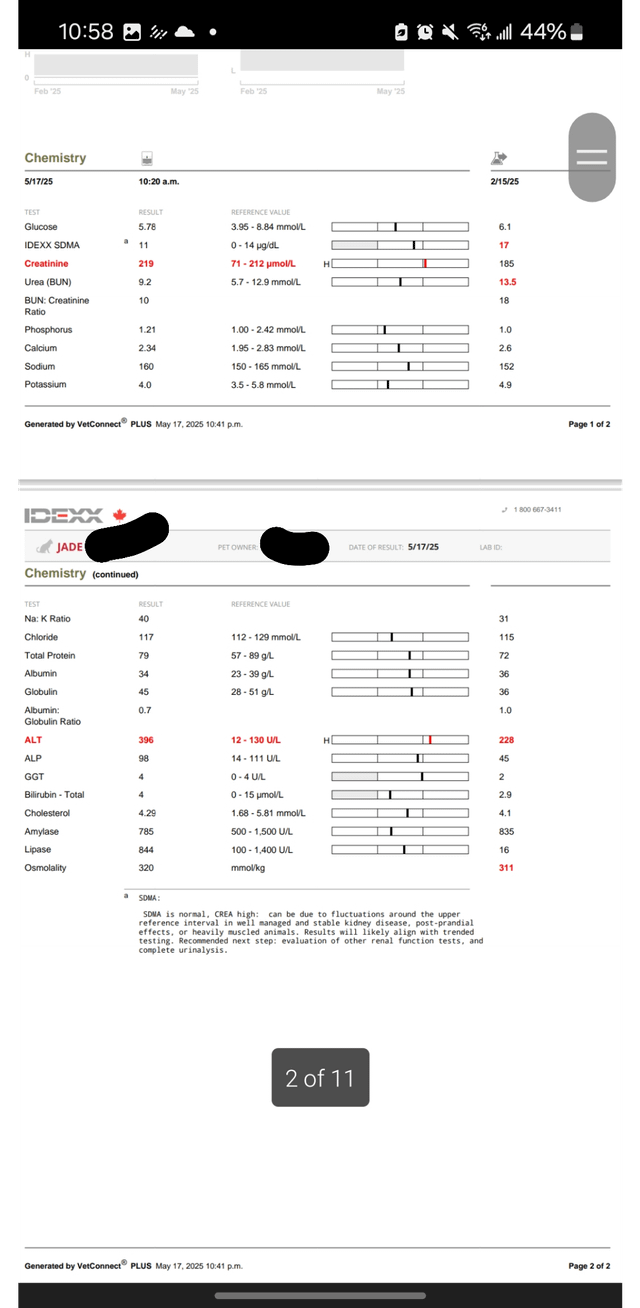
Normal BUN levels in cats usually range between 15 and 30 mg/dL. Values within this range suggest healthy kidney function. Levels below or above may indicate potential health problems. Each lab might have slight variations in their reference ranges.
| BUN Level (mg/dL) | Interpretation |
|---|---|
| 15 – 30 | Normal range for healthy cats |
| Below 15 | Possible liver issues or malnutrition |
| Above 30 | May indicate kidney problems or dehydration |
Factors Influencing Bun Levels
Several factors can affect a cat’s BUN levels. Diet plays a big role; high-protein food can increase BUN. Dehydration often raises BUN because the blood becomes more concentrated. Kidney disease leads to higher BUN due to reduced waste filtering.
Other causes include bleeding in the digestive tract and certain medications. Stress and illness may temporarily alter BUN levels too. Regular testing helps track changes and keeps cats healthy.
High Bun Levels And Causes
When your feline friend has high Blood Urea Nitrogen (BUN) levels, it’s a signal that something might be amiss in their little bodies. BUN is a waste product that the kidneys usually flush out. Elevated levels can indicate underlying health issues that require attention.
Kidney Issues
Kidneys play a crucial role in filtering out waste from the bloodstream. When they aren’t functioning properly, BUN levels can rise. This is often a sign of chronic kidney disease (CKD), a common ailment in older cats.
If you’ve noticed your cat drinking more water or urinating frequently, it might be time for a vet visit. Early detection and treatment can make a world of difference. Have you ever wondered if your cat’s behavior is signaling kidney problems?
Dehydration And Other Factors
Dehydration can also cause high BUN levels. Cats, especially those on dry food diets, may not drink enough water, leading to concentrated urine and higher BUN.
Moreover, factors like stress, medications, or a high-protein diet can also play a role. It’s essential to ensure your cat has access to fresh water at all times. Could adjusting their diet or water intake help maintain healthy BUN levels?
Observing your cat’s daily habits is key to catching these issues early. Regular vet check-ups can provide peace of mind and keep your furry friend in top shape. What steps can you take today to ensure your cat’s well-being?
Low Bun Levels And Implications
Low BUN (Blood Urea Nitrogen) levels in cats can signal underlying health issues that require your attention. Understanding what these low levels mean helps you take timely action to protect your cat’s well-being. Let’s look at some common causes of low BUN and their implications for your feline friend.
Liver Disease
The liver plays a key role in producing urea, which affects BUN levels. If your cat’s liver isn’t working properly, BUN levels may drop. This can happen with conditions like hepatitis, liver tumors, or liver failure.
Signs of liver disease might be subtle at first, such as loss of appetite or lethargy. You might notice yellowing of the skin or eyes (jaundice) as the disease progresses. If your cat shows these symptoms alongside low BUN, it’s important to consult your vet immediately.
Malnutrition And Overhydration
Malnutrition reduces protein intake, which directly lowers BUN levels. If your cat isn’t eating enough or has a poor diet, BUN can drop. This is common in cats with dental problems or chronic illness that affects appetite.
Overhydration, or excessive fluid intake, can also dilute BUN in the blood. If your cat drinks too much water or receives too many fluids intravenously, BUN readings might appear lower than normal. Have you ever noticed your cat drinking more water than usual? This could be a warning sign worth discussing with your vet.
Keeping track of your cat’s eating habits and water intake can help you spot problems early. If you see any changes, especially alongside low BUN levels, don’t hesitate to seek veterinary advice.
Symptoms Linked To Abnormal Bun
Abnormal BUN levels in cats can signal health issues. These symptoms help identify problems early. Observing changes in your cat’s behavior or appearance is crucial. Recognizing symptoms linked to abnormal BUN supports timely veterinary care.
Signs Of Kidney Problems
- Increased thirst and frequent urination
- Loss of appetite or sudden weight loss
- Vomiting and nausea
- Lethargy or weakness
- Bad breath with a chemical odor
- Dehydration and dry gums
These signs often point to kidney stress or failure. Kidneys regulate BUN levels by filtering waste. When kidneys fail, BUN rises in the blood. Early signs help prevent serious damage.
Other Health Indicators
- High blood pressure
- Changes in behavior or mood
- Swelling in the limbs or abdomen
- Difficulty breathing
- Pale or yellowish gums
Some symptoms may relate to liver or heart issues. BUN levels also reflect dehydration or protein imbalance. Monitoring these signs is vital for overall cat health.
Testing And Monitoring Bun
Monitoring the blood urea nitrogen (BUN) levels in cats helps assess kidney function and overall health. Regular testing can detect early signs of kidney issues or dehydration. Keeping track of BUN levels supports timely veterinary care and improves your cat’s well-being.
Blood Test Procedures
Testing BUN requires a simple blood sample from your cat. A veterinarian or technician draws blood from a vein, usually in the leg or neck. The sample is sent to a lab for analysis. Results show the concentration of urea nitrogen in the blood.
This test is quick and causes minimal stress to your cat. Proper preparation, like fasting, may be recommended before testing. Your vet will explain any necessary steps to ensure accurate results.
Frequency Of Testing
How often BUN levels are tested depends on your cat’s health status. Healthy cats may need testing only during annual check-ups. Cats with kidney problems or chronic illness require more frequent monitoring.
Regular tests help track changes and adjust treatment plans. Your vet will advise the best schedule based on your cat’s age, health, and symptoms. Early detection through routine testing can prevent serious complications.
Managing Abnormal Bun Levels
Managing abnormal BUN (Blood Urea Nitrogen) levels in your cat is essential to maintain their overall health and prevent complications. Elevated or low BUN values often signal underlying issues such as kidney problems or dehydration. Taking timely and effective steps can help restore balance and improve your cat’s well-being.
Dietary Adjustments
Your cat’s diet plays a crucial role in managing BUN levels. Reducing protein intake can help lower high BUN, as excess protein breaks down into nitrogen waste filtered by the kidneys.
Consider foods formulated for kidney health, which are typically low in protein and phosphorus. Adding plenty of fresh water encourages proper hydration, supporting kidney function and preventing BUN buildup.
Have you noticed how small changes in your cat’s diet can impact their energy and overall mood? Keep an eye on how your feline responds to new food choices and adjust accordingly.
Veterinary Treatments
Abnormal BUN levels often require professional veterinary care. Your vet might recommend blood tests and urine analysis to pinpoint the cause and severity of the issue.
Treatment can include medications to support kidney function or manage underlying diseases. In severe cases, fluid therapy or hospitalization might be necessary to stabilize your cat’s condition.
Don’t hesitate to ask your vet about the best course of action tailored specifically to your cat’s needs. Early intervention can make a significant difference in outcomes.

Credit: www.mdpi.com
Preventing Bun Level Issues
Keeping your cat’s BUN (Blood Urea Nitrogen) levels in check is crucial for their overall kidney health. High BUN levels often signal kidney stress or dehydration, which can escalate if not addressed early. Preventing these issues means paying close attention to daily habits and regular care routines.
Hydration Tips
Water is your cat’s best friend when it comes to maintaining healthy BUN levels. Cats naturally drink less water than dogs, so encouraging hydration can be a challenge.
- Provide fresh water in multiple locations around your home.
- Try a pet water fountain to stimulate your cat’s interest in drinking.
- Add wet food to their diet—this boosts fluid intake naturally.
- Mix a little water into dry food to increase moisture content.
Have you noticed your cat avoiding water bowls? Changing the bowl’s material or location might make a difference. Cats can be surprisingly picky, but small changes can lead to better hydration and healthier kidneys.
Regular Health Checkups
Routine vet visits are essential to catch BUN level changes before they become serious. Blood tests provide a clear picture of your cat’s kidney function and overall health.
- Schedule checkups at least once a year, or more frequently if your cat is older or has health issues.
- Discuss any behavior changes, such as increased thirst or lethargy, with your vet immediately.
- Keep a record of your cat’s BUN levels over time to spot trends.
Imagine spotting a problem early enough to prevent kidney damage. That’s the power of regular health checkups. How often do you take your cat to the vet for blood work? Making it a priority could save your cat from serious health complications down the road.

Credit: justcatsclinic.com
Frequently Asked Questions
What Is Bun And Its Normal Range In Cats?
BUN stands for Blood Urea Nitrogen. It measures kidney function. Normal BUN levels in cats range from 16 to 36 mg/dL. Values outside this range may indicate kidney problems or dehydration.
Why Are Bun Levels Important For Cat Health?
BUN levels help assess kidney health and protein metabolism. Elevated BUN can signal kidney disease, dehydration, or high protein intake. Low BUN may indicate liver issues or malnutrition.
How Often Should Bun Levels Be Checked In Cats?
Routine BUN testing is recommended annually for healthy cats. For cats with kidney disease or chronic illness, vets may suggest more frequent checks. Regular monitoring helps detect kidney issues early.
What Causes High Bun Levels In Cats?
High BUN levels often result from kidney disease, dehydration, urinary obstruction, or high-protein diets. It may also indicate gastrointestinal bleeding or heart failure. Immediate veterinary evaluation is advised if levels rise.
Conclusion
Understanding your cat’s BUN levels helps keep them healthy. These levels show how well their kidneys work. Regular checks catch problems early. Balanced BUN means good kidney function. Changes in BUN need attention from a vet. Simple tests give useful health clues.
Healthy cats live longer and feel better. Care and watchfulness make a big difference. Keep your cat’s health a top priority. Small actions protect your furry friend’s life.


Leave a Reply