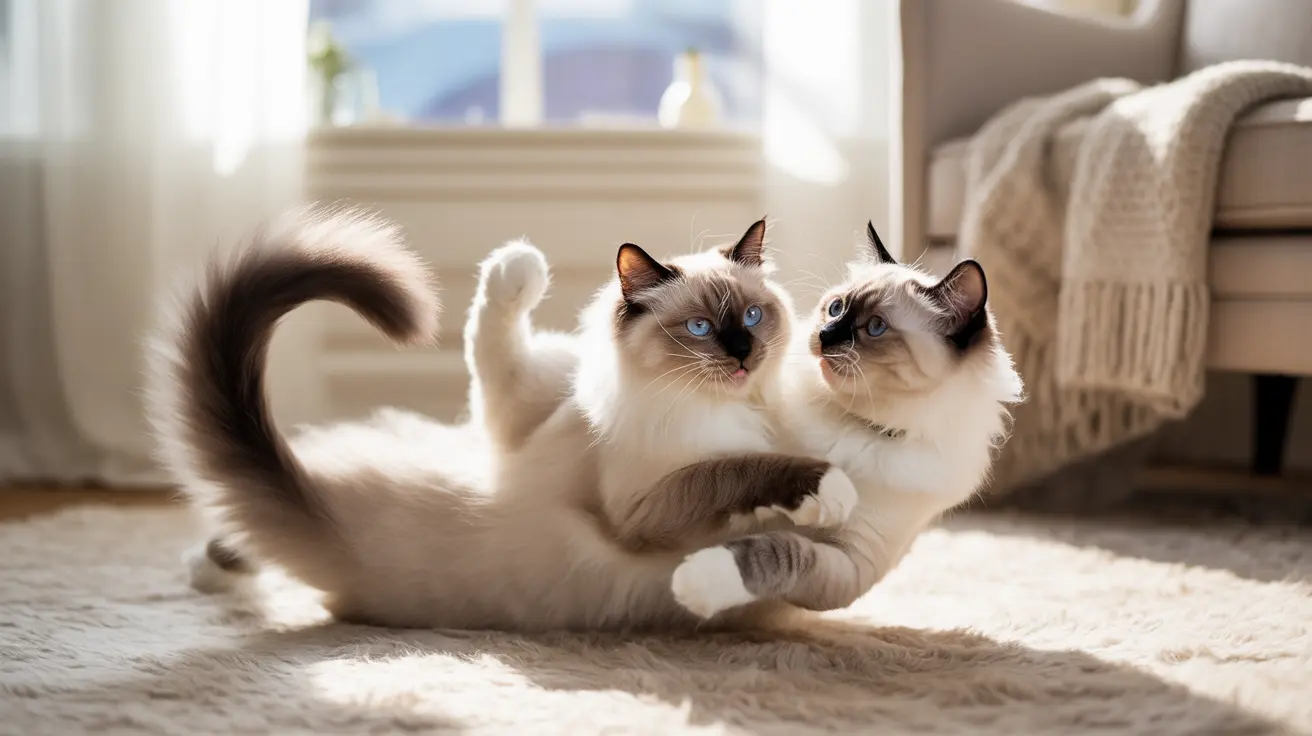
Have you ever watched your cats grooming each other and wondered why it sometimes looks more like a battle than a bonding moment? You’re not alone.
When your furry friends aggressively groom each other, it can be confusing and even a little worrying. But there’s more to this behavior than meets the eye. Understanding why your cats act this way can help you keep them happy and healthy.
Keep reading to uncover the surprising reasons behind aggressive grooming and what it means for your cats’ relationship.

Credit: www.youtube.com
Social Bonding Through Grooming
Cats groom each other not just to stay clean. Grooming is a key way they build social bonds. This behavior helps cats feel safe and connected. It often looks intense or aggressive but has a positive purpose. Through grooming, cats share trust and comfort. It is a powerful tool for their social life.
Strengthening Relationships
Grooming lets cats show care and affection. It helps reduce stress and calm them down. Cats that groom together tend to have stronger friendships. They spend time cleaning each other’s fur gently. This act builds trust and closeness between cats. It also helps avoid fights and tension.
Establishing Hierarchy
Grooming can also show social rank in a group. Higher-ranking cats often groom lower-ranking ones more. This shows control and leadership without fighting. Lower-ranking cats accept this as part of the group order. Grooming patterns help keep peace and order among cats. It is a quiet way to show who is in charge.

Credit: catgroomerla.com
Stress And Anxiety Signals
When your cats aggressively groom each other, it’s often a sign they’re dealing with stress or anxiety. Grooming usually strengthens bonds, but intense or rough grooming can be a way for cats to cope with tension. Understanding these stress signals helps you create a calmer environment for your pets.
Grooming As A Comfort Mechanism
Cats use grooming to soothe themselves and their companions. When stressed, they may groom more aggressively to release nervous energy. This behavior works like a natural stress ball, helping them feel more secure.
I once noticed my cats grooming each other almost obsessively during a loud thunderstorm. Their aggressive licking seemed like an attempt to calm down, showing me how grooming acts as a self-soothing tool during anxiety.
If you see your cats grooming each other more than usual, it could mean they’re trying to comfort themselves or each other. Pay attention to any changes in their environment that might cause stress, such as new pets, visitors, or loud noises.
Signs Of Tension In Grooming
Not all grooming is gentle and loving. Aggressive grooming often includes:
- Rapid, rough licking
- Nibbling or biting skin
- One cat trying to escape the grooming session
- Growling or hissing during grooming
These signs suggest the grooming is less about affection and more about tension release or dominance struggles. Have you noticed your cat’s body language stiffen or ears flatten during grooming? That’s a red flag.
Observing these behaviors can help you intervene early. Offering separate quiet spaces or calming aids might reduce their stress and prevent aggressive grooming from escalating into fights.
Territorial Behavior And Dominance
Cats groom each other to show dominance and mark their territory. Aggressive grooming can happen when one cat tries to control or assert power over another. This behavior helps maintain social order within their group.
Understanding why cats aggressively groom each other can often be tied back to their instinctual behaviors. Cats are territorial creatures by nature, and grooming can be a reflection of this innate drive. This behavior can also be a display of dominance, helping them establish social hierarchies and maintain order within their feline group.Marking Territory
Cats have scent glands located around their bodies, including their faces and paws. When they groom each other, they are not just cleaning; they are also spreading their scent. This scent marking is a way to claim ownership and mark their territory. Imagine your home as a shared kingdom for your cats. Grooming helps them establish a shared scent, creating a sense of belonging and unity. If you’ve ever noticed one cat grooming another more frequently, it might be their way of laying claim to that particular feline friend.Dominance Displays
In multi-cat households, grooming can often be a subtle form of asserting dominance. The cat doing most of the grooming is usually the one in charge. This can be particularly noticeable if one cat always initiates grooming sessions and stops when they please. Have you seen one cat abruptly halt a grooming session with a swift swipe or bite? This action can be a clear sign of dominance. It’s their way of saying, “I decide when grooming starts and ends.” Understanding these behaviors can help you better interpret your cats’ social dynamics. Are your cats grooming each other aggressively or harmoniously? This insight can provide a deeper understanding of their relationships and how they view each other within your home.Health Issues Triggering Aggression
Aggressive grooming between cats can signal more than just social tension. Health problems often play a key role. Cats may act aggressively due to discomfort or pain during grooming sessions. Understanding these health triggers helps prevent harm and improves their bond.
Pain-induced Aggression
Pain can make cats snap at each other during grooming. Injuries or arthritis cause sensitivity to touch. Grooming may hurt sore areas, triggering defensive behavior. Cats may bite or scratch to protect painful spots. This aggression is a way to avoid more pain, not a sign of dislike.
Skin Problems And Sensitivity
Skin conditions like allergies or infections cause irritation. Grooming over these areas feels uncomfortable or painful. Cats may react aggressively to stop grooming in painful spots. Parasites such as fleas also create intense itching. This leads to aggressive grooming as cats try to relieve discomfort.
Miscommunication Between Cats
Cats use grooming to show care and build bonds. Sometimes, grooming turns rough. This often happens because cats do not understand each other well. Miscommunication between cats can cause aggressive grooming. They might mean to be gentle but end up hurting each other. Understanding why this happens helps keep peace at home.
Overstimulation During Grooming
Grooming feels good to cats but can become too much. Some cats get excited or tense after a few minutes. Their skin becomes sensitive. Then, a gentle lick might feel like a scratch. This causes sudden biting or clawing. Overstimulation makes a friendly act turn into aggression quickly.
Signs of overstimulation include:
- Tail twitching
- Flattened ears
- Sudden quick movements
Watching these signs helps owners stop grooming before it turns aggressive.
Body Language Misreads
Cats speak mostly with body language. Small changes show feelings. Sometimes one cat misses these signs. A relaxed posture might seem like an invitation to groom more. But it could mean “stop.” Misreading signals causes frustration and bites. Each cat has a unique way of showing comfort or stress.
Common body language misreads include:
- Slow blinking mistaken for fear
- Tail flicks seen as play invitations
- Whisker position ignored
Understanding cat body language reduces grooming fights and builds trust.
Preventing Aggressive Grooming
Aggressive grooming between cats can cause stress and injuries. Preventing this behavior helps keep your cats happy and healthy. Understanding how to create peaceful environments and reduce tension is key. Small changes at home can make a big difference.
Creating Safe Spaces
Cats need places where they feel secure. Providing multiple hiding spots reduces competition. Use cozy beds, cat trees, or boxes. Place these in quiet areas away from loud noises.
Separate feeding and water stations help avoid fights. Space litter boxes apart to prevent conflict. When cats have their own zones, they groom more calmly. Observing your cats’ favorite spots can guide you to add safe areas.
Managing Stress Levels
Stress often triggers aggressive grooming. Keep a calm routine to ease anxiety. Avoid sudden changes in the home environment. Loud noises, new pets, or visitors can increase stress.
Interactive play sessions help release built-up energy. Use toys to engage your cats daily. Pheromone diffusers also create a soothing atmosphere. Regular vet check-ups ensure no health problems cause stress.
When To Seek Veterinary Help
Aggressive grooming between cats can sometimes signal a problem. Knowing when to seek veterinary help is important. Early action can prevent health issues from worsening. Watch for changes in behavior or appearance that worry you. Your vet can provide guidance and treatment to keep your cats healthy.
Recognizing Serious Issues
Look for signs like:
- Open wounds or raw skin from grooming
- Hair loss or bald patches
- Swelling or redness on the skin
- Changes in appetite or energy levels
- Hiding or avoiding other cats
- Excessive scratching or licking
These symptoms may indicate infections, allergies, or stress. Aggressive grooming can cause pain or skin damage. Your vet can diagnose the underlying cause. Early detection leads to better outcomes.
Treatment Options
Veterinary treatments vary based on the cause. Options include:
- Medications to reduce itching or inflammation
- Antibiotics for infections
- Behavioral advice to reduce stress
- Special shampoos or topical treatments
- Diet changes for allergies
Follow your vet’s instructions carefully. Treatment can stop aggressive grooming and heal the skin. Regular check-ups help monitor progress and prevent recurrence.
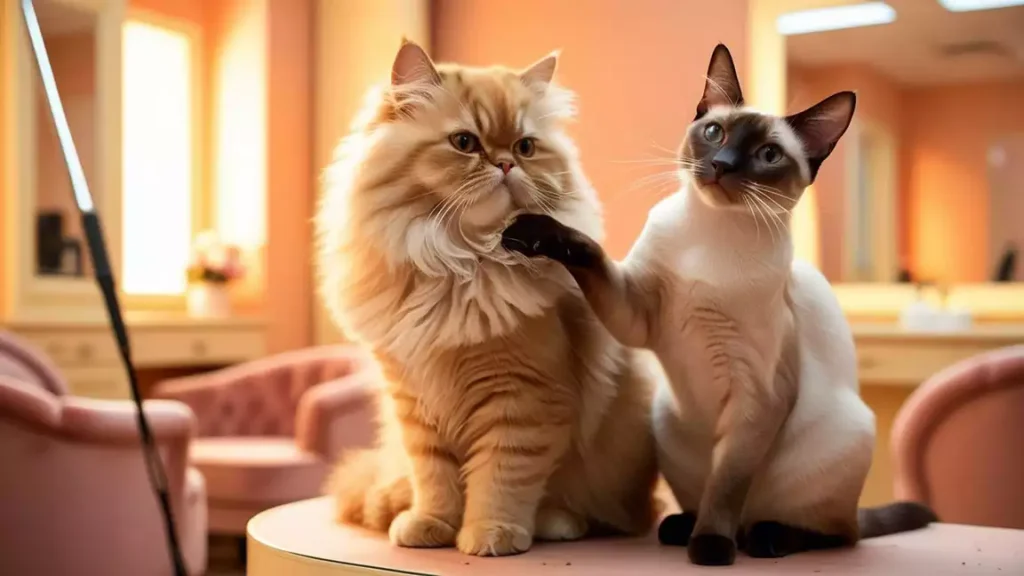
Credit: catgroomerla.com
Frequently Asked Questions
Why Do Cats Groom Each Other Aggressively?
Cats may groom aggressively to establish dominance or set boundaries. It can also be a sign of stress or discomfort. Observing their body language helps determine if it’s playful or aggressive behavior. Understanding the context ensures better management of their interactions.
Is Aggressive Grooming Normal Cat Behavior?
Aggressive grooming is not typical but can occur in multi-cat households. It usually indicates tension or social hierarchy issues. If persistent, it may require intervention to prevent fights. Providing separate spaces and monitoring their interactions helps maintain harmony.
Can Aggressive Grooming Hurt My Cats?
Yes, aggressive grooming can cause skin irritation or injury. It may lead to hair loss or wounds if unchecked. Immediate action helps prevent health problems. Consult a vet if your cats show signs of distress or physical damage.
How Can I Stop Cats From Grooming Aggressively?
To reduce aggressive grooming, provide enough resources like food and litter boxes. Increase playtime and reduce stress with enrichment. Separate cats temporarily if needed. Consult a vet or behaviorist for persistent issues. Consistency and patience are key to improvement.
Conclusion
Cats groom each other to build trust and keep clean. Sometimes, grooming feels rough or like a fight. This shows their way to set limits or express stress. Watch their body language to understand their mood. Give them space if grooming turns too intense.
Gentle grooming means friendship and care between cats. Knowing why they groom helps you keep them happy. Pay attention and enjoy their unique ways of bonding.

Leave a Reply