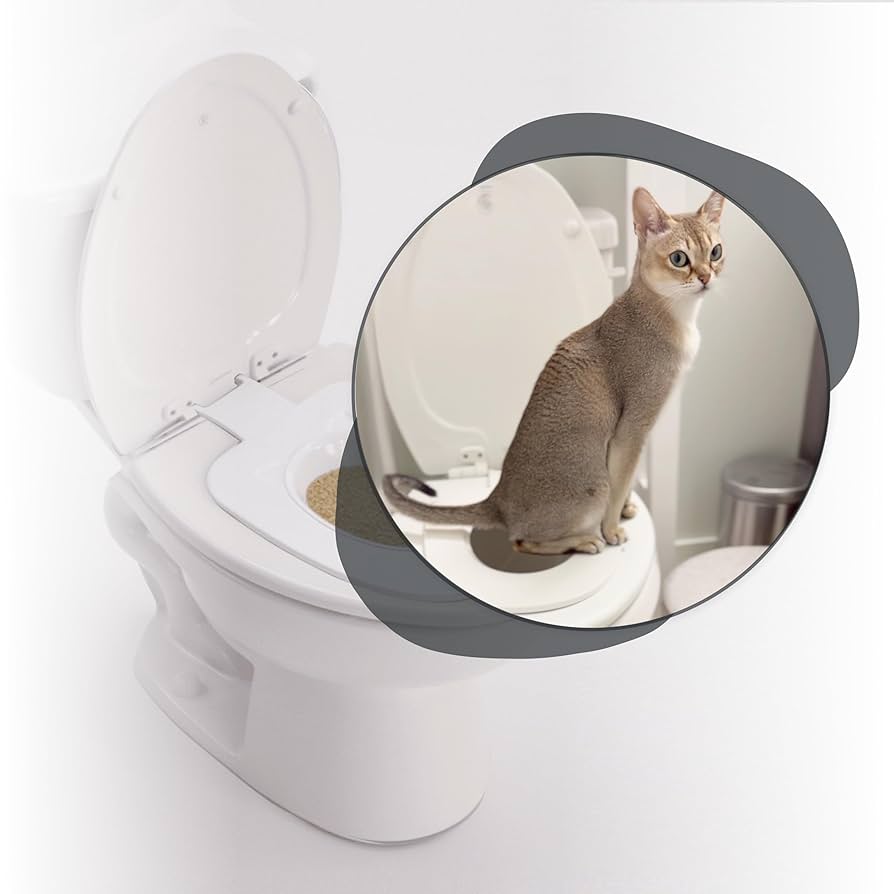
Have you ever wondered if you can re potty train your cat? Maybe your feline friend has started missing the litter box, or you’ve moved to a new home and want a fresh start.
It can be frustrating when your cat’s bathroom habits change, but the good news is that re potty training is possible. You’ll discover simple, effective tips that can help you guide your cat back to good litter box habits. Keep reading, and you’ll learn how to make this process easier for both you and your furry companion.
Signs Your Cat Needs Re Potty Training
Knowing when your cat needs re potty training helps keep your home clean and your pet happy. Cats may stop using the litter box for several reasons. Spotting early signs can save time and stress. Watch for behavior changes, litter box issues, and health concerns.
Changes In Behavior
Your cat might act restless or hide more than usual. It may meow loudly or scratch furniture. These signs suggest discomfort or confusion about where to go. A sudden dislike of the litter box can signal the need for retraining.
Litter Box Issues
Look for accidents outside the box or digging in odd places. A cat avoiding the box or using it less often needs attention. The litter may be too dirty, or the box location might be a problem. These issues often lead to re potty training.
Health Concerns
Urinary tract infections or other illnesses affect litter habits. Straining or frequent trips to the litter box can mean pain. Changes in urine color or smell also need a vet check. Health problems can cause litter box avoidance and require retraining.

Credit: www.walmart.com
Choosing The Right Litter Box
Choosing the right litter box plays a big role in successfully re-potty training a cat. Cats prefer comfort and privacy when using their litter box. The right box should suit your cat’s size and habits. It also needs to be easy to clean. Picking the wrong box can cause accidents or refusal to use it. Think about your cat’s needs and your home space before buying.
Types Of Litter Boxes
- Open litter boxes: Simple and easy to access. Good for shy cats.
- Covered litter boxes: Offer privacy and reduce odor. Some cats dislike feeling trapped.
- Self-cleaning litter boxes: Save time but may confuse some cats.
- Top-entry litter boxes: Help control litter scatter but may be hard for older cats.
- Disposable litter boxes: Convenient for travel or temporary use.
Placement Tips
Place the litter box in a quiet, low-traffic area. Avoid noisy spots near appliances. Keep the box away from your cat’s food and water. Make sure the location is easy for your cat to reach. Multiple boxes may be needed if you have many cats or a large home.
Cleaning Essentials
Clean the litter box daily to keep it fresh. Scoop out waste and clumps every day. Wash the box with mild soap once a week. Avoid strong-smelling cleaners that can scare cats. Use unscented, clumping litter for best results. A clean box encourages your cat to use it consistently.
Selecting The Best Litter
Choosing the right litter is a crucial step in successfully re-potty training your cat. Cats can be particular creatures, and their preferences can greatly influence their willingness to use the litter box. Understanding their needs can help you select a litter that encourages regular use, ensuring your re-potty training efforts are successful.
Texture And Scent Preferences
Cats have sensitive paws, and the texture of the litter can be a deal-breaker. Some cats prefer finer textures that feel softer under their paws, while others might lean towards coarser options. Consider testing a few different types to see which your cat prefers. Scent is another critical factor; some cats are repelled by strong fragrances. Opt for unscented or mildly scented litters to avoid deterring your feline friend.
Clumping Vs Non-clumping
Clumping litter is popular for a reason. It makes cleaning easier by forming solid clumps around waste, which can be easily removed. This can be especially helpful if your cat is finicky about a clean box. Non-clumping litter, on the other hand, absorbs moisture but doesn’t form clumps. It may require more frequent changes, but some cats prefer its texture. Evaluate your cleaning preferences and your cat’s behavior to decide which type suits your situation best.
Safe Materials
Ensuring the litter you choose is safe is paramount. Many conventional litters are made from clay, but natural options like corn, wheat, or paper can be gentler on your cat’s system if ingested. Check for dust levels, as high-dust litters can lead to respiratory issues. Prioritizing safety in your litter choice supports your cat’s health and enhances the re-potty training process.

Credit: raleighncvet.com
Step-by-step Re Potty Training Process
Re potty training a cat takes patience and clear steps. Cats can learn new habits with the right approach. The process involves creating the right space, gently guiding your cat, and managing mistakes carefully. Success comes from consistency and understanding your cat’s needs.
Setting Up The Environment
Choose a quiet and accessible spot for the litter box. Make sure the box is large enough for your cat to move comfortably. Use the same litter type your cat prefers to avoid confusion. Keep the area clean to encourage regular use. Place the box away from food and water bowls.
Encouraging Use
Show your cat the new litter box location often. Gently place them inside after meals and naps. Praise your cat softly when they use the box correctly. Use treats or playtime as a reward to build positive habits. Avoid forcing or scolding to keep trust strong.
Handling Accidents
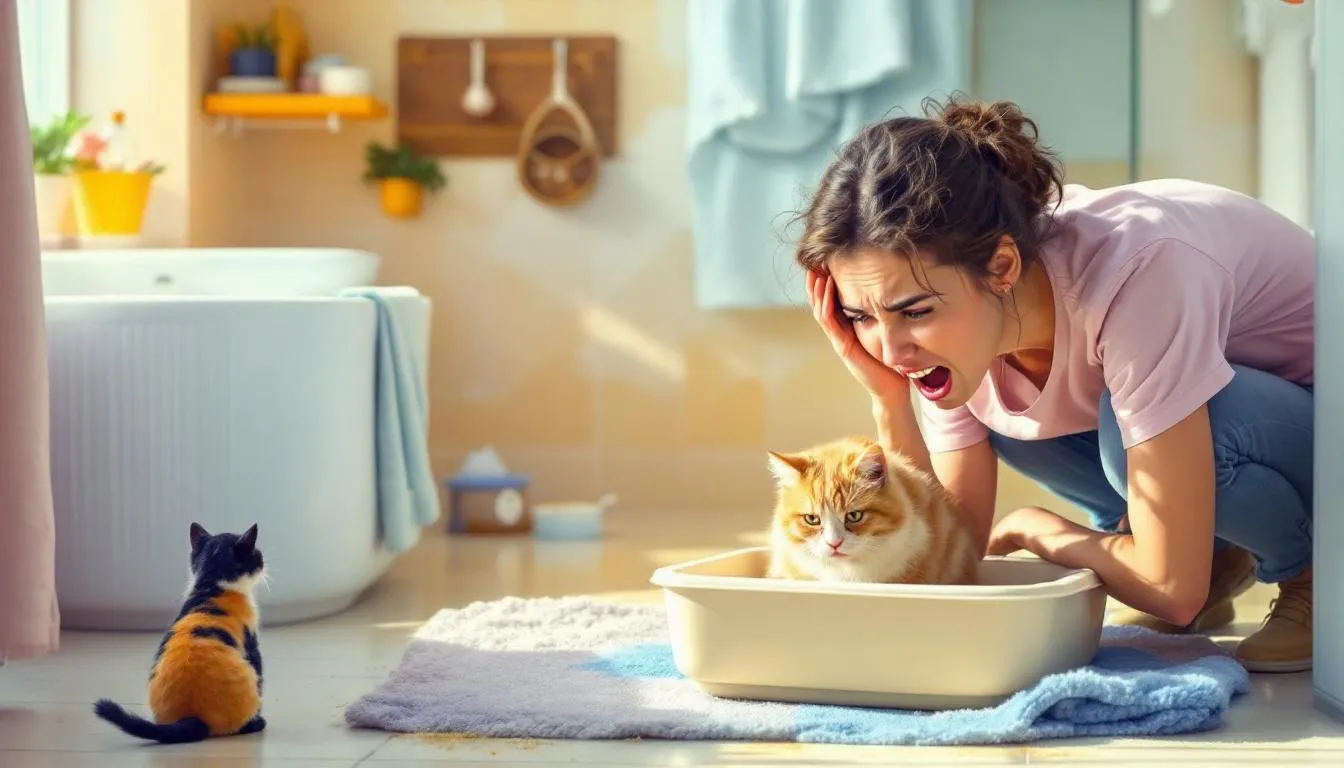
Clean accidents quickly with an enzyme cleaner to remove odors. Avoid using ammonia-based products that may attract repeat accidents. Do not punish your cat, as it can cause fear. Instead, watch for signs your cat needs the box. Adjust the setup if accidents happen repeatedly.
Addressing Common Challenges
Changing a cat’s bathroom habits isn’t always smooth sailing. You might face hurdles that test your patience and creativity. Understanding these common challenges can help you stay on track and improve your chances of success.
Dealing With Fear Or Anxiety
Fear or anxiety can make a cat resist using a new litter box or toilet setup. Cats are creatures of habit, and sudden changes can trigger stress.
Try to create a calm, quiet environment around the potty area. Use pheromone sprays or calming diffusers to ease their nerves. Have you noticed your cat hiding or avoiding certain rooms? That could be a sign of anxiety that needs addressing before retraining.
Managing Multi-cat Households
In homes with multiple cats, competition or territorial behavior complicates potty training. Some cats won’t share a litter box or may block others from accessing the toilet.
Provide one litter box per cat plus an extra to reduce conflicts. Place boxes in different quiet spots to give each cat privacy. Have you observed any “litter box bullying”? Watching their interactions closely can reveal who needs more space or encouragement.
Overcoming Stubborn Habits
Cats can develop strong preferences and habits that resist change. Even if you’ve seen progress, a stubborn cat might suddenly revert to old behaviors.
Consistency is key—stick to the routine and reward positive steps immediately. Small setbacks don’t mean failure; they’re part of the learning curve. What motivates your cat the most—treats, praise, or play? Use that to keep them engaged and willing to try again.

Credit: raleighncvet.com
When To Consult A Veterinarian
Re-potty training a cat can be challenging. Sometimes, unusual potty habits signal health or behavioral problems. Knowing when to consult a veterinarian can save time and help your cat feel better. Early advice from a vet ensures the right care and training approach.
Medical Issues Affecting Potty Habits
Illnesses can change a cat’s bathroom behavior. Urinary tract infections, kidney problems, or bladder stones cause discomfort. Cats may avoid the litter box due to pain. A vet exam can detect these issues fast. Treating medical problems often restores normal potty habits.
Behavioral Consultations
Stress and anxiety affect many cats. Changes in the home or new pets can trigger accidents. A veterinarian can suggest ways to reduce stress. They may recommend behavior specialists. Understanding your cat’s feelings helps solve potty problems.
Professional Training Help
Some cats need extra help beyond home training. Veterinarians can guide you to professional trainers. Trainers use gentle, effective methods to teach proper potty use. Experts can offer personalized advice for your cat’s needs. This support improves success in re-potty training.
Frequently Asked Questions
Can You Re Potty Train An Adult Cat?
Yes, adult cats can be re potty trained with patience and consistency. Use positive reinforcement and ensure the litter box is clean and accessible.
How Long Does Re Potty Training A Cat Take?
Re potty training duration varies but usually takes 2 to 4 weeks. Consistent routines and gentle encouragement speed up the process.
What Causes A Cat To Stop Using The Litter Box?
Cats may avoid the litter box due to stress, illness, or dirty litter. Identifying the cause helps in effective re training.
Should I Change The Litter Type During Re Training?
Changing litter type can help if your cat dislikes the current one. Use unscented, clumping litter to encourage use.
Conclusion
Repotty training a cat takes time and patience. Cats can learn new habits with gentle guidance. Consistency is key to helping your cat succeed. Small steps lead to big changes over time. Watch your cat’s progress and adjust as needed.
Remember, every cat is different and learns at its own pace. Stay calm and positive throughout the process. With care, your cat can adapt to new routines. Potty training is possible, but it requires effort and love.

Leave a Reply