
Is your cat suddenly forgetting its litter box habits? You’re not alone, and it can be frustrating.
But don’t worry—re potty training your cat is easier than you think. Imagine your home free from unwanted messes and your cat happily using the litter box again. In this guide, you’ll discover simple, effective steps to help your furry friend get back on track quickly.
Keep reading, and you’ll learn how to turn this challenge into a smooth success—for both you and your cat.

Credit: www.cruceroclick.com
Signs Your Cat Needs Retraining
Noticing changes in your cat’s bathroom routine can be frustrating and confusing. But these shifts are clear signs your cat might need retraining. Understanding these signals early helps you address the issue before it becomes a bigger problem.
Changes In Litter Box Habits
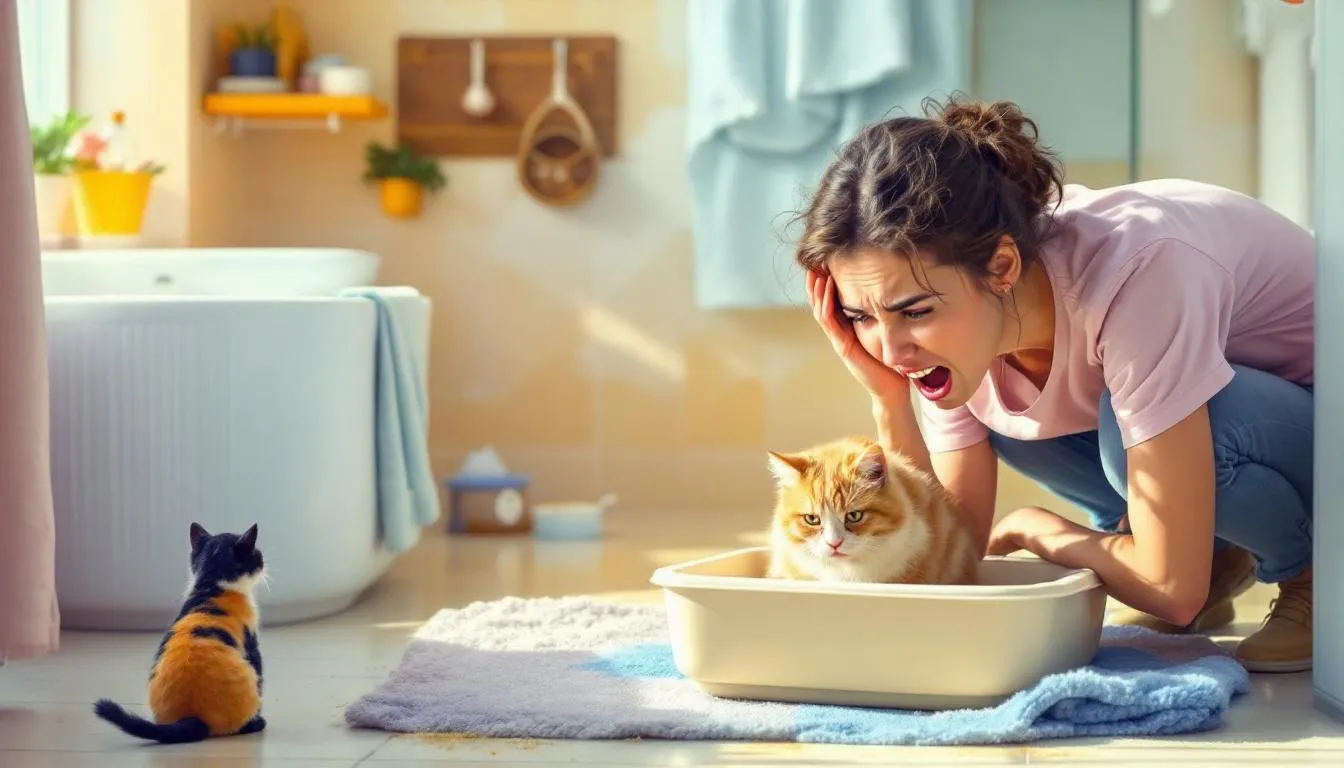
Is your cat suddenly avoiding the litter box or using it less often? You might find accidents in unusual spots like carpets, corners, or even on your bed. These are strong indicators that your cat is struggling with their current bathroom habits.
Sometimes, your cat may scratch around the box more than usual or dig frantically. This behavior can mean discomfort or stress linked to the litter box. Have you noticed if your cat is spending more or less time inside the box than before?
Watch for signs like:
- Frequent trips to the box without actually urinating or defecating
- Choosing a different spot in the house to relieve themselves
- Avoiding the box during certain times of the day
Common Causes For Regression
Many factors cause a cat to regress in their litter box training. Changes in the home environment, such as new pets or loud noises, often stress cats and trigger this behavior.
Health issues also play a big role. Urinary tract infections, arthritis, or digestive problems can make using the box painful or uncomfortable. Have you ruled out medical problems with a vet checkup?
Other causes include:
- Dirty or smelly litter boxes
- Using new types of litter your cat dislikes
- Changes in the box’s location
- Not having enough litter boxes for multiple cats
Identifying the root cause helps you create a retraining plan that fits your cat’s specific needs. What small changes in your cat’s routine or environment might be affecting their bathroom habits?

Credit: raleighncvet.com
Choosing The Right Litter Box
Choosing the right litter box is a crucial step when re-potty training your cat. The right box can make the difference between success and frustration. It affects your cat’s comfort, willingness to use it, and your ability to keep the area clean.
Box Size And Type
Your cat needs enough room to turn around and dig comfortably. Smaller boxes can feel cramped and discourage use. Larger boxes often work better, especially for bigger cats or multiple-cat households.
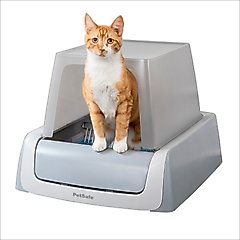
Consider the type of litter box too. Covered boxes offer privacy but can trap odors, which some cats dislike. Open boxes provide ventilation but may cause litter scatter. I once switched to a larger, uncovered box for my shy cat, and it made a huge difference in her litter habits.
Think about your cat’s age and mobility. Older cats might prefer lower sides for easy access. Kittens may need smaller, shallow boxes initially.
Location Matters
Where you place the litter box can change your cat’s behavior dramatically. Cats prefer quiet, low-traffic areas that feel safe. Avoid placing the box near loud appliances or busy hallways.
Make sure the spot is easy for your cat to reach at any time. If the box is too far or blocked by obstacles, your cat may avoid it. I once moved the litter box closer to my cat’s favorite resting spot, and she started using it consistently again.
Also, avoid placing the box near your cat’s food and water. Cats like their eating and bathroom areas separate. Have you noticed your cat’s favorite quiet corner? That might be the perfect place for the litter box.
Selecting The Best Litter
Choosing the right litter helps your cat feel comfortable and encourages good bathroom habits. Soft, unscented litter often works best for re-potty training. Clean litter boxes regularly to keep your cat happy and willing to use them.
Re-potty training your cat can be a rewarding journey, but it starts with selecting the right litter. The litter you choose can significantly impact your cat’s willingness to use the litter box. Cats can be quite particular, and their preferences can vary widely, making the selection process both crucial and challenging.Texture And Scent Preferences
Cats are tactile creatures, so the texture of the litter matters. Some cats prefer fine, sandy textures that mimic soil, while others might like larger granules. Experiment with different textures to see which one your cat prefers. Scent can also play a role. While you might like a fresh scent, your cat might not. Cats typically prefer unscented litter as they have a more sensitive sense of smell. Overpowering scents could deter them from using the litter box.Avoiding Irritants
It’s vital to choose a litter that doesn’t contain irritants. Dusty litters can cause respiratory issues, especially for sensitive cats. Look for low-dust or dust-free options to keep your cat healthy. Additionally, some litters contain chemicals or additives that can irritate your cat’s skin. Natural litters made from materials like corn, pine, or paper might be a safer choice. Always check the ingredients and opt for those with fewer additives. Have you noticed your cat scratching excessively or sneezing after using the litter box? These might be signs that the current litter is not suitable. Observing your cat’s behavior can provide valuable insights into their preferences and needs.Step-by-step Retraining Process
Retraining your cat to use the litter box again requires patience and a clear plan. It’s about creating a comfortable environment and guiding your cat gently back to good habits. You’ll find that breaking the process into clear steps makes it easier for both you and your feline friend.
Cleaning And Setting Up
Start by thoroughly cleaning the old litter box area and any spots where your cat has had accidents. Use an enzymatic cleaner to remove odors completely—cats are very sensitive to smells and may avoid a box that smells like urine. Place the litter box in a quiet, low-traffic area where your cat feels safe and undisturbed.
Choose the right type of litter that your cat prefers, whether it’s clumping, non-clumping, scented, or unscented. If you’re unsure, observe what litter your cat used before or experiment with small changes gradually. Make sure the box is easy for your cat to enter and exit; older cats or kittens might need a box with lower sides.
Introducing The New Litter Box
Place the new litter box close to the old one at first, so your cat can find it easily. Keep both boxes available during the transition period to reduce confusion. Slowly move the new box to your preferred location over several days, giving your cat time to adjust.
Watch your cat closely. If they hesitate or avoid the new box, try gently placing them inside after meals or naps. Avoid forcing your cat, but guide them with calm encouragement. Have you noticed how your cat responds when you gently place them in the box? This can tell you a lot about their comfort level.
Encouraging Use With Positive Reinforcement
Reward your cat immediately after they use the litter box with treats, petting, or soft praise. This creates a positive link between the action and the reward. Avoid punishment—it can cause fear and make the problem worse.
Consistency is key. Keep the litter box clean by scooping daily and changing the litter regularly. Cats love a clean bathroom space, and neglecting this can lead to setbacks. Have you tried keeping a small diary of your cat’s bathroom habits? It might reveal patterns that help you improve the training process.
Handling Accidents Effectively
Handling accidents effectively is key to successful re-potty training. Cats may have accidents due to stress or confusion. Responding calmly helps your cat learn without fear. Proper cleaning and prevention keep your home fresh and reduce repeats.
Cleaning Techniques
Clean accidents immediately to remove odors. Use enzyme-based cleaners made for pet stains. Avoid ammonia cleaners as they smell like urine to cats.
Blot the area with paper towels first. Do not rub; it spreads the mess. Spray the cleaner thoroughly and let it sit. Wipe again until the stain and smell disappear.
Preventing Repeat Incidents
Identify why your cat had an accident. Check if the litter box is clean and accessible. Place the box in a quiet, safe spot.
Use the same type of litter your cat prefers. Increase the number of litter boxes if you have multiple cats. Reward your cat when it uses the box correctly.
- Keep a consistent cleaning routine.
- Monitor your cat for health issues.
- Reduce stress by maintaining a calm environment.
Credit: www.chewy.com
Tips For Long-term Success
Ensuring your cat stays comfortable and confident with their litter habits takes more than just initial training. You need to build habits that last and watch for signs that something might be wrong. Staying consistent and attentive will help your cat avoid confusion and keep your home clean.
Maintaining A Consistent Routine
Cats thrive on routine, so keeping a steady schedule for cleaning the litter box and feeding times helps reinforce good behavior. Make sure the litter box is always in the same quiet, accessible spot to avoid stress or accidents.
Clean the box daily and change the litter regularly to keep your cat interested in using it. If you notice your cat hesitating, ask yourself if anything has changed: a new type of litter, a different location, or even a change in your schedule can unsettle them.
Have you noticed how your cat reacts when you switch brands of litter? Sticking to what they prefer can save you time and frustration.
Monitoring Health Issues
Sometimes, changes in litter habits signal health problems. If your cat suddenly stops using the litter box, consider a vet checkup to rule out urinary tract infections or other medical issues.
Watch for signs like frequent trips to the box with little output, blood in the urine, or excessive licking. These symptoms often mean your cat needs medical attention.
Keeping an eye on your cat’s overall behavior and litter box use helps you catch problems early. Have you ever found that a health issue was the real reason behind your cat’s bathroom troubles?
Frequently Asked Questions
How Long Does Re-potty Training Take For Cats?
Re-potty training usually takes 1 to 3 weeks. Consistency and patience speed up the process. Each cat adapts differently based on age and temperament.
What Supplies Are Needed For Re-potty Training?
You need a clean litter box, cat-friendly litter, and cleaning supplies. Choose a quiet, accessible spot for the litter box to encourage use.
How To Stop A Cat From Avoiding The Litter Box?
Clean the box daily and place it in a quiet area. Avoid strong scents and consider changing litter type if needed.
Can Stress Cause Litter Box Problems In Cats?
Yes, stress often leads to litter box avoidance. Identify stressors like new pets or changes, and create a calm environment.
Conclusion
Re potty training your cat takes time and patience. Keep the litter box clean and in a quiet spot. Praise your cat for using the box correctly. Watch for signs of stress or discomfort. Stay calm if accidents happen; they are normal.
Consistency helps your cat learn faster. Soon, your cat will feel comfortable using the litter box again. Trust the process and enjoy a cleaner home. Small steps lead to big success.

Leave a Reply